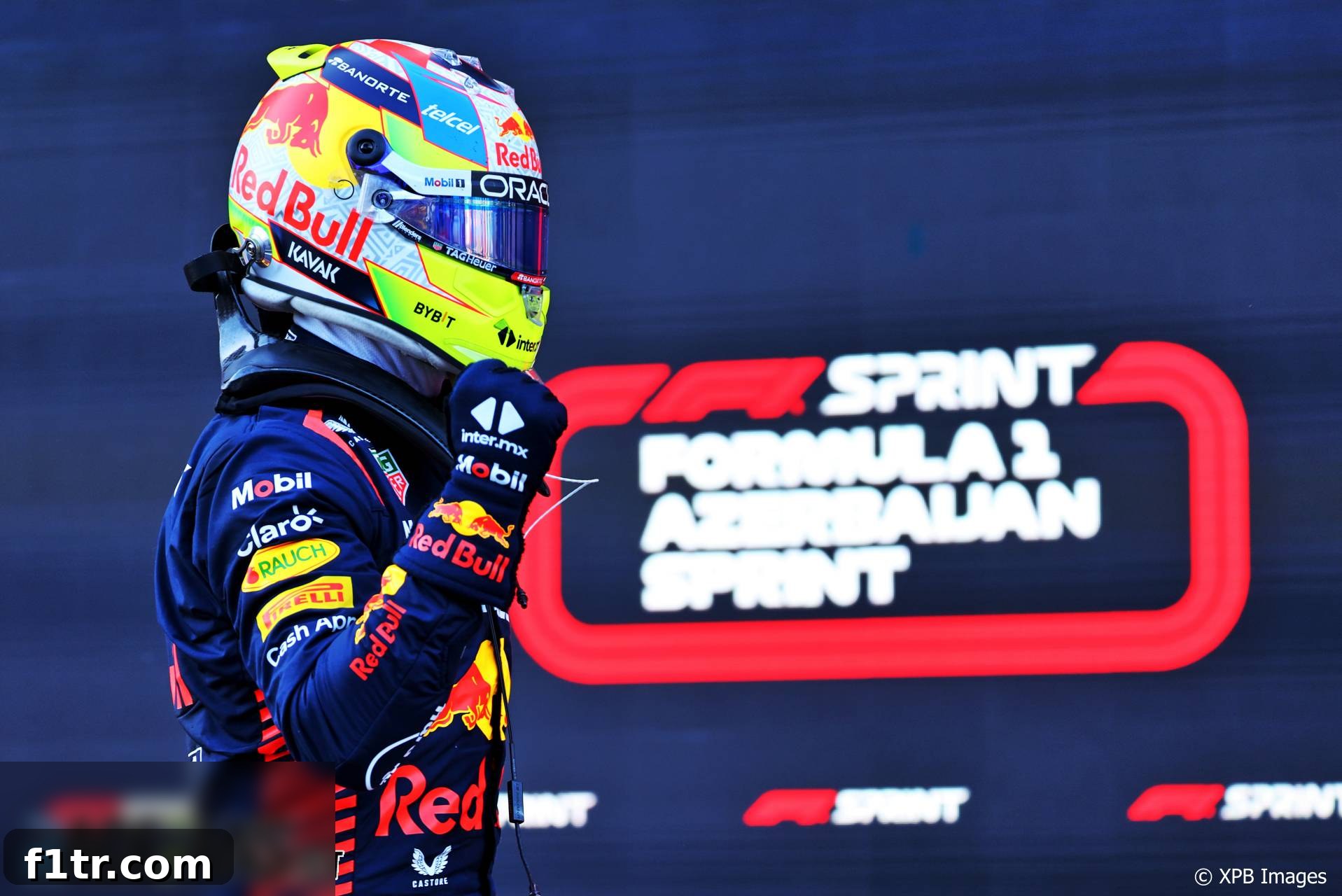
Formula 1’s Evolving Sprint Format: Unpacking the 2024 Rule Changes and the Demise of ‘Sprint Shootout’
Formula 1 is renowned for its relentless pursuit of innovation, not just on the track with car development but also in its sporting regulations and race formats. As the 2024 season approaches, the sport’s governing body, the FIA, in conjunction with Formula One Management (FOM), has once again introduced significant revisions to the divisive sprint race weekend format. Foremost among these changes is a crucial nomenclature shift, seeing the popular but often debated ‘sprint shootout’ title officially removed from the rulebook, replaced by the more straightforward ‘sprint qualifying’. This alteration, alongside a reshuffled weekend schedule and critical parc fermé adjustments, aims to streamline the fan experience and enhance the sporting integrity of these compact race weekends.
The FIA’s World Motor Sport Council (WMSC) formally approved these updated F1 sporting regulations ahead of the first practice session of the 2024 season, signaling a definitive move forward for the championship. This marks the latest chapter in the ongoing evolution of Formula 1’s sprint experiment, a format that has seen continuous modification since its initial introduction in 2021.
The Nomenclature Shift: From ‘Shootout’ to ‘Sprint Qualifying’
Last year, to clearly delineate the qualifying session for the sprint race from the traditional grand prix qualifying, Formula 1 introduced the term ‘sprint shootout’. This standalone, shorter qualifying session was designed to set the grid exclusively for the sprint race, adding another layer of competitive action to the weekend. However, in a bid for greater clarity and perhaps a touch of nostalgia, the FIA has decided to revert to a previous designation. The qualifying sessions for sprint races will now officially be referred to as ‘sprint qualifying’.
It’s an interesting full circle moment, as ‘sprint qualifying’ was the term initially used for the sprint races themselves when the format first debuted in 2021. This subtle change in terminology reflects a desire for a more consistent and easily understandable structure within the F1 lexicon. The renaming aims to reduce potential confusion for fans, aligning the qualification process more intuitively with the sprint race it precedes. This move also highlights the FIA’s responsiveness to feedback, continuously refining the format to achieve optimal balance between excitement and clarity. The ‘shootout’ concept, while descriptive of the fast-paced nature of the session, ultimately proved to be a temporary title in the sport’s ever-evolving rulebook.
Decoding the 2024 Sprint Weekend: A New Schedule and Structure
Beyond the name change, the 2024 sprint race weekend features a significant reshuffling of its schedule, promising a different rhythm for teams, drivers, and fans alike. The previous format often saw grand prix qualifying take place on Friday, followed by the sprint race and sprint shootout on Saturday, which could sometimes feel disjointed. The new arrangement seeks to create a more logical flow, with activities for the sprint event now predominantly contained within Friday and Saturday mornings, paving the way for the traditional grand prix build-up.
The updated structure is as follows:
- Friday: The weekend will kick off with a single Free Practice 1 session, offering teams a crucial window to dial in their cars. This will be followed by the newly christened ‘sprint qualifying’ session, which will determine the starting grid for Saturday’s sprint race. This ensures that the immediate focus on Friday afternoon is entirely on the sprint event.
- Saturday: Saturday mornings will be dedicated to the sprint race itself, a 100km dash for points and glory. Critically, the results of this sprint race will no longer influence the grid for the main grand prix. In a pivotal shift, Saturday afternoon will then host the traditional Grand Prix Qualifying session, which will set the grid for Sunday’s main event. This effectively separates the sprint narrative from the grand prix narrative, allowing each to stand on its own merits without compromising the other.
- Sunday: The weekend culminates, as always, with the Grand Prix, the pinnacle of the weekend’s racing action.
This revised schedule ensures that the stakes for Grand Prix Qualifying remain exceptionally high, untainted by the outcomes or strategic compromises of the sprint race. It allows teams and drivers to approach the main qualifying session with a fresh perspective, optimizing their cars specifically for the grand prix. The strategic implications are profound; teams can now fully commit to the sprint race on Saturday morning, knowing that they have a separate opportunity to qualify for the main event later that day.
A Brief History of F1’s Sprint Experiment: Four Years of Evolution
The introduction of the sprint format in Formula 1 has been one of the most significant and certainly most debated changes to the sport’s weekend structure in recent memory. Launched in 2021, the initial goal was clear: to inject more competitive action into race weekends, attract new audiences, and provide additional talking points throughout Friday and Saturday. The inaugural format saw a 100km sprint race on Saturday determine the starting grid for Sunday’s Grand Prix, with a limited number of points awarded.
However, this initial iteration faced criticism. Many purists felt it diluted the prestige of the Grand Prix by determining the grid through a shorter, less strategic race. There were also concerns about drivers taking excessive risks in the sprint for minimal reward, potentially jeopardizing their main race. The format was often described as ‘divisive’, splitting opinion among fans, teams, and even drivers.
Responding to this feedback, the FIA and FOM have not shied away from continuous modification. In 2022, changes focused on increasing the points awarded for the sprint, making it more attractive for drivers to push harder. Then, in 2023, the most substantial overhaul occurred: the introduction of the ‘sprint shootout’ to qualify for the sprint race, and crucially, the complete separation of the sprint race results from the Grand Prix grid. This aimed to give the sprint its own identity while preserving the sanctity of the main event’s qualifying session. Each season since its inception, the format has been tinkered with, reflecting Formula 1’s commitment to finding the optimal balance between spectacle and sporting integrity. The 2024 changes represent the latest step in this ongoing, experimental journey.
The Critical Role of Parc Ferme: Flexibility for 2024
One of the most impactful, yet perhaps less visible, changes for the 2024 sprint format concerns the parc fermé regulations. Parc fermé (French for ‘closed park’) is a set of strict rules that dictate when and what modifications can be made to a car once a competitive session has begun, typically after qualifying. These rules are crucial for ensuring fairness and preventing teams from fundamentally changing their car setups between qualifying and the race.
For 2024 sprint weekends, the regulations now formalize two separate parc fermé periods, offering teams a crucial window of flexibility that was previously unavailable. This is a significant strategic adjustment:
- The first parc fermé period will commence at the start of sprint race qualifying on Friday afternoon and conclude at the start of the sprint race on Saturday morning.
- The second parc fermé period will begin at the start of grand prix qualifying on Saturday afternoon and run until the start of the grand prix on Sunday.
The key innovation lies in the allowance for teams to make changes to their cars between the end of the sprint race on Saturday morning and the start of grand prix qualifying on Saturday afternoon. This newfound flexibility is a game-changer. Previously, cars were largely locked into a single setup from Friday’s qualifying through to Sunday’s race, making it a challenging balancing act for engineers to find a setup that worked for both the sprint and the grand prix, often leading to compromises.
Now, teams can approach the sprint race with a setup specifically optimized for the shorter format, perhaps focusing on straight-line speed or aggressive tire usage. After the sprint, they can analyze the data, gather driver feedback, and crucially, adjust the car’s setup for grand prix qualifying and the main race. This could involve changes to suspension, aerodynamics, or even cooling, allowing for a more tailored approach to each distinct competitive session. This adjustment directly addresses a long-standing point of contention, empowering teams with greater strategic scope and potentially leading to more optimized, and thus faster, cars for both events. It also means that any lessons learned or issues identified during the sprint can be rectified or improved upon before the most important qualifying session of the weekend.
Strategic Implications for Teams, Drivers, and Fans
The comprehensive changes to the F1 sprint format for 2024 carry significant implications across the paddock. For **teams**, the new schedule and parc fermé rules introduce a fresh layer of strategic complexity. Engineering teams will need to be exceptionally agile, managing two distinct preparation phases within a condensed timeframe. The ability to modify cars between the sprint race and grand prix qualifying means that Friday’s single practice session becomes even more critical for gathering data for both sprint and grand prix setups. Resource allocation, especially concerning spare parts and personnel, will be under intense scrutiny, as the pressure to optimize for two separate qualifying and race events within 24 hours is immense. This could favor larger, better-resourced teams, but also creates opportunities for clever engineering decisions across the board.
For **drivers**, the mental and physical demands will be heightened. They must quickly adapt to the sprint qualifying on Friday, which demands immediate pace, then transition to the sprint race’s unique dynamics on Saturday morning. Following this, they must recalibrate their focus and provide precise feedback for car adjustments before tackling the high-pressure grand prix qualifying session later that Saturday. This requires a level of adaptability and mental fortitude that underscores the elite nature of Formula 1 drivers. The separation of the sprint from the grand prix grid also alleviates some pressure, allowing drivers to take more calculated risks in the sprint without fearing a severe penalty for their Sunday race start.
For **fans**, the aim is undoubtedly a clearer, more engaging spectacle. The removal of ‘sprint shootout’ for ‘sprint qualifying’ is a simple step towards better understanding. The clear separation of the sprint race and grand prix qualifying on Saturday promises a more logical and exciting build-up to the main event. With cars potentially being optimized for different conditions, there’s a chance for more varied performance between the sprint and the grand prix, adding an element of unpredictability and strategic intrigue. The hope is that these changes make the sprint weekends less confusing and more entertaining, delivering on the promise of “more racing action” without detracting from the prestige of the Grand Prix.
The 2024 Sprint Calendar: Where and When
The 2024 Formula 1 season will feature a total of six sprint events, strategically placed throughout the calendar at circuits deemed suitable for the condensed format and high-intensity racing. The first of these sprint spectacles is set to take place at the highly anticipated Chinese Grand Prix in April. This return to China, after a prolonged absence, will be a significant moment, marking the debut of the new sprint format on an iconic and challenging circuit.
The selection of circuits for sprint weekends typically considers factors like track layout conducive to overtaking, infrastructure capable of handling the accelerated schedule, and a strong local fanbase. The six chosen venues will provide varied conditions and challenges, ensuring that the sprint format is tested across different track characteristics, from high-speed circuits to more technical layouts. The full calendar for these events will continue to be a focal point for fans eager to witness the revised format in action.
Conclusion: Towards a More Refined Sprint Format?
The latest round of modifications to Formula 1’s sprint race format for 2024, including the renaming of ‘sprint shootout’ to ‘sprint qualifying’, the reshuffled weekend schedule, and the crucial flexibility in parc fermé regulations, represent a significant step in the sport’s ongoing efforts to refine this experimental concept. These changes demonstrate a clear intent from the FIA and FOM to enhance clarity, improve the flow of the weekend, and ensure that the sprint race adds genuine value without compromising the integrity or excitement of the Grand Prix.
As Formula 1 embarks on its fourth year with the sprint format, the continuous tweaks reflect a commitment to innovation and a responsiveness to feedback from all stakeholders. While the sprint format remains a topic of spirited discussion, these 2024 revisions aim to create a more cohesive and strategically rich event. The anticipation now builds for the Chinese Grand Prix in April, where the new ‘sprint qualifying’ and the updated weekend structure will be put to the test, offering a glimpse into what could be a more refined and enduring sprint format for the future of Formula 1.