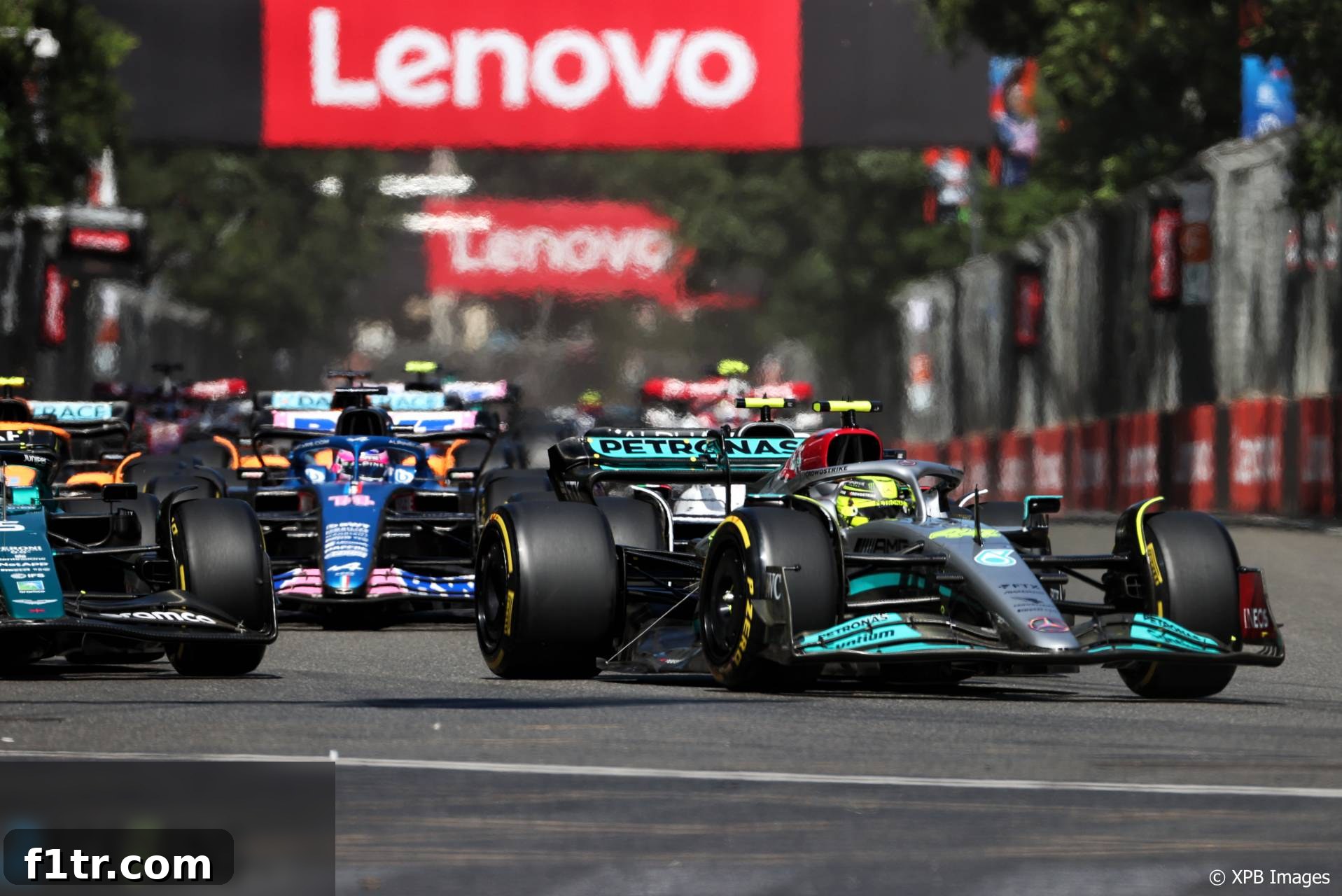
Formula 1 Tackles Porpoising: FIA Prioritizes Driver Safety and Car Performance
The International Automobile Federation (FIA), Formula 1’s governing body, has initiated crucial measures to address the disruptive ‘porpoising’ phenomenon plaguing F1 cars. This action follows mounting concerns and widespread complaints from drivers regarding the severe physical impact of this aerodynamic bouncing during recent races, particularly highlighted after the Azerbaijan Grand Prix.
Porpoising, characterized by cars rapidly rising and falling at high speeds, emerged as a significant challenge with the introduction of the new 2022 technical regulations. These rules drastically altered car floor designs, reintroducing the “ground effect” concept, which, while boosting performance, inadvertently brought back this historical issue. While some teams have managed the problem better than others, the collective impact on driver wellbeing and safety has necessitated immediate intervention from the sport’s highest authority.
Understanding the Porpoising Phenomenon in Modern F1
The re-emergence of porpoising in Formula 1 is a direct consequence of the 2022 technical regulations, which reintroduced ground effect aerodynamics as the primary method for generating downforce. Ground effect works by shaping the car’s underbody to accelerate air flowing beneath it, creating a low-pressure zone that sucks the car towards the track. However, at certain speeds and ride heights, the airflow can stall, causing the car to lose downforce and rise. As it rises, the airflow reattaches, generating downforce again, pulling the car back down. This cyclical process leads to the characteristic bouncing or ‘porpoising’.
Adding to this complexity, teams have been forced to run their cars with significantly stiffer suspension setups and lower ride heights to maximize aerodynamic performance from the new floor designs. While this approach helps extract crucial milliseconds on track, it dramatically reduces the car’s compliance over bumps and uneven surfaces. This combination of aerodynamic oscillations and rigid chassis has resulted in an exceptionally harsh and physically demanding experience for drivers, far exceeding what would be considered acceptable for their long-term health and immediate safety.
The Human Cost: Driver Safety and Wellbeing at Stake
Since the beginning of the 2022 season, numerous drivers from various teams have voiced serious concerns about the painful and potentially debilitating effects of porpoising. Reports of severe back pain, neck strain, headaches, and even blurred vision have become increasingly common. Beyond the immediate discomfort, there are significant worries about the long-term health implications for these elite athletes, whose bodies are subjected to immense G-forces and vibrations for extended periods.
The physical toll is not merely a matter of comfort; it directly impacts driver concentration and, by extension, safety. In a sport where fractions of a second and absolute precision dictate success and prevent catastrophic accidents, any factor that compromises a driver’s ability to focus or react swiftly poses an unacceptable risk. Drivers routinely operate their machines at speeds exceeding 300 km/h, requiring unwavering concentration. Excessive fatigue or pain could lead to a momentary lapse, with potentially severe consequences for themselves and other competitors.
FIA’s Decisive Action: Implementing a Technical Directive
In response to the growing safety concerns and following extensive consultation with its medical delegates, the FIA has issued a Technical Directive (TD) to all Formula 1 teams. This directive outlines immediate and medium-term measures designed to mitigate porpoising and protect driver wellbeing. The FIA’s intervention underscores its commitment to driver safety, a paramount principle within the sport.
The immediate steps detailed in the Technical Directive include:
- Enhanced Scrutiny of Car Floors: The FIA will conduct more rigorous inspections of the teams’ car floors, specifically focusing on the design and observed wear of the planks and skids. These components are critical for regulating ride height and ground effect, and their integrity directly impacts a car’s aerodynamic behavior and legality. Closer monitoring will ensure teams adhere strictly to regulations and prevent any design interpretations that might exacerbate porpoising.
- Introduction of a Vertical Oscillation Metric: Perhaps the most significant short-term measure is the definition of a quantitative limit for acceptable vertical oscillations. This metric, based on the car’s vertical acceleration, aims to establish a measurable threshold beyond which porpoising is deemed unsafe. The FIA is actively collaborating with Formula 1 teams to finalize the precise mathematical formula for this metric, ensuring it is both effective and fair. This collaborative approach highlights the complex balance between regulatory oversight and fostering competitive innovation.
These measures are not merely punitive but are intended to provide clear guidelines and a framework within which teams can operate safely while still pursuing performance.
Ensuring Driver Wellbeing: The Rationale Behind FIA’s Intervention
Following the eighth round of this year’s FIA Formula One World Championship, during which the phenomenon of aerodynamic oscillations (“porpoising”) of the new generation of Formula 1 cars, and the effect of this during and after the race on the physical condition of the drivers was once again visible, the FIA, as the governing body of the sport, has decided that, in the interests of safety, it is necessary to intervene to require that the teams make the necessary adjustments to reduce or to eliminate this phenomenon.
The FIA has decided to intervene following consultation with its doctors in the interests of safety of the drivers. In a sport where the competitors are routinely driving at speeds in excess of 300km/h, it is considered that all of a driver’s concentration needs to be focused on that task and that excessive fatigue or pain experienced by a driver could have significant consequences should it result in a loss of concentration. In addition, the FIA has concerns in relation to the immediate physical impact on the health of the drivers, a number of whom have reported back pain following recent events.
The FIA’s statement powerfully articulates the core reason for its intervention: driver safety. While teams are inherently driven by competitive desires to extract maximum performance, this pursuit cannot come at the expense of human wellbeing. The governing body holds the ultimate responsibility to safeguard its participants, and when a technical issue poses a demonstrable threat to driver health and concentration, regulatory action becomes imperative.
The long-standing culture of safety in Formula 1 dictates a proactive approach to potential hazards. From the introduction of safety harnesses and barriers to the recent adoption of the Halo device, F1 has consistently evolved its safety standards. The porpoising issue, therefore, is viewed through this same lens – a challenge to be addressed collectively, ensuring the integrity of the sport and the welfare of its most vital assets: the drivers.
Looking Ahead: Collaborative Efforts for Sustainable Solutions
Beyond the immediate directive, the FIA has pledged to convene a technical meeting with all Formula 1 teams. The objective of this meeting will be to explore and define medium-term measures that can inherently reduce the propensity of cars to exhibit such extreme aerodynamic oscillations. This collaborative dialogue is crucial for shaping future regulations and ensuring that any long-term solutions are both effective and practical for all teams.
Discussions may involve potential adjustments to regulatory parameters for future seasons, clarifications on design interpretations, or even revisions to specific aerodynamic elements. The goal is to find a sustainable balance where ground effect aerodynamics can still contribute to exciting racing and innovative car design, but without compromising driver safety and comfort to an unacceptable degree. This forward-looking approach underscores the FIA’s commitment not just to fixing an immediate problem, but to continually improving the fundamental safety and operational standards of Formula 1.
Balancing Performance and Safety in Formula 1’s Future
The porpoising saga of the 2022 Formula 1 season serves as a potent reminder of the delicate equilibrium that must be maintained between pushing the boundaries of technological innovation and upholding the highest standards of driver safety. While the new ground effect regulations were designed to enhance racing and create a more level playing field, they inadvertently introduced a significant physical challenge for the drivers.
The FIA’s swift and decisive intervention highlights its unwavering commitment to driver wellbeing, sending a clear message that safety will always remain paramount in Formula 1. By implementing immediate technical directives and fostering collaborative discussions for long-term solutions, the sport is demonstrating its capacity to adapt and evolve. The resolution of porpoising will undoubtedly contribute to a safer and more sustainable future for Formula 1, allowing drivers to focus entirely on the thrilling pursuit of speed and victory, free from excessive pain and unnecessary risk.