Formula 1 and Motorsport Headlines: Kvyat’s Ferrari Revelation, Steiner’s GPS Push, and Indy 500 Updates
In a bombshell revelation shaking up the motorsport world, former Formula 1 driver Daniil Kvyat has claimed he was on the cusp of a significant move to Ferrari in 2016, an offer that came just before his unexpected demotion from Red Bull Racing back to their junior team, Toro Rosso. This exclusive insight offers a fascinating glimpse into the high-stakes, often unseen dynamics that shape careers at the pinnacle of global motorsport.
Key Motorsport Updates
Delving deeper into the latest developments from the world of Formula 1, IndyCar, and beyond, we bring you comprehensive reports on the most talked-about topics.
Kvyat Reveals Near Ferrari Move Before Red Bull Demotion
Ferrari Bid for Kimi Raikkonen’s Seat Preceded Shock Red Bull Exit, Says Kvyat
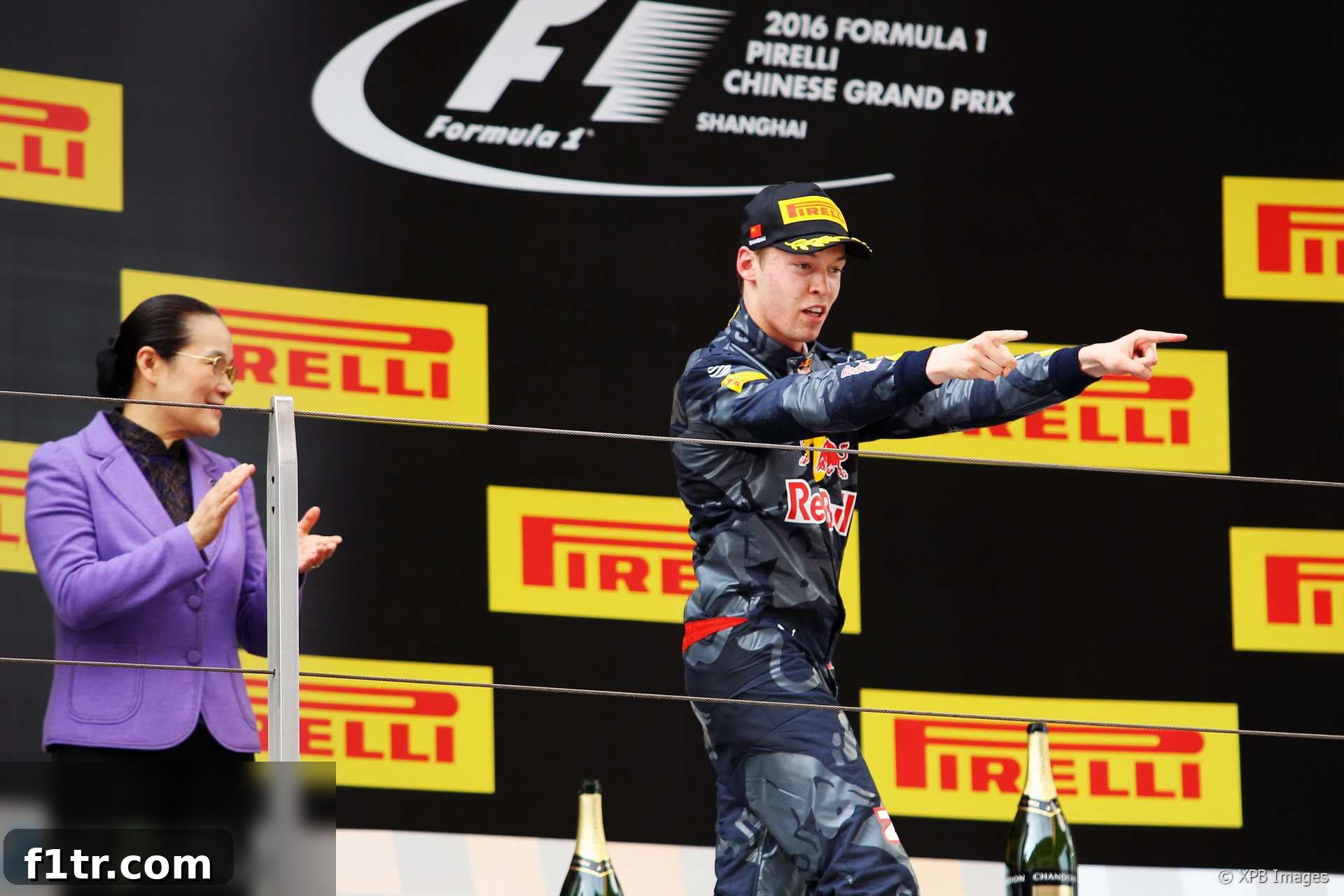
The journey of Daniil Kvyat in Formula 1 has been one of soaring highs and challenging lows. After a promising single year with Toro Rosso in 2014, Kvyat was promoted to the senior Red Bull Racing team for the 2015 season. His tenure included a memorable podium finish at the 2016 Chinese Grand Prix, solidifying his position as a potential future star. However, just weeks after this success, the motorsport landscape shifted dramatically for Kvyat. In a decision that stunned many, he was abruptly demoted back to Toro Rosso, making way for the prodigious talent of Max Verstappen, who went on to secure a sensational victory on his Red Bull debut at the Spanish Grand Prix.
Now, Kvyat has shed new light on the tumultuous period, revealing a significant opportunity that was unfolding behind the scenes. “At the time I had also a proposal to race for Ferrari to replace Kimi at the time,” Kvyat disclosed on the Track Limits podcast. “Not many people know about it, but that’s what was going on behind the curtain.” This revelation underscores the incredible pressures and swift decisions that characterize Formula 1, where a driver’s fortune can change overnight. The prospect of joining Ferrari, one of motorsport’s most iconic teams, would have been a career-defining moment for Kvyat, offering a chance to partner with Sebastian Vettel and contend for championships.
The mental impact of such a turn of events was profound. Kvyat expressed the immense psychological challenge of being courted by Ferrari, seeing a contract offer, only to find himself unexpectedly returned to Toro Rosso. “It was a very difficult situation also for me mentally to go back from being wanted by Ferrari and having seen the contract in front of you. And then you go back to Toro Rosso suddenly.” This testimony highlights the emotional toll on drivers navigating the demanding F1 environment. While the Ferrari race seat ultimately eluded him in 2016, Kvyat did eventually get a taste of life within the Scuderia, joining Ferrari as a development driver in 2018, contributing his expertise behind the scenes.
Guenther Steiner Advocates for GPS-Based Race Order During Red Flags
Haas Team Principal Calls for Technological Solution to Red Flag Restarts
The chaotic conclusion of the Australian Grand Prix reignited debates around Formula 1’s procedural rules, particularly concerning race restarts under red flag conditions. Haas team principal Guenther Steiner has emerged as a vocal proponent for change, urging the FIA to implement GPS positioning data to accurately determine the race order when a grand prix is halted. His call for a more technologically advanced approach comes after a controversial decision saw the final restart order reset, impacting several drivers, including Haas’s own Nico Hulkenberg.
During the Australian Grand Prix, a late red flag created a dramatic scenario. Hulkenberg had strategically climbed to fourth position by the time the red flag was deployed. However, due to confusion and the FIA’s subsequent decision to revert to the order from the penultimate restart – as cars had not yet entered sector two – Hulkenberg was relegated to eighth for the final Safety Car lap. This incident, among others, highlighted the inconsistencies and frustrations that can arise from subjective interpretations of race control procedures.
Steiner’s argument centers on the readily available and highly accurate technology of GPS. “With the technology that we have these days, GPS is accurate enough – we use GPS for the blue flag for example,” Steiner told Sky Sports. He questioned the logical disconnect: “They say it’s not accurate enough for a finishing position yet it’s accurate enough for a blue flag – we need to make our mind up what it is and what it isn’t.” This points to a perceived double standard in the application of GPS technology within race officiating. Steiner firmly believes that leveraging GPS, combined with camera data, could instantly and objectively freeze the race order at the precise moment a red flag is issued, eliminating ambiguity and ensuring fairness for all competitors. “I really think there needs to be a lot of thinking. We could have frozen everything, via camera and via GPS, at the exact moment when the red flag came out,” he concluded, advocating for a clearer, more consistent system.
Indy 500 Open Test Marred by Persistent Rain
Weather Disrupts Crucial Pre-Season Running at Indianapolis Motor Speedway
The highly anticipated second day of the Indianapolis 500 open test, a critical opportunity for teams and drivers to fine-tune their machines ahead of the iconic race, was unfortunately washed out due to continuous heavy rain over the speedway. This weather disruption forced the cancellation of Friday’s running, limiting preparation time for the formidable field of entrants.
The open test serves as an essential prelude to the ‘Greatest Spectacle in Racing’, allowing teams to conduct extensive testing, collect vital data, and give drivers valuable track time on the challenging oval. While Friday’s schedule was designed for a full day of running, the persistent rainfall rendered any meaningful track activity impossible, much to the frustration of teams and fans alike. Despite the setback, most of the 34 confirmed entrants managed to hit the track on Thursday’s opening day. Only RC Enerson was unable to participate, missing out on initial setup runs. On the partial opening day, Josef Newgarden demonstrated impressive pace, setting the fastest speed with an average of 227.686mph, signaling his intent for the upcoming race.
Teams and drivers will now shift their focus to the official practice and qualifying sessions. The Indianapolis Motor Speedway will once again roar to life on Friday, May 12th, for practice and qualifying ahead of the Grand Prix held the following day. The formal commencement of practice for the 107th running of the Indy 500 is scheduled for the following Tuesday, leading up to the race itself. The disrupted open test means teams will have to maximize every available moment during these subsequent sessions to ensure they are fully prepared for the demands of the legendary 500-mile race.
Further Motorsport Insights and Recommended Reading
Explore a curated selection of intriguing motorsport articles and interviews from across the web, offering deeper dives into driver perspectives, team strategies, and the evolving landscape of racing:
Nico Rosberg on His Shock 2016 F1 Title Retirement (The Sun)
Former Formula 1 World Champion Nico Rosberg reflects on his decision to retire from the sport just days after clinching the 2016 title. Speaking to Men’s Health, Rosberg, son of 1982 F1 world champion Keke Rosberg, revealed the intense pressures and even moments of fear that played a role in his surprise exit. He candidly admitted to concerns about the inherent dangers of racing, particularly on high-speed circuits like Baku, where cars reach exhilarating speeds between unforgiving walls. Rosberg’s introspection offers a rare glimpse into the psychological demands on F1 drivers, highlighting that even champions face the human element of fear, distinguishing himself from what he terms “daredevil” counterparts. His retirement remains one of the most unexpected in recent F1 history, underscoring the immense sacrifice and mental fortitude required to compete at the elite level.
Alex Albon on Williams’ Significant Progress (Williams)
Williams Racing driver Alex Albon shares his candid thoughts on the team’s substantial progress and his personal rhythm amidst the Formula 1 season. Albon acknowledges the current break in the F1 calendar, musing that while he doesn’t mind the pause, it might have been strategically better placed to alleviate upcoming double and triple-headers. Despite having completed three races, he notes that the team feels relatively fresh, suggesting the timing of the break hasn’t significantly impacted their competitive momentum. Albon details how he has utilized this time away from the track for personal rejuvenation, followed by a swift return to the simulator to prepare for the challenging races ahead. His reflections highlight the continuous cycle of training, simulator work, and occasional marketing duties that define an F1 driver’s life, even during breaks.
UBS Invests in Sir Lewis Hamilton’s Mission 44 Foundation (Mission 44)
Sir Lewis Hamilton’s influential foundation, Mission 44, has secured a significant investment from UBS, aimed at amplifying its impactful initiatives. The partnership includes a substantial contribution exceeding £1 million, specifically designated to bolster Mission 44’s Inclusive Education Programme. This flagship program is dedicated to challenging existing inequalities and fostering systemic change within educational frameworks. The funding will be strategically allocated to grassroots organizations renowned for their expertise in inclusive education, particularly those led by individuals with direct, lived experience of disadvantage and discrimination, including people of color. This investment underscores a shared commitment to creating equitable opportunities and pathways for young people, reinforcing Hamilton’s dedication to social justice beyond the racetrack.
Can Formula 1 Adapt to an Electric Future? (Kansas City Star)
A compelling discussion emerges on the future sustainability of Formula 1 amidst a global shift towards electric vehicles. The article questions F1’s long-term viability as cities, states, and countries increasingly phase out fossil fuel vehicles. With regions like California implementing bans on internal combustion engine sales over the coming decades, and ambitious plans from administrations like Biden’s to accelerate the transition to plug-in vehicles in the US, the motorsport world faces an undeniable challenge. This global movement towards electrification inevitably raises a crucial question for Formula 1: could the pinnacle of motorsport eventually be compelled to go fully electric? The piece explores the intricate balance between F1’s tradition, its technological innovation, and its responsibility to align with global environmental goals, prompting a significant debate about its propulsion future.
Alexander Rossi’s Influence on Indy 500 Open Test Changes (NBC Sports)
Former Indianapolis 500 winner Alexander Rossi played a pivotal role in inspiring a significant aerodynamic change for the Indy 500 Open Test. The article details how the modification to the rear-wing pillar was a direct result of Rossi’s input during a drivers’ meeting held in December, leading to its swift implementation. This highlights the collaborative nature of IndyCar’s development, where driver feedback can directly influence technical regulations and car performance. Furthermore, the piece notes that other aerodynamic enhancements, such as the stability wickers, have been evolving over three years, while barge boards and trailing edge wickers were introduced within a month of the previous year’s Indianapolis 500. This continuous refinement underscores the relentless pursuit of performance and safety in one of motorsport’s most demanding races, with drivers like Rossi at the forefront of innovation.
Frederik Vesti Reflects on His Maiden F2 Victory (Formula 2)
Frederik Vesti provides an intimate account of his emotional journey to securing his first Formula 2 victory, a triumph that was years in the making. He describes the win as the culmination of five years of unwavering dedication and significant personal sacrifices. Vesti candidly recounts the immense challenge of a previous “bad year” where he transitioned from being considered one of Denmark’s brightest talents to facing the very real possibility of not racing the following season due to team struggles. This personal reflection sheds light on the sheer resilience and perseverance required to succeed in competitive junior categories. His words resonate with any aspiring racer who has faced adversity, illustrating the profound emotional release and satisfaction that comes with achieving a long-held ambition after enduring significant hurdles.
Jaguar Racing’s Electric Road Trip to the Berlin E-Prix (Formula E)
Ahead of World Earth Day, Jaguar TCS Racing shares the story of its all-electric journey to the SABIC Berlin E-Prix, offering a unique perspective on sustainable motorsport. The article invites readers to experience the sights and realities of road-tripping in an all-electric car, detailing the impressive 680-mile trek. This initiative not only showcases the capabilities of electric vehicles in a practical, long-distance scenario but also reinforces Formula E’s commitment to promoting sustainable mobility solutions. It’s a compelling narrative that bridges the gap between high-performance electric racing and everyday electric vehicle usage, highlighting the advancements and environmental benefits of electric transportation.
45 Questions with James Vowles Part One (Williams)
Williams Racing provides an engaging Q&A session with its Team Principal, James Vowles, in the first installment of “45 Questions.” This feature offers fans a valuable opportunity to gain a deeper understanding of the team’s leadership, Vowles’ vision, and his personality. The wide array of questions aims to help followers of Formula 1 get to know the man at the helm of one of the sport’s most historic teams. Such candid interviews are crucial for fostering transparency and connection between teams and their global fanbase, providing insights beyond the traditional race reports and technical analyses.
We always endeavour to credit original sources. If you have a tip for a link relating to single-seater motorsport to feature in the next RaceFans round-up please send it to us via the contact form.
Social Media Highlights from the Motorsport World
A selection of notable posts and updates from official channels and prominent figures in motorsport:
We are proud to announce that we have successfully achieved the FIA Three-Star Environmental Accreditation for both of our sites – Enstone and Viry Châtillon.
Find out more below 🗞#Alpine
— BWT Alpine F1 Team (@AlpineF1Team) April 21, 2023
Gone fishin’ 🎣#VB77 @tiffanycromwell pic.twitter.com/S7BuZ08RUn
— Valtteri Bottas (@ValtteriBottas) April 21, 2023
Your crew chief came to me and apologized. No worries🤙
— Rinus VeeKay (@rinusveekay) April 20, 2023
- Find more official F1 accounts to follow in the F1 Twitter Directory
Reader Debate: The Enduring Relevance of Pit Strategy in F1
With the FIA continuing to push for Formula 1 tyres to incorporate a ‘cliff’ characteristic for the 2025 season and beyond, fostering varied pit strategies, reader lynn-m offers a thought-provoking perspective, questioning the fundamental necessity of diverse pit strategies in modern F1.
I don’t get where the obsession with having to have pit strategy came from.
For a lot of F1’s history the only reason cars came into the pits was if they were suffering from a car issue or after the introduction of slicks if there was a need to change from slick to wets or vice versa.
Even when pit stops started to become more common in the eighties there wasn’t really much strategy involved as drivers just pitted if tyres started to go off or if they wanted to switch to another compound and even then it wasn’t something everybody did as seeing some (or sometimes even all) drivers go the entire race without stopping was still commonplace.
And despite the lack of pit strategy the racing was perfectly fine and was in fact better and less predictable in some regards because nobody knew what anyone else was doing. And because of that the incentive to try and overtake on the track was higher as you never knew if the car ahead would be stopping or not. Especially since you never knew what compounds they had on. And for fans not knowing any of that made the races feel less predictable and more interesting because we never knew what anyone would be doing until they did it.
I think the only reason pit strategy is seen as so important now is because you have a whole generation of fans who don’t know racing without it so feel like they need it because for them it’s always been there. I think those of us old enough to remember the racing before refuelling was introduced in 1994 will know how good the racing still was without the strategy and how the focus would actually be on the racing.
When refuelling was introduced in 1994 it gave us strategy but also made the actual racing worse and reduced the amount of overtakes that were going on on the track. It shifted the dynamic of how races were planned, How they played out and how much input drivers had in a way that wasn’t positive.
They planned strategy on Saturday, fuelled the car for the first stint and were then limited by that as if you put 15 laps of fuel in for the first stint there’s not much room to extend and if you shorten the stint you have compromised your race by carrying more fuel than you needed to at the start. Everyone was dictated by the first stint with very little driver input.
Both before refuelling and after it it was more reactive, more about drivers and less planned out and that makes things less predictable, more dynamic and more interesting as well as putting it more in the hands of the drivers as they can manage tyres to extend a stint, They could manage them to go non stop….. They can’t do that with refuelling which puts it more in the hands of the strategy guys and the computers.
lynn-m
Happy Birthday to Motorsport Enthusiasts!
Wishing a very happy birthday to Fixy, Kaylee911, Tracy Brockman, Tracy and Thomas Krol! May your day be filled with speed and celebration!
On This Day in Motorsport History
- Born today in 1978: Esteban Tuero, the Argentinian driver who went on to compete in Formula 1 for Minardi.