Honda’s recent announcement to withdraw from Formula 1 after the 2021 season sent ripples through the motorsport world, driven by a strategic imperative to achieve net carbon neutrality across its product lines by 2050. This bold move, prioritizing sustainable mobility, appeared to be at odds with another significant decision revealed just days later: an extended, long-term commitment to IndyCar racing through its Honda Performance Development (HPD) division. The perceived contradiction has fueled much discussion, prompting Masashi Yamamoto, Honda F1’s managing director, to clarify the distinct rationale behind each strategic direction.
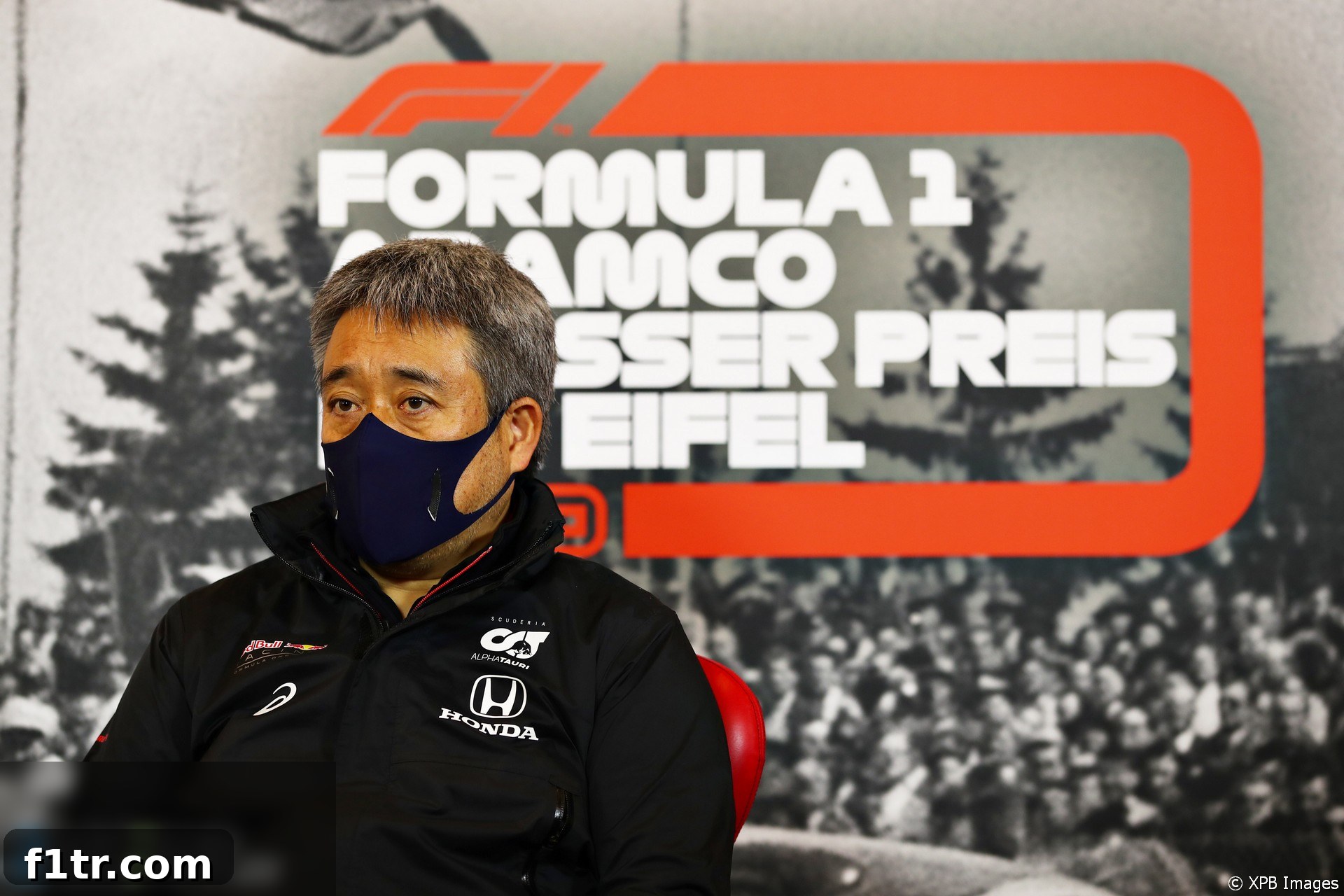
The global automotive giant’s F1 exit, confirmed last week, underscores a fundamental shift in corporate focus towards the accelerated development of battery and fuel cell electric vehicles. This ambitious goal of carbon neutrality by mid-century necessitates a massive reallocation of resources and top engineering talent. Yamamoto shed light on the complexity of this decision during a recent FIA press conference at the Nürburgring, acknowledging it as “a difficult decision” but one deemed essential for Honda’s long-term future.
Yamamoto emphasized that the Formula 1 project was ultimately curtailed due to the critical need to redeploy highly specialized engineers to these nascent, carbon-neutral projects. He explained, “We also considered pursuing both Formula 1 and the work that we’re doing before the rapidly approaching requirement for carbon neutrality. In the end, the decision was taken to shift the top engineers for the work on future power units, et cetera. And unfortunately, we were unable to continue with Formula 1 as a result of that.” This strategic pivot highlights the intense competition for high-level engineering expertise within the company, a finite resource that must be directed where it can yield the greatest impact on Honda’s future product roadmap.
The distinction between Honda’s F1 departure and its enduring IndyCar commitment lies primarily in the operational structures and geographical locations of its motorsport divisions. Honda’s Formula 1 efforts are a deeply integrated project, with significant research and development conducted in Japan, alongside its operational base in Milton Keynes. The relocation of Japan-based engineers, crucial for developing next-generation battery and fuel cell technologies, was a pivotal factor in the F1 withdrawal. Yamamoto confirmed, “In this case, a lot of our R&D staff are based in Japan, which meant that for our future work, we had to allocate engineers who otherwise had been working in Japan” to these new, high-priority initiatives.
In stark contrast, Honda Performance Development (HPD), which spearheads Honda’s successful IndyCar engine supply program, operates as an independent entity within America. Yamamoto clarified that HPD’s decision to extend its involvement in the IndyCar series was made autonomously, separate from the corporate mandate affecting the F1 program. This operational independence allows HPD to align its strategies with regional market demands and existing resource allocations within North America, where the IndyCar series holds significant commercial and marketing value for Honda.
The IndyCar series, while not currently employing hybrid engines, has concrete plans to introduce them in 2023. This forward-looking approach to sustainable technology within IndyCar offers HPD a platform for innovation that can still contribute to Honda’s broader electrification goals, albeit through a different pathway than direct Formula 1 engine development. The continuous engagement allows Honda to maintain a strong presence in a crucial North American motorsport market, leveraging the visibility and brand association that racing provides, particularly as it moves towards more sustainable racing solutions.
While Formula 1 has itself announced ambitious plans to become carbon neutral by 2030 – a target even more aggressive than Honda’s corporate timeline – Yamamoto explained why this wasn’t enough to retain the Japanese manufacturer. Despite both entities “moving in the same direction” regarding sustainability, Honda’s unique position as a global manufacturer with diverse product lines (automobiles, motorbikes, and general-use products) means its carbon neutrality imperative carries a different weight and urgency. The need to reallocate top engineers at an earlier stage to pivotal research and development for its worldwide customer base outweighed the benefits of continuing its F1 program, even with F1’s own sustainability efforts.
The decision reflects Honda’s unwavering commitment to its long-term corporate vision, where motorsport, while valuable, must align perfectly with overarching strategic objectives. The intricate balance of innovation, marketing, and resource management dictates that while one high-profile racing program may be paused, another, independently managed and regionally impactful, can continue. This nuanced approach demonstrates Honda’s pragmatic strategy to navigate the rapidly evolving landscape of automotive technology and environmental responsibility, ensuring its leadership in sustainable mobility for decades to come.
Honda’s departure from Formula 1, therefore, is not a rejection of motorsport’s value or its sustainability goals, but rather a calculated reallocation of its most precious assets—its engineering talent and financial resources—towards the monumental task of transforming its entire global product portfolio. Its continued presence in IndyCar, through the distinct operations of HPD, underscores a commitment to regional racing programs that can still offer technological learning and brand engagement without directly competing for the same critical resources earmarked for the global push towards carbon neutrality. This dual strategy ensures that Honda remains at the forefront of both automotive innovation and sustainable development, adapting its motorsport involvement to best serve its broader corporate mission.
Ultimately, Yamamoto’s explanations clarify that Honda’s strategy is not contradictory but carefully compartmentalized, reflecting the diverse global operations of a multinational corporation. The decisions, while seemingly disparate, are unified by a singular, overarching goal: to achieve a cleaner, more sustainable future for its customers worldwide, with every facet of the company, including its legendary motorsport heritage, playing a defined role in that monumental endeavor.