Advert | Become a Supporter & go ad-free
Alpine F1 Undergoes Major Technical Restructure After “Shocking” Start to 2024 Season
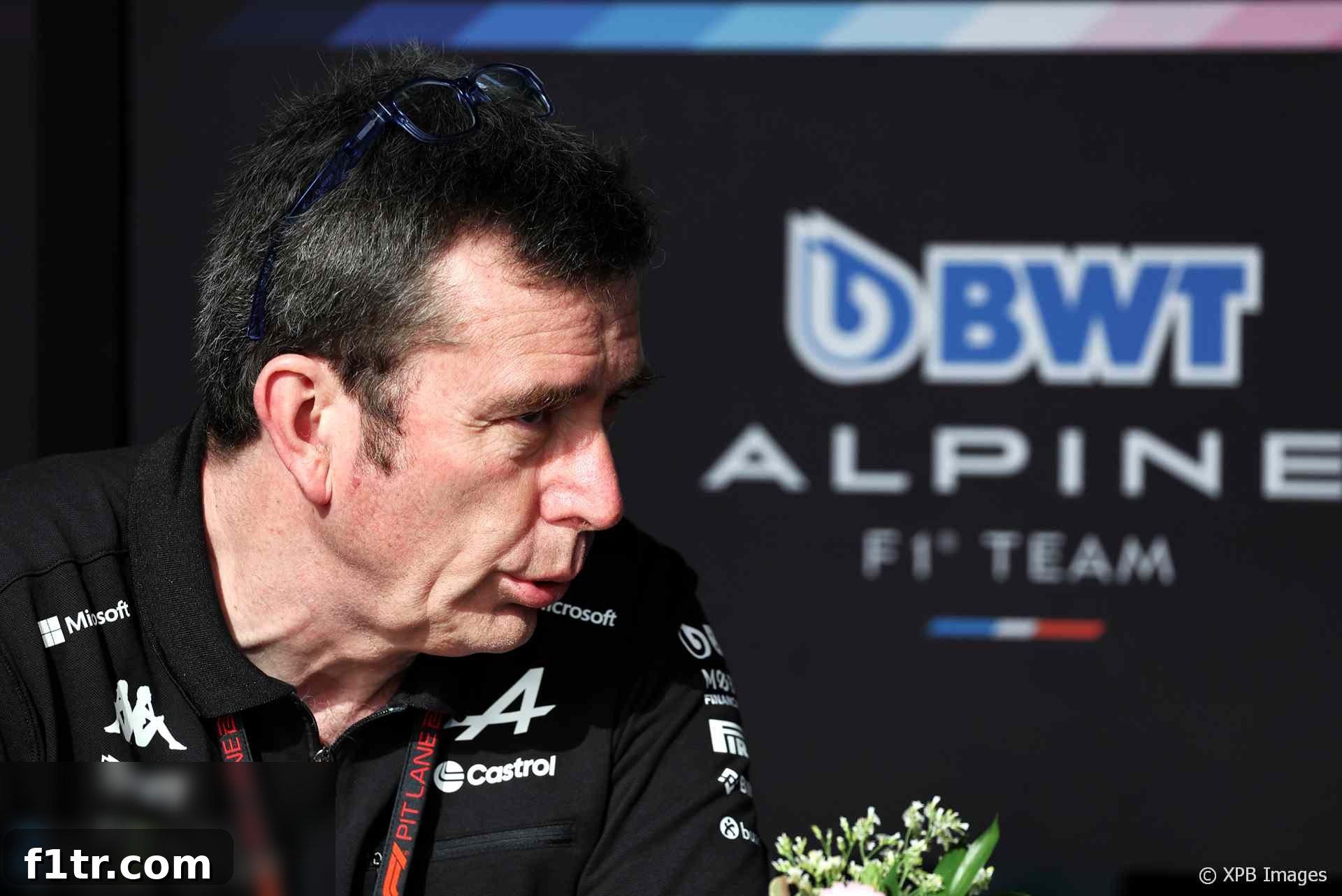
Alpine F1 Team Principal Bruno Famin has publicly addressed the significant organizational changes implemented within the team’s technical division. These crucial adjustments are a direct and unequivocal response to what Famin described as an “uncompetitive” and “shocking” start to the 2024 Formula 1 season, which immediately signaled the urgent need for a strategic overhaul.
The imperative for transformation became glaringly apparent following the initial races, prompting a swift and decisive restructuring of the technical leadership. This involved the departure of key personnel and the subsequent appointment of three new technical directors, each entrusted with specialized responsibilities across critical aspects of car development. This bold move aims to inject fresh impetus, foster greater agility, and unlock the latent potential within the Enstone-based outfit’s challenging A524 challenger.
The Bahrain Grand Prix: A Stark Wake-Up Call for Alpine
The curtain-raiser for the 2024 Formula 1 season, the Bahrain Grand Prix, delivered a harsh reality check for the Alpine team. While there was an internal understanding that the new A524 challenger might face initial challenges as the team pushed an “aggressive” design philosophy, the sheer magnitude of their struggles during qualifying came as a profound surprise to Bruno Famin and the entire team.
“It was a shock because we were really expecting a difficult start of the season, we knew this, this is what we said during the launch of our car,” Famin candidly admitted, reflecting on the pre-season tempered optimism. However, the dispiriting sight of both Esteban Ocon and Pierre Gasly’s A524s languishing on the back row of the grid during qualifying for the season’s inaugural race was a blow. “But to be on the last row in the quali was a shock, to be honest,” he reiterated, underscoring the deep impact of that performance on the team’s morale and strategic outlook.
This disheartening debut performance unequivocally confirmed the pressing need for substantial adjustments within Alpine’s technical framework. Famin’s statement, “It just confirmed the need of changing in our team and we made the change,” highlighted the immediate and resolute nature of their response. It signified that while strategic considerations for evolution might have been ongoing, the on-track results from Bahrain served as the undeniable catalyst for accelerated and decisive action.
A New Era of Leadership: The Technical Shake-Up Explained
In the immediate aftermath of the Bahrain debacle, the Alpine team announced significant personnel changes, including the departures of Technical Director Matt Harman and Head of Aerodynamics Dirk de Beer. These exits, implemented swiftly after the season’s opening race, unequivocally signaled the team’s intent to pivot towards a new technical direction. Harman and de Beer had played pivotal roles in the conceptualization and development of the A524, and their departure opened the door for a radically redefined leadership structure aimed at tackling the car’s inherent issues.
Bruno Famin wasted no time in appointing a new triumvirate to spearhead the team’s technical endeavors. The development strategy at Alpine is now channeled through three highly specialized roles:
- Joe Burnell: Appointed as the Technical Director for Engineering, Burnell will oversee the fundamental design, structural integrity, and mechanical components of the car. His role is critical in ensuring the robust and efficient integration of various systems.
- David Wheater: As the Technical Director for Aerodynamics, Wheater is tasked with optimizing the car’s interaction with airflow. This is arguably one of the most crucial performance differentiators in modern Formula 1, influencing everything from downforce to drag and overall balance.
- Ciaron Pilbeam: Taking on the role of Technical Director for Performance, Pilbeam will focus on extracting maximum performance from the car on track, translating engineering and aerodynamic designs into lap time. This involves setup optimization, tire management strategies, and understanding the car’s behavior across different conditions.
This distinct division of responsibilities is designed to streamline decision-making processes, enhance focus within each critical area, and foster a more collaborative yet accountable environment across the entire development pipeline. All three new technical directors report directly to Bruno Famin, ensuring a cohesive strategic vision and integrated approach to the team’s ambitious goals.
Famin clarified that this new technical setup is not an isolated incident but rather a natural progression and extension of the transformative changes initiated last year within their track-side race operations. The overarching philosophy is to replicate the positive impacts observed on the race weekend side of the business – particularly concerning agility and responsiveness – directly within the factory environment, cultivating a revitalized culture of innovation and rapid development.
Unleashing Creativity: The Horizontal Structure Philosophy
Delving deeper into the rationale behind this organizational restructuring, Famin emphasized a deliberate shift towards a more “horizontal” management style. “We really want to bring to the factories what we have done on the track-side by the end of the last season. I mean changing the mindset, unleashing the creativity,” he articulated, stressing the importance of cultural change alongside structural adjustments.
The traditional, often rigid, vertical hierarchy prevalent in many large organizations can inadvertently stifle innovation, create communication bottlenecks, and delay critical responses. By contrast, a horizontal structure is intrinsically designed to empower individuals and specialized teams, fostering a greater sense of ownership, direct communication, and immediate accountability. “Having three technical directors makes the organisation much more horizontal, much less vertical. More activity, more agility,” Famin explained, highlighting the anticipated benefits in terms of speed and effectiveness.
Central to this new ethos is an unwavering commitment to talent development and maximizing individual contributions. Alpine possesses a deep pool of highly skilled engineers, designers, and technical specialists, and the restructured leadership aims to leverage their collective expertise more effectively. “The motto is really to develop our people. We have very talented people and we want them to bring as much as they can to the project, to the team, to the company,” Famin asserted. This forward-thinking approach suggests a firm belief that by empowering individual creativity and fostering a supportive, collaborative environment, the team can unlock greater collective success, leading to a more potent and responsive development program for the A524 and future Formula 1 challengers.
Advert | Become a RaceFans supporter andgo ad-free
Diagnosing the A524’s Challenges: The Critical Issue of Traction
Despite the initial struggles and the magnitude of the performance deficit, Bruno Famin maintains a nuanced but firm conviction in the inherent potential of the A524. “There is potential in this car,” he declared, expressing a guarded optimism that acknowledges the current difficulties while firmly looking ahead to future improvements. However, realizing this potential demands not only significant technical upgrades but also a fundamental re-evaluation of how the team approaches both car development and potentially its race strategies. “We have something coming for sure, but we also need to change our way of developing the car and maybe racing the car as well,” Famin noted, hinting at broader operational and philosophical adjustments necessary for competitive resurgence.
A crucial step towards any recovery is an accurate and thorough understanding of the A524’s fundamental weaknesses. Famin confirmed that both of Alpine’s drivers, Esteban Ocon and Pierre Gasly, have provided remarkably consistent and unambiguous feedback regarding the car’s primary deficiency. This unanimity in driver input is invaluable for engineers striving to precisely diagnose and effectively rectify the underlying issues without chasing symptoms.
“One of the biggest complaints of the driver, it’s not a secret because we can hear it on the radio, is the lack of traction,” Famin revealed. Traction, defined as the maximum amount of driving force that can be generated between the tires and the track surface without excessive wheelspin, is an absolutely paramount performance characteristic in Formula 1. Its importance is particularly pronounced when exiting slow corners, where the car needs to efficiently translate engine power into forward momentum. A car suffering from poor traction struggles to put power down effectively, leading to costly wheelspin, sluggish acceleration out of corners, and increased strain on the tires, which can accelerate degradation.
“That’s why in Bahrain, where we really need very good traction with the slow corners, it was especially difficult,” Famin clarified, directly linking the car’s inherent weakness to its dismal performance at the Bahrain International Circuit. The circuit’s layout, characterized by numerous tight, slow-speed corners followed by long straights, places an immense premium on excellent rear-end stability and powerful traction on corner exit. This specific insight into the A524’s critical behavioral flaw provides a clear and immediate target for the newly formed technical leadership to address, emphasizing the indispensable interconnectedness of design, engineering, and ultimate on-track performance.
The Road Ahead: Development, Deep Understanding, and Relentless Improvement
The A524 has been described as a “totally new” car, a significant departure from previous design philosophies, which naturally implies a comprehensive learning curve for the team. Bruno Famin assured that the Alpine team is fully committed to an aggressive and sustained development trajectory throughout the season. “We have developments coming. We will work hard in developing the car,” he stated, highlighting the relentless and competitive pace of Formula 1 car evolution, where standing still means falling behind.
However, successful development in Formula 1 is not merely about bringing new parts to the track; it fundamentally hinges on precise and accurate problem identification. “But of course, understanding what are the problems is key to solve it. And we have a quite clear idea of what are the problems and we are really working hard,” Famin added. This statement suggests that the initial shock of their poor performance has given way to a focused, data-driven approach, where the team is methodically pinpointing the root causes of their performance deficit rather than merely addressing symptoms. The synergistic integration of Joe Burnell’s engineering prowess, David Wheater’s aerodynamic insights, and Ciaron Pilbeam’s performance optimization expertise will be absolutely crucial in translating this deep understanding into tangible, measurable on-track improvements.
The journey for Alpine in the 2024 season is undeniably challenging. Catching up with a Formula 1 field that is already incredibly competitive and constantly advancing demands not only technical brilliance but also immense resilience, unwavering determination, and a completely united team effort. The structural changes implemented, coupled with the intensified focus on core performance issues, represent Alpine’s resolute commitment to reversing their fortunes and reclaiming a competitive and respectable position within the Constructors’ Championship. Their future hinges on the successful execution of this ambitious technical overhaul.
Become a RaceFans Supporter and Go Ad-Free
RaceFans thrives thanks to the invaluable support of its dedicated readers. By contributing just £1 per month or £12 per year (or the equivalent in your local currency), you can directly help cover the operational costs involved in creating, hosting, and continuously developing RaceFans, ensuring its future as a leading source for Formula 1 news and insights.
Join the RaceFans Supporter community today to enjoy an uninterrupted, ad-free browsing experience across the entire site. Learn more about the benefits and sign up via the links below:
- Become a RaceFans Supporter
- RaceFans Supporter FAQ
Advert | Become a RaceFans supporter andgo ad-free
Further Reading: 2024 Saudi Arabian Grand Prix Insights
- Bearman’s 2024 Jeddah debut performance makes him ‘feel like an absolute idiot’
- Vowles being patient with Sargeant but expects to see “progress”
- “So I’ve got nothing to worry about?” – The best unheard team radio from Jeddah
- “Shock” of poor start to season showed need for change at Alpine – Famin
- “My tyres are dying”: Stroll’s short-lived struggle until he hit the wall
Browse all 2024 Saudi Arabian Grand Prix articles