The Future of Formula 1: Why Street Circuits Are Shaping the Calendar
The landscape of the Formula 1 calendar is undergoing a significant transformation, with a distinct shift towards an increasing number of street circuits. This strategic pivot is largely driven by Liberty Media, the sport’s commercial rights holder, as it actively pursues new venues and expands F1’s global footprint beyond its traditional heartlands.
Liberty Media’s vision for Formula 1 involves bringing the pinnacle of motorsport directly to urban centers, aiming to captivate a broader audience and offer a unique spectacle. This approach is evident in their aggressive pursuit of races in prominent cities. For instance, efforts have been underway to add a race in Miami to the F1 calendar, a move that would firmly plant the sport in a vibrant American metropolis. Similarly, Copenhagen has been a strong contender for a potential 2020 race, though its proposed track design faced initial hurdles, particularly concerning the proximity of the paddock complex to the parliament building. Such logistical challenges highlight the complexities inherent in bringing F1 to bustling city environments.
The push for urban racing extends beyond these specific proposals. Formula 1 CEO Chase Carey has repeatedly emphasized that future races in key markets like the USA are highly likely to be staged on street tracks. This indicates a clear strategic direction, moving away from a sole reliance on purpose-built permanent facilities towards a more diverse calendar that includes both historic tracks and glamorous street circuits.
While permanent circuits currently dominate the F1 schedule, this balance could rapidly change if the trend of incorporating more street races continues to gain momentum. Interestingly, F1 teams appear to be largely receptive to Liberty Media’s ambition, viewing the integration of more street races as a positive step for the sport’s evolution and reach.
The Allure of Urban Racing: A Strategic Shift for Formula 1
The appeal of street circuits for both F1 management and teams stems from several compelling factors. Foremost among these is the ability to bring the sport closer to large population centers, making races more accessible and transforming them into major destination events. Unlike circuits often located outside city limits, urban tracks integrate the racing spectacle directly into the fabric of a vibrant city, offering a unique fusion of high-octane sport and rich cultural experiences.
Paddy Lowe, former Chief Technical Officer at Williams, articulated this perspective well, emphasizing the value of races in or adjacent to city centers. “I think bringing races to or adjacent to city centres where there’s a large population and lots of different things to do is a great idea,” he stated. “You make the race into much more of a destination than simply a sporting event. That’s what gives it a lot more breadth and more fans that can come and make a much bigger weekend out of it.”
This sentiment underscores the desire to expand Formula 1’s appeal beyond its traditional fanbase. By offering more than just a race – an entire weekend experience filled with entertainment, dining, and sightseeing – street circuits like Monaco and Singapore have set a benchmark. These events are renowned for their glamorous backdrops and unique atmosphere, drawing in a diverse audience that appreciates both the sporting drama and the surrounding spectacle. Lowe aptly summarized this blend: “Monaco is a shining example of that but we [also] see that with Singapore, another great example. Yes it gets away from the tradition of a purist racing track like Spa and Silverstone but we need some of each.”
A Strategic Shift for Global Growth
Liberty Media’s strategy is not just about entertainment; it’s about strategic market penetration. The pursuit of new venues, particularly in regions like the USA, represents a concerted effort to unlock untapped markets where Formula 1 has historically struggled to establish a strong presence. The proposed Miami race is a prime example of this, offering a gateway to a massive American audience.
Lowe further endorsed this strategic direction, adding, “I would welcome more races in the USA. It’s a huge market in which Formula One has not really had a great presence over the years.” By embedding races within major urban landscapes, F1 aims to increase visibility, attract new sponsors, and cultivate a fresh generation of fans who might not typically seek out motorsport events.
The Spectacle and Fan Experience
The unique character of street circuits also contributes significantly to the racing spectacle itself. The tight confines, unforgiving barriers, and often challenging layouts can lead to highly unpredictable and thrilling races. Unlike the wide run-off areas of many modern permanent circuits, street tracks demand absolute precision and bravery from drivers, amplifying the drama and excitement for spectators.
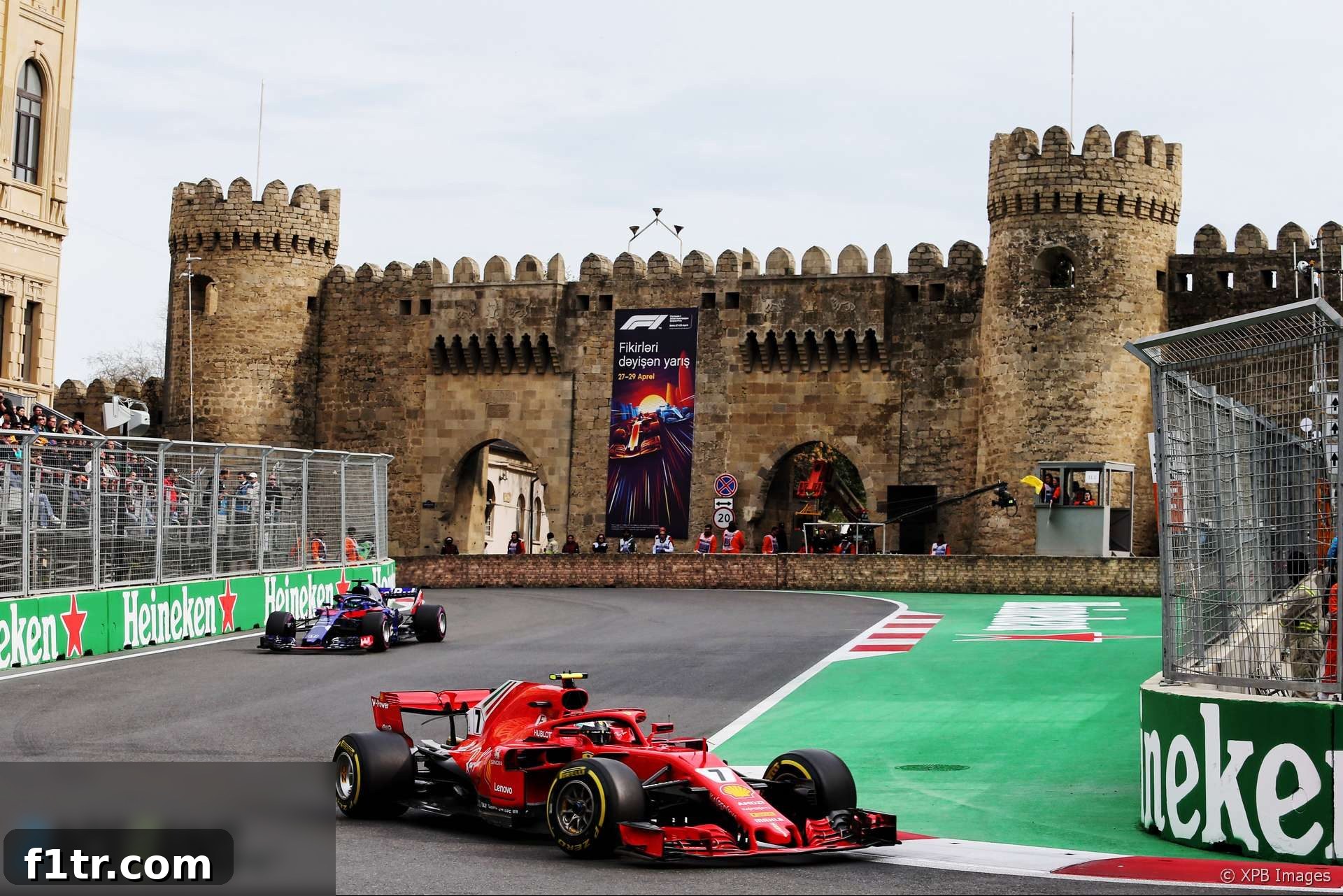
Baku, the newest street circuit to join the F1 calendar, serves as a compelling testament to this. While its inaugural race might have been a more processional affair, subsequent editions have delivered some of the most action-packed and memorable moments in recent F1 history. This transformation from a perceived snooze-fest to a highlight of the season has not gone unnoticed by aspiring race promoters.
Indeed, the proposed layouts for potential races in Miami and Copenhagen have visibly drawn inspiration from Baku’s design philosophy, particularly its characteristic long straights that encourage overtaking opportunities, interspersed with challenging technical sections. The goal is clearly to replicate Baku’s success in generating high-drama, action-packed races, proving that street circuits can be designed to deliver exceptional sporting entertainment.
Voices from the Paddock: Balancing Excitement and Purity
The enthusiasm for street circuits is echoed by key figures within the sport, including Mercedes’ Executive Director, Toto Wolff. Wolff is a strong advocate for the modern street circuit design, particularly praising the characteristics that promote intense racing. “If you look at Baku, how the circuit is laid out with the long straight, it provides spectacular racing,” he noted, highlighting how thoughtful design can overcome the perceived limitations of temporary tracks.
Paddy Lowe on Variety and Destination Races
Lowe further expanded on the need for diversity within the F1 calendar, advocating for a blend that caters to all types of fans. “Part of the interest of Formula One is a wide range of interest: fans that like those sort of glamorous events, fans that love the purity of a lap around Spa, and I think we can have it all.” This perspective is crucial, suggesting that the expansion into urban venues does not necessarily mean abandoning traditional tracks, but rather enriching the overall experience by offering varied challenges and atmospheres.
Toto Wolff and the Thrill of Modern Street Layouts
However, while embracing the thrill of urban racing, Lowe also introduced a crucial caveat, warning against the pitfalls of making every Grand Prix an unpredictable “lottery.” His appreciation for Baku is clear: “Baku has become a really brilliant addition to the calendar, turning in an exciting race every year with all sorts of incidents and variety.” Yet, he also stressed the importance of maintaining circuits where pure pace and driver skill are the decisive factors. “I don’t think you want that every time, you do want some circuits where there’s a straightforward race and the quickest car is definitely going to win. Because if every race was a lottery I think people would get a bit fed up.” This highlights the delicate balance required to maintain F1’s sporting integrity while also enhancing its entertainment value.
Navigating the Challenges of Urban Venues
Despite the undeniable benefits and widespread support, the proliferation of street circuits presents its own set of unique challenges. These extend beyond mere track design and touch upon logistics, community impact, and the long-term sustainability of such events.
Logistical Complexities and Infrastructure
Organizing a Formula 1 Grand Prix in a city environment is an undertaking of immense complexity. It requires the temporary transformation of public roads into a race track, complete with barriers, grandstands, pit facilities, and extensive safety infrastructure. This process involves significant disruption to city life, including road closures, traffic diversions, and noise concerns, often for weeks leading up to and following the event. The planning and execution demand close collaboration between F1 organizers, local authorities, and residents, often leading to detailed negotiations, as seen with the Copenhagen proposal’s paddock complex issue.
Balancing Design, Excitement, and Safety
Designing a street circuit that is both thrilling for drivers and safe for all participants and spectators is a fine art. The inherent lack of wide run-off areas in urban settings means that safety considerations are paramount, requiring innovative barrier systems and careful placement of spectator zones. While Baku has demonstrated that street circuits can indeed deliver spectacular racing, the constant evolution of safety standards means that each proposed urban track must undergo rigorous evaluation. Ensuring sufficient space for critical infrastructure, such as medical centers, media facilities, and team garages, within a confined urban footprint, adds another layer of complexity. Furthermore, the aesthetic impact of such extensive temporary constructions on historic cityscapes is often a point of public debate.
Case Studies: Successes and Aspirations
Baku: A Blueprint for Modern Street Racing
The Baku City Circuit stands as a shining example of a modern street circuit that has overcome initial skepticism to become a fan favorite. Its unique layout, featuring an incredibly long main straight followed by tight, historic sections winding through the Old City, provides a compelling mix of high-speed action and technical challenges. This design has consistently produced thrilling races, often punctuated by unexpected incidents and overtakes, proving that temporary urban tracks can deliver the kind of unpredictable drama that captivates audiences.
Miami and Copenhagen: The Road Ahead
The ongoing efforts to establish races in Miami and Copenhagen illustrate the continued ambition of Liberty Media. Miami, with its vibrant culture and strategic location, represents a crucial step in expanding F1’s presence in North America. The initial track proposals for Miami, much like Copenhagen’s, have been subjects of intense scrutiny and public debate, highlighting the intricate balance between economic opportunity, urban disruption, and community acceptance. While Copenhagen’s bid faced specific infrastructure challenges, the continued dialogue demonstrates the persistent global interest in hosting Formula 1 street races, each aspiring to replicate the unique blend of glamour and sporting excitement that defines the most successful urban Grands Prix.
The Evolving F1 Landscape: A Blend of Tradition and Innovation
In conclusion, the surge in street circuits on the Formula 1 calendar represents a deliberate and strategic evolution of the sport under Liberty Media’s stewardship. The goal is clear: to enhance F1’s global appeal, attract new demographics, and infuse the calendar with a dynamic blend of traditional racing purity and modern urban spectacle. While the logistical complexities and design challenges are considerable, the enthusiastic reception from teams and the proven success of circuits like Baku affirm the potential for these venues to enrich the F1 experience.
The future of Formula 1 promises a calendar that skillfully balances iconic permanent circuits with exhilarating street races, creating a diverse championship that offers something for every type of fan. This strategic diversification is not just about adding more races; it’s about reimagining how Formula 1 interacts with its audience and the world, cementing its status as a premier global sporting and entertainment phenomenon.
2018 F1 season
- F1 feared “death knell” for Drive to Survive after Ferrari and Mercedes snub
- McLaren staff told us we were “totally crazy” to take Honda engines in 2018 – Tost
- ‘It doesn’t matter if we start last’: How Red Bull’s junior team aided Honda’s leap forward
- Honda’s jet division helped F1 engineers solve power unit problem
- McLaren Racing losses rise after Honda split
Browse all 2018 F1 season articles