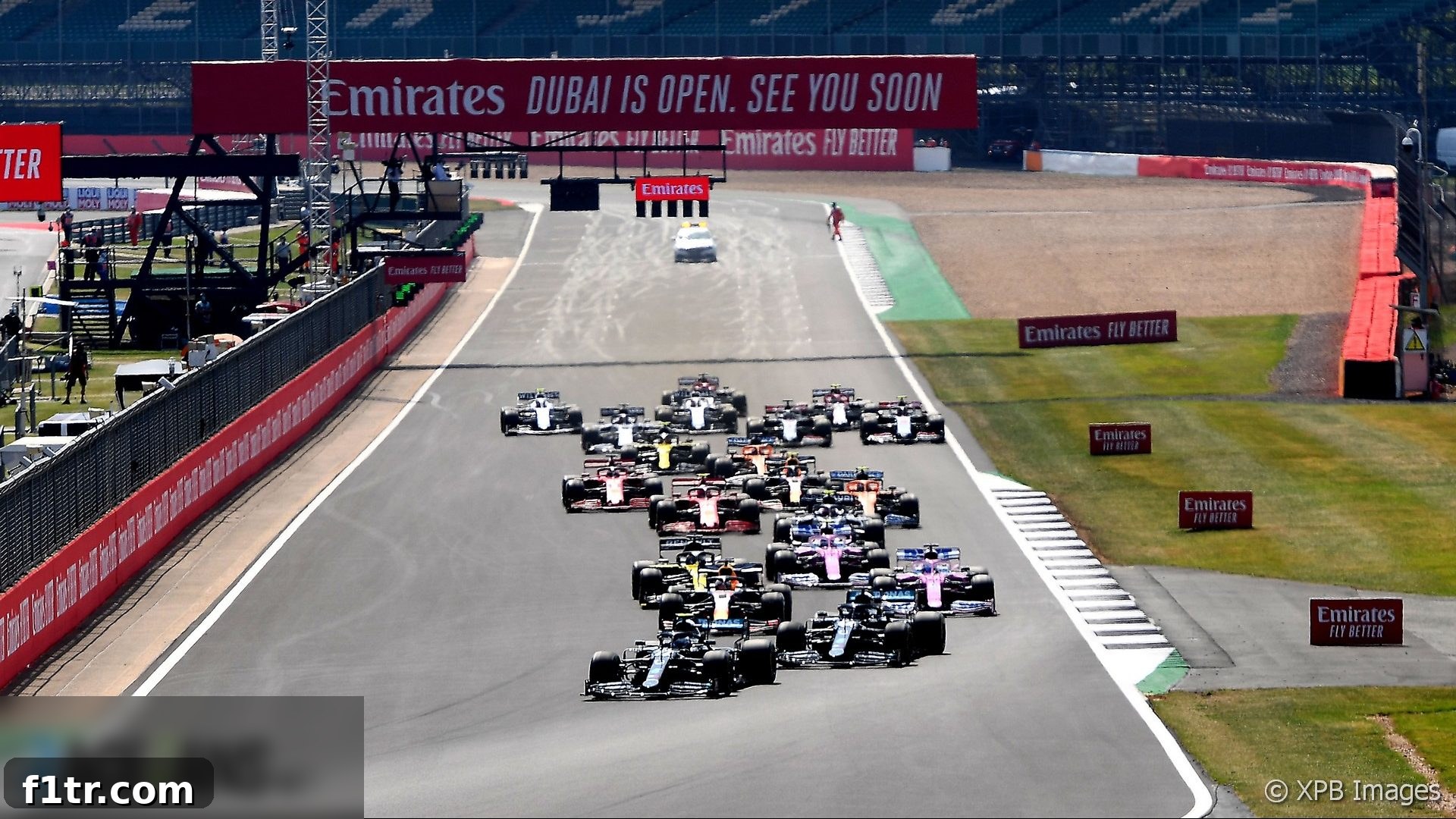
In a bold move signaling a significant shift in its established traditions, Formula 1 is poised to introduce its inaugural ‘Sprint’ race in less than a month. This innovative format, which generated considerable debate since its proposal was revealed, promises to inject a new dimension into Grand Prix weekends. The British Grand Prix will mark the first of three events this year where the starting grid for Sunday’s main race is determined not by a traditional qualifying session, but by a shorter, standalone race on Saturday. Officially designated as the ‘Sprint,’ this new competitive element will also award extra points, adding further incentive and strategic complexity for teams and drivers.
Formula 1 positions these three initial events as a trial, a comprehensive experiment to assess the format’s viability. Should it be deemed successful by all stakeholders, there is a strong possibility of its broader integration into future seasons. However, beneath the surface of sporting innovation lies a compelling financial rationale. The introduction of Sprint races presents an obvious commercial opportunity, making it difficult to envision this year’s three trials as anything other than the initial foray into a more expansive adoption.
The economic impetus behind this change was clearly articulated when Liberty Media, Formula 1’s commercial rights holder, announced its first-quarter earnings. The approval of the Sprint race format was prominently highlighted alongside other pivotal financial developments, such as the lucrative new Miami Grand Prix race deal and the renewal of a major sponsor contract. This transparent emphasis underscores that while the Sprint race format may enhance the sporting spectacle, its fundamental genesis is rooted in commercial growth and expanding the sport’s revenue streams, rather than purely sporting considerations.
The Genesis of Change: Redefining the F1 Weekend
The traditional Formula 1 Grand Prix weekend, with its three practice sessions, a multi-stage qualifying session, and the main race, has been a familiar structure for decades. The introduction of the Sprint format represents a radical departure from this established pattern. Understanding the revised weekend structure is crucial to grasping the full impact of this innovation:
- Friday: The weekend kicks off with a single Free Practice session (FP1), providing teams limited time for setup and data collection. Critically, this is immediately followed by the traditional knockout qualifying session. The results of this Friday qualifying will set the starting grid for Saturday’s Sprint race. This ensures competitive action from the very first day.
- Saturday: A second, shorter Free Practice session (FP2) precedes the main event of the day: the Sprint Race. This race is typically around 100 kilometers in length, designed to be a flat-out dash without mandatory pit stops or complex strategies. The finishing order of the Sprint Race then directly determines the starting grid for Sunday’s Grand Prix. Furthermore, championship points are awarded to the top finishers in the Sprint, adding a significant layer of competitive importance beyond just grid position.
- Sunday: The weekend culminates with the full-length Grand Prix. The grid for this crucial race, which carries the majority of championship points, is established by the outcome of Saturday’s Sprint. This new dynamic ensures that the pressure and excitement build progressively throughout the weekend, providing competitive elements on all three days.
This revised structure aims to create a more compelling product for broadcasters, offering “solid content” throughout the weekend, and for promoters, who can now advertise more exciting events on both Friday and Saturday. It also presents a fresh strategic puzzle for teams and drivers, who must now adapt their approach to optimize performance across three distinct competitive sessions.
Ross Brawn’s Vision: Feedback, Engagement, and Commercial Viability
Formula 1’s motorsport director, Ross Brawn, has been a key proponent and architect of the Sprint race concept. He outlined a meticulous approach to evaluating the success of the trial, emphasizing a commitment to gathering broad feedback from all corners of the F1 ecosystem. Brawn confirmed that the sport will actively consider input from race promoters, broadcasters, and, most importantly, the global fanbase when deliberating on the format’s future and its potential for more widespread adoption in 2022 and beyond.
“Certainly we’ve had a lot of promoters say they would like to have the Sprint as part of their package going forward,” Brawn stated, highlighting the enthusiasm from event organizers. He further explained that in the commercial landscape of modern motorsport, this desire can be leveraged to negotiate agreements where teams “share the benefits of a more complete weekend,” creating a mutually beneficial scenario for all parties involved.
To ensure a data-driven assessment, F1 has established an internal group dedicated to measuring various parameters. “We have our own internal group now that measure all the various parameters and do surveys of fans, avid fans, casual fans, all the different categories of fans,” Brawn elaborated. This comprehensive analysis extends to studying social media responses and a multitude of other feedback channels that are routinely monitored throughout a normal racing season. These insights provide valuable data on popular events, fan reactions to incidents, and overall engagement, all of which will be intensely scrutinized for the Sprint race trials to make an informed judgment.
Brawn acknowledged the inherent “novelty value” associated with the very first Sprint race at Silverstone in July. However, he stressed the importance of transcending initial curiosity to cultivate sustained engagement. “What we’ve got to do is make sure that engagement we get from the first event, we carry on and we build on the subsequent event,” he affirmed. This continuity requires substantial behind-the-scenes work to meticulously analyze the format’s efficacy and to construct a robust commercial model. Advertising the new format, covering additional costs for teams, and managing F1’s own expenditures are all factors that necessitate careful planning to ensure the entire endeavor ultimately yields a “net positive” outcome.
Team Support, Regulatory Frameworks, and Financial Incentives
The long-term success and widespread adoption of F1 Sprint races are intrinsically linked to securing the unwavering support of the ten Formula 1 teams. As Brawn confirmed, for the 2022 F1 season, “completely new agreements” will be necessary, and the format will have to navigate the same rigorous governance procedures that governed its introduction this year. This highlights the collaborative nature of F1 and the need for consensus among all stakeholders for any significant rule changes.
A significant factor in securing team buy-in for the 2021 trial was Formula 1’s agreement to provide compensation for any damage incurred during Sprint races. This addresses a primary concern for teams, as the increased competitive mileage inherently raises the risk of accidents and costly repairs. Brawn expressed optimism that in future seasons, teams would be willing to continue with the format even without direct compensation, provided the broader commercial benefits are sufficiently attractive. “The teams want to see where the commercial benefits come from this initiative,” he explained. “And this year Formula 1 has helped this move along because we think it’s important. Obviously, in the future, we want it to stand on its own two feet and I think with some certainty as early as possible for next year, we can find commercial benefits, sponsors, partners who want to be involved in the Sprint.” This vision points towards a self-sustaining model where the increased exposure and value generated by Sprint races directly translate into new revenue streams for the teams.
Strategic Deployment: Not Every Race, But Select Showcases
One crucial clarification from Ross Brawn is that Sprint races are not intended to be a universal fixture across every round of the Formula 1 World Championship. “We don’t see it as a format that will be at every race,” he explained. Instead, the strategy is one of selective deployment, where the format will be applied to specific events and venues where it can maximize impact and enhance the overall experience. This allows F1 to curate its calendar, pairing the Sprint format with races that are particularly suited to its characteristics, be it due to track layout, historical significance, or target audience.
The benefits of this selective approach are multi-faceted. Broadcasters are a key beneficiary, gaining “really solid content” spread across all three days of the race weekend. This provides extended programming opportunities and ensures that audiences have compelling reasons to tune in from Friday onwards. Promoters, too, stand to gain significantly, with more exciting competitive events taking place on both Friday and Saturday, potentially driving higher spectator attendance and engagement throughout the weekend. “So there’s lots of wins in this,” Brawn summarized, pointing to the comprehensive advantages across the F1 ecosystem.
The dynamic nature of a Sprint race weekend is also a key learning aspect. Teams will inevitably adapt their strategies as they gain experience with the new format. “The first event’s Silverstone, then we’re doing Monza,” Brawn noted. “I think as the teams get into it, it will change because once they’ve had the experience of Silverstone no doubt they’ll change their the way they operate for Monza.” This iterative learning process will be crucial in understanding how the format truly impacts race strategy, car setup, and driver approach. The third Sprint race of 2021 is anticipated to take place at either the Circuit of the Americas or Interlagos, further diversifying the track types and conditions under which the format is tested.
The Future Landscape: Expansion and the Fan Verdict
Assuming the 2021 trial is met with positive reception and deemed a success, Ross Brawn has already outlined an ambitious roadmap for the future. He envisions a scenario where the 2022 F1 season could feature a significantly increased number of Sprint races, potentially “half-a-dozen events” incorporating the format. This could even expand further in subsequent seasons, with the ideal number remaining a subject for ongoing discussion and debate, contingent on sustained positive feedback, commercial viability, and overall impact on the championship.
While Formula 1 management maintains high hopes for the Sprint qualifying format, the feedback from the loyal fanbase has, thus far, been markedly less positive. Many dedicated viewers express concerns about the potential dilution of the main Grand Prix, the introduction of what some perceive as a “gimmick,” or the prioritization of commercial interests over sporting integrity. The scheme is clearly aimed at attracting new fans, broadening F1’s appeal to a younger, more diverse audience, ideally without alienating its existing, passionate viewership. The coming weeks, beginning with the highly anticipated event at Silverstone, will provide the first tangible insights into whether Formula 1 can successfully navigate this delicate balancing act and usher in a new, exciting era of Grand Prix racing that satisfies both commercial objectives and the discerning demands of its global audience.
Explore More from the 2021 F1 Season
- Masi ‘basically gifted the championship’ to Verstappen says 2021 FIA steward Sullivan
- Las Vegas race backers looking to extend F1 deal beyond 2025
- Why Mercedes put ‘a reminder of joy and pain’ on display in their factory lobby
- Verdict on error in GT race suggests Mercedes would have lost 2021 Abu Dhabi GP appeal
- Title ‘stolen’ from Mercedes made us ‘underdogs people cheer for’ – Wolff
Browse all 2021 F1 season articles