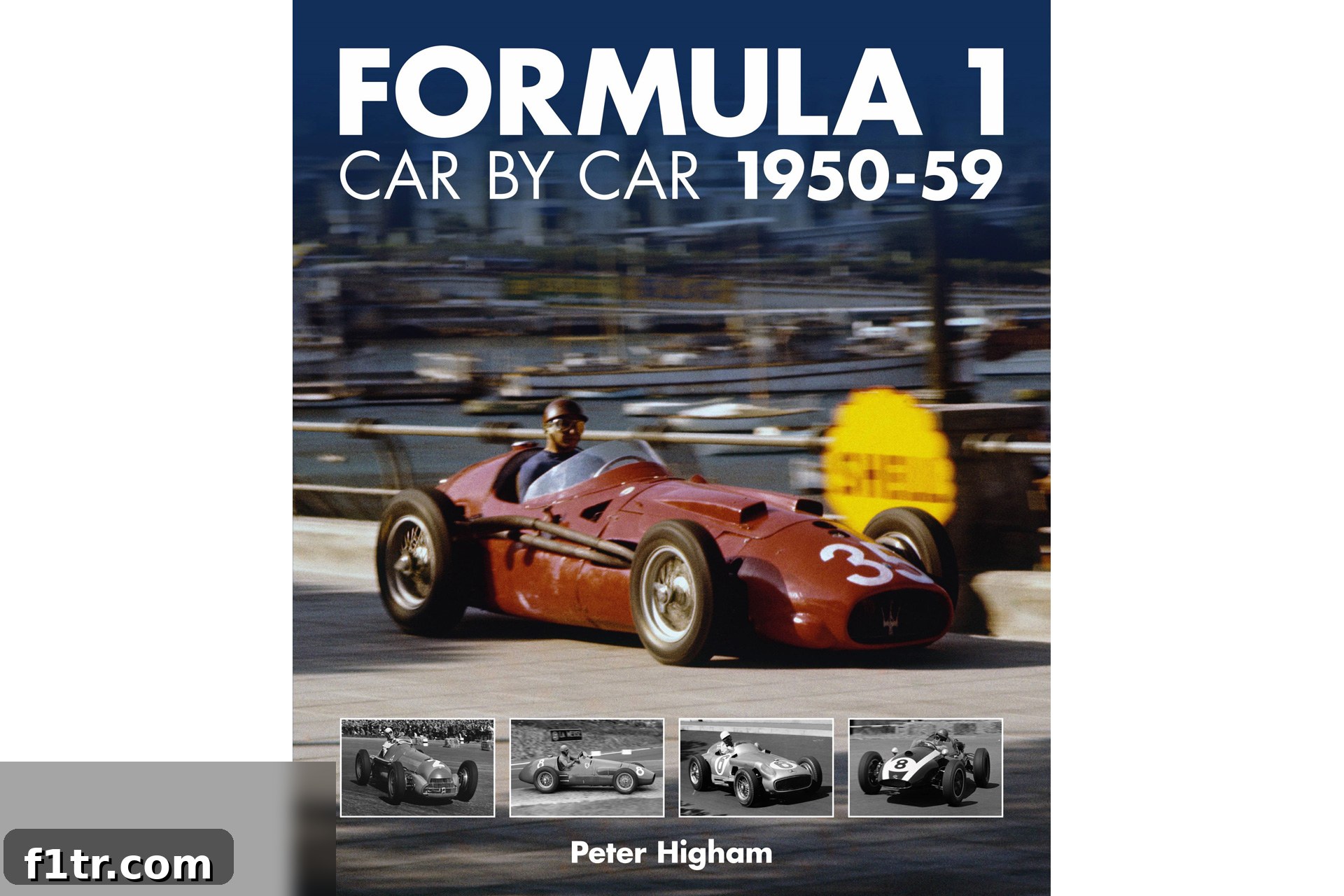
For aficionados and dedicated students of Formula 1 car design and history, Peter Higham’s critically acclaimed “Car-by-Car” series has cemented its place as an indispensable and definitive reference work. Following the resounding success of his meticulously researched volumes detailing the iconic racing machines of the sixties, seventies, and eighties, Higham now expertly shifts his profound scholarly gaze to the very genesis of the Formula 1 World Championship. This latest installment, “Formula 1 Car-by-Car 1950-59,” delves into a foundational decade, offering an unparalleled journey through the formative years of the sport and the remarkable engineering feats that defined its dawn.
The 1950s represented a fascinating, yet inherently challenging, period to document comprehensively. Unlike the highly structured and globally synchronized championship we recognize today, the early iterations of the World Championship were characterized by a fluid, often idiosyncratic, structure. This less rigid framework presented unique methodological questions and intricate challenges for Higham’s meticulous car-by-car approach. Foremost among these quandaries was the critical decision of which machines to include: Should a definitive book on Formula 1 cars feature the Formula 2 machines that notably contested the 1952-53 championships, effectively serving as the premier class due to a temporary lack of suitable F1 regulations? And what of the legendary cars that competed in every Indianapolis 500 throughout this decade – events which, despite not being genuine F1 races, were controversially points-scoring rounds for the nascent world championship?
Advert | Become a Supporter & go ad-free
Higham, with his customary sagacity, navigates these complexities with a sensible and pragmatic balance. He commendably includes the Formula 2 cars, recognizing their pivotal role in championship history during those specific seasons. However, he judiciously opts against a comprehensive inclusion of the IndyCars, a decision that, while largely logical given the book’s F1 focus, inevitably means a fascinating historical footnote is largely overlooked. This refers specifically to Ferrari’s audacious appearance with the iconic Alberto Ascari at the Indianapolis 500 in 1952. This singular event was not merely a captivating instance of two distinct motorsport worlds dramatically colliding, but it also resonates profoundly as a remarkably topical subject today, given Ferrari’s recent and well-publicized expressions of interest in once again competing Stateside, whether in IndyCar or other prestigious North American racing series. Higham’s choice, however, keeps the book’s narrative tightly focused on the European Grand Prix scene, which truly forged the identity of Formula 1.
Despite these carefully considered exclusions, Higham has more than enough on his hands. The sheer scope of this period demanded an extraordinary effort in tracing the myriad machines, the often-obscure private entries, and the constantly evolving car-driver-team combinations that surfaced and vanished throughout the 1950s. The challenge of assembling so many high-quality, illustrative pictures of the diverse vehicles, often driven by a revolving cast of drivers for various independent teams, is in itself no mean feat. This book stands as a testament to diligent archival research and an unwavering commitment to visual accuracy, offering readers a visual feast that complements the rich historical narrative.
One might initially fear that a historical compendium of this nature, essentially amounting to a detailed chronicle of which teams participated in each season, coupled with technical descriptions of their cars, could devolve into a tediously dry and purely academic proposition. However, Higham masterfully sidesteps this pitfall. The accompanying text is far from a mere list of specifications; it is richly crammed with revealing details, captivating anecdotes, and colourful touches that breathe life into the historical narrative. Readers will discover insights into the engineering philosophies of the era, the financial struggles of nascent teams, the eccentricities of pioneering designers, and the raw courage of the drivers. At times, the focus might appear to drift more towards the actual races the cars contested rather than exclusively on the vehicles themselves. This narrative choice, however, is likely a conscious and necessary one, perhaps born from the inherent challenge of unearthing truly comprehensive technical information about some of the more ephemeral or obscure machines of the decade. Rather than a detraction, this broader contextualization enriches the understanding of how these cars performed, evolved, and ultimately contributed to the unfolding drama of the early World Championship seasons.
Consistent with the esteemed reputation of the entire “Car-by-Car” series, this latest volume exudes the quintessential feel of a premium ‘coffee table’ book. It proudly showcases a wealth of museum-quality images, meticulously sourced and reproduced, which provide robust visual backing to the compelling narrative. Yet, it transcends the purely aesthetic, delivering a genuinely satisfying and intellectually engaging read – a rare accolade indeed for titles of this specialized genre, which often prioritize illustration over substantive prose. Higham strikes an exquisite balance, ensuring that the book is both a visual spectacle and an invaluable resource for anyone seeking a deeper understanding of Formula 1’s formative years. For a taste of its captivating content, readers shouldn’t miss the compelling extract from the first chapter, which was thoughtfully published here last month, offering a fascinating glimpse into the birth of the F1 World Championship seven decades ago.
The F1 World Championship of the fifties was fundamentally different from the highly organized and tightly regulated series we are familiar with today. It was more akin to a disparate collection of individual races, each with its unique flavor and set of entrants, rather than a well-defined, cohesive global series. Teams frequently came and went, often operating on shoestring budgets. Cars themselves were often repurposed, changing hands between privateers or small racing stables, sometimes even being modified mid-season. The relentless march of time, spanning up to seven decades since these events unfolded, must have transformed the task of meticulously tracing who drove what, for which team, and precisely when, into a dauntingly complex and labyrinthine undertaking. The historical record is often fragmented, primary sources scarce, and memories fade. Yet, the author, Peter Higham, has executed a first-rate, almost forensic, job of the extensive research. He has then masterfully presented this wealth of intricate data and compelling stories in the highly readable, engaging, and authoritative fashion we have come to consistently expect from this distinguished series. His ability to synthesize complex information into an accessible narrative is truly commendable.
This period, often overshadowed by later, more commercially driven eras, laid the crucial groundwork for everything that Formula 1 would become. It was an era of raw innovation, heroic drivers like Juan Manuel Fangio and Alberto Ascari, and legendary marques such as Ferrari, Maserati, Mercedes-Benz, and Vanwall beginning to etch their names into motorsport folklore. The car designs, while rudimentary by modern standards, showcased incredible ingenuity and courage. This book not only chronicles the machines but, by extension, tells the story of how the very DNA of Formula 1 was forged. It’s a vital contribution to motorsport literature, bridging the gap between historical fragments and a coherent, compelling narrative.
RaceFans Supporters can unlock exclusive benefits, including a generous 40% saving on this essential motorsport book and a wide array of other captivating titles from the esteemed Evro Publishing. This is an unparalleled opportunity for dedicated fans to expand their library of motorsport history and analysis.
Click here for comprehensive details on how to obtain this exclusive discount and join the RaceFans Supporter community.
RaceFans Rating: An Essential Addition to Any F1 Library
While a specific star rating is not explicitly provided, the comprehensive nature, meticulous research, engaging narrative, and stunning visual presentation described herein strongly suggest that “Formula 1 Car-by-Car 1950-59” undoubtedly merits a top recommendation for any Formula 1 enthusiast or serious motorsport historian. It sets a new benchmark for historical depth and accessibility.
Delve deeper into the world of motorsport literature by exploring all the insightful RaceFans book reviews, offering expert opinions on a diverse range of F1 and racing publications.
Formula 1 Car-by-Car 1950-59: Book Details
Author: Peter Higham
Publisher: Evro Publishing
Published: 2020
Pages: 304
Price: £50.00
ISBN: 9781910505441
Further Motorsport Book Reviews
Explore more in-depth analyses of the latest and greatest motorsport publications from our extensive collection of reviews:
- Controversies, Norris, Newey and more: Five new motorsport books reviewed
- Next new F1 game to arrive in 2027, EA to offer 2026 season as paid DLC
- “F1 Insider: Notes from the Pit Lane” – Ted Kravitz’s new F1 book reviewed
- “Rennsport”: The RaceFans review
- “Grid to Glory: 75 Milestone F1 Moments” – Alex Jacques’ new book reviewed
Browse all Reviews for a complete overview of F1 and motorsport literature.
Advert | Become a RaceFans supporter andgo ad-free