Advert | Become a Supporter & go ad-free
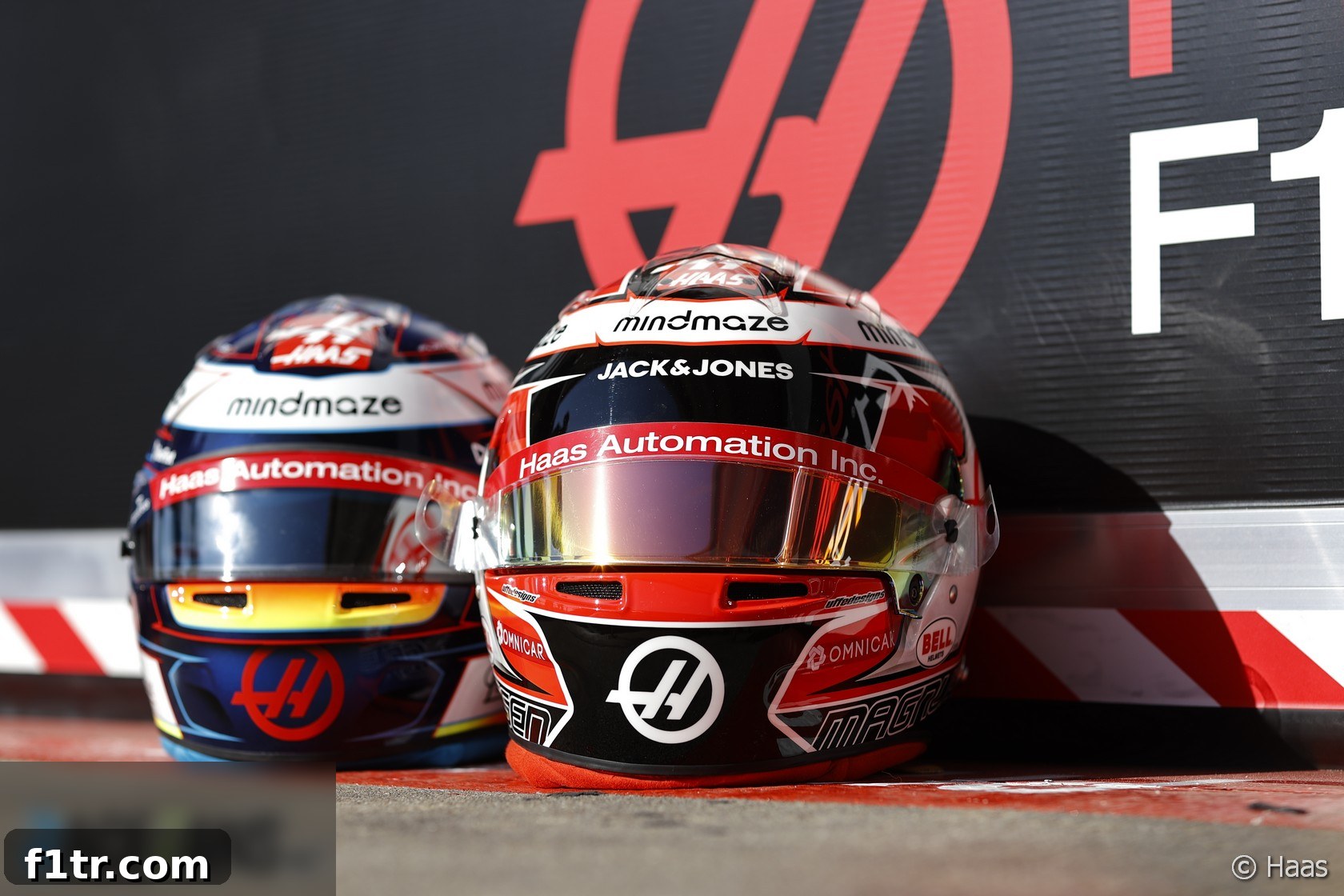
FIA Reverses Controversial Helmet Design Ban, Ushering in New Era of Driver Expression
In a significant development for Formula 1 fans and drivers alike, the Fédération Internationale de l’Automobile (FIA) has officially lifted the long-standing ban on frequent helmet design changes. This move, effective for the 2020 season, comes five years after the controversial regulation was first introduced, bringing an end to a rule that often stifled driver creativity and personal branding within the sport.
The original ban, implemented in 2015, restricted drivers to a single primary helmet design throughout an entire season, allowing for only one minor alteration or special livery. The FIA’s stated rationale behind this rule was to enhance driver identification, particularly for spectators following the action at high speeds on track and through television broadcasts. However, this objective was widely perceived as a misstep, leading to considerable dissatisfaction among the sport’s biggest stars and a large segment of its global fanbase.
The Unpopular Ban: A History of Criticism and Calls for Change
From its inception, the helmet design ban proved deeply unpopular. Many argued that it stripped drivers of a crucial avenue for personal expression and connection with their fans. Helmets in motorsport are more than just protective gear; they are iconic canvases, often adorned with unique colours, symbols, and personal tributes that become synonymous with a driver’s identity and legacy. Legendary figures like Ayrton Senna, Michael Schumacher, and Niki Lauda are instantly recognizable by their distinct helmet designs, a tradition the 2015 rule inadvertently undermined.
The discontent reached a peak in recent seasons, with several prominent incidents highlighting the rule’s impracticality and unpopularity. One notable case involved Daniil Kvyat, who was unfortunately prevented from showcasing a special helmet design tailored for his home Grand Prix. Such restrictions were seen as arbitrary and disconnected from the spirit of Formula 1, which thrives on individual heroism and captivating narratives.
The frustration was echoed by multiple world champions and fan favorites. Lewis Hamilton, a driver renowned for his dynamic style and personal branding, openly criticized the regulation. Last year, he took to social media, polling his vast following with a direct question: “how many of you think it’s bs [bullshit] that the FIA only allow the drivers one helmet design change in the year[?]” The overwhelming response confirmed the widespread disapproval of the rule. Fellow champions Sebastian Vettel and Max Verstappen also voiced their strong opposition, emphasizing that driver identification was never a genuine issue for avid followers of the sport.
The collective pressure from drivers, teams, and fans, coupled with the FIA’s own re-evaluation, ultimately led to the World Motor Sport Council’s decision to rescind the ban. This decision, announced following a recent meeting, represents a victory for creative freedom and acknowledges the valuable role driver personality plays in enhancing Formula 1’s appeal.
What the Lifted Ban Means for F1 Drivers and Fans
The removal of the helmet design restriction opens up a new world of possibilities for Formula 1 drivers. They will now be free to change their helmet liveries as frequently as they wish, potentially introducing unique designs for specific races, special events, or to celebrate significant milestones. This freedom is expected to bring several positive outcomes:
- Enhanced Personal Branding: Drivers can further cultivate their individual identities, making them more relatable and memorable to fans. This is crucial in an era where personal branding extends far beyond the racetrack.
- Increased Fan Engagement: Special helmet designs often generate significant buzz and social media interaction, allowing fans to connect with their favourite drivers on a more personal level.
- Marketing Opportunities: Teams and sponsors can leverage unique helmet designs for specific marketing campaigns, adding another layer of visual interest to their partnerships.
- Tributes and Commemorations: Drivers can honour heroes, celebrate national holidays, or pay tribute to local cultures with bespoke helmet artwork, adding depth and meaning to their race weekends.
- Artistic Expression: For many drivers, their helmet is a canvas. Allowing more changes encourages artistic expression and can lead to stunning, memorable designs that become part of F1 folklore.
This policy shift reflects a growing understanding within the FIA and Formula 1 management that driver personality and visual flair are integral components of the sport’s entertainment value. It allows F1 to embrace its colourful past while moving forward with a more flexible and fan-centric approach.
Additional Key Rule Changes Confirmed for the 2020 Season
Beyond the highly anticipated helmet rule reversal, the World Motor Sport Council also confirmed two other significant rule adjustments impacting the 2020 season and future development, further showcasing the sport’s continuous evolution in technical regulations.
Increased Minimum Car Weight
For the 2020 season, the minimum weight of Formula 1 cars has been increased by 1 kilogram, rising from 745kg to 746kg. This seemingly minor adjustment carries significant implications for teams, particularly in a sport where every gram is meticulously managed. The increase is directly attributed to the mandated addition of a second fuel flow sensor to the power units.
The primary purpose of fuel flow sensors is to accurately monitor and regulate the amount of fuel delivered to the engine, ensuring compliance with strict fuel consumption limits (currently 100kg/hour). Introducing a second sensor is a measure to enhance precision and bolster the FIA’s oversight, potentially reducing ambiguities or opportunities for teams to gain an unfair advantage through sophisticated fuel management strategies. While greater accuracy is beneficial for fair competition, the additional weight presents a fresh challenge for engineers who are constantly striving to reduce mass wherever possible. Teams will need to find areas to shave off weight to compensate for the sensor, or absorb the penalty, which could subtly impact car balance and performance.
Approval for 18-Inch Wheel Testing in 2021
Looking ahead to the radical changes planned for the 2021 season, the WMSC also gave its official approval for the testing of Formula 1’s new 18-inch wheels. This crucial testing phase is scheduled to take place at this year’s post-season test at Yas Marina Circuit in Abu Dhabi.
The transition from the traditional 13-inch wheels to larger 18-inch wheels is one of the most significant visual and technical shifts in recent F1 history. This change is driven by multiple factors: to enhance the aesthetic appeal of the cars, bringing them closer to modern road car relevance; and crucially, to alter the aerodynamic and mechanical characteristics of the tyres. Low-profile tyres, as they are often referred to, are expected to behave differently, potentially leading to new challenges for tyre manufacturer Pirelli in terms of grip, degradation, and overall performance characteristics. For teams, adapting to 18-inch wheels will require substantial redesigns of their suspension systems, brakes, and aerodynamic components, as the larger wheel size affects everything from airflow around the wheel to vehicle dynamics. The upcoming tests will utilize “mule cars” – modified versions of current or previous year’s chassis – to gather vital data and inform the development process for the fully redesigned 2021 cars. This early testing is critical to ensure a smooth transition and to avoid unforeseen performance or reliability issues when the new regulations fully come into effect.
The FIA’s Evolving Role in Formula 1
These recent regulatory announcements underscore the FIA’s continuous and complex role in shaping the future of Formula 1. The governing body is tasked with balancing a multitude of factors: ensuring safety, promoting fair competition, controlling costs, enhancing environmental sustainability, and critically, maintaining and increasing the sport’s entertainment value for a global audience. The decision to lift the helmet ban demonstrates a willingness to listen to feedback from within the F1 community and adapt rules that are no longer serving the sport’s best interests.
Similarly, the technical changes concerning car weight and wheel dimensions reflect the ongoing pursuit of innovation and relevance, preparing Formula 1 for future challenges and ensuring its position at the pinnacle of motorsport. Each rule change, whether minor or revolutionary, contributes to the intricate tapestry of regulations that define the pinnacle of motorsport, influencing car design, race strategy, and ultimately, the spectacle witnessed by millions worldwide.
Don’t miss anything new from RaceFans
Follow RaceFans on social media:
- Join RaceFans on Facebook
- Follow RaceFans on Twitter
- Get daily email updates from RaceFans
Advert | Become a RaceFans supporter andgo ad-free
2020 F1 Season: Related Articles
- Grosjean to make F1 test return tomorrow for first time since Bahrain horror crash
- Pictures: Wrecked chassis from Grosjean’s Bahrain fireball crash to go on display
- Bottas vs Rosberg: Hamilton’s Mercedes team mates compared after 78 races each
- F1 revenues fell by $877 million in Covid-struck 2020 season
- Hamilton and Mercedes finally announce new deal for 2021 season
Browse all 2020 F1 season articles