Formula 1’s Commitment to Fans: A Sim Racing Story of Disappointment and Resolution
Formula 1, the pinnacle of motorsport, found itself in the spotlight recently after a 15-year-old fan was unexpectedly dropped from one of its official online sim racing events. This incident, while initially causing disappointment, ultimately underscored the series’ dedication to fan engagement and its efforts to navigate the rapidly evolving landscape of F1 esports and virtual racing.
Advert | Become a Supporter & go ad-free
A Fan’s Journey: From Excitement to Disappointment
Yashish Manohar, a passionate Formula 1 enthusiast, shared his profound disappointment in a heartfelt post on social media. He described spending countless hours meticulously preparing for Sunday’s “Challenge Williams” event, only to be “kicked out” of the race lobby just moments before the virtual green light. His excitement quickly turned into frustration and sadness, an experience many avid fans would empathize with.
Manohar recounted the bewildering situation, stating, “Eventually, I was given the reason from the broadcasters that they had to make space for a Formula 1 or Formula 2 driver, and my name came up randomly.” This explanation, while clarifying the reason, did little to soothe the sting of being sidelined after significant personal investment in preparation.
The Rise of F1 Esports and Virtual Racing
The past few years, particularly amidst global challenges, have seen an unprecedented surge in the popularity of esports and virtual racing. Formula 1 has been at the forefront of this digital revolution, establishing its official series of virtual events, including the highly popular Virtual Grand Prix series and the more exclusive Challenge events.
These virtual races serve multiple critical purposes. Firstly, they provide a compelling alternative for motorsport enthusiasts when traditional racing schedules are disrupted. Secondly, they offer a unique platform for current F1 drivers, legends, and celebrities to engage with fans in a more interactive and accessible format. Perhaps most importantly, they democratize the racing experience, allowing skilled sim racers, like Yashish, to compete on a global stage, often alongside their real-world heroes.
The “Challenge Williams” event, in which Manohar was slated to compete, is a prime example of F1’s innovative approach. These events are specifically designed to bridge the gap between professional drivers and the passionate sim racing community, providing an unparalleled opportunity for fans to test their skills against the best.
Understanding the “Misunderstanding”: F1’s Perspective
Following Manohar’s public expression of disappointment, an F1 spokesperson addressed the situation, attributing it to a “misunderstanding” regarding the fan’s participation. They elaborated on the logistical complexities involved in organizing such large-scale online events, especially when integrating professional athletes with amateur competitors.
“For the final event, we invited the Williams drivers to race against a grid of F1 fans. We build out a shortlist of fans to take part – they need to post their Steam details on social media,” the spokesperson explained. This initial selection process aims to identify enthusiastic and capable sim racers from the vast global F1 fanbase. However, the spokesperson also shed light on a common practice in event management: “We have to oversubscribe the list to account for drop-outs to ensure we have enough people for a full race, and unfortunately this weekend this driver didn’t make the final grid for the race despite having been in the lobby ahead of the race. However, we are trying to minimise the number of drivers that join the lobby moving forward.”
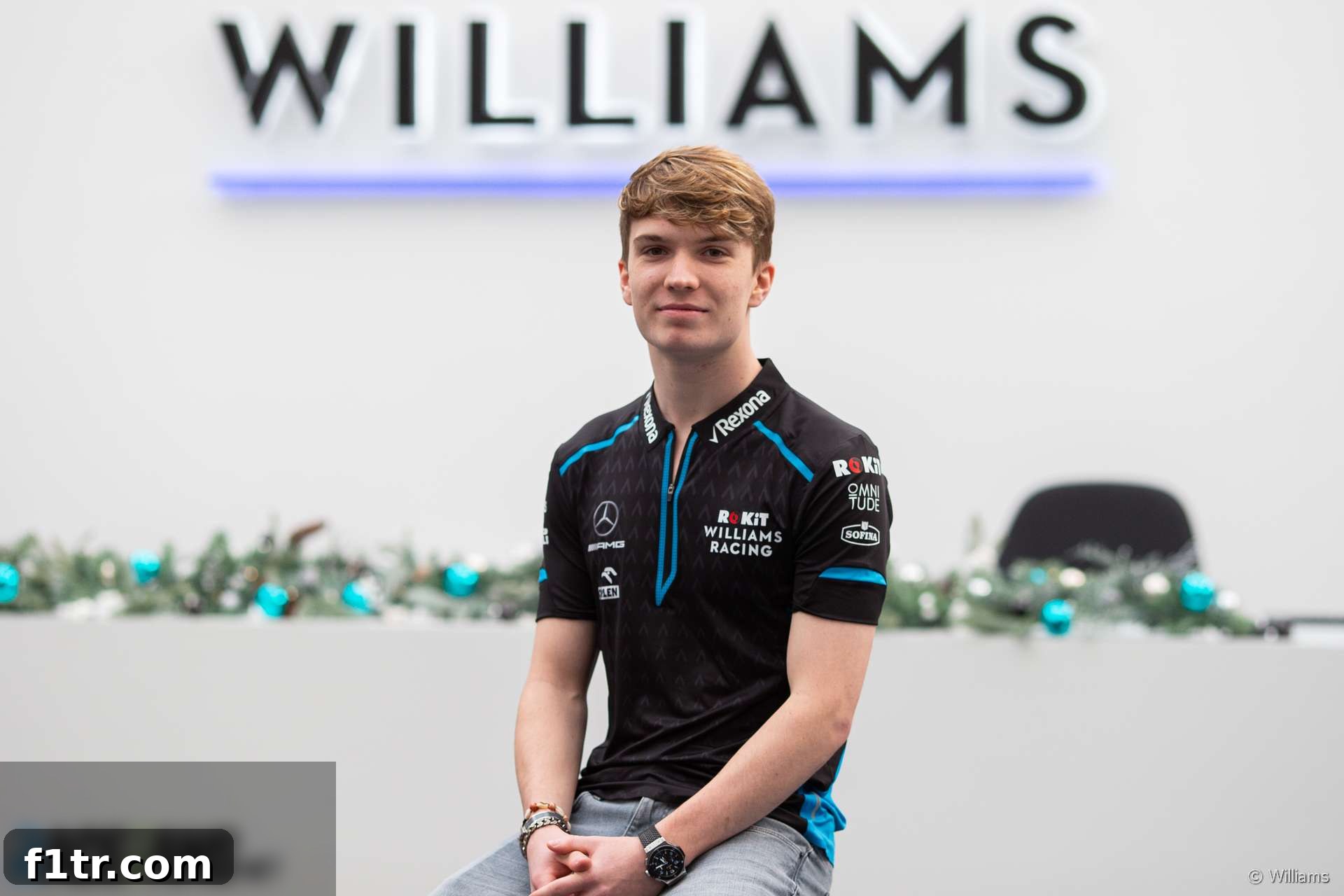
In this particular instance, the need to accommodate Williams’ development driver, Dan Ticktum, who was participating alongside regular race drivers George Russell and Nicholas Latifi, as well as reserve driver Jack Aitken, necessitated last-minute roster changes. Ticktum ultimately took the spot that Manohar had anticipated filling. While understandable from an organizational standpoint, the lack of immediate communication made the experience particularly frustrating for the young fan.
F1’s Goodwill Gesture: A Swift Resolution
Recognizing the negative impact of the incident on a dedicated fan, Formula 1 and the Williams team acted swiftly to rectify the situation. The F1 spokesperson confirmed, “Both F1 and Williams have followed up with the driver in question to guarantee him a spot in the next Challenge event as a goodwill gesture after his disappointment not making the grid.”
This proactive resolution highlights Formula 1’s commitment to its fanbase. In an era where digital communities hold immense power and influence, acknowledging and addressing fan grievances directly and positively is crucial for maintaining brand loyalty and a positive public image. Ensuring Manohar a guaranteed place in a future event not only compensates for the initial disappointment but also reinforces the message that every fan’s passion is valued.
The Race Unfolds: Unexpected Drama and Fan Victory
Despite the pre-race drama, the “Challenge Williams” event proceeded, delivering its own share of excitement. Fan David Zamora emerged victorious after a thrilling race that saw unexpected collisions. Notably, the two Williams race drivers, George Russell and Nicholas Latifi, collided at the final corner, opening the door for Zamora to claim the top spot. Dan Ticktum, who replaced Manohar, retired after just five laps, showcasing the unpredictable nature of even virtual motorsport.
Zamora’s win served as a powerful testament to the talent within the F1 sim racing community, proving that passionate fans can indeed compete and triumph against professional drivers when given the opportunity. It encapsulated the spirit of these fan-centric events, celebrating skill and passion from all participants, regardless of their professional status.
The Future of F1’s Virtual Grand Prix Series
The incident with Yashish Manohar and the subsequent resolution occurred as the Formula 1 Virtual Grand Prix series was gearing up for its next highly anticipated event. The series was due to resume on Sunday, coinciding with when the Dutch Grand Prix would have been held. However, because Zandvoort, the traditional Dutch GP venue, is not featured in the 2019 edition of the official Formula 1 game (which forms the basis for these virtual races), a poll was conducted among fans to decide the alternative circuit. This democratic approach further exemplifies F1’s desire to involve its community in key decisions.
The poll results overwhelmingly favored the iconic Brazilian Grand Prix venue, Interlagos, a track renowned for its dramatic races and challenging layout. This selection promises another thrilling spectacle for fans and competitors alike, showcasing F1’s adaptability and commitment to delivering engaging content even in virtual formats. The continued success of the Virtual Grand Prix series solidifies its position as a vital component of F1’s global outreach strategy, expanding its appeal beyond traditional race weekends.
The Broader Impact: Fan Engagement in Modern Sports
This particular incident, while specific to Formula 1 and its virtual racing program, offers valuable insights into the broader landscape of modern sports and fan engagement. In an increasingly digital world, sports organizations are continually seeking innovative ways to connect with their audiences. Esports and interactive online events represent a powerful tool for achieving this, fostering deeper connections and creating new avenues for participation.
However, the story of Yashish Manohar also serves as a crucial reminder of the importance of clear communication and robust logistical planning. When fans invest their time, effort, and passion into these events, transparency and fairness become paramount. Formula 1’s quick response to guarantee Manohar a future spot demonstrates a mature understanding of its responsibility to its community, showcasing a commitment to nurturing its young talent and passionate supporters.
The convergence of real-world motorsport with virtual racing is not just a passing trend; it’s a fundamental shift in how sports are consumed and participated in. As F1 continues to develop its virtual offerings, striking the right balance between professional requirements and fan aspirations will be key to its sustained success in the digital realm.
Conclusion: Learning and Evolving in the Digital Age
The story of Yashish Manohar’s temporary setback and Formula 1’s subsequent positive intervention is a microcosm of the challenges and opportunities presented by modern sports entertainment. It highlights the complexities of integrating professional talent with enthusiastic amateurs in high-profile digital events. More importantly, it demonstrates Formula 1’s evolving commitment to its global fanbase, affirming that even minor missteps can be transformed into opportunities for stronger community building and enhanced fan experiences.
As the Virtual Grand Prix series continues to captivate audiences and the “Challenge” events offer unique interactive opportunities, F1 is clearly dedicated to making its digital motorsport initiatives as inclusive and rewarding as possible. This incident, therefore, stands not as a failure, but as a valuable lesson learned, paving the way for even more refined and fan-centric virtual racing programs in the future.
Advert | Become a RaceFans supporter andgo ad-free
Gaming
- Latest F1 2023 Game Review
- Top Tips for F1 Sim Racing
- History of F1 Video Games
Browse all Gaming articles