The murmurs surrounding the 2023 Formula 1 calendar have grown into a resounding chorus of concern, particularly regarding the potential exclusion of the legendary Belgian Grand Prix. While an official confirmation from Formula 1 management is still pending, many drivers, prominent figures within the sport, and legions of fans have already voiced their profound disappointment over the widely anticipated loss of the iconic Spa-Francorchamps circuit.
This year’s Belgian Grand Prix, scheduled to take place at Spa-Francorchamps immediately following F1’s traditional summer break, carries an unprecedented weight of significance. It is not merely another race on the calendar; it stands as a potential farewell to a venue steeped in motorsport history. The excitement building for this event, especially after the controversial one-lap washout of the 2021 edition, is now interwoven with a palpable sense of apprehension. Will this be the last time Formula 1 cars thunder through the Ardennes forest for the foreseeable future? The answer to that question may well be known before the weekend’s chequered flag falls.
Among the most vocal proponents for Spa’s retention is McLaren driver Lando Norris. With a strong personal connection to Belgium through his mother’s heritage, Norris’s sentiment is deeply rooted. When presented with the choice between keeping the Belgian Grand Prix at Spa or the French Grand Prix at Paul Ricard on the 2023 calendar, his decision was instantaneous and unequivocal.
“Spa, easy,” Norris declared without hesitation. He elaborated on his connection, stating, “My mum’s from Belgium, so I’m 50% Flemish. It’s as much a home race for me as it is Silverstone, in a way.” This profound personal bond highlights the emotional pull many drivers feel towards particular circuits, transcending mere professional obligation. “I personally have a lot more connections to it, of course, and I love the track and so on. I grew up a lot of the time, or I grew up for many years, going to Belgium and spending a lot of time there with my family.” For Norris, Spa is not just a track; it’s a part of his identity and formative years.
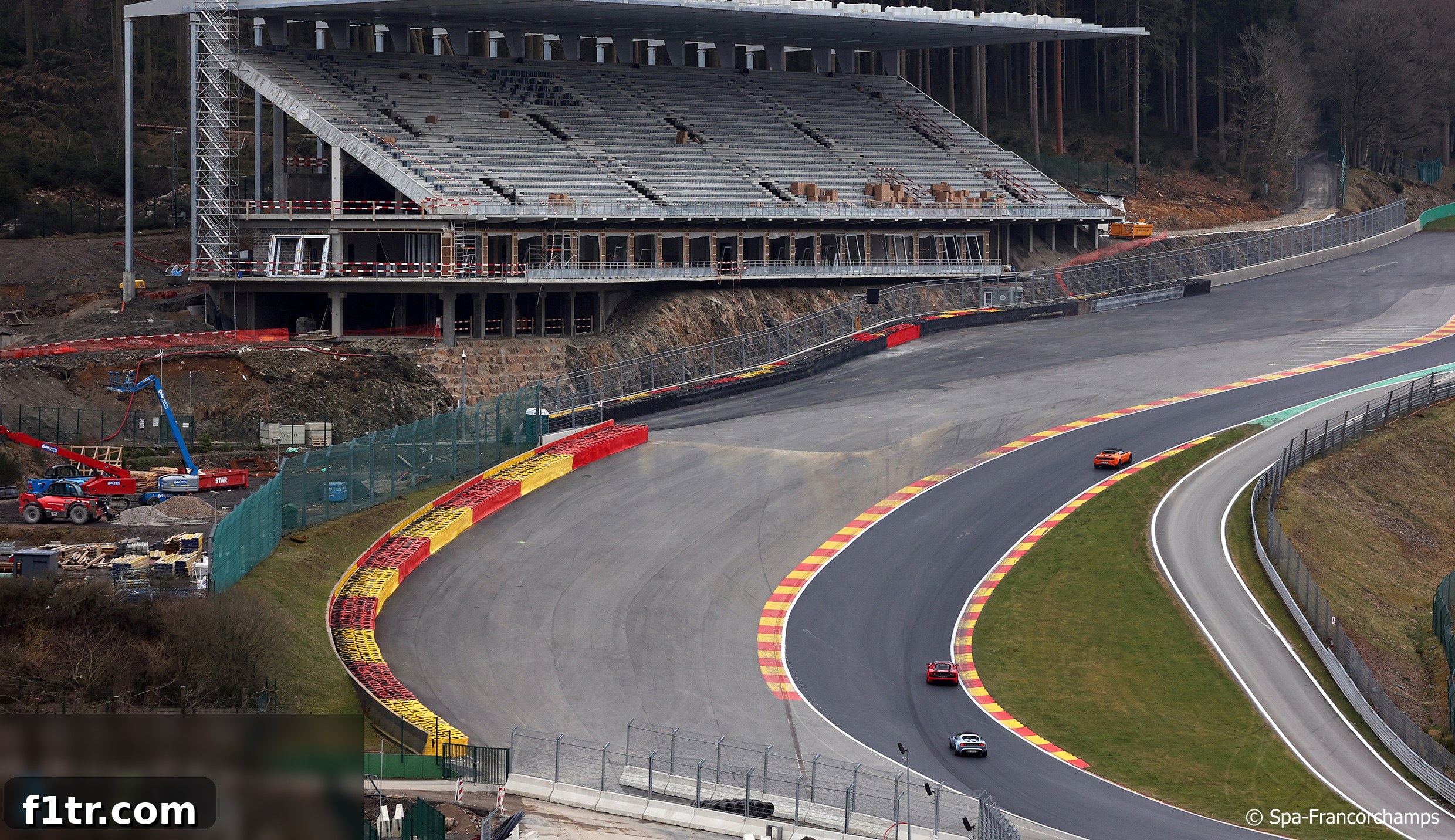
The sprawling seven-kilometre circuit, renowned for its challenging layout and breathtaking elevation changes, has recently undergone extensive safety enhancements. These crucial works were undertaken in response to multiple serious and tragic accidents that have occurred at the venue over the years, particularly at the infamously fast and demanding Eau Rouge and Raidillon complex. Iconic sections, including the apex of Raidillon, have been reprofiled, and gravel traps, a classic feature of older circuits, have been strategically reintroduced at various points around the track. Norris expressed genuine excitement about the prospect of racing on the revitalized circuit.
“Some changes, some bits have been resurfaced and so on,” he noted. “Nice, new grandstand on Raidillon. I always look forward to Spa; it’s one of the coolest circuits of the whole season.” Despite his anticipation for the upcoming race, Norris couldn’t hide his sadness regarding its precarious future. “I’ll be sad [to lose Spa],” he admitted. “A lot of things are just about money nowadays, which is the issue. It’s a business.” This candid assessment from Norris underscores a pervasive concern within the F1 community: the increasing prioritization of financial gains over historical significance and sporting heritage.
Norris’s questioning extends beyond personal preference, delving into the very principles guiding Formula 1’s calendar decisions. He articulates a critical point: why should a circuit so deeply woven into the fabric of Formula 1 history, a venue that has hosted countless legendary races and defining moments, find its place on the calendar under such grave threat, while other venues with equally strong or even less tangible heritage do not appear to face the same level of scrutiny or financial pressure?
“It’s a shame,” Norris continued. “But it’s a historic race for F1. Same as Monaco – for what I know, they don’t even pay and it’s still on the calendar – same with like Monza and stuff. So I feel like it should always be on for as long as Formula 1’s around.” His comparison to Monaco and Monza, two other stalwarts of the F1 calendar often perceived as receiving preferential treatment due to their historical value and prestige, highlights the perceived inconsistency in how F1 manages its calendar. This perspective resonates with many fans who feel a deep connection to these traditional venues, viewing them as essential to the sport’s identity.
The sentiment is echoed across the paddock. Red Bull Racing driver Sergio Perez stated it would be a “big shame” to lose Spa from the calendar, emphasizing the collective disappointment among his peers. Four-time world champion Sebastian Vettel, renowned for his appreciation of classic circuits, wholeheartedly agreed, describing the undulating track nestled in the Ardennes mountains as “amazing.” Their unanimous endorsement speaks volumes about the circuit’s unique appeal and the unforgettable driving experience it offers.
AlphaTauri’s Pierre Gasly, speaking at the Hungarian Grand Prix, expressed a fervent hope that any potential absence of the Belgian Grand Prix from the calendar would prove to be merely temporary. His conviction is firm, and he offered a clear distinction regarding the reasons behind its potential exit.
“I don’t personally think this has anything to relate with the changes or to improve safety,” Gasly asserted, dismissing the notion that the recent safety upgrades or historical accident record are the primary drivers for its potential exclusion. “But I can’t believe Spa is going to be out of the calendar for years. It definitely deserves its place on the calendar.” Gasly’s comments implicitly counter the narrative that Spa might be too dangerous, especially after the significant investments in safety. He believes the track’s inherent qualities and historical value are undeniable arguments for its continued presence.
Gasly’s personal connection to the circuit runs deep: “Personally, it’s probably my favourite track. It’s just an amazing track to race on, an amazing track to drive on. We’ll see what happens, but I believe it’s going to stay and we’re going to still go there for quite a few more years.” His heartfelt declaration as his “favourite track” underscores the profound impact Spa has on drivers, offering a challenge and thrill unmatched by many modern, purpose-built circuits.
The looming threat over Spa-Francorchamps symbolizes a larger existential dilemma for Formula 1 in its current era under Liberty Media. The sport is undeniably pursuing a strategy of global expansion, seeking lucrative new markets and higher hosting fees from venues in regions like the Middle East and the United States. While this approach has undoubtedly brought new audiences and significant financial growth, it often comes at the expense of traditional European circuits that have long formed the backbone of F1’s heritage. The financial demands placed on classic venues, many of which operate with historical infrastructure and often rely on government subsidies, are becoming increasingly difficult to meet in the face of ever-escalating hosting fees. This commercial imperative often clashes directly with the sentimental and historical value cherished by drivers and fans alike.
Spa-Francorchamps, with its legendary Eau Rouge and Raidillon corners, its vast elevation changes, and its famously unpredictable Ardennes weather, represents the very essence of traditional Grand Prix racing. It is a circuit that demands courage, skill, and respect from every driver who tackles its unforgiving asphalt. Losing such a track would not merely be the removal of a venue from a schedule; it would be the severing of a vital link to Formula 1’s glorious past and a significant blow to the sport’s identity. The decision makers face a critical choice: balance the pursuit of new revenue streams with the preservation of the sport’s soul and the historical venues that have defined its legacy. The fate of Spa-Francorchamps remains a poignant litmus test for the future direction of Formula 1.
Ultimately, as the 2023 F1 calendar solidifies, the motorsport world waits with bated breath. Will the fervent pleas of drivers and the passionate outcry of fans be enough to save Spa-Francorchamps, or will the cold realities of modern commercial pressures dictate its temporary, or perhaps permanent, departure? Only time will tell if Formula 1 will choose to safeguard its heritage or embrace a future that may look starkly different from its storied past.