FIA Delays Exhaust-Blown Aerodynamics Clampdown Until 2019 F1 Season: A Deep Dive into F1’s Regulatory Dance
Formula 1, a sport synonymous with relentless innovation and technological advancement, frequently finds itself at the crossroads of engineering ingenuity and regulatory oversight. One such area that has consistently tested the boundaries of both is the exploitation of exhaust gases for aerodynamic gain. The latest development in this ongoing saga confirms that the FIA (Fédération Internationale de l’Automobile), the sport’s governing body, will not implement a clampdown on teams utilizing their exhaust systems to boost aerodynamic performance until the highly anticipated 2019 F1 season.
Recent reports indicate that a technical directive addressing this contentious subject, issued earlier this week, explicitly stated that no new restrictions on exhaust blowing would come into force during the current season. Instead, teams have received clear advice from the FIA regarding its firm intention to introduce significant changes to the technical regulations for the upcoming season, aiming to further restrict and define the permissible design and placement of exhaust systems.
The Resurgence of a Controversial Design: Renault’s RS18 Innovation
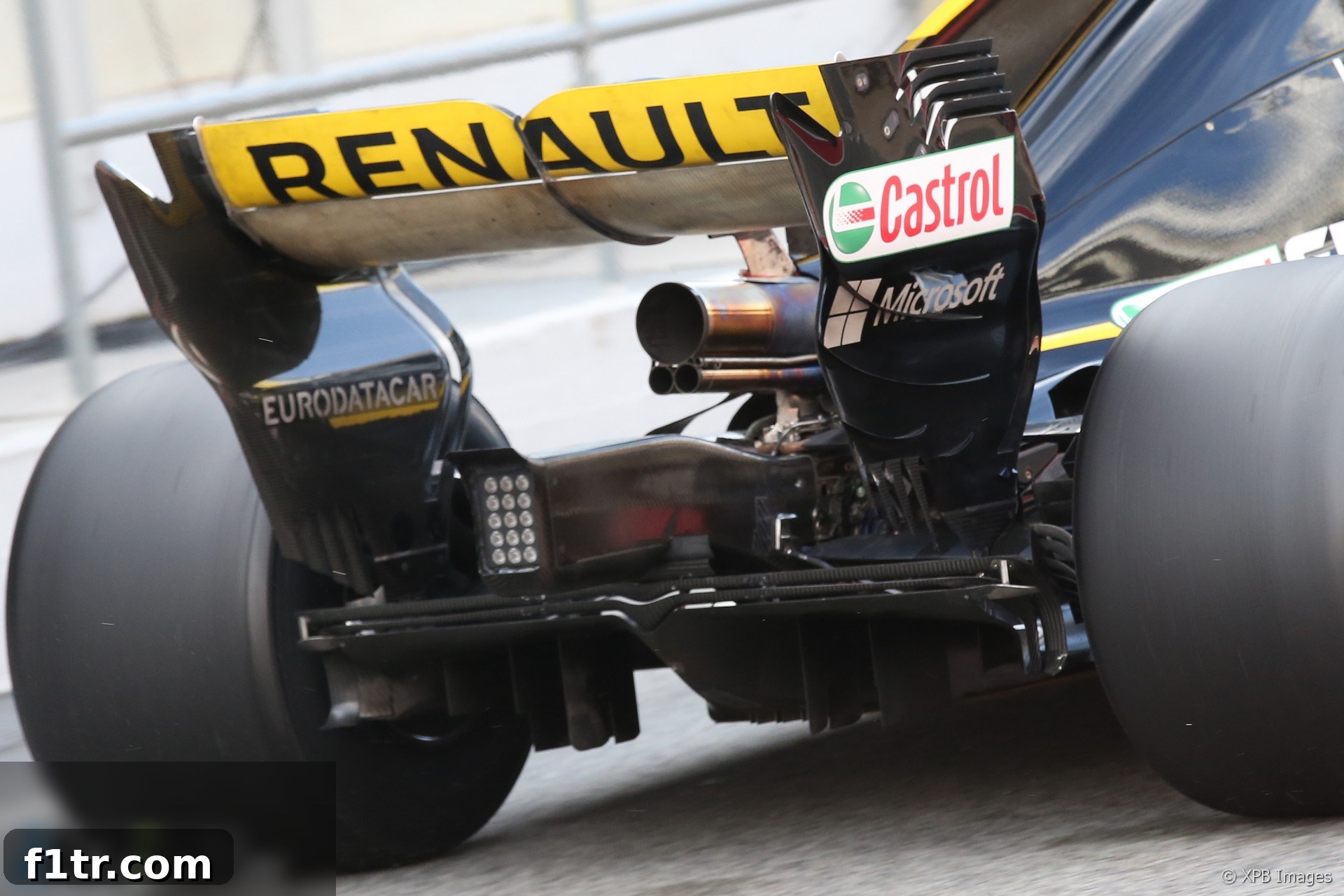
The issue gained considerable traction and scrutiny during pre-season testing when eagle-eyed observers and rival teams noted a particularly intriguing design element on Renault’s RS18 challenger. The French constructor had positioned its exhaust outlet in a strategic manner, specifically to direct hot exhaust gases towards the underside of the rear wing. This ingenious configuration aimed to energize the airflow in a critical area, thereby enhancing the rear wing’s performance and ultimately generating additional downforce, a precious commodity in the ultra-competitive world of Formula 1.
While Renault has maintained that its exhaust arrangement provides only a “small benefit,” even marginal gains are considered monumental in Formula 1. The relentless pursuit of tenths, or even hundredths, of a second drives teams to explore every conceivable avenue for performance enhancement. This seemingly minor advantage could translate into improved lap times, better tire management, and a significant competitive edge over the course of a race weekend.
A Blast from the Past: The History of Exhaust Blowing in F1
The concept of exploiting exhaust gases for aerodynamic purposes is far from new in Formula 1. It echoes a period between 2011 and 2013, a golden era for aerodynamicists who pioneered and perfected the art of exhaust blowing. During this time, many teams, most notably Red Bull Racing under the guidance of Adrian Newey, masterfully utilized exhaust gases to increase the power and efficiency of their cars’ diffusers. By directing hot gases into the diffuser area, they could effectively seal the diffuser, accelerating airflow and creating a powerful low-pressure zone that dramatically increased downforce, particularly in corners.
This period saw intense development in engine mapping, where teams would intentionally keep the throttle open, or “blow,” exhaust gases even when the driver was off the throttle, to maintain a constant aerodynamic benefit. The FIA, recognizing the profound impact these systems had on performance and the spirit of the regulations, introduced stringent restrictions on exhaust positioning starting from the 2014 season. These rules were specifically designed to prevent exhausts from being used in such an aerodynamic manner, aiming to level the playing field and curb the spiraling development costs associated with these complex systems.
The Current Loophole: Aerodynamic Rule Changes Create New Opportunities
However, the ever-evolving nature of Formula 1’s technical regulations means that designers are constantly searching for new interpretations and opportunities within the rulebook. The significant changes introduced to the aerodynamic rules last year, while intended to simplify certain aspects, inadvertently created a new avenue for teams to enhance the power of their rear wings using exhaust gases. While the 2014 rules successfully curtailed diffuser blowing, the specifics around rear wing interaction left a “grey area” that innovative teams like Renault were quick to explore.
The principle behind rear wing blowing is similar to diffuser blowing: the exhaust gases, expelled at high velocity and temperature, can help to energize the airflow over and under the rear wing. This energized flow can prevent flow separation, making the wing more efficient and allowing it to generate more downforce without a proportional increase in drag. It’s a testament to the ingenuity of F1 engineers who are always prepared to push the boundaries of what is considered permissible.
The FIA’s Stance and Future Regulatory Changes for 2019
The FIA’s latest technical directive serves as both a clarification and a warning. While it confirms the absence of immediate changes for the current season, it unequivocally reiterates a crucial point that the FIA had previously advised teams on: any engine modes specifically designed or optimized to enhance the power or effect of exhaust-blowing for aerodynamic purposes are deemed illegal. This means that while teams might utilize the passive aerodynamic effect of exhaust positioning, they cannot actively manipulate engine settings to amplify this effect beyond what is considered standard engine operation.
Looking ahead to the 2019 F1 season, the FIA intends to implement more explicit and stringent regulations regarding exhaust design and placement. These upcoming changes are expected to leave even less room for interpretation, effectively closing the current loophole. Potential amendments could include tighter restrictions on the angle and exact location of exhaust exits, the geometry of the exhaust plume, and even the materials used, all aimed at ensuring that exhaust gases serve their primary purpose of expulsion rather than aerodynamic manipulation.
The Broader Context: Innovation vs. Regulation in Formula 1
This episode is a classic example of the perpetual dance between innovation and regulation that defines Formula 1. Teams are constantly pushing the envelope, searching for any competitive advantage within the complex framework of the technical rules. The FIA, on the other hand, bears the responsibility of maintaining a level playing field, ensuring fair competition, promoting safety, and controlling costs, all while trying not to stifle the very innovation that makes the sport so captivating.
The delay in implementing new restrictions until 2019 highlights the FIA’s approach of providing teams with ample notice for significant rule changes. Imposing mid-season bans or alterations can be incredibly disruptive, costly, and potentially unfair to teams that have already invested substantial resources into their car’s design based on existing regulations. By announcing the changes for the following season, the FIA allows teams time to adapt their designs and development plans accordingly, ensuring a smoother transition and maintaining stability within the championship.
The ongoing pursuit of aerodynamic efficiency through unconventional means underscores the incredibly sophisticated engineering prowess present in Formula 1. Every component, every airflow path, and every design choice is meticulously scrutinized for its potential to shave milliseconds off a lap time. The FIA’s forthcoming regulations for 2019 will undoubtedly trigger another wave of design challenges and creative solutions as teams seek to maximize performance within the new boundaries.
Looking Forward: The Ever-Evolving Technical Landscape of F1
As the sport progresses towards 2019 and beyond, the narrative of innovation versus regulation will undoubtedly continue to unfold. The FIA’s move to address exhaust-blown aerodynamics is a clear signal that it remains vigilant in monitoring technical developments and will act to maintain the integrity and fairness of the competition. For fans, this dynamic interplay adds another layer of intrigue, as they witness firsthand the continuous evolution of these magnificent machines and the genius of the engineers behind them.
The outcome of these regulatory shifts will be eagerly watched, shaping not only the aerodynamic philosophies of future F1 cars but also reaffirming the sport’s commitment to striking a delicate balance between groundbreaking engineering and controlled competition. The 2019 season promises to bring a fresh chapter in Formula 1’s endless quest for speed and dominance.
Don’t miss anything new from RaceFans
Follow RaceFans on social media:
- Join RaceFans on Facebook
- Follow RaceFans on Twitter
- Get daily email updates from RaceFans
2019 F1 season: Related Articles
- Crying in the Melbourne car park at 2019 grand prix was my career low – Ocon
- McLaren Racing reports reduced £71 million loss in 2019
- Kvyat: Hockenheim podium last year was “my biggest achievement” so far
- How the FIA’s new encrypted fuel flow meter targets Ferrari’s suspected ‘aliasing’ trick
- “He smashed my office door”: 23 must-see moments from ‘Drive to Survive’ season two
Browse all 2019 F1 season articles