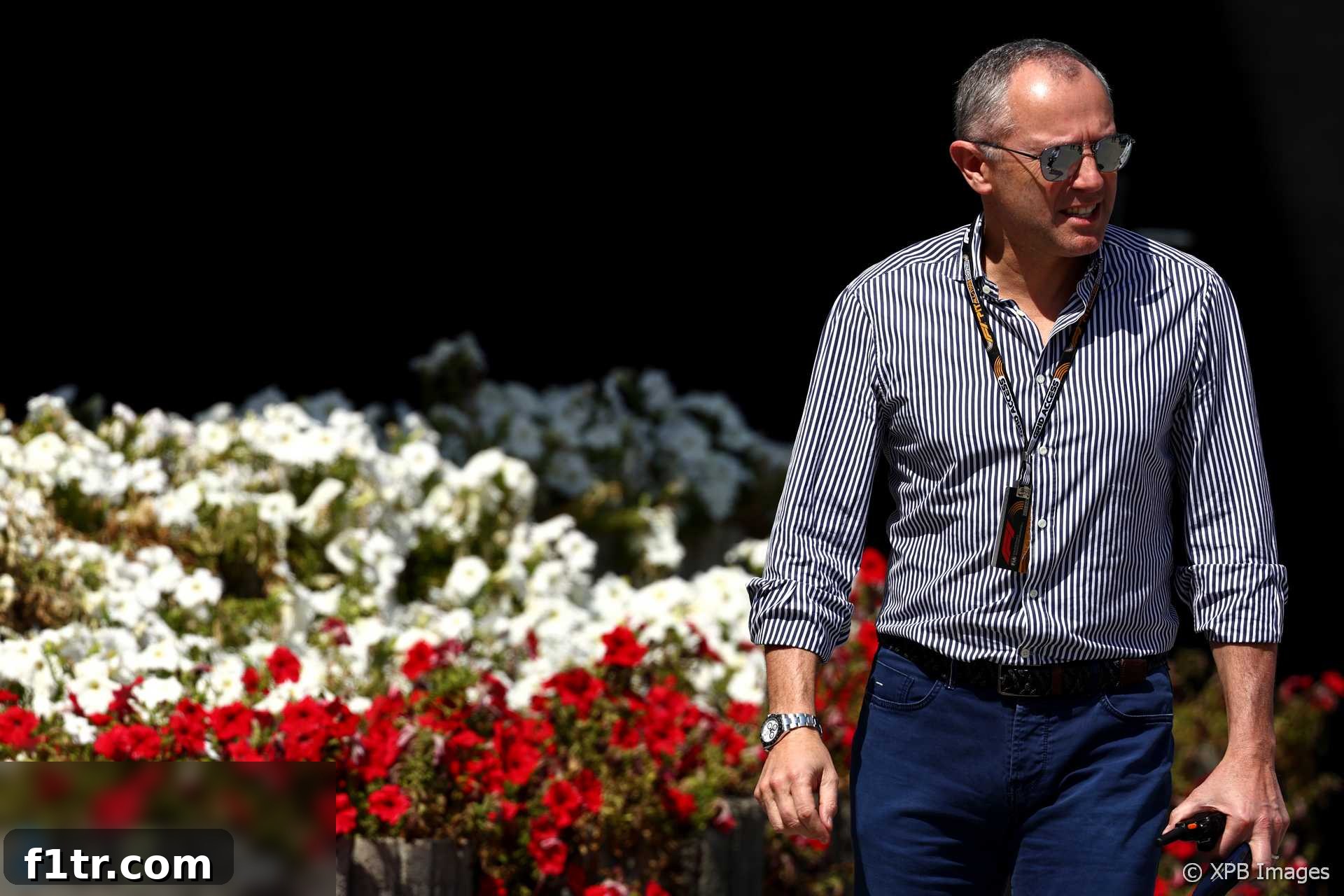
Formula 1’s Dynamic Evolution: Stefano Domenicali Addresses Driver Concerns Amidst Strategic Changes
Formula 1, under the stewardship of CEO Stefano Domenicali, finds itself navigating a period of unprecedented growth and strategic transformation. As the sport expands its global footprint and seeks to engage a broader, more diverse audience, it has introduced several significant changes to its format and race weekend presentation. These innovations, while largely driven by the overarching vision of F1’s owner, Liberty Media, have not been without their critics, most notably from some of the sport’s leading drivers.
Domenicali has directly addressed these criticisms, offering a clear rationale for the changes, including the controversial sprint races and the recently unveiled pre-race driver introductions. His perspective underscores a fundamental belief that the sport must evolve to sustain its newfound popularity and commercial success, asserting that drivers, as integral stakeholders, must also embrace this progressive mindset.
The introduction of sprint races, first trialed in 2021, stands as a prime example of Formula 1’s willingness to experiment with its cherished traditions. Designed to inject more competitive action into race weekends and offer “value for money” across all sessions, the sprint format has aimed to captivate new audiences and enhance the overall entertainment package. However, this shift has drawn considerable pushback from figures within the paddock. Reigning world champion Max Verstappen, for instance, has been particularly vocal, openly suggesting that F1 should “just scrap the whole thing” following the first running of a revised, standalone version of the format in Baku. His concern, shared by several other drivers, often revolves around the perceived devaluing of the main Grand Prix race and the increased pressure and risk associated with additional competitive sessions.
Beyond the track, Liberty Media’s innovative approach extends to the spectacle surrounding the races. A notable example is the pre-race driver introduction ceremony debuted at the Miami Grand Prix. This glitzy, Super Bowl-esque presentation saw drivers emerge onto a stage amidst pyrotechnics and fanfare, a move clearly aimed at amplifying the event’s entertainment value and attracting a casual viewership accustomed to high-production sports spectacles. While figures like Lewis Hamilton welcomed the “cool new driver introductions,” the sentiment was far from universal, with other drivers expressing reservations, viewing it as an unnecessary distraction or an encroachment on their pre-race focus.
In response to such dissenting voices, Domenicali has articulated a robust defense of Formula 1’s strategic direction. Speaking to the Daily Mail, he emphasized the importance of a collective vision for the sport’s future. “I don’t want a society in which people cannot say what they want,” he stated, acknowledging the right to free expression. However, he quickly added a crucial caveat: “But drivers sometimes need to remember that they are part of a broader picture. We don’t need to be selfish. They are part of this sport and this business, and it grows because we are thinking bigger. Sometimes being out of our comfort zone is not easy, but we cannot be lazy or complacent.”
This statement encapsulates Domenicali’s philosophy: while individual opinions are valued, the overarching health and growth of Formula 1 as a global business and entertainment entity must take precedence. He posits that the benefits of this expansion, both financial and in terms of increased global prestige, ultimately accrue to everyone involved, including the drivers themselves. Embracing change, even when it means stepping out of established routines, is presented not as an option but as a necessity for sustained success in a rapidly evolving sports and entertainment landscape.
Regarding the future of sprint races, Domenicali indicated a pragmatic and adaptive approach. He confirmed that the format is still under review and subject to modification. “We can review some of the specifics of the sprint weekend format at the end of the season once we have tried it out on the intended six occasions. We won’t have sprints every weekend, either.” This suggests a commitment to refining the format based on data and feedback, rather than a rigid adherence to the initial concept. The underlying motivation remains clear: “But we have a new audience and need to provide value for money every session, not let everyone drive around in circles for the sole benefit of engineers and drivers.” This perspective highlights a shift towards prioritizing the fan experience and maximizing engagement throughout the entire Grand Prix weekend, moving beyond a sole focus on traditional sporting purity.
The F1 CEO also touched upon speculation surrounding Max Verstappen’s potential disillusionment with the sport and the possibility of an early departure, a concern amplified by Verstappen’s candid critiques of the new formats. Despite the Red Bull driver being contracted until 2028, Domenicali expressed no alarm. “He said he loved the sport and what he was doing,” said the F1 CEO. “He is world champion and is fighting for a third title. He was born in a car. I would say he is likely to stay longer than me. It’s not a problem.” This confident dismissal suggests that Domenicali views Verstappen’s comments as part of the normal discourse within an elite sport, rather than a genuine threat to his long-term commitment. It also implicitly reinforces the idea that Formula 1, as an institution, is robust enough to withstand individual opinions, even from its brightest stars.
In essence, Stefano Domenicali’s comments serve as a clarion call for Formula 1 to embrace its future as a premier global entertainment product. Liberty Media’s vision for F1 involves an intricate balance: honoring the sport’s rich heritage and fierce competition while simultaneously innovating to capture new audiences and secure commercial viability. From the high-stakes drama of sprint races to the theatrical flair of driver introductions, every change is designed with the broader picture in mind – to ensure Formula 1 remains relevant, exciting, and prosperous for generations to come. The dialogue between management and drivers will undoubtedly continue, but Domenicali’s message is unequivocal: evolution is not just desirable, it’s essential for the sport’s enduring success.
The journey forward for Formula 1 will inevitably involve ongoing experimentation and adaptation. The sport’s management, under Domenicali, appears committed to a path of dynamic change, balancing the pursuit of traditional racing excellence with the demands of a modern, global entertainment spectacle. The challenge lies in forging a consensus that allows for innovation without alienating the core purists or the very drivers who embody the sport’s competitive spirit. As F1 continues to captivate millions worldwide, its ability to strategically evolve while maintaining its essence will define its next chapter of success.