The highly anticipated Formula 1 Chinese Grand Prix, initially “postponed” in February following the unprecedented outbreak of the Covid-19 pandemic, is now facing an official cancellation for the current season. This development comes amidst a series of challenging decisions for motorsport’s premier category as it navigates a vastly altered global landscape.
The Uncertain Fate of the Chinese Grand Prix
Earlier this month, China’s General Administration of Sport issued a comprehensive directive stating that all international sporting events, with the sole exception of trials for the 2022 Winter Olympics in Beijing, would be called off. This stringent measure underscores the nation’s cautious approach to public health and large-scale gatherings. The Formula 1 race at the iconic Shanghai International Circuit was originally scheduled to electrify fans on April 19th. Despite the initial postponement, a revised date has not yet been announced, casting a long shadow over its prospects.
While Formula 1 management has reportedly maintained a hopeful stance, actively seeking an exemption from the national government to allow China’s round of the world championship to proceed, the reality on the ground appears to be different. According to reliable sources within China, the local promoter, Juss Event, has already come to terms with the likelihood that the event will not take place this year. This internal acceptance points towards the formidable logistical and political hurdles that would need to be overcome, making a last-minute reversal highly improbable.
A Pivotal Race on the Global Calendar
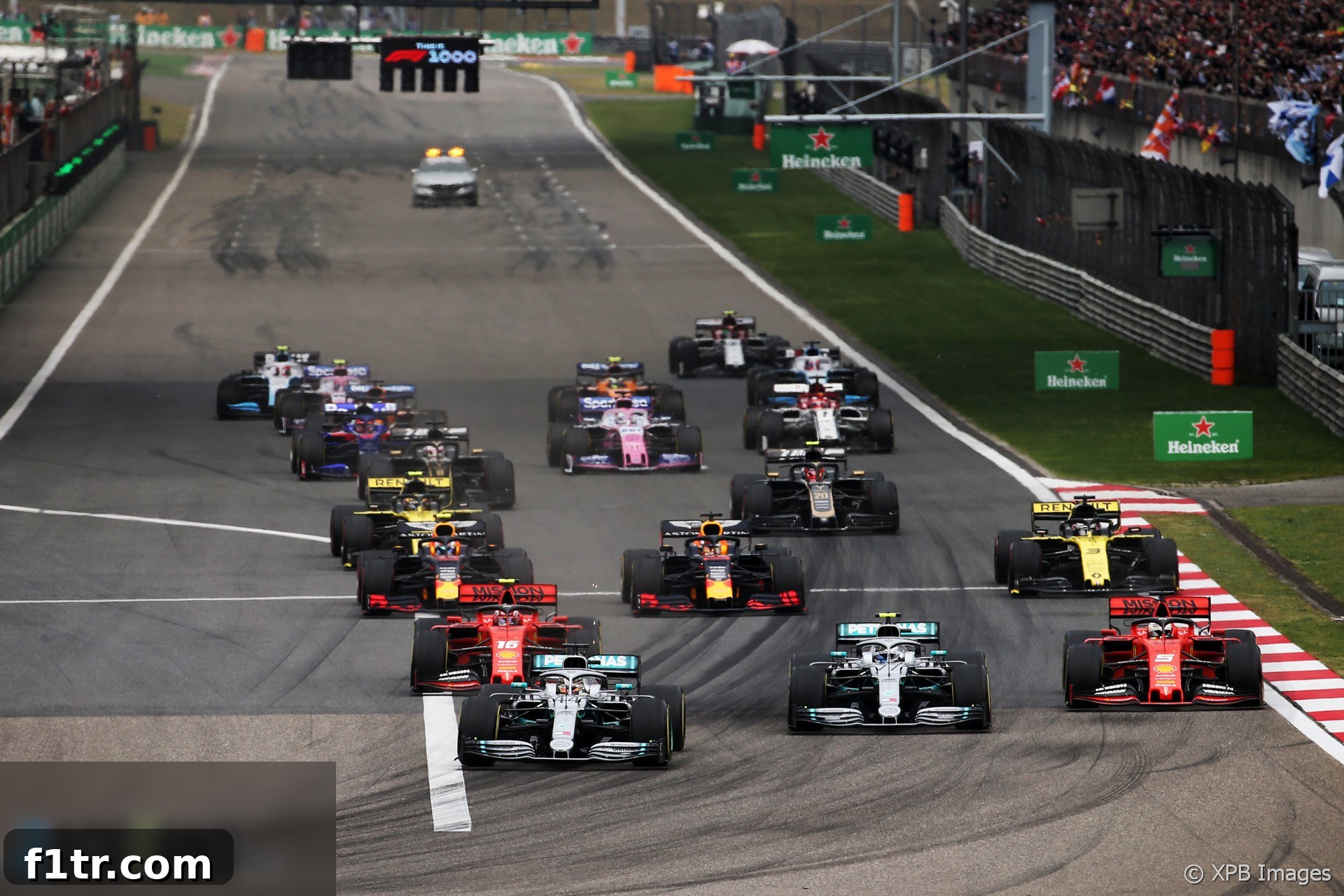
The Chinese Grand Prix has been a staple on the Formula 1 calendar since its inaugural race in 2004, quickly establishing itself as a thrilling and commercially significant event. Held at the Shanghai International Circuit, a masterpiece designed by Hermann Tilke, the track is renowned for its unique ‘Shanghai’ turn (Turns 1-4) that tightens into a snail-like spiral, demanding precision and courage from drivers. Its long back straight, over a kilometer in length, consistently provides spectacular overtaking opportunities, making it a favorite among fans and competitors alike.
Beyond the sporting spectacle, the Chinese Grand Prix represents a crucial gateway for Formula 1 into the vast and rapidly growing Asian market. The event not only attracts a massive live audience but also commands significant broadcast viewership across the region, contributing substantially to F1’s global brand presence and revenue streams. Its cancellation, therefore, is not merely the loss of a race but a significant setback for the sport’s strategic ambitions and fan engagement in one of its most important markets.
COVID-19’s Unprecedented Impact on Global Sports
The global pandemic, believed to have originated in the Chinese city of Wuhan—located approximately 700 kilometers west of Shanghai—has undeniably had a profound and unprecedented impact on sports worldwide. Formula 1 has been particularly affected, with a domino effect of cancellations and postponements reshaping what was intended to be a record-breaking 2020 season. The list of Grands Prix already removed from the calendar due to the pandemic includes high-profile events in Australia, the Netherlands, Monaco, Azerbaijan, France, Singapore, and Japan. Each cancellation represents a significant loss for the sport, from ticket sales and sponsorship revenue to logistical complexities and the morale of teams and fans.
The initial response by countries like China to implement strict public health measures, while vital for containing the virus, inevitably led to the cessation of major international gatherings. For Formula 1, this meant a complete halt to its operations for several months, posing an existential threat to some teams and demanding extraordinary adaptability from the sport’s leadership. The decision by China’s General Administration of Sport is a clear reflection of a broader global sentiment emphasizing public health over sporting entertainment, at least in the short term.
F1’s Battle Against the Pandemic: A Revised 2020 Season
Despite the numerous setbacks, Formula 1 has shown remarkable resilience and ingenuity in its efforts to salvage the 2020 season. After a delayed start, the series successfully commenced its revised calendar. As of the recent update, Formula 1 had just concluded the third of the ten races confirmed so far on its meticulously reorganized schedule. This restart was achieved through stringent health and safety protocols, including regular testing, ‘bio-secure’ bubbles for teams, and races held without spectators in many instances.
The challenge remains to complete a viable championship season. F1 is yet to announce which races will take place after the Russian Grand Prix on September 27th. However, the clear objective articulated by F1 management is to hold a total of 15 to 18 races on its final calendar. This ambitious target demonstrates the sport’s commitment to its teams, partners, and global fanbase. The season is widely expected to conclude with at least two high-profile races in the Middle East during December, leveraging the region’s state-of-the-art facilities and relatively contained environments to host events safely.
Navigating the New Normal: Reshaping the F1 Calendar
The process of rescheduling and confirming races has involved an intricate dance of negotiations with host countries, adherence to varying travel restrictions, and the implementation of unparalleled safety measures. The revised calendar has seen European circuits step up to host multiple events, often in consecutive weekends (double-headers or triple-headers), a strategy previously unheard of in Formula 1’s modern era. This compressed schedule has tested the endurance of teams and personnel, but it has been critical in accumulating enough races to constitute a world championship.
The cancellation of major events like the Chinese Grand Prix also opens the door for potential new venues or the return of circuits that have been absent from the calendar. While F1’s long-term strategy includes expanding into new markets, the immediate focus has been on flexibility and finding circuits that can safely and logistically host races under pandemic conditions. The emphasis on regions like the Middle East for the season finale reflects this pragmatism, offering modern facilities and governments capable of implementing robust health protocols.
Economic Ripples and Long-Term Relationships
The financial implications of the widespread cancellations and spectator-free races are significant. Teams, particularly those lower down the grid, rely heavily on prize money, sponsorship, and hospitality revenue, all of which have been severely impacted. Formula 1 as a whole faces a substantial hit to its revenues, necessitating cost-cutting measures and a re-evaluation of its financial model for the coming years. The long-term relationship with host countries like China, while momentarily strained by the cancellation, remains crucial. Formula 1 will undoubtedly seek to re-establish its presence in the Chinese market once conditions allow, given its strategic importance.
The absence of the Chinese Grand Prix in 2020 underscores the global interconnectedness of sports and commerce. It highlights the vulnerability of large-scale international events to unforeseen global crises and emphasizes the need for robust contingency planning. For fans in China and across Asia, the cancellation is a disappointing but understandable outcome, given the prevailing health concerns.
Looking Ahead: The Future of Formula 1 in a Post-Pandemic World
The experience of the 2020 season will undoubtedly leave a lasting legacy on Formula 1. It has forced the sport to innovate, adapt, and prioritize safety in ways it never imagined. The lessons learned from creating bio-secure environments, managing a condensed calendar, and engaging with fans remotely will be invaluable for future seasons. While the immediate focus is on successfully concluding the current championship, F1’s leadership will also be looking towards 2021 and beyond, planning for a return to a more traditional calendar while retaining the flexibility to respond to evolving global circumstances.
The hope remains that the Chinese Grand Prix, a vibrant and essential part of the Formula 1 story, will make a triumphant return in future seasons, bringing the thrill of top-tier motorsport back to its dedicated fanbase in China. For now, the focus is on resilience, adaptation, and completing a memorable, albeit challenging, 2020 Formula 1 World Championship.
Stay Connected with Formula 1 News
- Follow the latest F1 updates on social media for real-time news and insights.
- Subscribe to our newsletter for daily F1 news directly in your inbox.
- Join our community discussions and share your passion for Formula 1.
More on the 2020 F1 Season
- Key Race Summaries and Analysis from the Restarted Season
- Driver Standings and Championship Battles: Who’s Leading the Pack?
- Behind the Scenes: How Teams Adapted to the Pandemic Challenges
- The Economic Impact of COVID-19 on Formula 1 Teams and Sponsors
- Contract News and Future Prospects for Drivers and Teams