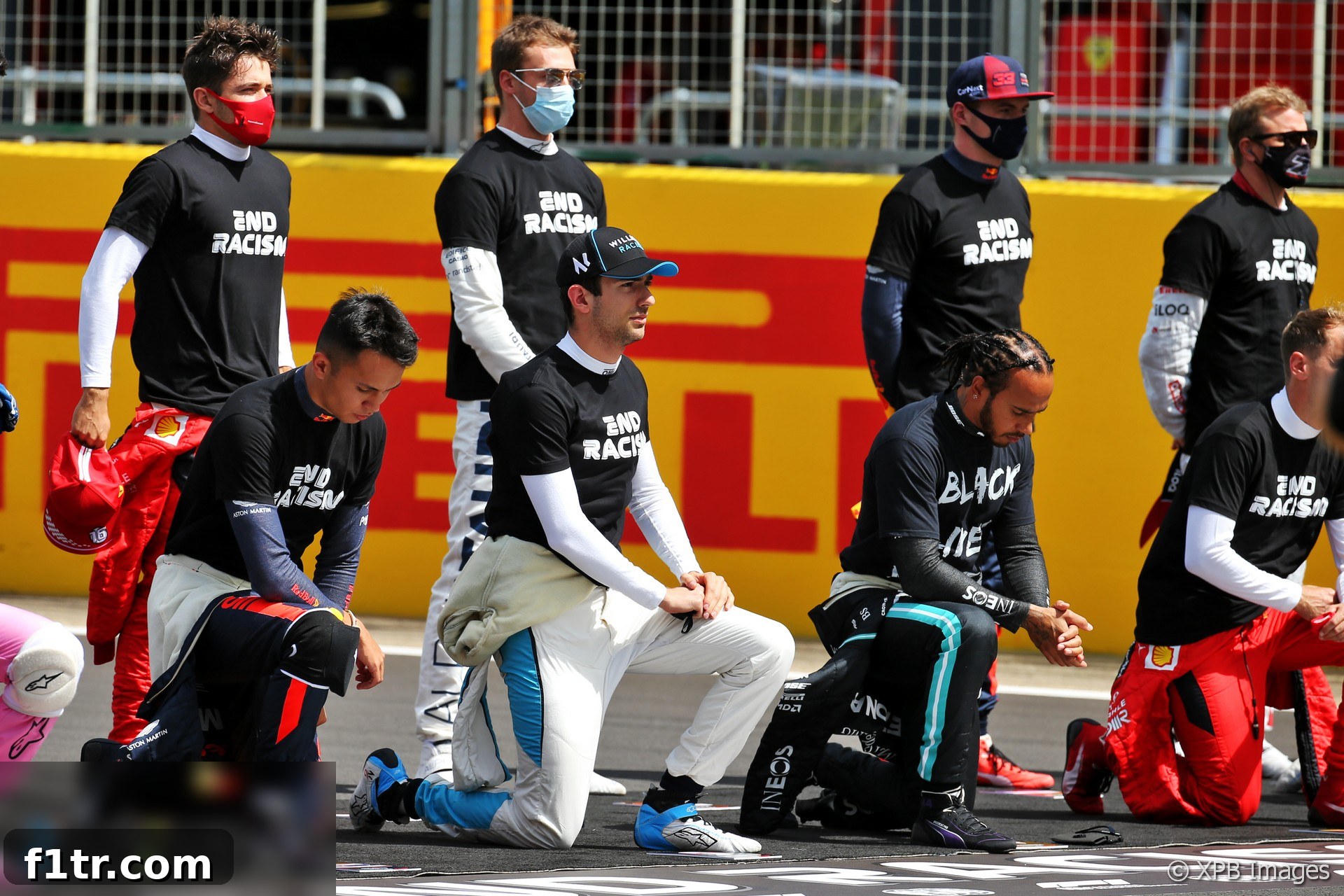
Formula 1, a pinnacle of global motorsport, has taken a decisive and proactive stance against racism, cementing its commitment with an official “end racism recognition” ceremony. This powerful initiative, which debuted at the recent British Grand Prix, is not merely a fleeting gesture but a fundamental part of the sport’s identity for the remainder of the season. Following its successful implementation, Formula 1 has confirmed that this significant pre-race ceremony will be a recurring feature before every Grand Prix of the current world championship, sending a consistent and unambiguous message across continents. This sustained effort underscores the sport’s recognition of its immense global platform and its responsibility to champion critical social causes, making it clear that there is no place for prejudice within the racing community or society at large. The initial reception to this formalized approach has been overwhelmingly positive, signaling a new era of social consciousness within one of the world’s most watched sports.
The Genesis of Formula 1’s Anti-Racism Movement
The journey towards a unified anti-racism stand began earlier in the season. At the opening race in Austria, drivers collectively gathered on the grid to express their opposition to racism, a spontaneous and heartfelt demonstration. While the intent was clear, subsequent similar gestures at later rounds proved to be less coordinated, leading to a fragmented presentation that drew considerable criticism from various corners. Spectators, media, and even participants noted the inconsistencies in driver participation and organization, which inadvertently diluted the impact of such an important message. This highlighted a crucial need for a structured approach that would ensure uniformity and maximize the symbolic weight of the protest. The initial, less organized displays, though well-intentioned, inadvertently underscored the necessity for leadership and a standardized protocol to truly resonate with a global audience, ensuring Formula 1’s commitment to social justice was conveyed powerfully and coherently.
Lewis Hamilton’s Unwavering Advocacy for Change in F1
Lewis Hamilton, a towering figure in the sport and a vocal champion for diversity and equality, played a pivotal role in the formalization of this vital ceremony. The reigning world champion was among the most prominent critics of the disorganised ceremonies, particularly after the Hungarian Grand Prix. Witnessing the lack of cohesion and impact, he did not hesitate to raise his concerns directly with the highest echelons of Formula 1 governance. In the days following the event, Hamilton engaged in crucial discussions with FIA president Jean Todt and Formula 1 chairman and CEO Chase Carey. His direct intervention, stemming from his lived experience as the sport’s only Black driver and a leading voice in the Black Lives Matter movement, proved instrumental in galvanizing action. Hamilton’s unwavering commitment to using his platform for social good demonstrated the power of an athlete’s voice in driving meaningful change within global institutions. His efforts underscored that the fight against racism requires not just symbolic gestures, but also concrete, organized action and consistent communication, further solidifying Formula 1’s stance on diversity and inclusion.
FIA and Formula 1 Forge a Unified Front Against Discrimination
In direct response to the constructive feedback and the collective desire for a more impactful statement, the FIA, in collaboration with Formula 1 management, swiftly introduced a formal procedure for the pre-race ‘end racism’ ceremony. This strategic move marked a significant turning point, transforming well-meaning but disjointed efforts into a professional and cohesive demonstration of unity. The new procedure, meticulously designed, now serves as the established template for all upcoming races, ensuring that the message of anti-racism is delivered with utmost clarity, consistency, and gravitas. This standardized approach guarantees that every driver, team member, and stakeholder understands their role in this collective act of recognition, fostering a stronger sense of shared responsibility. The meticulous planning involved in this new protocol reflects a deep understanding that the power of such a message lies in its unanimous and well-executed delivery, preventing any ambiguity or dilution of its profound meaning. This proactive measure reinforces Formula 1’s commitment to equality and its role in promoting social justice on a global stage.
The Anatomy of the New Anti-Racism Ceremony and Global Adaptations
The formalised ceremony, as witnessed at the British Grand Prix, represents a carefully considered approach to amplifying Formula 1’s anti-racism stance. Under this new protocol, drivers gather at a designated time and location on the grid, wearing “End Racism” t-shirts, presenting a united front. This visual solidarity, captured by global television audiences, ensures maximum impact and reinforces the sport’s unwavering commitment to diversity and inclusion. For today’s race, the core ‘end racism’ aspect of the ceremony remains unchanged from its successful debut last week, upholding the consistency that stakeholders sought. However, Formula 1 and the FIA have also demonstrated commendable foresight by acknowledging the diverse global contexts in which races are held. While the core message remains universal, RaceFans understands that the procedure may be subject to minor modifications at some events. This flexibility is crucial to ensure that any local sensitivities or cultural nuances regarding the issue of racism are fully respected, allowing the message to resonate authentically with local communities without inadvertently causing offense or misunderstanding. This adaptive approach highlights a mature understanding of global engagement and the complexities of delivering a universal message effectively in various cultural landscapes.
Impact and The Broader Vision for Inclusion in Motorsport
The introduction of a formalized anti-racism ceremony is more than just a pre-race ritual; it is a powerful symbol of Formula 1’s evolving conscience and its broader commitment to fostering a more inclusive environment. Lewis Hamilton, reflecting on the improved organization, articulated his satisfaction, stating that Formula 1 had done “a much, much better job after a lot of discussion, a lot of talking last week about how we can come together and do a better job.” His words underscore the collaborative effort behind this positive transformation. This structured approach not only amplifies the message of anti-racism but also sets a precedent for how a global sport can actively engage with critical social issues. Beyond the visible gestures, this initiative aligns with Formula 1’s wider diversity and inclusion programs, such as the “We Race As One” platform, which aims to address systemic barriers and promote opportunities for underrepresented groups within motorsport. The consistent repetition of the ceremony at every Grand Prix ensures that the message remains at the forefront of the sport’s narrative, educating and inspiring millions of fans worldwide. It challenges individuals within the F1 ecosystem and its vast viewership to actively reflect on and combat racial prejudice, moving beyond passive acknowledgment to active advocacy.
Sustaining the Momentum: A Long-Term Commitment to Equality
The decision to repeat the “end racism recognition” at every round of the world championship signals a clear and sustained commitment from Formula 1 and the FIA. This is not merely a temporary response to current events but a foundational shift in the sport’s ethos. Maintaining visibility and consistency across diverse geographical locations reinforces the universality of the message: racism has no place in sport or society. While the ‘thank you NHS’ aeroplane flypast, a specific tribute seen last Sunday, will not feature in this week’s schedule – demonstrating that specific local tributes are distinct from the overarching anti-racism message – the core commitment to standing against prejudice remains unwavering. This differentiation highlights the focused nature of the anti-racism campaign as a standing directive for the sport. The ongoing engagement with drivers, teams, and governing bodies ensures that this commitment is deeply ingrained and continues to evolve, paving the way for further initiatives that promote equality, diversity, and inclusion across all levels of motorsport, from grassroots programs to the elite echelons of Formula 1. This long-term vision aims to cultivate a genuinely equitable future for the sport, reflecting the richness and diversity of the global community it serves.
In conclusion, Formula 1’s formalized “end racism recognition” ceremony marks a pivotal moment in the sport’s history. From initial, disorganized expressions to a unified, professional protocol, the journey reflects a profound shift driven by driver advocacy, particularly Lewis Hamilton’s impassioned leadership, and the proactive response of the FIA and Formula 1 management. By ensuring a consistent, visible stance against racism at every Grand Prix, the sport not only reaffirms its core values but also leverages its immense global reach to inspire positive societal change. This commitment, articulated through cohesive ceremonies and supported by broader diversity initiatives, positions Formula 1 as a powerful advocate for inclusion, demonstrating that sports can indeed be a force for good in the ongoing global fight for equality. The message is clear: Formula 1 is dedicated to racing as one, united against racism, now and for the future.
2020 F1 season
- Grosjean to make F1 test return tomorrow for first time since Bahrain horror crash
- Pictures: Wrecked chassis from Grosjean’s Bahrain fireball crash to go on display
- Bottas vs Rosberg: Hamilton’s Mercedes team mates compared after 78 races each
- F1 revenues fell by $877 million in Covid-struck 2020 season
- Hamilton and Mercedes finally announce new deal for 2021 season
Browse all 2020 F1 season articles