Formula 1, under the leadership of CEO Chase Carey, has articulated an ambitious vision for global expansion, particularly focusing on deepening its roots in the world’s largest economies. Carey has openly expressed the belief that markets as vast and influential as the United States and China possess the capacity and demand to host more than one Formula 1 Grand Prix each, a move that could significantly reshape the sport’s calendar and commercial landscape.
Speaking at a recent FIA Sport Conference, Carey highlighted the strategic imperative of establishing a stronger presence in these key regions. He specifically mentioned the ongoing discussions for a potential second F1 race in the United States, with Miami frequently cited as a strong contender. Simultaneously, the prospect of an additional Grand Prix in China also forms a core part of this forward-looking strategy, underscoring the sport’s intent to unlock untapped potential in these vibrant markets.
Advert | Become a Supporter & go ad-free
Carey emphasized that while the drive for expansion is significant, it is intrinsically linked to a steadfast commitment to excellence. “Our focus is that we want to make sure that the events we have, we want to make as strong as they can be – so it is quality over quantity,” he affirmed. This statement underscores a delicate balancing act: pursuing growth without diluting the prestige or excitement that defines a Formula 1 event. Any new race, whether a second in an existing country or a foray into a new territory, must meet the rigorous standards that uphold the sport’s elite status.
Unlocking Potential in Economic Powerhouses: USA and China
The United States and China stand out as the two largest economies globally, yet Formula 1, despite its international appeal, has arguably “just scratched the surface of the potential of the sport” in both. This assessment from Carey points to a vast, largely untapped audience and commercial opportunity that F1 is determined to cultivate. The sport’s historical footprint in these nations, while present, has yet to fully capture the collective imagination or economic scale they represent.
For decades, the USA has had a complex relationship with Formula 1. While hosting prestigious events like the United States Grand Prix at Watkins Glen, Indianapolis, and more recently, the Circuit of the Americas in Austin, the sport has also seen periods of inconsistent presence and varying levels of mainstream engagement. The discussion around a second US race, particularly in a high-profile “destination city” like Miami, signals a renewed and aggressive push to solidify F1’s position. A Miami Grand Prix would complement the existing race in Austin, potentially appealing to different demographics and geographic regions within the vast American market. It would leverage the rising tide of F1 popularity, partly fueled by modern media strategies and the sport’s inherent glamour, aiming to convert casual interest into devoted fandom across the nation.
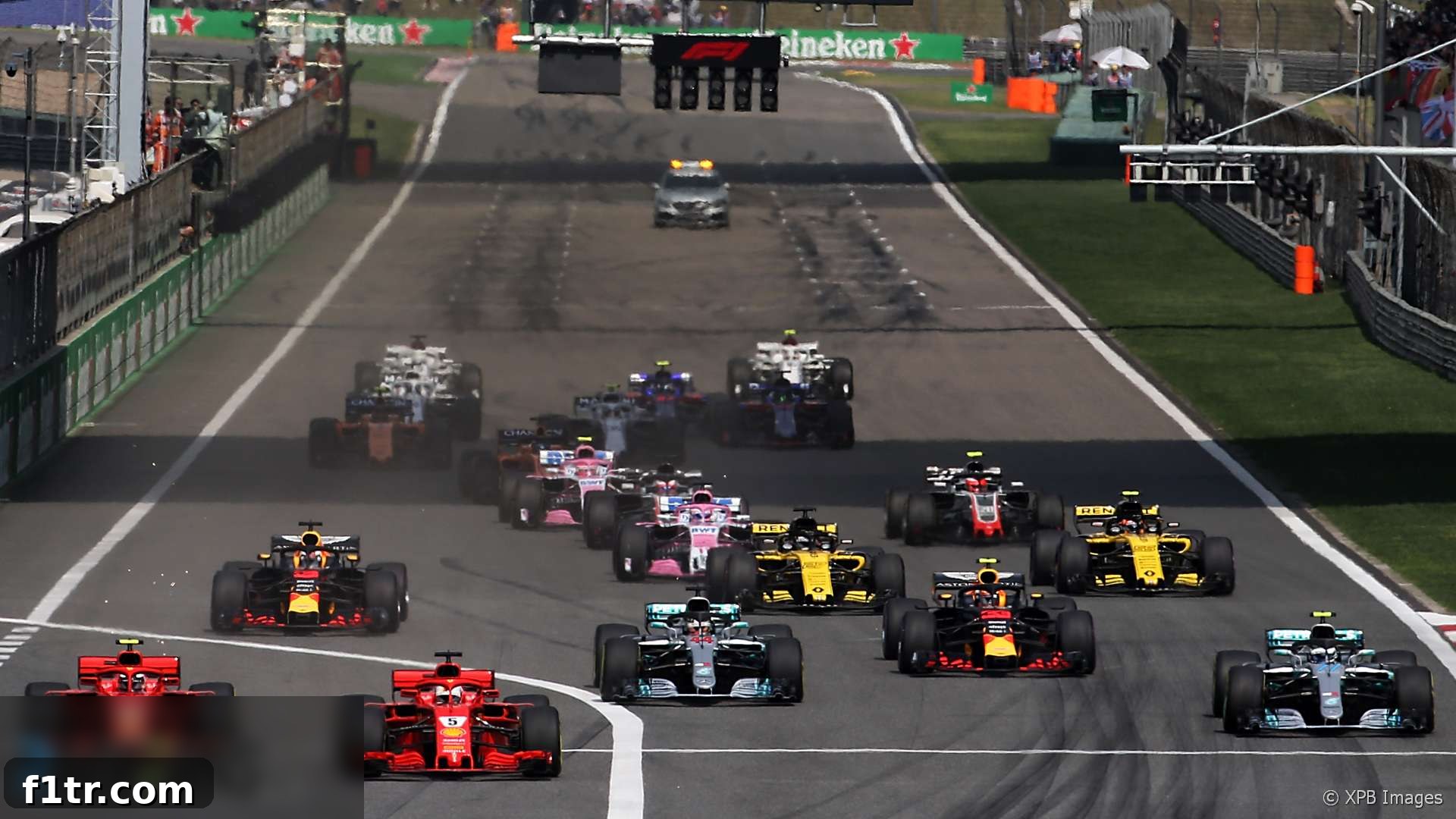
China, on the other hand, presents a different set of opportunities and challenges. Having hosted a Grand Prix in Shanghai since 2004, F1 has established a foothold, but its reach into the broader Chinese market remains immense. Carey articulated a distinct strategy for China, emphasizing the need for “Chinese partners that can help us navigate that market and really work with us as partners in the overall sport.” This localized approach acknowledges the unique cultural, regulatory, and commercial landscapes of China. By collaborating with domestic entities, F1 aims to build a more authentic and deeply embedded presence, ensuring that the sport resonates with local audiences and facilitates genuine fan engagement, particularly among those who have had limited exposure to Formula 1.
The development pathways for these two giants are therefore tailored to their respective contexts. In the US, the strategy might involve leveraging existing sporting infrastructures and a growing appetite for global sports entertainment, while in China, it’s about forging deep local partnerships to cultivate a new generation of F1 enthusiasts and integrate the sport more profoundly into the national consciousness. Both strategies, however, share the common goal of maximizing viewership, commercial revenue, and cultural impact, ultimately aiming to transform F1 into a more pervasive and beloved spectacle in these critical markets.
Expanding Horizons: The Allure of Vietnam and Beyond
Beyond the established giants, Formula 1 is also actively exploring new frontiers, with Vietnam emerging as a prominent candidate for calendar expansion. Chase Carey confirmed F1’s keen interest in holding a race in Vietnam, aligning with the sport’s strategic focus on “destination cities” and “destination countries.” He noted that “Vietnam is one of those countries that is continuing to become a bigger and more exciting place for tourism, business or otherwise.”
The appeal of Vietnam lies in its dynamic economic growth, increasing global visibility, and burgeoning tourism industry. F1 seeks locations that not only offer impressive racing circuits but also possess the ability to “capture the world’s imagination” – places that are culturally rich, visually stunning, and commercially viable. A Grand Prix in Vietnam would serve multiple purposes: it would introduce Formula 1 to a passionate new audience in Southeast Asia, provide a spectacular backdrop for racing that appeals to global viewers, and offer significant economic and branding benefits to the host nation. This move aligns with a broader strategy of diversifying F1’s global footprint, reaching into emerging markets that demonstrate both the enthusiasm and the infrastructure to host a world-class event.
Advert | Become a RaceFans supporter andgo ad-free
The Vision for F1’s Future Calendar
Chase Carey’s vision paints a compelling picture of Formula 1’s future: a sport that maintains its elite status while strategically expanding its reach into key global markets. The push for multiple races in the USA and China, coupled with exploration into vibrant new territories like Vietnam, signifies a proactive approach to growth. This expansion is not merely about increasing the number of races, but about carefully selecting venues that can enhance the F1 brand, engage new generations of fans, and unlock significant commercial opportunities.
The underlying philosophy of “quality over quantity” remains paramount. Each potential new race must not only demonstrate economic viability but also offer a compelling narrative, a challenging circuit, and an unforgettable experience for both spectators and participants. By balancing ambition with meticulous planning, Formula 1 aims to solidify its position as one of the world’s most watched and most prestigious sporting spectacles, continuously evolving to capture the imagination of a truly global audience. As discussions continue and plans materialize, the F1 calendar is poised for an exciting transformation, reflecting the sport’s dynamic growth and its unwavering commitment to global engagement.
2018 F1 season
- F1 feared “death knell” for Drive to Survive after Ferrari and Mercedes snub
- McLaren staff told us we were “totally crazy” to take Honda engines in 2018 – Tost
- ‘It doesn’t matter if we start last’: How Red Bull’s junior team aided Honda’s leap forward
- Honda’s jet division helped F1 engineers solve power unit problem
- McLaren Racing losses rise after Honda split
Browse all 2018 F1 season articles