Formula 1’s Pivotal Transformation: Finalizing Prize Money and Governance for a Sustainable Future
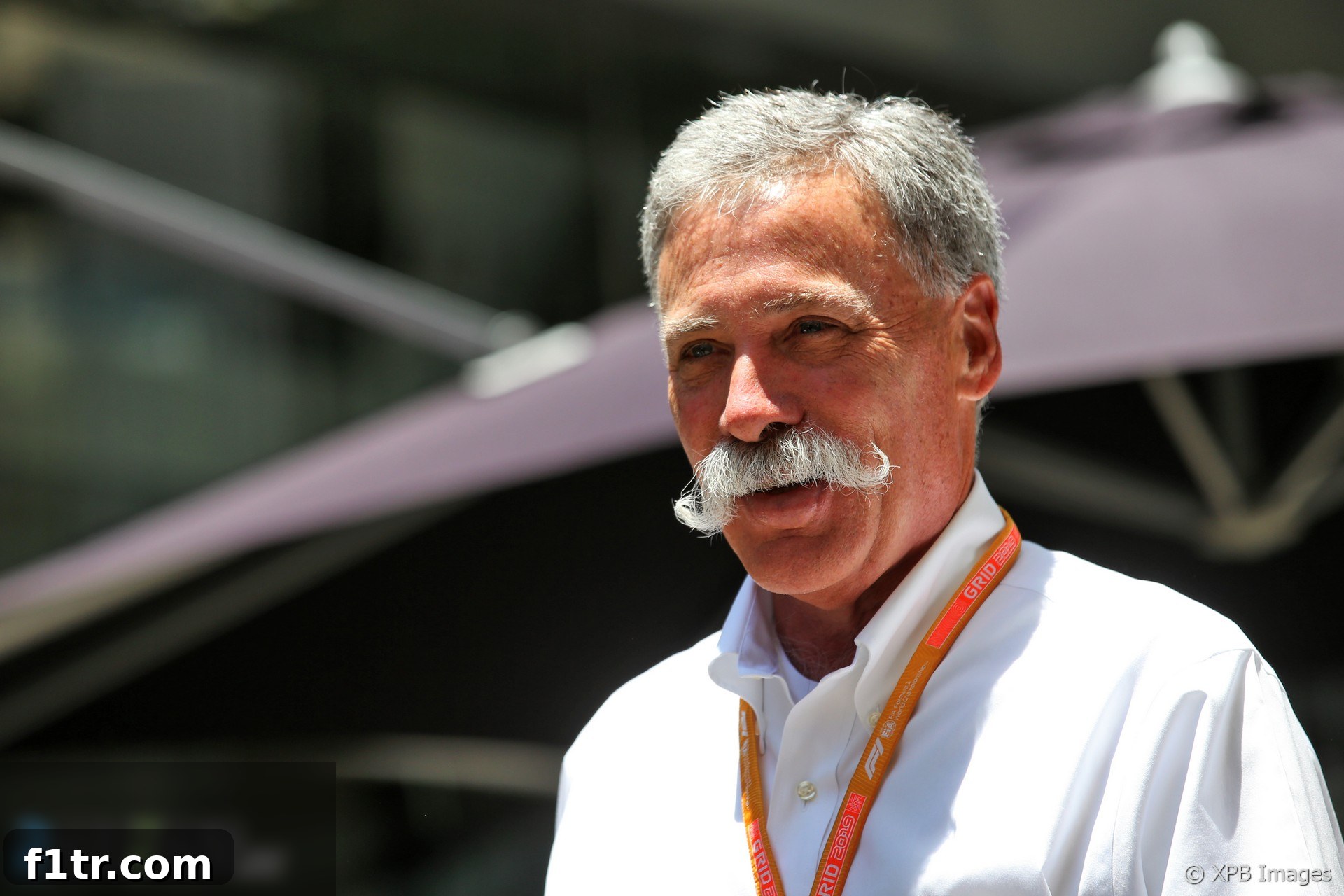
Formula 1, under the stewardship of CEO and Chairman Chase Carey and owner Liberty Media, stands at a crucial juncture in its long and illustrious history. Having successfully navigated significant reforms to the sport’s technical regulations and introduced a groundbreaking budget cap slated for 2021, the focus has now intensely shifted to the two remaining, yet equally critical, pillars of its comprehensive overhaul: the distribution of prize money among teams and the fundamental structure of its governance and rule-making processes.
These discussions represent the final, complex stages in Liberty Media’s ambitious plan to ensure the sport’s long-term health, competitive balance, and financial sustainability. The objective is clear: to forge a Formula 1 that is more appealing to fans, fairer to its participants, and resilient to future challenges, moving beyond the legacy arrangements that have long drawn criticism from a significant portion of the paddock.
Unpacking the Controversial Prize Money System
At the core of the ongoing negotiations is the highly contentious issue of Formula 1’s prize money distribution. For decades, the system has been characterized by its unequal and often opaque nature, heavily favoring a handful of established top teams through a series of historical agreements, performance-based bonuses, and bespoke payments. This structure has been widely unpopular with many of the sport’s smaller, independent teams, who frequently find themselves struggling to compete on a level playing field due to significantly smaller financial allocations.
The current setup means that while a few powerhouse teams receive substantial financial windfalls, often irrespective of their current season’s performance due to their historical standing or specific agreements (such as Ferrari’s long-standing ‘heritage payment’), the majority of the grid operates on far tighter budgets. This disparity inevitably leads to a widening performance gap, making it exceedingly difficult for smaller teams to invest in cutting-edge technology, attract top talent, or even guarantee their long-term survival. Critics argue that this imbalance undermines the very essence of competitive sport, where merit and performance should ideally dictate financial reward.
Liberty Media’s vision is to implement a more equitable prize fund structure that incentivizes success, rewards performance fairly, and crucially, provides all ten teams on the grid with a more viable financial foundation. The aim is not simply to redistribute wealth, but to create a system where every team has a genuine chance to thrive, fostering closer racing and a more unpredictable championship. This move is seen as vital for attracting new entrants, securing the future of existing teams, and ultimately enhancing the on-track spectacle for fans worldwide. By making the sport more financially accessible and rewarding for all participants, Formula 1 hopes to build a stronger, more diverse, and ultimately more competitive grid for years to come.
Shaping F1’s Future: Reforming the Rule-Making Process
Equally paramount to Formula 1’s future success is the reform of its governance structure. The existing framework for creating and amending rules has often been criticized for its complexity, lack of transparency, and the disproportionate influence wielded by a select group of top teams. Historically, the rule-making process involved multiple layers and bodies, including the FIA (the sport’s governing body), Formula 1 Management (FOM), and key committees like the F1 Strategy Group and the F1 Commission. This intricate web often led to slow decision-making, with reforms frequently stalled or diluted by vested interests.
Smaller teams have long felt excluded from the critical decision-making processes, arguing that rules were often crafted to suit the agendas of the larger, better-funded outfits, rather than for the collective benefit of the sport or to improve competitive balance. This system has contributed to a perception of an uneven playing field, where the voices of independent teams are often drowned out.
Liberty Media’s objective for governance reform is to establish a more streamlined, transparent, and democratic process. The goal is to ensure that rules are written with the sport’s overall health and competitive future in mind, rather than being swayed by the specific interests of a few dominant players. A simplified structure would ideally lead to more agile rule changes, allowing the sport to adapt more quickly to evolving technologies and fan preferences. By empowering all teams with a more equitable voice in rule-making, Formula 1 aims to create a stronger sense of unity and shared purpose across the paddock, ultimately fostering a healthier and more collaborative environment. These governance changes are not merely administrative; they are foundational to ensuring that Formula 1 remains a cutting-edge and compelling spectacle for generations to come, built on principles of fairness and collective progress.
Navigating Negotiations: Chase Carey’s Private Approach
In his quest to finalize these pivotal agreements, Chase Carey has consistently emphasized a strategy of private negotiation. Speaking in Abu Dhabi, Carey affirmed, “It’s the governance and the prize fund that we have to finalise. We’re not putting a deadline out there.” This approach underscores a deliberate effort to keep sensitive discussions away from public scrutiny, allowing teams and stakeholders to engage in candid dialogue without the pressure of external commentary or the temptation for public grandstanding.
Carey firmly believes that such complex and high-stakes negotiations, involving ten independent teams, the sport’s governing body, and various commercial interests, are best conducted behind closed doors. “As I’ve said in other cases, I think those sort of discussions we have in private and will address. Others may negotiate in public, we don’t,” he stated, highlighting a commitment to a constructive, solution-oriented process rather than one driven by media cycles. He indicated that they are “in the final stages” of securing these agreements, a testament to the persistent efforts to find common ground amidst diverse and often competing interests.
The absence of strict public deadlines is another key element of this strategy, allowing for the necessary time to address every concern and ensure broad consensus. While acknowledging that “the nature of this sport is there will always be a degree of noise around it,” Carey expressed optimism about the progress made, aiming to have “every team in place and have everything in place as soon as possible.” Teams were reportedly receiving the latest agreement documents, signifying tangible movement towards a resolution. This careful, diplomatic approach is crucial for building trust and ensuring that the final agreements reflect a collective commitment to Formula 1’s renewed future.
The Vision for 2021 and Beyond: A More Competitive F1
The year 2021 has been marked as a watershed moment for Formula 1, representing not just a new season, but the dawn of a fundamentally transformed era. The reforms concerning prize money and governance are intricately linked with the already agreed-upon technical regulations and the introduction of a financial budget cap. Together, these four pillars are designed to create a symbiotic ecosystem, where each change amplifies the positive impact of the others, culminating in a more dynamic and engaging sport.
The budget cap, for instance, aims to limit spending disparities, preventing the wealthiest teams from simply outspending their rivals into submission. When combined with a more equitable prize money distribution, this creates a powerful incentive for efficiency and ingenuity across the grid. Smaller teams will have a more stable financial footing, allowing them to invest more strategically, attract better talent, and develop more competitive cars. This is expected to narrow the performance gap, leading to a much tighter midfield and potentially more teams challenging for podiums and victories, breaking the long-standing dominance of just a few outfits.
Furthermore, the technical regulations for 2021 and beyond are specifically engineered to promote closer racing and facilitate overtaking, focusing on aerodynamics that allow cars to follow each other more closely without losing significant performance. When these on-track improvements are coupled with a modernized and fair governance structure, the sport gains the agility to adapt to future challenges and opportunities, ensuring that rule changes are made with the best interests of racing at heart. Liberty Media’s overarching vision is to deliver a Formula 1 that is more financially viable for all participants, fiercely competitive on track, and globally appealing to an ever-growing fan base. The successful finalization of prize money and governance structures is not just an administrative task; it is the cornerstone upon which this exciting new chapter for motorsport’s pinnacle will be built.
Conclusion: A Critical Juncture for Formula 1’s Evolution
Formula 1 is undeniably at a critical juncture, with the finalization of its prize money distribution and governance structure poised to redefine its future. Chase Carey’s persistent efforts to forge consensus among the sport’s diverse stakeholders highlight the magnitude of these discussions and their profound implications for every team, driver, and fan.
The collective ambition is to move beyond legacy arrangements that have long caused friction and to usher in an era defined by fairness, competitive balance, and sustainable growth. While the path to agreement is undoubtedly complex and requires delicate negotiation, the reported “final stages” of discussions offer a hopeful glimpse into a future where Formula 1 stands stronger, more unified, and more exciting than ever before. The success of these reforms will not only solidify Liberty Media’s transformative vision but also ensure that the pinnacle of motorsport continues to captivate and inspire for generations to come, promising a truly revitalized spectacle for enthusiasts worldwide.
2021 F1 season
- Masi ‘basically gifted the championship’ to Verstappen says 2021 FIA steward Sullivan
- Las Vegas race backers looking to extend F1 deal beyond 2025
- Why Mercedes put ‘a reminder of joy and pain’ on display in their factory lobby
- Verdict on error in GT race suggests Mercedes would have lost 2021 Abu Dhabi GP appeal
- Title ‘stolen’ from Mercedes made us ‘underdogs people cheer for’ – Wolff
Browse all 2021 F1 season articles