Formula 1’s Bold Vision: Enhancing Fan Engagement Through Broadcasting Innovation
Formula 1, the pinnacle of motorsport, has embarked on an ambitious journey to revolutionize its television coverage and digital presence. Under the strategic leadership of Motorsport Director Ross Brawn, the sport is introducing a series of innovative ideas designed to elevate the fan experience, making every race weekend more thrilling, accessible, and emotionally engaging. The overarching goal is clear: to underscore the extraordinary talent of its drivers and amplify the breathtaking excitement of these high-performance machines.
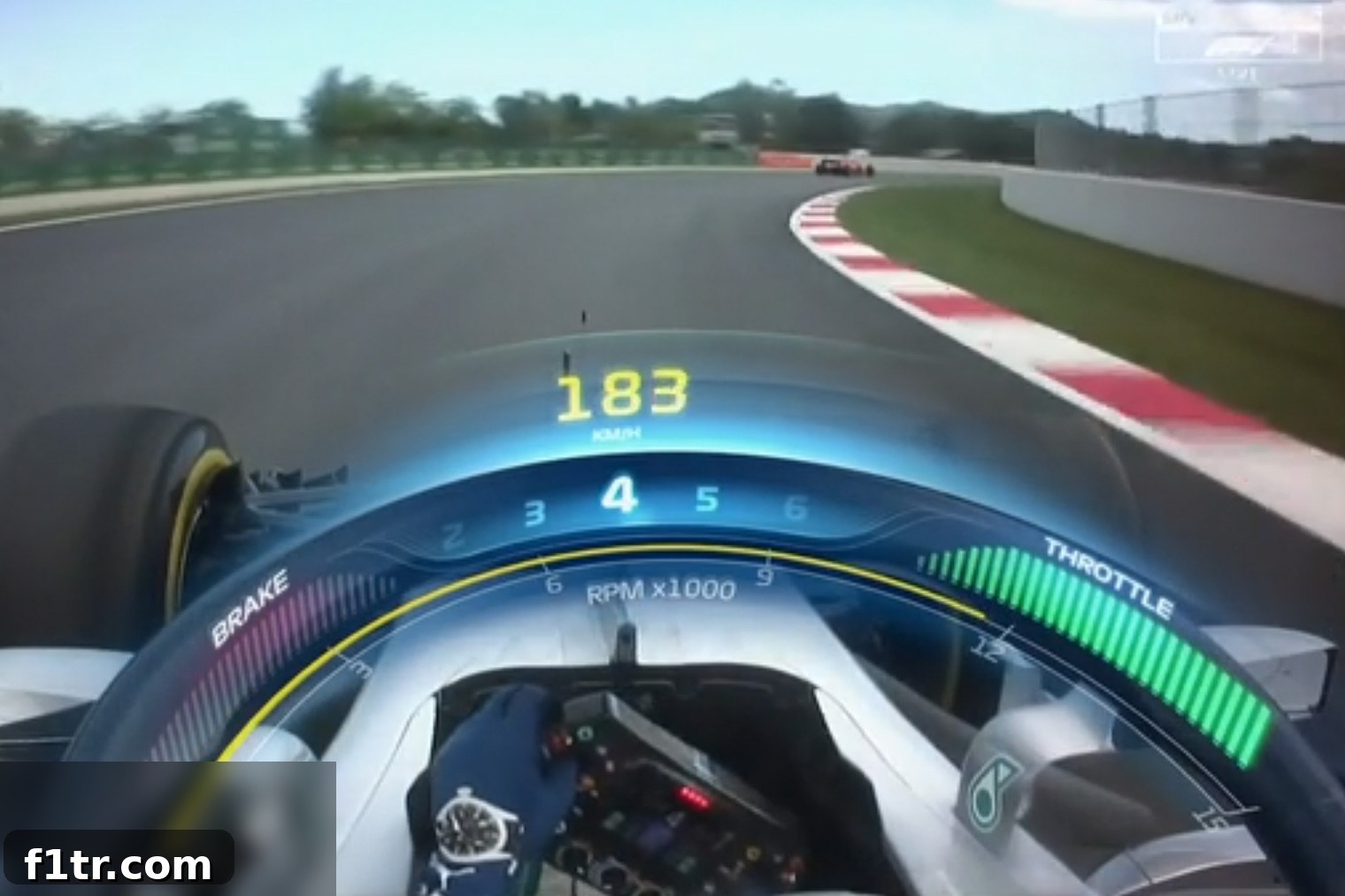
Brawn emphasizes that these changes are meticulously crafted to highlight the unparalleled skill required to pilot an F1 car at the very limit. “We are constantly evolving with new camera angles, an all-new graphic design that helps tell the story of the race, and innovative halo graphics. These visual advancements have successfully made the halo less intrusive on television, ensuring our viewers and fans can appreciate the racing spectacle without distraction,” he explained, highlighting the blend of safety and visual appeal.
Support the content you love: Become a Supporter & go ad-free
Advertisement Space
Revolutionizing the Viewer Experience: Key Broadcasting Enhancements
The pursuit of an unparalleled viewing experience extends beyond just visuals. F1 has paid meticulous attention to the auditory landscape of the sport. “There’s a specially-made microphone placed to enhance the sound of the power units, allowing fans to truly feel the raw power and intensity of these machines,” Brawn noted. The roar of a Formula 1 engine is integral to its identity, and these audio improvements ensure that the visceral thrill is perfectly captured and transmitted to homes around the world. This focus on sound design adds another layer of immersion, bringing viewers closer to the heart of the action.
Capturing Raw Emotion: Immediate Post-Race and Qualifying Interviews
Beyond the technical enhancements, F1 has also revolutionized its approach to driver interaction. Recognizing the importance of human drama and genuine emotion, drivers are now interviewed immediately after qualifying sessions and races. This new protocol captures their reactions in the intense ‘heat of the battle,’ offering an unfiltered glimpse into their triumphs, frustrations, and the sheer physical and mental demands of the sport. “We are capturing the emotions of the drivers on screens around the world, creating a more personal connection between the athletes and their global fanbase,” Brawn highlighted. This immediacy allows fans to connect with their heroes on a deeper, more emotional level, fostering greater engagement and storytelling.
The introduction of these immediate interviews has transformed the post-session analysis, providing viewers with fresh, unvarnished perspectives from the drivers themselves. It allows the audience to witness the raw elation of a pole position or a victory, the crushing disappointment of a missed opportunity, or the exhaustion after a grueling race. This direct access to the drivers’ immediate feelings is a powerful tool for building narratives and fostering deeper fan loyalty, moving beyond mere race results to the human element that makes motorsport so compelling.
Navigating Challenges: The F1 TV Journey and Fan Feedback
While the ambition to innovate is strong, the path to technological advancement is not always smooth. Brawn candidly admitted that not all of F1’s new initiatives have been without their hurdles. The highly anticipated launch of the F1 TV streaming service, for instance, encountered significant technical difficulties upon its debut. “The launch did not go very smoothly,” Brawn acknowledged, extending apologies to the dedicated fanbase. “We are dragging our sport from a place where none of these initiatives previously existed, and we will get there.”
The issues surrounding F1 TV’s initial rollout, which included buffering problems, service outages, and difficulties accessing content, underscored the complex challenges of building a bespoke global streaming platform from the ground up. However, F1’s leadership demonstrated a commitment to transparency and improvement, reassuring fans that efforts were underway to rectify the faults and deliver on the promise of a premium, personalized viewing experience. The vision for F1 TV remains robust: to offer live race feeds, on-demand content, exclusive documentaries, driver onboard cameras, and live timing data – a comprehensive package designed to cater to the most ardent F1 enthusiasts.
The initial setbacks, while frustrating for early adopters, serve as a testament to the scale of F1’s digital transformation. Moving from traditional broadcast models to a direct-to-consumer streaming service is a monumental undertaking, requiring significant investment in infrastructure, software development, and technical support. Brawn’s frank admission and promise of continued development highlight a proactive approach to evolving with fan expectations in a rapidly changing media landscape.
Expanding Fan Engagement: Digital Platforms and Trackside Innovations
F1’s efforts to connect with its audience extend beyond its primary television broadcasts and streaming service. Recognizing the power of social media and personalized experiences, Formula 1 has also introduced other significant initiatives:
Live Post-Race Shows on Twitter: Reaching New Audiences
Leveraging the immediacy and global reach of social media, Formula 1 began broadcasting new live post-race shows directly on Twitter. This strategic move aims to engage a younger, digitally native audience and provide supplementary content that complements the main race broadcast. These shows often feature expert analysis, driver interviews, and fan interaction, creating a dynamic and interactive experience. By meeting fans where they are – on their preferred social platforms – F1 is broadening its appeal and fostering real-time conversations around the sport, creating a vibrant digital community.
The Return of F1 Vision (Formerly FanVision): A Personalized Trackside Experience
For those attending races in person, F1 has reintroduced the popular FanVision handsets, now rebranded as F1 Vision. After a five-year absence, these devices offer a personalized, immersive experience at the circuit. F1 Vision provides live race commentary, real-time timing data, onboard camera feeds, and even a live broadcast of the race – all accessible from the grandstands or fan zones. This innovation empowers trackside spectators with a level of detail and insight previously unavailable, transforming the live event into a truly comprehensive and engaging experience. It bridges the gap between being physically present at the track and having access to the wealth of information typically reserved for TV viewers.
Ross Brawn’s Vision: The Future of Formula 1 Media
At the heart of these transformative initiatives is Ross Brawn’s clear vision for Formula 1’s media future. His leadership reflects a deep understanding of both the sport’s heritage and the evolving demands of modern audiences. Brawn’s strategy is not merely about incremental improvements but about a fundamental reshaping of how F1 is presented and consumed. He recognizes that in today’s competitive entertainment landscape, sports must be dynamic, interactive, and constantly innovating to capture and retain attention.
His emphasis on highlighting driver talent and making the sport “even more exciting” is a direct response to fan feedback and a core tenet of F1’s appeal. By investing in sophisticated camera technology, advanced graphics that demystify complex racing scenarios, and enhanced audio that conveys the visceral thrill of speed, F1 is aiming for a multi-sensory spectacle. Moreover, the integration of immediate post-session interviews and digital platforms like F1 TV and Twitter shows signifies a shift towards greater fan access and emotional connection. Brawn’s leadership is about finding the perfect balance between preserving the sport’s rich tradition and embracing the cutting-edge technologies that define modern media consumption.
The Broader Impact: F1’s Commitment to the Global Audience
These widespread changes are not isolated projects; they are integral components of Formula 1’s broader strategy to cement its position as a leading global sport. In an era of intense competition for viewership and attention, F1 is making significant strides to stand out. By consistently pushing the boundaries of sports broadcasting and digital engagement, the sport aims to not only satisfy its existing passionate fanbase but also attract new generations of enthusiasts from diverse demographics around the world.
The commitment to innovation, transparency in addressing challenges, and the continuous dialogue with fans demonstrate a proactive approach to growth. As Formula 1 continues to evolve, these foundational changes in media and broadcasting will play a crucial role in shaping its narrative, enhancing its reach, and ensuring its enduring appeal for decades to come.
Support the content you love: Become a RaceFans supporter andgo ad-free
Advertisement Space
Related Articles: 2018 F1 Season Insights
The year 2018 was a pivotal period for Formula 1, marked by significant technical developments and strategic shifts. Explore more articles from that era:
- F1 feared “death knell” for Drive to Survive after Ferrari and Mercedes snub
- McLaren staff told us we were “totally crazy” to take Honda engines in 2018 – Tost
- ‘It doesn’t matter if we start last’: How Red Bull’s junior team aided Honda’s leap forward
- Honda’s jet division helped F1 engineers solve power unit problem
- McLaren Racing losses rise after Honda split
Browse all 2018 F1 season articles