Formula 1 Navigates Challenges: A Compromise on Sprint Events for the 2022 Season
Formula 1, the pinnacle of motorsport, is actively working to resolve a significant impasse regarding its highly anticipated sprint event format for the upcoming 2022 season. In a strategic move designed to appease dissenting teams and ensure the continuation of the experimental race weekend structure, F1 management is now proposing a compromise arrangement. This development marks a pivotal moment in the ongoing evolution of the sport’s calendar and format, balancing innovation with the financial realities faced by its competitors.
Following the successful, albeit limited, trial of three sprint qualifying races last year, Formula 1 had ambitious plans to significantly expand the concept. The initial proposal for the 2022 season involved scaling up the initiative to six sprint events, with the intention of introducing this new format as early as the season-opening round in Bahrain. This aggressive expansion reflected F1’s positive assessment of the inaugural sprints, which aimed to inject more excitement and unpredictability into race weekends.
The Genesis and Goals of F1 Sprint Events
The concept of sprint events was first introduced into Formula 1’s regulatory framework in 2021. The primary objective was to experiment with a revised weekend schedule, moving traditional qualifying to Friday and featuring a shorter, approximately 100km sprint race on Saturday. The results of this sprint race then determined the starting grid for Sunday’s main Grand Prix. This radical departure from the established format was envisioned as a way to enhance fan engagement, create more competitive action throughout the weekend, and potentially attract new audiences to the sport.
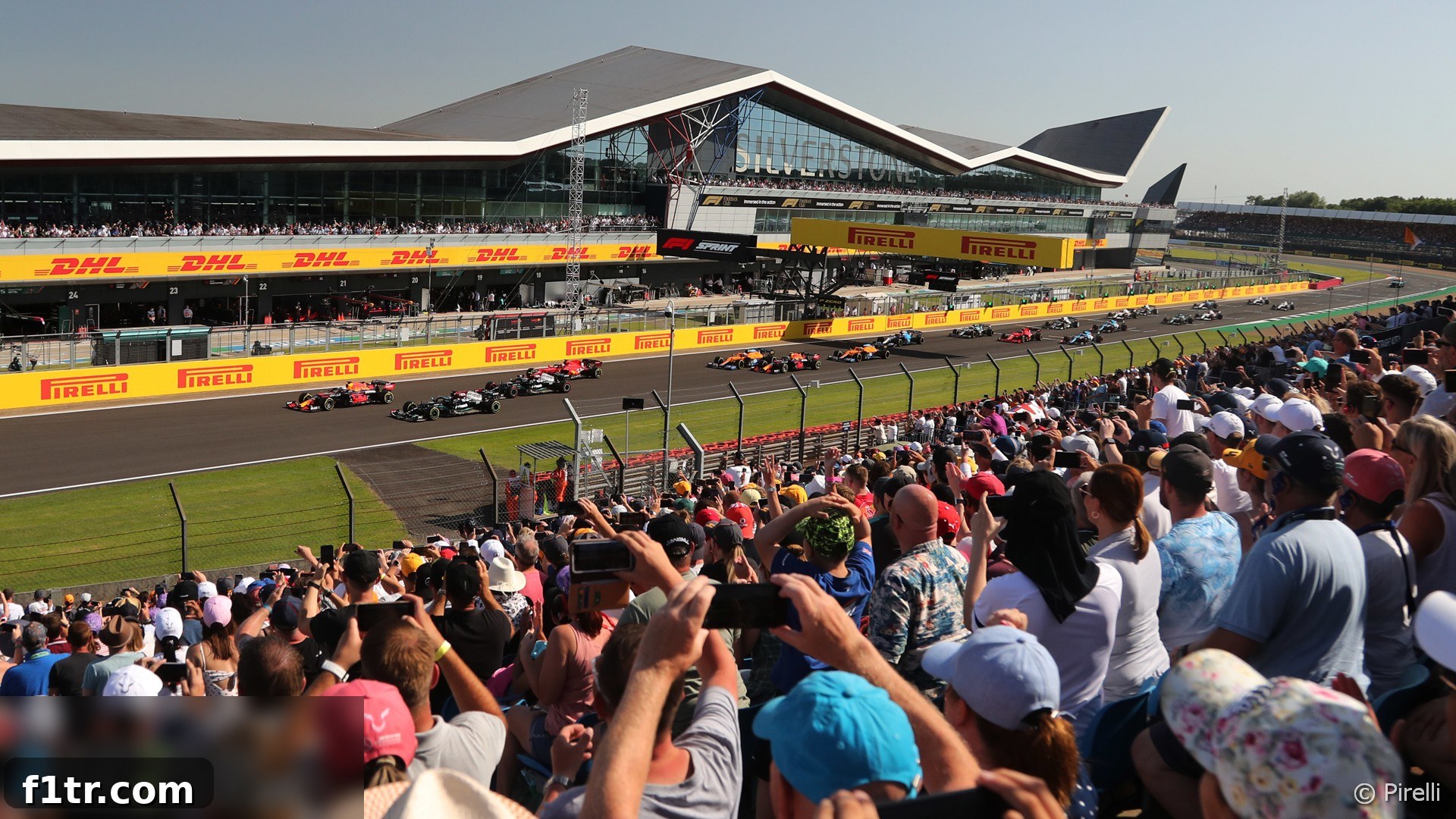
The inaugural sprint events were held at three iconic circuits: Silverstone, Monza, and Interlagos. While they generated considerable discussion and divided opinion among fans and pundits alike, F1’s internal assessment indicated a general success in terms of viewership figures and perceived excitement. Drivers and teams also gained valuable experience with the format, providing crucial feedback that would inform future iterations. The initial points system, awarding 3, 2, and 1 point to the top three finishers respectively, was designed to incentivize competition without overshadowing the Grand Prix itself.
The 2022 Expansion Plan and the Budget Cap Conundrum
Building on the 2021 trials, F1’s commercial rights holder, Liberty Media, alongside the FIA, sought to formalize and expand the sprint event concept for 2022. The plan was to officially incorporate the format into the new technical regulations, which themselves represent a radical overhaul of car design. However, for any rule changes to be implemented this year, F1 requires the unanimous support of all ten teams. It was at this juncture that the expansion plan encountered significant resistance.
F1’s hopes of staging six sprint events in 2022 were effectively dashed by the objections of three particular teams. These teams, facing the immense challenge of designing and building entirely new cars under a drastically revised set of technical regulations, pressed for a crucial increase in the sport’s budget cap. Their primary concern revolved around the potential rise in costs associated with damage incurred during the additional sprint races. More races, especially those featuring high-stakes, short-format competition, inherently carry a higher risk of incidents, leading to costly repairs and spare parts that could push teams over the stringent budget cap.
The F1 budget cap, introduced in 2021, was a landmark regulation designed to level the playing field and foster greater competitive balance by limiting team spending. While generally welcomed for its long-term benefits to the sport, its rigidity presented an immediate challenge when unforeseen cost increases arose. The resisting teams argued that without an adjustment to the budget cap, they would be financially disadvantaged or forced to compromise their main Grand Prix efforts to absorb sprint-related damages. McLaren Racing CEO Zak Brown publicly criticized those pushing for an increase, stating last month that they were “effectively holding the sport hostage,” highlighting the tension and disagreement within the paddock.
Forging a Compromise: Reducing the Number of Sprints
Recognizing the immediate need to break the deadlock and ensure the sprint format could proceed in some capacity, F1 has now indicated a willingness to compromise. RaceFans understands that in response to the teams’ concerns, the proposed number of sprint events for 2022 is likely to be reduced from the originally planned six back down to just three. This concession aims to alleviate some of the financial pressure on teams, particularly those grappling with the significant design and manufacturing challenges posed by the entirely new generation of F1 cars.
The introduction of radically overhauled technical regulations for the 2022 season adds another layer of complexity for all ten teams. This comprehensive redesign of the cars, featuring ground effect aerodynamics and new wheel sizes, means that teams are operating with less historical data and a higher degree of uncertainty regarding performance and reliability. Early season incidents are often more common as teams push the limits of their new machinery, and the added risk of three or six sprint events on top of this already challenging scenario was a major sticking point for some.
While the exact three venues for the revised sprint calendar have yet to be officially confirmed, the initial proposal for six sprint events included prestigious locations such as Bahrain, Imola, Circuit Gilles Villeneuve (Canada), the Red Bull Ring (Austria), Zandvoort (Netherlands), and Interlagos (Brazil). It is expected that the final selection for the three events will consider factors such as track characteristics, logistical ease, and fan appeal, potentially revisiting some of the successful venues from 2021 or selecting from the original 2022 shortlist.
Refining the Sprint Format: Addressing Past Criticisms
Beyond the number of events, Formula 1 is also actively considering alterations to the sprint event format itself. These proposed changes are a direct response to feedback and concerns that emerged following its inaugural introduction last year. Two key areas are under review to enhance the sporting integrity and excitement of the sprint weekends:
Increased Points Awarded for Sprint Races
One of the significant points of discussion after the 2021 trials was the relatively low number of points awarded for sprint events (3-2-1 for the top three finishers). Critics argued that these points were insufficient to truly incentivize drivers to take significant risks or engage in aggressive overtakes during the sprint, as the potential reward did not always outweigh the risk of an incident impacting their Grand Prix start. To address this, F1 is considering increasing the number of points on offer, potentially expanding the points-paying positions or awarding more substantial points to the leading finishers. A more generous points system could make the sprint races more meaningful in the championship standings, encouraging harder racing and adding another layer of strategic depth to the weekend.
Reassigning Pole Position
Another contentious aspect of the original sprint format was that the winner of the Saturday sprint race was officially awarded pole position for the Grand Prix. This departed from the long-standing tradition of awarding pole to the driver who set the fastest time in the dedicated qualifying session. Many purists and even some drivers expressed concern that this diminished the prestige and significance of the Friday qualifying session, which showcases pure single-lap pace. The proposed alteration would revert to the traditional system, identifying the pole position winner as the driver who sets the quickest time in the regular Friday qualifying session. This change would restore the historical value of pole position while allowing the sprint race to remain an exciting, standalone event that dictates the start of the Grand Prix, but not the ultimate ‘pole’ accolade.
The Future Trajectory of F1 Sprint Events
This compromise on the number of sprint events and the willingness to refine their format underscores Formula 1’s commitment to innovation, but also its pragmatic approach to managing stakeholder relations. While the initial ambition for six sprints has been tempered, the continuation of three events suggests that F1 views the sprint format as a valuable asset that contributes to the sport’s spectacle and commercial appeal. The discussions highlight the complex interplay between sporting integrity, financial viability, and fan engagement that constantly shapes the future direction of Formula 1.
The successful implementation and refinement of these three sprint events in 2022 will be crucial in determining their long-term viability and whether they become a permanent fixture on the F1 calendar. By addressing the budget cap concerns and enhancing the sporting aspects of the format, F1 aims to create a more widely accepted and exciting race weekend structure that continues to captivate its global audience while ensuring the fair and sustainable participation of all its teams.