Formula 1 Unveils Major Rule Changes for 2024 Season: Sprint Format Revamp, DRS Standardization, and Power Unit Boost
The highly anticipated 2024 Formula 1 season is set to introduce significant adjustments to its regulations, promising an even more dynamic and strategically intricate championship. Following a pivotal meeting held recently in London, the FIA’s Formula 1 Commission, comprising key representatives from the FIA, Formula One Management, and all ten F1 teams, reached a consensus on several critical changes. These amendments primarily target the sprint race weekend format, the application of the Drag Reduction System (DRS), and the allocation of power units, all designed to enhance competitive balance, improve racing spectacle, and streamline operational aspects for teams and drivers alike.
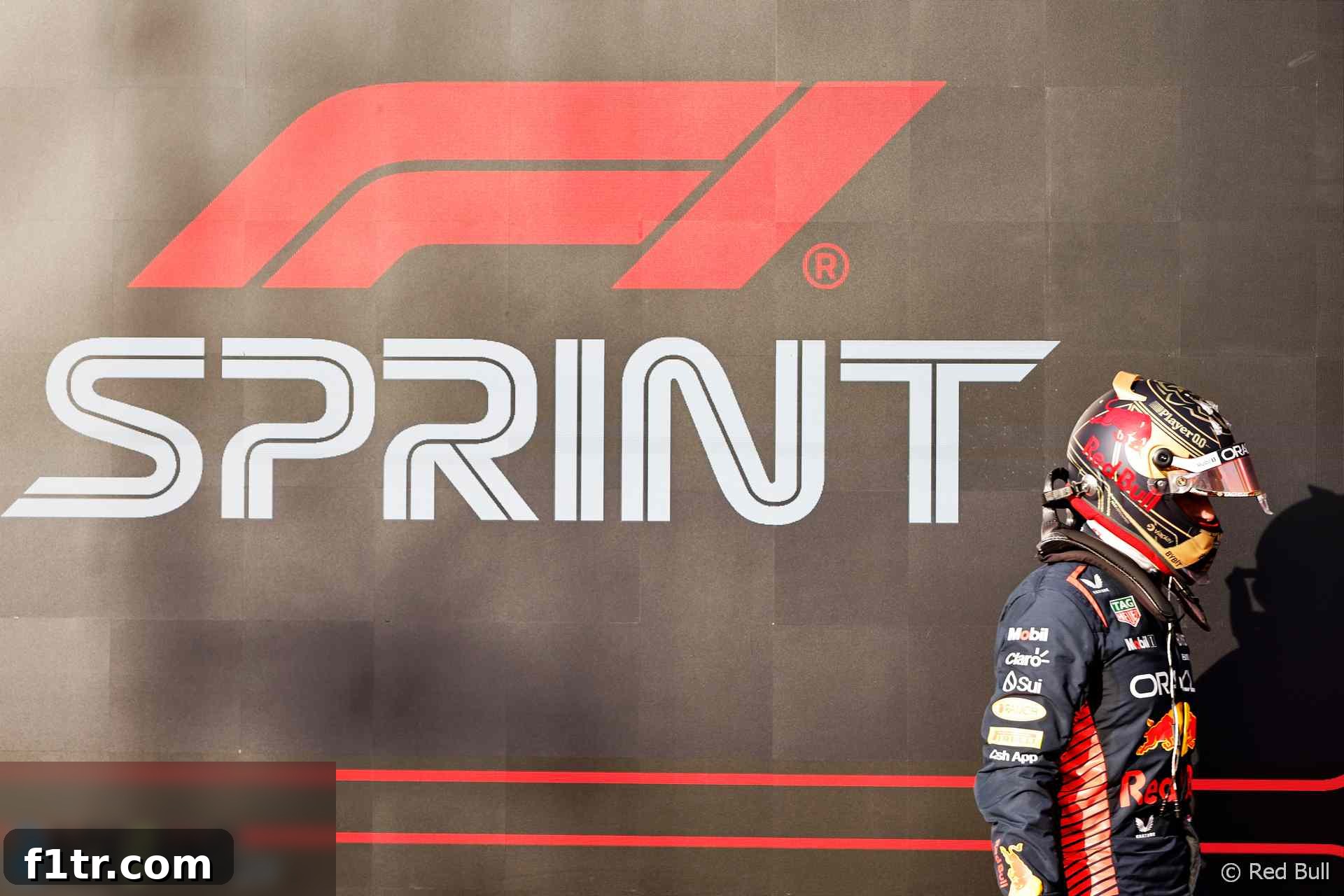
Revamped Sprint Race Format Promises Enhanced Grand Prix Experience
Since its introduction, the sprint race format has undergone several iterations, as Formula 1 continuously seeks to refine its weekend structure to maximize fan engagement and competitive excitement. The latest proposed changes represent a substantial overhaul, aiming to create a more distinct and cohesive sprint weekend while preserving the traditional Grand Prix format’s integrity. This new structure is poised to offer a clearer narrative throughout the event, ensuring that both sprint and Grand Prix sessions carry their own unique weight and strategic considerations.
The New Sprint Schedule: A Clearer Path to Glory
Under the newly agreed-upon format, the rhythm of a sprint race weekend will see a significant shift. Fridays will now commence with a single practice session, crucial for teams to dial in their car setups before immediately heading into the sprint qualifying session. This intense opening day means teams have limited time to optimize performance, adding an immediate layer of pressure and strategic decision-making. The results of this sprint qualifying will then set the grid for Saturday’s sprint race.
Saturday, the heart of the sprint action, will begin with the sprint race itself, acting as a standalone competitive event that awards points but no longer dictates the Grand Prix starting grid. Crucially, following the conclusion of the sprint race, teams will then prepare for the traditional Grand Prix qualifying session. This crucial session will determine the starting positions for Sunday’s main event, the Grand Prix. This separation ensures that any penalties or incidents from the sprint race do not unduly impact the Grand Prix, allowing both events to be judged on their own merits. Sunday will then, as always, culminate in the Grand Prix, the ultimate prize of the weekend.
Rationale Behind the Shift: Optimizing Competition and Fan Appeal
The rationale behind this latest sprint format evolution is multi-faceted. One primary objective is to make the sprint weekend more understandable and enjoyable for viewers. By clearly separating the sprint events from the Grand Prix qualifying, the weekend’s progression becomes more logical and less confusing. Furthermore, this structure significantly mitigates the impact of ‘Parc Fermé’ regulations, which previously locked in car setups after Friday’s qualifying for both the sprint and Grand Prix. This often led to conservative choices, as teams prioritized a good Grand Prix setup over a potentially more aggressive, but risky, sprint setup. With the new format, teams gain more flexibility to adjust their cars between the sprint race and Grand Prix qualifying, potentially leading to more daring and optimized setups for each distinct session.
From a competitive standpoint, this change aims to encourage more aggressive driving in the sprint race, as drivers know their performance in this shorter event won’t directly compromise their Grand Prix starting position beyond any associated grid penalties. This could lead to more thrilling on-track battles, increasing the entertainment value for fans watching both trackside and from home. The FIA and Formula One Management are clearly striving to perfect a format that adds excitement without diluting the prestige of the Sunday Grand Prix.
DRS Rules Standardized Across All Grand Prix for 2024
The Drag Reduction System (DRS) has been an integral part of Formula 1’s efforts to facilitate overtaking and inject excitement into races since its introduction. Providing a temporary boost in straight-line speed by flattening the rear wing, DRS is designed to help a trailing car close the gap and attempt an overtake. However, its application has seen variations, particularly between traditional Grand Prix and the newer sprint race formats.
Unifying DRS Across All Races: Simpler Rules, Consistent Action
Ahead of the 2024 season, the FIA has taken a significant step towards standardizing DRS activation rules. Previously, in sprint races, drivers were allowed to activate DRS from the end of the first lap or after one green flag lap following a Safety Car or Virtual Safety Car restart. This rule was designed to quickly open up the racing after starts or neutralizations, promoting immediate action in the shorter sprint events. Now, this very same regulation will be extended to apply to *all* Grand Prix throughout the entire 2024 season.
This harmonization of the DRS rule eliminates a previous discrepancy between sprint and Grand Prix regulations, simplifying the ruleset for both drivers and fans. The immediate activation of DRS after lap one (or a green flag lap after a restart) in every race is expected to enhance overtaking opportunities earlier in the race, potentially leading to more dynamic opening stints and faster restarts. This move underscores a commitment to maximizing the racing spectacle and ensuring consistent rules application across all competitive sessions, removing any potential confusion for teams in their strategic planning and for spectators following the action.
Power Unit Allocation Increased for 2024 and 2025 Seasons
In modern Formula 1, power units are marvels of engineering, combining internal combustion engines with sophisticated hybrid systems. Their reliability is paramount, given the stringent limits on the number of components each driver can use per season. Exceeding these limits inevitably leads to grid penalties, often reshuffling the starting order and significantly impacting a driver’s race prospects. These limitations are primarily in place to control costs and encourage durability among manufacturers.
An Extra Power Unit for 2024-2025: Strategic Flexibility and Reliability Boost
Recognizing the ever-increasing demands of a growing race calendar and the intense pressure on power unit components, the FIA has agreed to increase the allocation of power units for each driver. For the upcoming 2024 and 2025 seasons, drivers will now be permitted to use four power units over the course of the 24-round season, up from the previous allowance of three. This change applies to all primary components of the power unit, including the Internal Combustion Engine (ICE), Motor Generator Unit-Kinetic (MGU-K), Motor Generator Unit-Heat (MGU-H), turbocharger, energy store, and control electronics.
This increase offers significant relief to teams and power unit manufacturers. With an expanded calendar, the cumulative mileage and stress on components have intensified, making it increasingly challenging to complete a season with just three units without incurring penalties. The additional power unit provides greater strategic flexibility, allowing teams to manage their component usage more effectively, potentially reducing the frequency of grid penalties and ensuring that more races are fought purely on merit rather than due to reliability issues. It also offers manufacturers a slightly larger margin for error or for more aggressive development pushes within the season, knowing they have an extra unit in reserve. Ultimately, this change is expected to contribute to a more consistently competitive field, as teams can push their machinery harder with slightly less fear of immediate penalty.
Broader Governance and Future Outlook of Formula 1
The FIA Formula 1 Commission serves as a critical forum for discussing and agreeing upon the sporting, technical, and financial regulations that govern the pinnacle of motorsport. Its composition, bringing together the sport’s governing body (FIA), its commercial rights holder (FOM), and the competing teams, ensures that decisions are made with a comprehensive understanding of their impact across all facets of Formula 1.
The Role of the F1 Commission and Continuous Evolution
Beyond the headline changes, the London meeting also served as a platform to address various minor amendments to the existing regulations for the current championship. These smaller adjustments are crucial for fine-tuning the rulebook, addressing unforeseen loopholes, or improving the practical application of regulations observed during previous seasons. Such continuous refinement is essential for maintaining fair competition, enhancing safety, and ensuring the smooth operation of every Grand Prix weekend. It underscores the FIA’s proactive approach to governance, constantly adapting the sport to new challenges and opportunities.
Glimpse into 2026 and Beyond: Preparing for a New Era
A significant part of the commission’s discussions also revolved around the incoming new power unit regulations slated for 2026. This period marks a pivotal moment for Formula 1, with a strong focus on sustainability, electrification, and attracting new manufacturers. Discussions at these meetings involve complex technical details, logistical challenges, and the balancing act required to ensure the sport remains at the cutting edge of automotive technology while also being environmentally responsible and financially viable for all participants. These preliminary talks are vital for laying the groundwork for future seasons, ensuring a smooth transition and a robust competitive landscape for the next generation of Formula 1 machinery.
Formal Approval and What Comes Next for the 2024 Regulations
While the Formula 1 Commission has reached an agreement on these proposed changes, they are not yet officially implemented. All agreed changes must now undergo a formal approval process by the FIA’s World Motor Sport Council (WMSC). The WMSC, the supreme executive body of the FIA, has the ultimate authority to ratify or reject such proposals.
The next meeting of the WMSC is scheduled to take place virtually on February 28th. This date is particularly significant as it falls just one day before the first practice session for the opening Grand Prix of the year at the iconic Bahrain International Circuit. This tight timeline means that teams and fans alike will learn the final confirmation of these crucial rule changes mere hours before the 2024 season officially kicks off, adding an extra layer of anticipation to an already exciting start to the championship.
Become a RaceFans Supporter
RaceFans thrives thanks in part to the generous support of its dedicated readers. By contributing just £1 per month or £12 per year (or the equivalent in your local currency), you can play a vital role in covering the ongoing costs of creating high-quality content, hosting, and continually developing the RaceFans platform, both today and in the future.
Join the RaceFans Supporter community today and enjoy a completely ad-free browsing experience. Discover more details or sign up via the links provided below:
- Become a RaceFans Supporter
- RaceFans Supporter FAQ
Formula 1 Insights
Dive deeper into the world of Formula 1 with more engaging articles and analyses from our archives.
Browse all Formula 1 articles