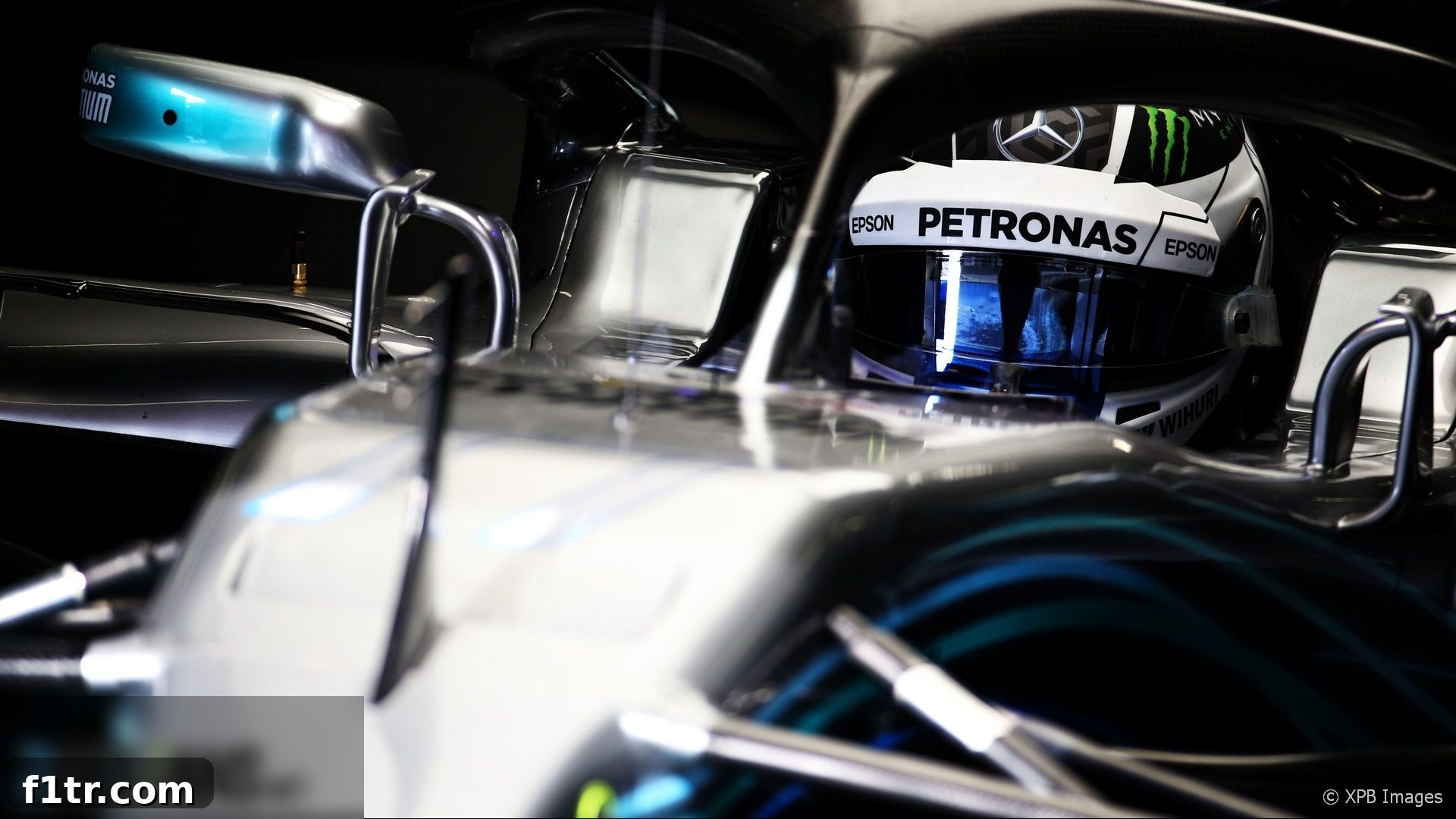
Valtteri Bottas’s Focused Approach: Prioritizing Self-Improvement for the 2018 Mercedes F1 Season
As the Formula 1 circus geared up for the intensely anticipated 2018 season, all eyes were on the Silver Arrows camp, specifically on Valtteri Bottas. Entering his crucial second year with the formidable Mercedes-AMG Petronas F1 Team, Bottas revealed a profoundly strategic and introspective approach to the upcoming championship challenge. Rather than fixating on the towering presence of his four-time world champion teammate, Lewis Hamilton, the Finnish driver articulated a clear intention to channel his energy squarely into refining his own performance and eliminating personal weaknesses.
A Strategic Shift: Focusing Inward, Not Outward
Following a rigorous day of pre-season testing at the iconic Circuit de Catalunya, Bottas candidly addressed the media, outlining his philosophical shift. “Every driver has weaknesses, that’s how it goes,” he acknowledged. This fundamental understanding formed the bedrock of his revised strategy. He continued, expressing a clear demarcation of his priorities: “But rather than focusing too much on him, I’m going to spend my energy and focus on myself and my performance on track. And if I perform on the level that I’m aiming to every single race, I hope that will do the job.”
This declaration underscored a mature and self-aware mindset, crucial for any athlete operating at the pinnacle of global motorsport. The Finn emphasized his intent to avoid external distractions and psychological warfare, stating unequivocally, “So I’m not going to start wasting my energy on any games.” This commitment to self-mastery over inter-team rivalry marked a significant evolution in his approach, suggesting a deeper understanding of the mental fortitude required to contend for a world championship.
Post-Season Reflection: Unpacking the 2017 Campaign
Bottas revealed that his introspective journey wasn’t a sudden revelation but rather the result of a structured, comprehensive evaluation of his debut season with Mercedes. Throughout December and January, he engaged in a series of detailed meetings with the team, meticulously dissecting his 2017 performance. These sessions were not merely a recap but a deep dive into specifics.
“These focused on the races, the conditions, the sessions I didn’t perform on the level I should have,” Bottas explained. This level of granular analysis is typical in top-tier motorsport, where every tenth of a second and every strategic decision can alter the outcome. The insights gleaned from these intensive post-season reviews proved invaluable. “And I learned a lot from those, so definitely more focus has been on those,” he added, highlighting the practical application of this analytical work.
While acknowledging the critical importance of addressing his shortcomings, Bottas also stressed the need for a holistic approach. “But also my average races or good races, I want to make every area better. Definitely focus more on my weaknesses, that’s the way to go, but you also need to remember your strengths.” This balanced perspective is vital for sustained improvement, ensuring that while areas for development are targeted, inherent talents and successes are also recognized and built upon.
The Rollercoaster of 2017: Lessons from a Challenging Second Half
Valtteri Bottas’s inaugural season with Mercedes in 2017 began with considerable promise. He secured his maiden Formula 1 victory at the Russian Grand Prix and followed it up with another win in Austria, firmly establishing himself as a credible contender. However, the latter half of the season proved to be a sterner test of his resolve and adaptability. After the traditional August summer break, Bottas encountered a noticeable dip in form, struggling to consistently match Hamilton’s pace and capitalize on opportunities.
“It was tough last year because I really wanted to perform after the August break and that’s when there were a few difficult races,” he reflected. This period was undoubtedly challenging, placing immense pressure on the Finn as the championship battle intensified. Yet, it was precisely these trials that forged a stronger, more resilient Bottas. “So that was a pretty tough time which I learned from massively,” he affirmed, transforming potential setbacks into profound learning experiences.
Building Resilience: A Career-Long Journey of Growth
Bottas’s philosophy of learning from adversity isn’t confined to his recent F1 experiences. He believes that tough times are an inevitable part of any career, especially in competitive sports. To illustrate this point, he recounted a poignant childhood memory that underscored his inherent drive and resilience from an early age.
“But through your career there’s always tough times. I remember once, I was seven or something, a go-kart race, I was nowhere, I had no pace. I went crying behind a trailer because I was so disappointed.” This vivid recollection paints a picture of a young Bottas already grappling with the fierce demands of competition and the emotional toll of underperformance. Yet, even then, the disappointment catalyzed growth. “So things like this, many examples, which makes you stronger if you learn from those,” he concluded.
This anecdote provides valuable insight into Bottas’s character, highlighting a lifelong pattern of confronting disappointment, analyzing its causes, and emerging stronger. Such mental toughness is not merely beneficial but absolutely essential for a Formula 1 driver, where the margins are minuscule and the stakes are astronomically high. The ability to process setbacks, learn from them without dwelling on them, and apply those lessons moving forward is a hallmark of elite performers.
The Road Ahead: Optimism and Determination for 2018
Entering the 2018 season with this renewed focus, Bottas aimed to translate his rigorous self-evaluation into consistent, race-winning performances. His commitment to identifying and eradicating weaknesses, while simultaneously acknowledging and leveraging his strengths, provided a solid foundation for the year. The initial pre-season testing provided the first tangible opportunities to put these insights into practice, working closely with the Mercedes engineers to fine-tune the W09 chassis and optimize his driving style.
For Mercedes, Bottas’s focused approach was undoubtedly welcome. A confident and consistently performing second driver is invaluable for a team battling for both the Constructors’ and Drivers’ Championships. While Hamilton remained the undisputed team leader, Bottas’s ability to challenge him directly and extract maximum performance from the car was crucial for fending off rivals like Ferrari and Red Bull. His decision to concentrate on his own journey rather than engaging in a direct psychological battle with Hamilton could well be the key to unlocking his full potential and establishing himself as a more formidable force in Formula 1.
The 2018 season promised to be another thrilling chapter in Formula 1 history, and Valtteri Bottas, armed with newfound clarity and an unwavering commitment to self-improvement, was ready to play a pivotal role in it. His journey exemplified the relentless pursuit of perfection that defines the world’s fastest sport, proving that even at the very top, there is always room for growth, reflection, and strategic refinement.
Go ad-free for just £1 per month>> Find out more and sign up
2018 F1 season
- F1 feared “death knell” for Drive to Survive after Ferrari and Mercedes snub
- McLaren staff told us we were “totally crazy” to take Honda engines in 2018 – Tost
- ‘It doesn’t matter if we start last’: How Red Bull’s junior team aided Honda’s leap forward
- Honda’s jet division helped F1 engineers solve power unit problem
- McLaren Racing losses rise after Honda split
Browse all 2018 F1 season articles