F1 2021 Season: Unpacking Early Season Performance Shifts and Lap Time Dynamics
The initial race of the 2021 F1 season in Bahrain presented a surprising sight: all ten teams recorded slower lap times compared to their performance in the previous year. This collective slowdown was largely anticipated, given the significant aerodynamic regulation changes introduced to deliberately reduce car performance and potentially level the playing field. These adjustments, particularly to the rear floor and diffuser area, were designed to cut downforce and subsequently increase lap times, challenging teams to innovate within a tighter rulebook.
However, just three weeks later, at the iconic Autodromo Enzo e Dino Ferrari in Imola, the narrative began to shift dramatically. The Emilia Romagna Grand Prix showcased a remarkable turnaround for several teams, with two outfits astonishingly lapping quicker around the circuit than they did when F1 last visited the venue merely five months prior. This rapid improvement underscores the relentless development pace in Formula 1 and the teams’ incredible ability to adapt and overcome technical challenges posed by new regulations.
The 2021 season’s regulations brought a host of changes aimed at slowing down the cars. Various sections of the rear bodywork were meticulously cut back, and revised tyre constructions were introduced, all contributing to a reduction in aerodynamic efficiency and grip. Therefore, for teams to not only mitigate the performance losses but actually gain time speaks volumes about their engineering prowess and strategic development. The margins in Formula 1 are always razor-thin, and these early season gains, however slight, can set the tone for competitive battles throughout the year.
At Imola, McLaren and Williams emerged as the first teams this season to demonstrate a year-on-year improvement in lap times. While both teams’ gains were less than a tenth of a second – a testament to the brutal efficiency required in F1 – McLaren’s true progress might have been even more significant. Lando Norris, a standout performer, had his fastest qualifying lap time controversially deleted for exceeding track limits, a decision that undoubtedly masked the full extent of McLaren’s improved pace. This demonstrates the fine line between pushing the limits and overstepping them in pursuit of performance, especially under the watchful eye of race stewards.
Mercedes, despite facing the brunt of the regulation changes, still managed to set the quickest lap time of the weekend, courtesy of Lewis Hamilton’s masterful pole-winning effort. Yet, their triumph came with a caveat, as the team was still lapping eight-tenths of a second slower than their 2020 performance at the same circuit – the biggest year-on-year deficit among all teams. This highlights the substantial impact of the new rules on the previously dominant Mercedes package, forcing them to work harder to maintain their competitive edge.
Red Bull Racing, widely considered Mercedes’ closest rivals, surely recognized Imola as a missed opportunity. Max Verstappen, known for his relentless consistency, made a rare error on his final flying lap – a moment of untidiness he openly acknowledged. This mistake, according to Mercedes team principal Toto Wolff, cost Verstappen a solid shot at pole position. Such small errors at the pinnacle of motorsport can have significant implications, influencing not just a single race but potentially the psychological momentum of a championship battle. The high stakes mean every fraction of a second, every corner entry, every gear change must be executed flawlessly.
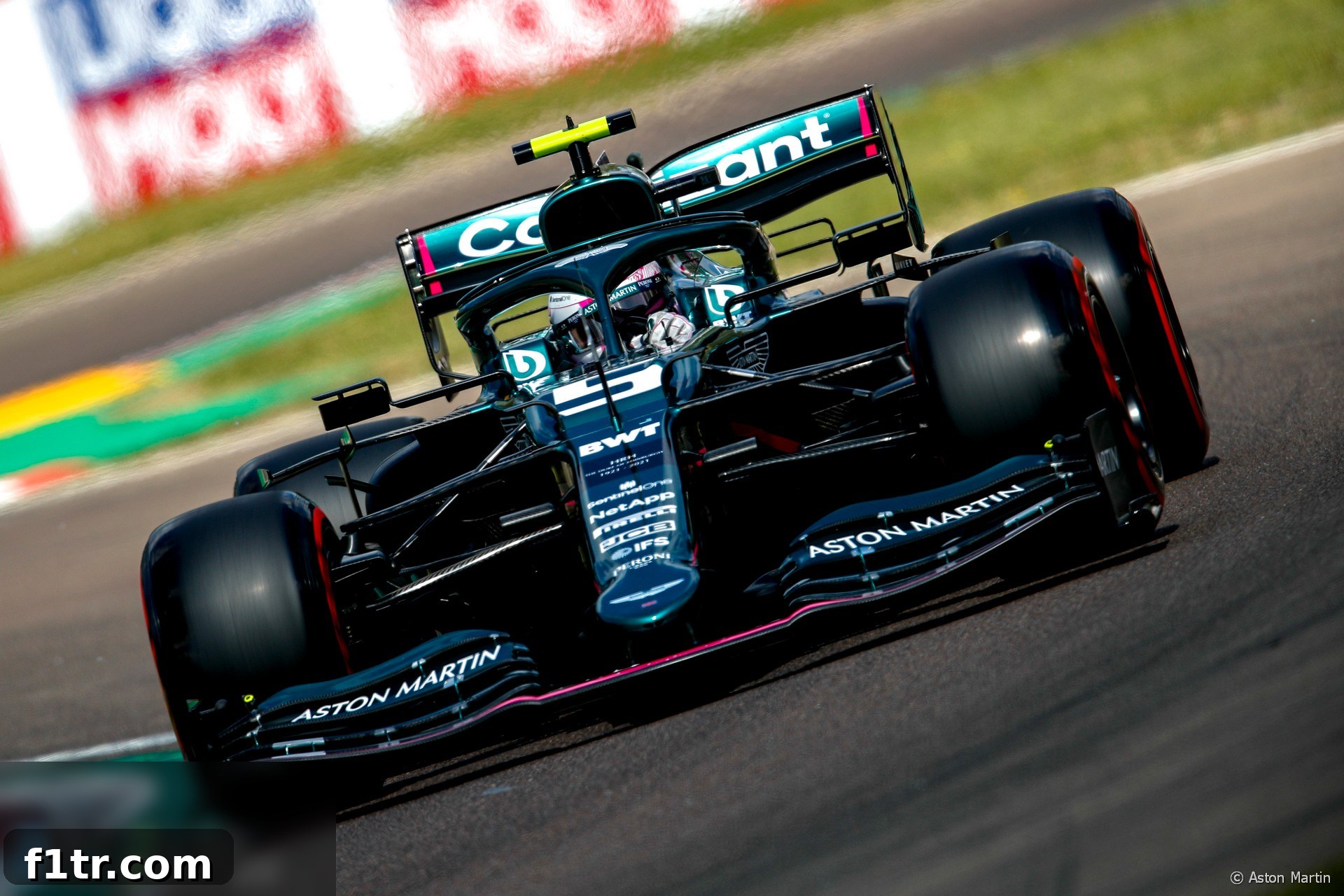
Perhaps the most intriguing year-on-year change, however, was observed at Aston Martin. The team’s CEO, Otmar Szafnauer, had previously voiced bitter complaints regarding the new regulations, specifically alleging that they were designed to intentionally reduce the competitiveness of teams running ‘low rake’ cars – a design philosophy predominantly adopted by Aston Martin and Mercedes. The concept of ‘rake’ in F1 refers to the angle of the car’s chassis relative to the ground, with a ‘low rake’ setup typically maximizing the flat floor area for aerodynamic efficiency.
Szafnauer’s argument highlighted a perceived disadvantage for these teams, forcing them to fundamentally redesign elements of their car in a shorter timeframe compared to high-rake cars. Despite Mercedes taking the most substantial performance hit of any team at Imola, Aston Martin, formerly known as Racing Point, showed remarkable resilience. They were lapping within a mere tenth of a second of the times they set last year, an impressive feat considering the constraints. The AMR21, their 2021 challenger, was only 0.077 seconds slower than its predecessor, the RP20, around the demanding Imola circuit.
Following the season opener in Bahrain, where Aston Martin struggled significantly more, Szafnauer had publicly vowed to begin “clawing back the deficit that was imposed on us by the FIA through their regulation change.” Their performance at Imola suggests they are well on their way to achieving this goal, demonstrating an effective understanding of the new rules and rapid development from their engineering team. This swift adaptation is crucial for any team aspiring to challenge at the front, especially when facing such a significant rule overhaul.
Aston Martin is not alone in experiencing a significant shift in fortunes at Imola compared to the Bahrain Grand Prix. They, along with Williams and McLaren, have performed notably better relative to their 2020 benchmarks than many other teams on the grid. This variation underscores the complex interplay between track characteristics, car setup, and the subtle nuances of aerodynamic performance under new regulations. What works optimally at one circuit might not translate as effectively to another.
The early stages of the F1 season are always a period of intense learning and adaptation for all teams. Different venues, with their unique layouts, temperatures, and tyre demands, will inevitably expose varying strengths and weaknesses. Therefore, it will likely take a few more races at a diverse range of circuits before a comprehensive and definitive picture of the current balance of power and the true pecking order within the 2021 Formula 1 season truly emerges. Fans and analysts alike will be eagerly watching to see which teams continue to find performance, and which might struggle to unlock the full potential of their machinery under these challenging new regulations.
2021 Emilia-Romagna Grand Prix Articles
- Poor Imola pace was “100% tyres”, says Bottas
- Bottas says Imola crash is “history” after reading George Russell’s apology
- ‘Lewis and Valtteri are team mates to me as Nicholas is’ says Russell after ‘private’ Toto Wolff talks
- ‘Hamilton didn’t break the rules by reversing’ shouldn’t be a story
- 2021 Emilia-Romagna Grand Prix Star Performers
Browse all 2021 Emilia-Romagna Grand Prix articles