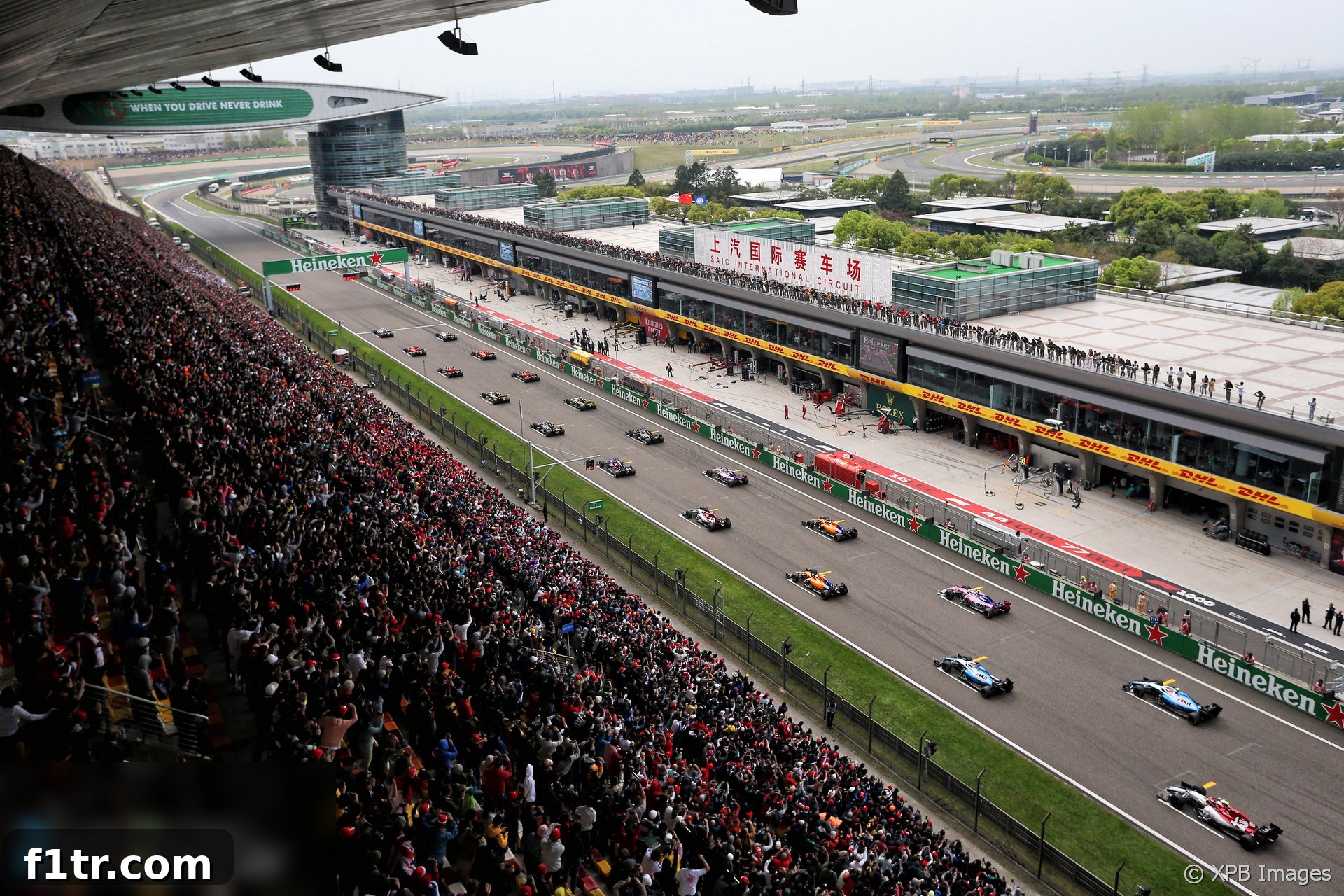
In a significant development for the 2020 Formula 1 season, the highly anticipated Chinese Grand Prix, originally scheduled for April at the iconic Shanghai International Circuit, has been officially postponed. This decision comes amidst growing concerns over the global spread of the novel coronavirus, now formally designated COVID-19, which has had a profound impact on international events and travel worldwide. The move underscores the paramount importance placed on the health and safety of all participants, staff, and fans within the Formula 1 community.
Formula 1 has confirmed that the race, which was slated to be the fourth event on the 2020 F1 calendar, has been “postponed” rather than cancelled outright. This indicates a strong intent from the sport’s governing bodies to explore all possible avenues for rescheduling the event later in the year, should the global health situation improve sufficiently. The intricate logistics and tight scheduling of the Formula 1 calendar present considerable challenges, but all parties involved are committed to finding a viable alternative date.
The decision to postpone was not taken lightly and followed extensive consultations and an official request from the local organizers. A statement from Formula 1 detailed the collaborative process: “In view of the continued spread of novel coronavirus and after ongoing discussions with the Federation of Automobile and Motorcycle Sports of People’s Republic of China (CAMF) and Shanghai Administration of Sports, the Chinese Grand Prix Promoter, Juss Sports Group, has officially requested that the Formula 1 Heineken Chinese Grand Prix 2020 be postponed.” This highlights the local authorities’ crucial role and their commitment to public health.
Both Formula 1 and the Fédération Internationale de l’Automobile (FIA) swiftly accepted this official request, emphasizing their shared responsibility. “Formula 1, together with the FIA, have jointly decided to accept this official request from the promoter and postpone the Formula 1 Heineken Chinese Grand Prix 2020, originally scheduled for 19 April 2020,” the statement further clarified. This unified front reinforces the gravity of the situation and the sport’s dedication to responsible action in the face of a global health crisis.
The fundamental reason underpinning this postponement is the prevailing health concerns and the declaration by the World Health Organisation (WHO) of the coronavirus as a global health emergency. F1 and the FIA have reiterated their primary objective: “As a result of continued health concerns and with the World Health Organisation declaring the coronavirus as a global health emergency, Formula 1 and the FIA have taken these measures in order to ensure the health and safety of the travelling staff, championship participants and fans, which remains of primary concern.” This commitment to safety is non-negotiable and dictated by expert medical advice and global health guidelines.
The Shanghai International Circuit, a modern marvel of motorsport engineering, has been a staple on the Formula 1 calendar since its debut in 2004. Known for its challenging layout, including the iconic snail-shaped Turn 1 and 2 complex and its long back straight, it has consistently delivered thrilling races and memorable moments. The Chinese Grand Prix has carved out a significant place in the hearts of F1 enthusiasts, particularly in the rapidly expanding motorsport market in Asia. The vibrant atmosphere created by the passionate Chinese fans is legendary, making the prospect of its absence from the early 2020 calendar a significant disappointment for many.
Stakeholders, including teams, race promoters, the CAMF, and local authorities, will continue to work in close collaboration, meticulously monitoring the evolving situation. The official statement conveyed this ongoing commitment: “Formula 1 and the FIA continue to work closely with the teams, race promoter, CAMF [the Federation of Automobile and Motorcycle Sport of China] and the local authorities to monitor the situation as it develops. All parties will take the appropriate amount of time to study the viability of potential alternative dates for the Grand Prix later in the year should the situation improve.” This collaborative spirit is essential for navigating such an unprecedented challenge and ensuring the best possible outcome for the championship.
The deep appreciation for the Chinese Grand Prix and its dedicated fanbase was also highlighted. “The Chinese Grand Prix has always been a very important part of the Fl calendar and the fans are always incredible. We all look forward to racing in China as soon as possible and wish everyone in the country the best during this difficult time.” This heartfelt message reflects the strong bond between Formula 1 and its global audience, offering support and hope during a period of uncertainty.
The ripple effect of this postponement on the 2020 F1 calendar is immediate and notable. With the Chinese Grand Prix removed from its April slot, the Dutch Grand Prix, marking its triumphant return to the F1 calendar after a 35-year absence, will now step up to become the fourth round of the championship. This shift follows the new round in Vietnam, creating a new rhythm for the early part of the season. Spectators will now experience a three-week gap between these two races, providing a different dynamic to the initial stages of the championship.
The global health landscape at the time of this decision was rapidly changing. The coronavirus, officially named Covid-19, had by then reportedly infected more than 44,000 people within China and demonstrated its international reach by spreading to at least 20 other countries. Tragically, the number of deaths attributed to the virus in China had already surpassed 1,000. These stark figures underscore the severity of the outbreak and the necessity of proactive measures to contain its spread and protect public health on a global scale. The decision to postpone the Chinese Grand Prix was a microcosm of broader responses by international organizations and governments grappling with this emergent health crisis.
As the Formula 1 community navigates these challenging times, adaptability and resilience will be key. While the absence of the Chinese Grand Prix from its traditional slot is regrettable, the emphasis remains firmly on collective well-being and a hopeful return to racing in Shanghai when conditions allow. The 2020 season promises to be one unlike any other, shaped by global events far beyond the racetrack.
- See the updated 2020 F1 calendar
Become a RaceFans supporter andgo ad-free
2020 F1 season
- Grosjean to make F1 test return tomorrow for first time since Bahrain horror crash
- Pictures: Wrecked chassis from Grosjean’s Bahrain fireball crash to go on display
- Bottas vs Rosberg: Hamilton’s Mercedes team mates compared after 78 races each
- F1 revenues fell by $877 million in Covid-struck 2020 season
- Hamilton and Mercedes finally announce new deal for 2021 season
Browse all 2020 F1 season articles