Formula 1 Unpacked: Leadership, Safety, and the Future of Motorsport Talent
In the dynamic world of Formula 1, conversations are always buzzing, from the strategic vision of team principals to the monumental strides in driver safety and the ever-present challenge for aspiring talent to break into the elite ranks. This comprehensive roundup delves into key discussions, bringing you insights from across the F1 community.
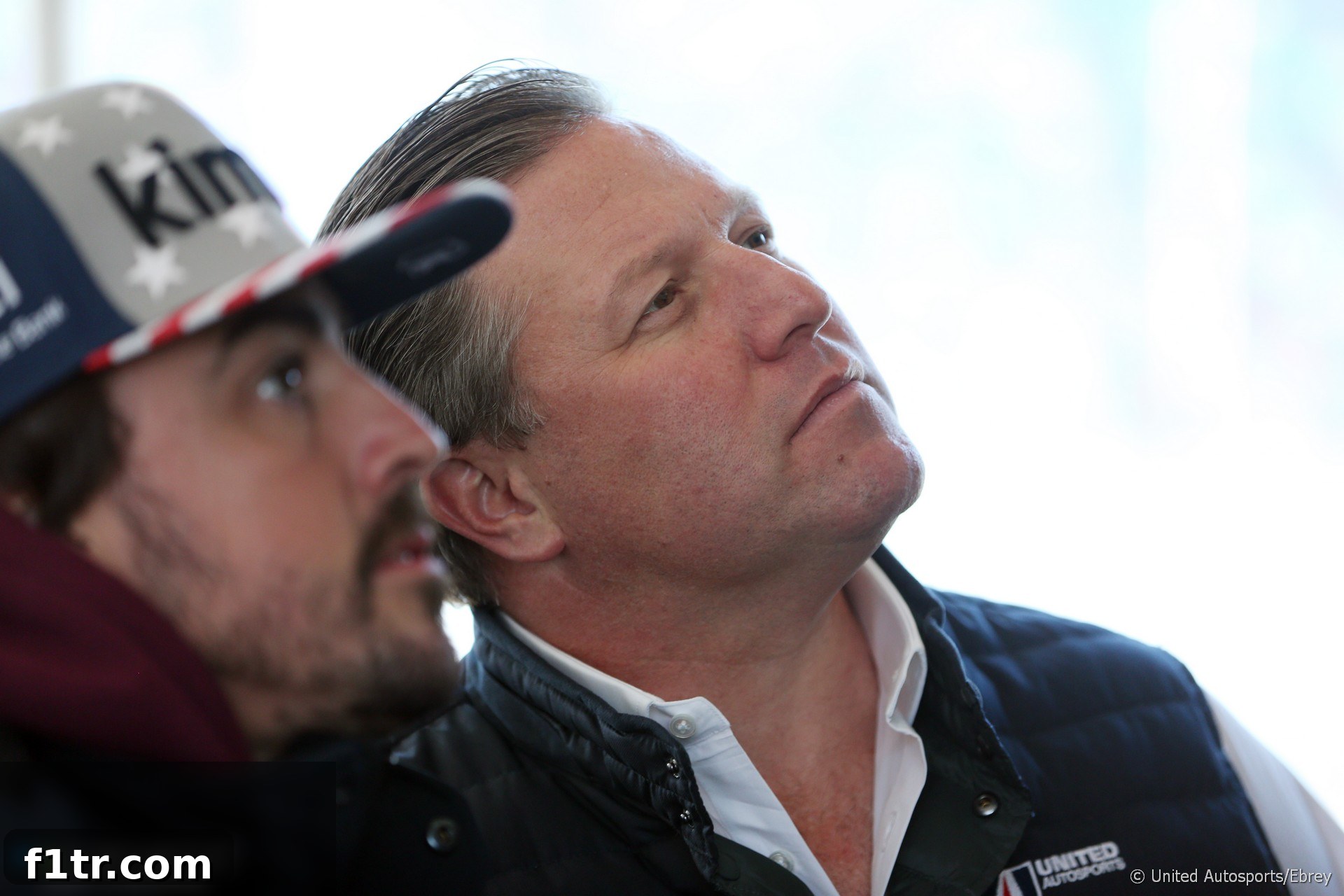
Zak Brown’s Vision: Putting the Sport First, According to Fernando Alonso
Fernando Alonso, a two-time Formula 1 World Champion and one of the sport’s most respected figures, recently lauded McLaren CEO Zak Brown for his dedicated approach to the sport. Alonso’s sentiment highlights a shared vision between driver and team principal, underscoring Brown’s commitment not just to McLaren’s success, but to the broader health and evolution of Formula 1 itself.
Alonso’s words resonate deeply within the paddock, echoing the respect many hold for Brown’s transparent and proactive leadership. “I completely share his vision. He’s not only my boss, he’s my friend as well. I think he’s doing great things for the sport,” Alonso reportedly stated, as covered by Crash.net. This personal endorsement from a driver of Alonso’s stature speaks volumes about the culture Brown has fostered at McLaren and his wider influence within the F1 ecosystem.
Zak Brown’s tenure at McLaren has been marked by a concerted effort to revitalise the team, both on and off the track. His strategy involves not only securing top-tier talent and innovative technical solutions but also fostering a collaborative environment. Beyond McLaren, Brown is known for advocating for changes that benefit the sport as a whole, from commercial agreements to sporting regulations designed to enhance competition and fan engagement. This “sport first” philosophy has endeared him to many, suggesting a leadership model focused on sustainability and excitement for F1’s global audience.
The Unprecedented Evolution of F1 Safety: A “Zillion Times Better”
The conversation around Formula 1 often touches upon its inherent dangers, but it is equally important to acknowledge the incredible strides made in driver safety. Legendary F1 champion Nigel Mansell starkly articulated this progress, remarking that “Safety standards in F1 are a zillion times better,” during an interview with ITV. His vivid recollection, “The downside for us back then was if we got it wrong we could kill ourselves,” serves as a poignant reminder of the perilous era from which modern F1 has emerged.
From Perilous Past to Pioneering Protection
Mansell’s comments highlight a historical truth: earlier decades of F1 were fraught with risks that are almost unimaginable today. Drivers faced inadequate chassis protection, rudimentary crash barriers, and a fundamental lack of understanding regarding impact forces. The tragic losses of iconic figures throughout the sport’s history spurred a continuous, relentless drive for improvement, transforming F1 into a global leader in motorsport safety.
Over the years, the FIA, F1’s governing body, has introduced a multitude of life-saving innovations. Key developments include:
- Reinforced Chassis and Survival Cells: Modern F1 cars feature incredibly strong carbon fibre monocoques, designed to protect the driver in even the most severe impacts.
- HANS Device (Head and Neck Support): Introduced in the early 2000s, this device significantly reduces head and neck injuries, particularly in frontal collisions.
- Wheel Tethers: To prevent wheels from detaching during accidents and striking drivers or spectators, each wheel is secured by multiple high-strength tethers.
- Improved Track Design: Run-off areas have been significantly expanded, gravel traps strategically placed, and energy-absorbing barriers (like Tecpro) widely adopted to dissipate impact forces.
- Halo Device: Perhaps the most visible recent safety innovation, the Halo cockpit protection system, introduced in 2018, has unequivocally saved lives by deflecting debris and preventing serious head injuries.
- Advanced Medical Facilities: Tracks now boast state-of-the-art medical centres, and highly trained medical teams are on standby, capable of rapid response to any incident.
This unwavering commitment to safety, balancing the thrilling speed of F1 with paramount driver protection, is a testament to the sport’s evolving ethos. While risks will always be part of motorsport, the current era ensures that every precaution is taken, making Mansell’s “zillion times better” assessment not just hyperbole, but a factual account of F1’s remarkable progress.
F1 in the Digital Age: Community, Remembrance, and New Audiences
Social media has become an indispensable platform for Formula 1, connecting fans with teams, drivers, and the wider motorsport community in unprecedented ways. From heartfelt tributes to expanding the sport’s global reach, platforms like Twitter and Instagram offer real-time insights and foster vibrant discussions.
Social media highlights
My sketch of JB. Hope you like it! I normally don’t sell any but if you would like one there are 17 prints to raise funds for Association Jules Bianchi. Just send name, address and your bid (in GBP) to [email protected] The highest 17 bids will get them. Closes 30 Jan #JB17 Thank You! pic.twitter.com/JysTFQU2DI
— Graeme (@graeme_lowdon) January 13, 2018
This touching tweet from Graeme Lowdon showcases the enduring memory of Jules Bianchi within the F1 family. The initiative to sell artwork to raise funds for the Association Jules Bianchi underscores the community’s commitment to honouring his legacy and supporting vital causes. Bianchi’s tragic accident in 2014 served as a watershed moment for Formula 1 safety, prompting the introduction of the Halo device and stricter safety protocols. The continued remembrance and fundraising efforts reflect the deep respect and solidarity within the sport, ensuring that his impact on F1 safety and the hearts of fans is never forgotten.
In a related note about F1’s expanding digital footprint, an interesting development captured by RaceFans highlighted the creation of an official F1 page on IMDb.
“Starring Rubens Barrichello…”#F1 now has an official @IMDB page where you can give your verdict on each ‘episode’… https://t.co/Ju0PgjQ42o pic.twitter.com/eRgy8jOepr
— RaceFans (@racefansdotnet) January 13, 2018
This move signifies Formula 1’s growing presence in mainstream entertainment and popular culture. With the immense success of documentary series like “Drive to Survive,” F1 has transcended its traditional sporting boundaries, attracting millions of new fans globally. An IMDb page, allowing viewers to “give your verdict on each ‘episode’,” further blurs the lines between sport and serialized drama, reflecting how F1 is increasingly consumed as compelling entertainment. This strategic push into new media platforms is crucial for engaging a younger, broader audience and solidifying F1’s position as a global sporting and cultural phenomenon.
- For a comprehensive list of official F1 accounts and key figures to follow, consult the F1 Twitter Directory.
The Steep Ascent: Why Breaking into F1 is Harder Than Ever
The path to Formula 1 has always been arduous, but in the modern era, it appears to have become an almost insurmountable challenge for many talented drivers, particularly those from non-traditional F1 markets. A thought-provoking comment from Sven (@Crammond) perfectly encapsulates this dilemma, noting that it’s not just American drivers struggling to find a place.
The testing ban, just 20 cockpits in total – some of which are blocked for the monetary needs of survival of the respective teams, some by established drivers – there really isn’t much room for experimenting with potentials in current day F1.
For any new driver to get into F1 on potential, he really needs to force team bosses into seeing him as a future great. So much so, that even with Leclerc, who utterly dominated and demolished his opposition in junior series, we are relieved he got a drive.
Sorry, but the way things currently are, there is no US driver I see joining F1 soonish. That said, I’d obviously prefer a situation where we had more cockpits, fewer of them blocked for pay-drivers, and that bit more room for experimenting.
Sven (@Crammond)
The Constricting Funnel: Factors Limiting F1 Entry
Sven’s detailed analysis sheds light on several critical barriers preventing promising talents from reaching the pinnacle of motorsport:
- Limited Cockpits: With only 20 seats available across 10 teams, F1 remains the most exclusive club in global sport. The scarcity intensifies competition to an extreme degree.
- The Testing Ban: Restrictions on in-season testing significantly limit opportunities for young drivers to gain crucial F1 experience. Unlike previous eras where extensive testing allowed teams to evaluate potential, today’s limited track time makes it difficult for unproven talents to demonstrate their capabilities outside of highly competitive junior categories.
- The Rise of “Pay Drivers”: For many smaller teams, financial stability often hinges on securing drivers who bring substantial sponsorship backing. This economic reality means that a driver’s talent, no matter how immense, might be overlooked in favour of a driver who can inject millions into a team’s budget, effectively “blocking” seats based on financial rather than purely meritocratic grounds.
- Established Driver Preference: Teams often prefer experienced drivers who can consistently deliver points and offer valuable feedback for car development. This natural inclination to minimise risk leaves little room for “experimenting with potentials,” as Sven notes.
- The Dominance of European Junior Series: The traditional pipeline to F1 runs through European junior championships like Formula 2 and Formula 3. Drivers from other regions, such as the United States, face additional hurdles in relocating, adapting to European racing styles, and gaining visibility within this established system.
Even a prodigious talent like Charles Leclerc, who utterly dominated junior series, illustrates the intense pressure. The sheer relief among fans and pundits when he secured his F1 drive highlights the exceptional circumstances required for even the most obvious future stars to make the jump. Sven’s lament for “more cockpits, fewer of them blocked for pay-drivers, and that bit more room for experimenting” reflects a widely shared desire within the F1 community for a more accessible and purely merit-based entry system.
Engaging the F1 Community: Competitions, Discussions, and History
Beyond the high-stakes drama on track, Formula 1 thrives on its passionate community. Fan engagement is key, and various platforms allow enthusiasts to connect, debate, and celebrate the sport’s rich history.
Join the Fun: Caption Competitions
A fun way to engage with fellow fans is through interactive challenges like caption competitions. Join in this weekend’s Caption Competition here:
- Caption Competition 143: Leclerc and Ericsson
From the Forum: Debating Motorsport’s Calendar
The F1 off-season often sparks discussions about the wider world of motorsport. A particularly relevant question being debated in the forums is:
- Should there be more ‘winter’ motorsports?
This discussion delves into the potential for expanding the motorsport calendar beyond the traditional F1 season. While Formula E and various endurance series offer some year-round racing, the allure of a major, high-profile championship during the Northern Hemisphere winter remains a captivating thought for many fans. The debate often considers logistical challenges, driver availability, and the potential impact on existing series versus the desire for continuous racing action.
Celebrating Milestones and Memories: F1’s Enduring Legacy
Happy birthday!
We extend our warmest wishes to Nick and Koolkieren on their birthdays!
If you wish to receive a birthday shout-out, please inform us of your special day via the contact form or by adding your details to our list here.
On this day in F1 history
Reflecting on the sport’s rich past provides invaluable context to its present and future. On this very day:
- BMW launched what turned out to be their only race-winning F1 car on this day in 2008.
The BMW Sauber F1.08 marked a significant moment for the German manufacturer’s factory team. While BMW had a storied history as an engine supplier, their full-fledged team entered F1 with high ambitions. The F1.08, despite being their solitary race winner, represented a strong effort and a period of competitive growth for the team before their eventual withdrawal from the sport as a constructor. Such historical moments remind us of the transient nature of team fortunes and the cyclical involvement of major manufacturers in Formula 1.