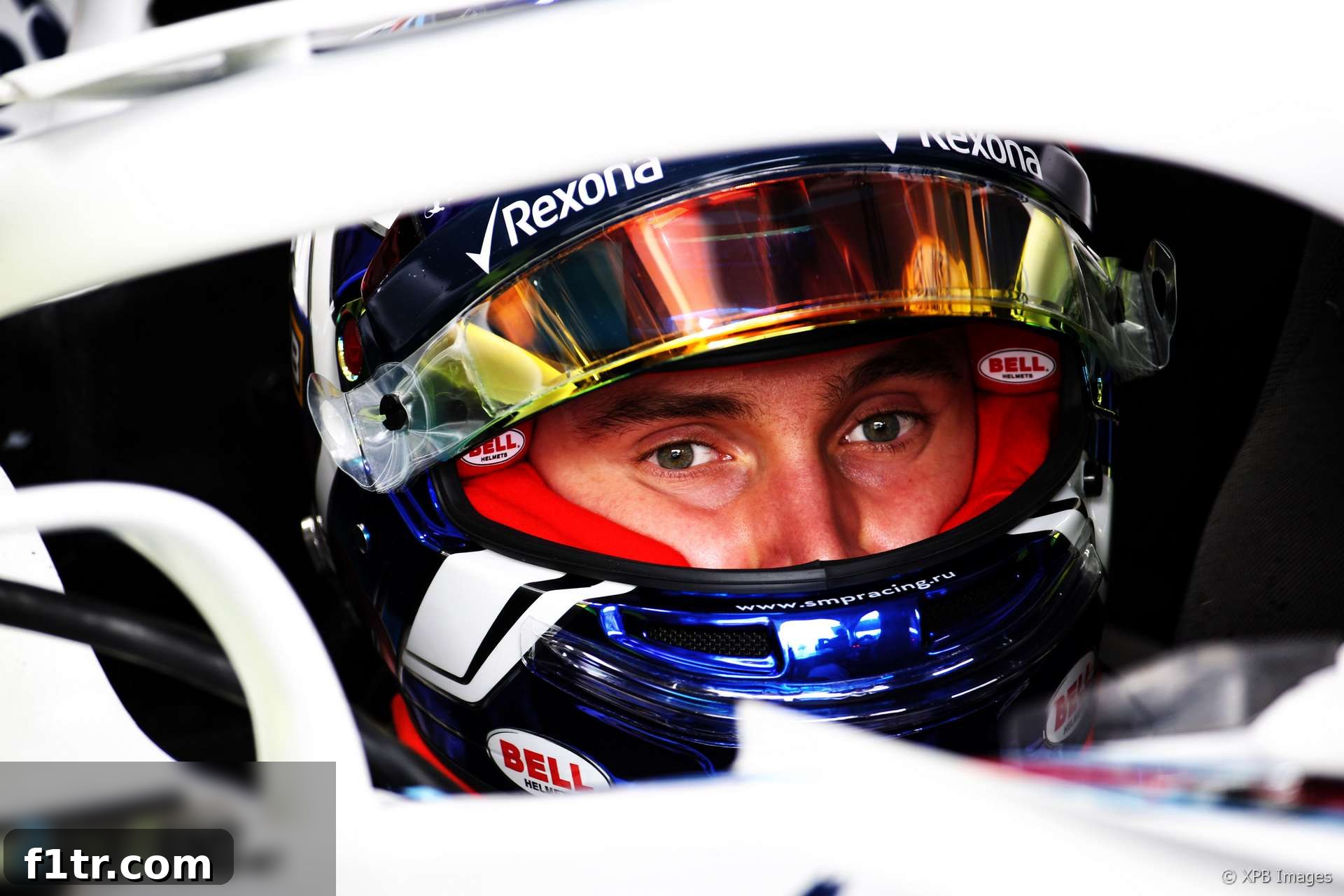
Sergey Sirotkin Rejoins Renault F1 as Third and Reserve Driver for 2019 Season
Former Williams driver Sergey Sirotkin has officially returned to the Renault F1 Team, taking on the crucial role of third and reserve driver for the highly anticipated 2019 F1 season. This strategic move strengthens Renault’s comprehensive driver lineup, which also includes test driver Jack Aitken and development driver Guanyu Zhou, signaling the team’s serious intent to push forward in the competitive world of Formula 1.
Sirotkin’s Strategic Return to Enstone
Sergey Sirotkin’s appointment marks a significant reunion for both the driver and the French constructor. After a single season with Williams in 2018, the Russian driver is back with the team where he previously served as a test driver throughout 2017. His intimate knowledge of the Enstone factory operations and the team’s methodologies will undoubtedly prove invaluable as Renault aims to solidify its position as a front-running midfield contender.
Expressing his enthusiasm for the new chapter, Sirotkin stated, “I am very pleased to rejoin my friends at Renault F1 Team and return to Formula 1. We are well acquainted with the team; I spent the whole of 2017 in their factory and in the garage. It will be interesting to learn how far Renault has advanced in the development of the car over the past year. Last season we were rivals and I could not see the work from the inside.” This perspective offers Renault a unique advantage, gaining insights from a driver who competed against them just last season.
From Williams Challenges to Renault’s Ambitions
Sirotkin’s 2018 Formula 1 season with Williams was undoubtedly a challenging one, as the team struggled with an underperforming car. Despite the difficulties, Sirotkin demonstrated considerable resilience, professionalism, and valuable technical feedback, often outperforming his teammate. This experience, navigating the complexities of a difficult car and an intensely competitive environment, has only honed his skills and understanding of modern F1 machinery. His ability to extract performance from a demanding package and provide precise technical insights will be a significant asset to Renault’s engineering team, contributing to the development of their 2019 challenger, the RS19.
The role of a third and reserve driver extends far beyond merely being a stand-in. It encompasses extensive simulator work, providing crucial data and setup validation that complements the limited track time available to the main drivers, Daniel Ricciardo and Nico Hülkenberg. Sirotkin’s firsthand experience from the previous season, both with Renault and as a rival, will offer a fresh yet familiar perspective, aiding the team in refining their car development strategy and maximizing their performance potential throughout the grueling 2019 F1 calendar.
Balancing F1 Duties with World Endurance Championship (WEC)
Beyond his Formula 1 commitments, Sergey Sirotkin will also maintain a parallel racing program, returning to the SMP Racing squad in the prestigious World Endurance Championship (WEC). His participation in endurance racing, where he previously competed in 2017, serves a dual purpose. Firstly, it keeps him actively engaged in high-level competitive motorsport, ensuring his race fitness and sharpness remain at peak levels. Secondly, the demands of WEC, particularly in prototype classes, often involve extensive setup work, tire management, and strategic thinking – skills that are highly transferable and beneficial to his F1 reserve role. This blend of single-seater expertise and endurance racing acumen provides Renault with a remarkably well-rounded and experienced support driver.
The Vital Contributions of Renault’s Extended Driver Lineup
In the high-stakes environment of modern Formula 1, a robust and versatile driver lineup is paramount for success. Beyond the two main race drivers, the contributions of reserve, test, and development drivers are critical for continuous car improvement, strategic flexibility, and nurturing future talent. Renault F1 Team’s comprehensive approach, integrating seasoned experience with promising young talent, underscores their long-term vision and commitment to challenging the sport’s established order. Each role, from Sirotkin’s immediate readiness to Aitken’s testing duties and Zhou’s development focus, plays a distinct yet interconnected part in the team’s overarching strategy for the 2019 season and beyond.
Jack Aitken: A Pillar of Continuity and Progress
Jack Aitken’s continued presence within the Renault F1 Team structure highlights the importance of consistency and nurturing in driver development. Now in his fourth year with the team, Aitken has been a central figure in Renault’s driver academy since 2016, steadily progressing through the junior formulae. His dedication and understanding of the team’s systems make him an invaluable asset for track testing, especially during rookie test sessions, where he will get behind the wheel of the Renault RS19. This direct feedback from a driver deeply integrated into the team’s development cycle is crucial for validating simulator data and identifying areas for on-track improvement.
Aitken shared his enthusiasm for his ongoing role, stating, “I’ve been part of the team since 2016, so to remain for a fourth season is a privilege and I’m determined to repay Renault’s faith in me. I drove the Formula 1 car a couple of times last year and I can’t wait to sample the Renault R.S.19 this season in the rookie tests and give my best to develop the package in any way I can.” His commitment to the team’s progress is evident, reinforcing the symbiotic relationship between a developing driver and a major F1 constructor.
From F2 to F1: Aitken’s Pathway
Concurrently with his F1 test duties, Jack Aitken will continue to compete in the highly competitive Formula 2 Championship in 2019, having made a strategic switch from ART to Campos Racing. Formula 2 serves as the primary feeder series for Formula 1, providing aspiring drivers with invaluable experience in high-performance machinery that closely mirrors F1 cars in terms of speed and operational complexity. Aitken’s continued participation in F2 ensures he maintains sharp racecraft, competitive edge, and a continuous learning curve, all vital attributes for a potential future Formula 1 race seat. His dual role allows him to contribute directly to Renault’s F1 development while simultaneously honing his own racing skills on the competitive F2 stage.
Guanyu Zhou: A Glimpse into the Future
Rounding out Renault’s comprehensive driver stable is development driver Guanyu Zhou. While his role is distinct from that of a reserve or test driver, it is no less significant. As a prominent member of the Renault Sport Academy, Zhou represents the future talent pipeline for the team. His responsibilities typically involve extensive simulator work, aiding in understanding various car setups and circuit characteristics, as well as engaging in marketing and PR activities. Zhou’s presence also highlights Renault’s strategic focus on expanding its global appeal, particularly in the burgeoning Chinese motorsport market, positioning him as a potential future star from Asia.
Renault F1 Team’s Strategic Outlook for 2019
These strategic driver appointments underscore Renault F1 Team’s heightened ambitions for the 2019 season. With the high-profile signing of Daniel Ricciardo to partner Nico Hülkenberg, the team has signaled its intent to significantly close the gap to the top three teams and firmly establish itself as the best of the rest in the constructor’s championship. A strong and integrated driver support system, featuring Sirotkin, Aitken, and Zhou, is an indispensable component of this goal. It ensures that the main race drivers can focus purely on extracting maximum performance during race weekends, confident that critical development work, simulator analysis, and contingency planning are being expertly handled behind the scenes.
The collective expertise and varied experience across this expanded driver lineup will allow Renault to gather more comprehensive data, accelerate the development cycle of the RS19, and adapt more swiftly to challenges throughout the season. This holistic approach to driver management and talent utilization is a hallmark of successful Formula 1 teams, providing a robust foundation for achieving their lofty performance targets and securing a stronger standing in the highly competitive 2019 Formula 1 season.
Anticipation Builds for the 2019 Formula 1 Season
As the 2019 Formula 1 season draws nearer, the excitement among fans and teams alike is palpable. New technical regulations, fresh driver lineups, and renewed team strategies promise another thrilling year of motorsport. Renault’s carefully curated driver roster, combining the experience of Sirotkin with the promising talent of Aitken and Zhou, exemplifies the intricate planning and foresight required to compete at the pinnacle of global racing. Every component, every driver, every strategic decision contributes to the complex tapestry of an F1 season, making the contributions of every team member, especially those behind the scenes, absolutely vital for success.
More on the 2019 F1 season
- Crying in the Melbourne car park at 2019 grand prix was my career low – Ocon
- McLaren Racing reports reduced £71 million loss in 2019
- Kvyat: Hockenheim podium last year was “my biggest achievement” so far
- How the FIA’s new encrypted fuel flow meter targets Ferrari’s suspected ‘aliasing’ trick
- “He smashed my office door”: 23 must-see moments from ‘Drive to Survive’ season two
Browse all 2019 F1 season articles