Formula 1 faces an unprecedented challenge in resuming its season amidst a global health crisis, with a critical warning that racing must not restart until the general public accepts the return of major sporting events. This sentiment, echoed by key figures within the sport, underscores a crucial ethical and logistical hurdle for the pinnacle of motorsport.
The widespread cancellation of sporting events across the globe has been a direct consequence of stringent social distancing measures implemented by governments to contain the ongoing pandemic. McLaren team principal Andreas Seidl highlighted the immense difficulty in pinpointing a potential start date for the 2020 F1 season, emphasizing that the decision transcends mere logistical planning, venturing deep into moral and public perception territory.
Seidl’s primary concern revolves around the welfare of the vast number of individuals involved in Formula 1. “First of all, as always, the most important thing is to protect our people,” he stated unequivocally. “So, we definitely can’t go back to racing until we absolutely know that our people are safe.” This commitment to safety extends far beyond the drivers, encompassing mechanics, engineers, logistical staff, medical personnel, and countless others who make each Grand Prix possible. Ensuring their health and minimizing risk exposure will require rigorous protocols and a clear understanding of the evolving health landscape.
The complex web of international travel restrictions, national lockdowns, and bans on public gatherings further complicates F1’s aspirations. Many countries, including those hosting the bases for the majority of F1 teams in the UK and Italy, have imposed severe movement limitations. Consequently, the resumption of racing is intrinsically linked to the regulatory frameworks of these ‘home countries’. Seidl elaborated on the multifaceted considerations: “First of all, the travel guidelines, the guidelines we get for our daily life, we need to see if that allows us to travel out and back into our home countries. It’s important, obviously, we need to wait for what the different countries are deciding, whether races should happen.”
This means navigating a patchwork of regulations that could vary significantly from one nation to another, potentially requiring teams to comply with different quarantine periods or health checks depending on their origin and destination. The sheer logistics of moving thousands of personnel, sensitive equipment, and race cars across borders under such conditions present an enormous operational challenge. Furthermore, the willingness of host nations to permit such large-scale events, even without spectators, will be paramount, as local health authorities must be confident in their ability to manage any potential risks.
Beyond government approval and team safety, the cooperation and commercial viability for race promoters are equally critical. With numerous races having already been postponed or cancelled, the calendar has been thrown into disarray. Re-scheduling events requires the active participation and financial commitment of promoters, who themselves face significant economic pressures. “Also, we need to see what the promoters are deciding. Because especially with the changes of dates for a lot of races, the promoters also need to be up for it. And it needs to make sense from the commercial point of view also, for the promoters for Formula 1,” Seidl explained. For a Grand Prix to be viable, it must not only adhere to health guidelines but also generate sufficient revenue, a prospect made challenging by the uncertainty surrounding ticket sales and sponsorship in a potentially altered landscape.
Crucially, Seidl underscored the moral obligation for F1 to avoid any actions that might be perceived as irresponsible or self-serving during a global crisis. The sport must not resume racing prematurely and risk diverting essential resources needed elsewhere. This ethical dimension is central to the debate, especially concerning medical supplies and testing capabilities.
“What I think is an important point is the public acceptance of life events happening again,” Seidl continued, elaborating on the public’s perception. “I think it’s important that we only go back to racing once we also have certainty that when it comes down to protective equipment, to the number of tests for people that this is all in place and available to people that actually need it, and that we are not the ones burning these tests or these materials just for going back racing.” This statement reflects a deep understanding of the potential public backlash if Formula 1 were seen to be consuming vast quantities of personal protective equipment (PPE) or diagnostic tests that are in high demand for frontline healthcare workers and vulnerable populations. Maintaining the sport’s integrity and its public image requires a sensitive approach, prioritizing societal needs over immediate sporting desires.
Despite these considerable challenges, there is an undeniable yearning among fans for the return of live sports, even if only through television screens. The ‘lockdown situation’ has amplified the public’s desire for entertainment and a sense of normalcy that sports often provide. “I think there’s a big desire from people, from the public, from the fans that especially this lockdown situation we are all in at the moment that sporting events are happening again, even if it’s just on TV,” Seidl acknowledged. However, he quickly tempered this by reiterating: “But again, obviously there’s a lot of different aspects that need to be considered.” The emotional pull of the sport must be balanced with the practicalities and ethical responsibilities.
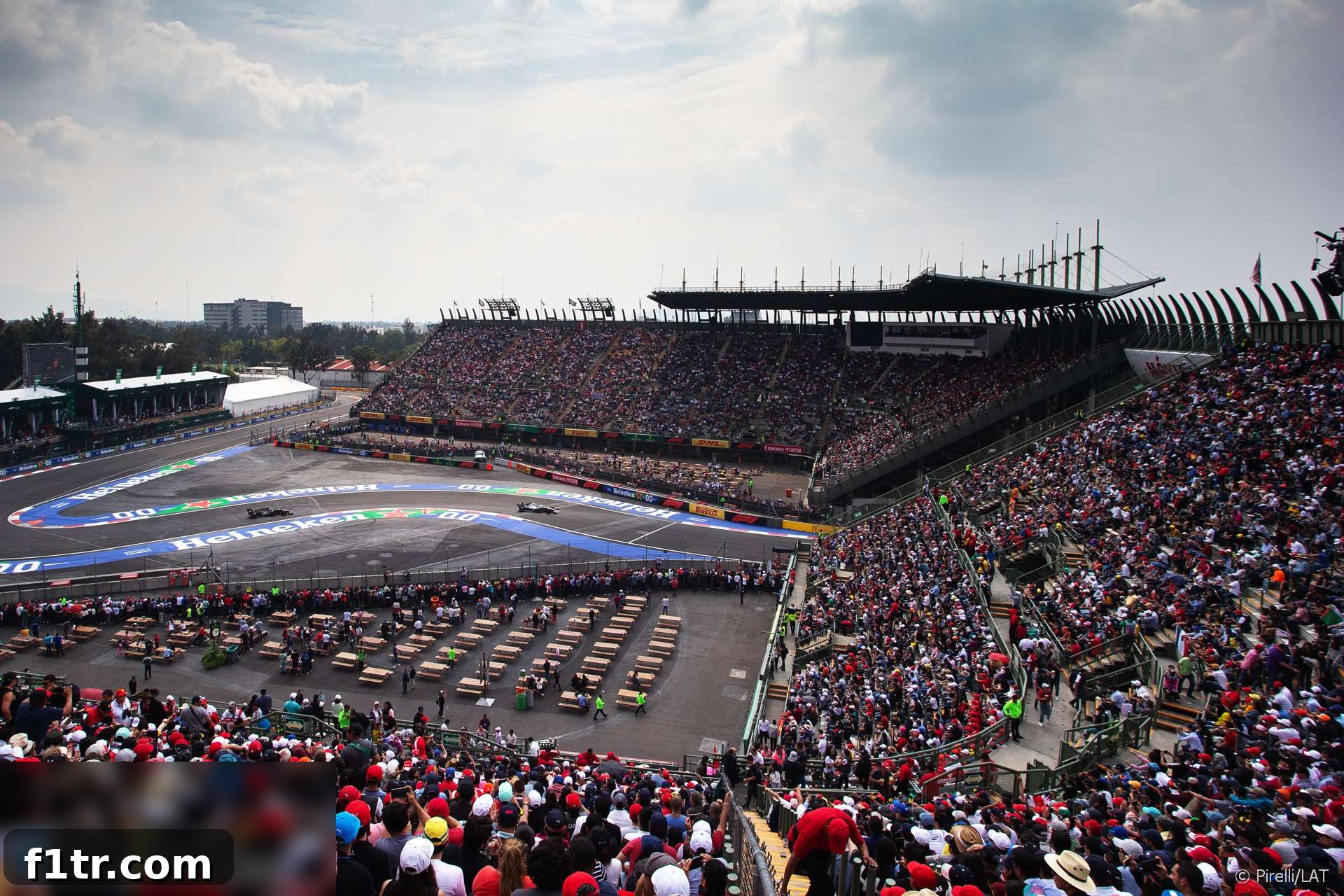
One potential solution widely discussed within F1 circles is the concept of holding events without audiences, often referred to as ‘ghost races’ or ‘behind closed doors’. This approach would drastically reduce the number of individuals present at tracks, from hundreds of thousands of spectators to a significantly smaller operational footprint, potentially fewer than 2,000 essential personnel. This strategy aims to mitigate public health risks associated with large gatherings while allowing the racing to proceed. Seidl confirmed that McLaren, like other teams, would be capable of adapting its operational structure to such a scenario, particularly by reducing non-racing staff.
The distinction between essential operational personnel and reducible non-racing staff is crucial in this model. “Regarding operational personnel, which is pretty much defined also by the regulations, I don’t think it will be much different compared to normal race events because you simply need all the people in order to operate the cars, to service them during a weekend and to race them, to do the pit stops,” Seidl explained. This includes the mechanics, engineers, strategists, and various support staff directly involved in running the cars, all of whom are indispensable for a race weekend. Furthermore, essential medical and track safety personnel, regardless of fan presence, would still be required to ensure the safety of drivers and everyone on site.
However, significant reductions could be made in other areas. “But if the races are not open to the public and not open to guests, in an environment of a team, you will go to the events with less people on the marketing side,” Seidl clarified. The absence of spectators and corporate guests would eliminate the need for extensive hospitality staff, marketing teams, public relations personnel, and other non-essential support roles that cater to a full race weekend experience. This leaner operational model would significantly reduce the overall human footprint at each Grand Prix, making it more manageable under strict health guidelines and travel restrictions. The focus would shift almost entirely to the core sporting spectacle, delivered directly to a global television audience.
While the prospect of ‘ghost races’ offers a pathway back to competition, it presents its own set of challenges, from maintaining the spectacle for television viewers to managing the financial implications of lost ticket and hospitality revenue. Yet, it represents a pragmatic approach being seriously considered as Formula 1 navigates its most complex period in modern history. The ultimate decision to restart racing will undoubtedly be a delicate balance between public health, ethical responsibility, logistical feasibility, and the commercial imperatives of a global sport.
Video: Could F1 race behind closed doors?
More on the 2020 F1 Season
- Grosjean to make F1 test return tomorrow for first time since Bahrain horror crash
- Pictures: Wrecked chassis from Grosjean’s Bahrain fireball crash to go on display
- Bottas vs Rosberg: Hamilton’s Mercedes team mates compared after 78 races each
- F1 revenues fell by $877 million in Covid-struck 2020 season
- Hamilton and Mercedes finally announce new deal for 2021 season
Browse all 2020 F1 season articles