The Unprecedented Clash: Environmental Protests and Motorsport Safety at the British Grand Prix
The exhilarating atmosphere of the 2022 British Grand Prix at Silverstone was momentarily overshadowed by a dramatic and highly controversial track invasion by environmental activists. This incident ignited a complex debate within the Formula 1 community, pitting the urgent call for climate action against the paramount importance of safety in elite motorsport. While Lewis Hamilton, a vocal advocate for social justice and environmental causes, expressed understanding for the protesters’ motivations, fellow drivers Carlos Sainz Jnr and Sergio Perez vehemently condemned their dangerous methods, emphasizing the grave risks posed to themselves and the competitors.
Drivers Divided: A Spectrum of Opinion on Activism and Safety
The incident unfolded shortly after the race’s original start, coinciding with a severe crash involving Zhou Guanyu, which triggered a red flag. Amidst the chaos, a group of activists managed to breach security and enter the live track, prompting immediate arrests by authorities. This bold act of protest thrust the discussion of environmental activism directly into the heart of Formula 1, a sport grappling with its own sustainability initiatives.
Lewis Hamilton: Understanding the Cause, Not Necessarily the Method
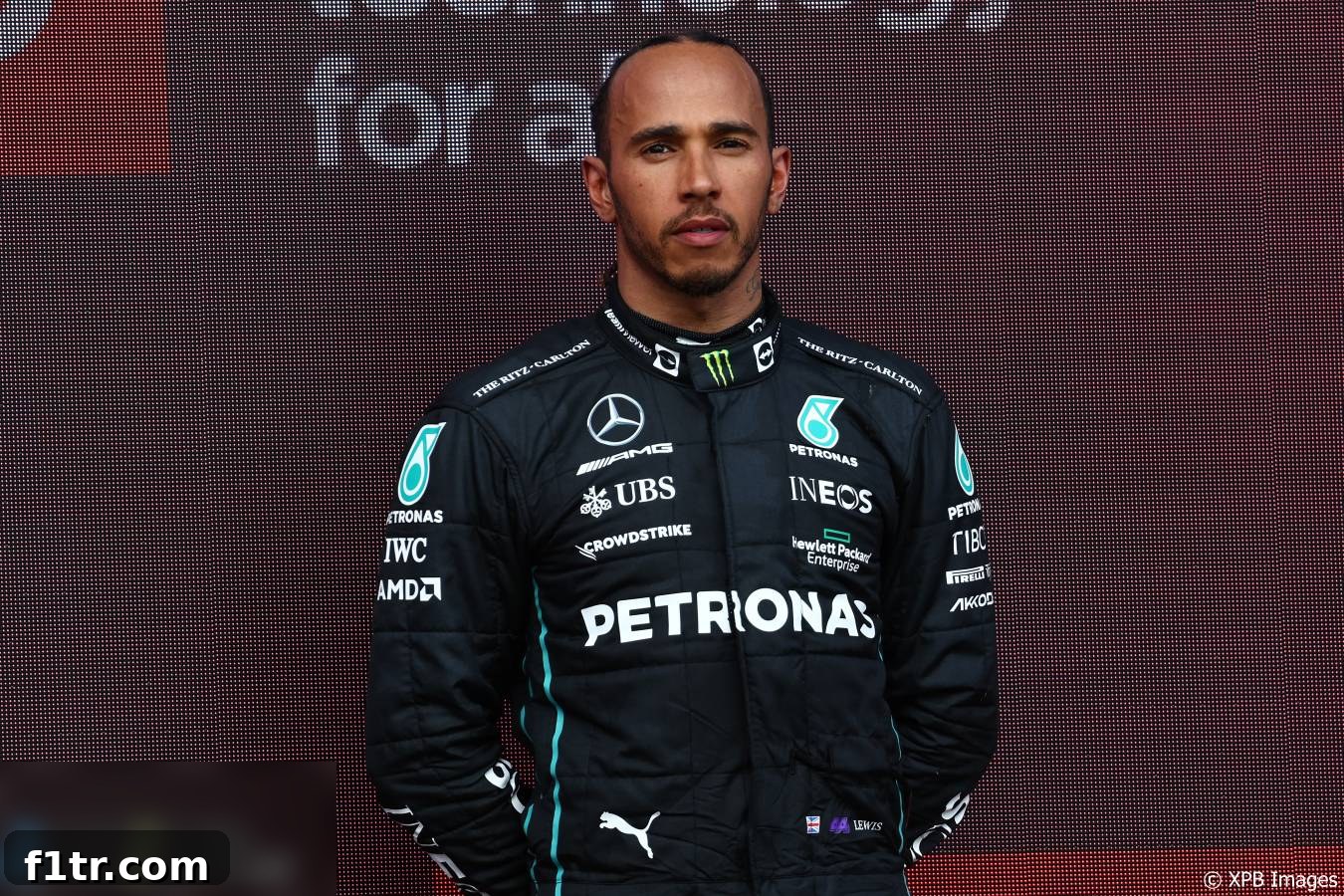
Following the race, when informed about the anti-oil protest, Lewis Hamilton, a seven-time world champion and a prominent voice for change, shared his perspective. “I didn’t know what the protest was for, I only just found out,” Hamilton stated. He continued, “I love that people are fighting for the planet and we need more people like them.” This initial comment quickly led to a clarification from his Mercedes-AMG Petronas F1 Team, emphasizing that while Hamilton endorsed the protesters’ fundamental right to protest and shared their concern for the planet, he did not support the dangerous method they chose, which compromised the safety of both themselves and others.
Hamilton’s nuanced stance reflects his long-standing commitment to various social and environmental causes. His career has seen him consistently advocate for a more equitable and sustainable world, making his initial empathy for the protesters’ ultimate goal understandable. However, the distinction between supporting the “why” and condemning the “how” is critical, particularly in the high-stakes environment of Formula 1. His position highlighted the inherent tension between supporting a vital cause and ensuring the safety of all participants in a sport where milliseconds and inches can mean the difference between triumph and tragedy.
Carlos Sainz Jnr: A Firsthand Account and Strong Condemnation of Danger
For Carlos Sainz Jnr, the incident was far more immediate and personal. The Ferrari driver recounted seeing the protesters as he exited Turn 5 on the Silverstone circuit. “I thought the red flag was for that because as soon as I came out of five I saw three guys running towards me,” he explained. His proximity to the protesters provided a terrifying firsthand perspective on the sheer danger involved in such an act.
Sainz expressed clear sympathy for the underlying environmental cause, acknowledging the urgency of addressing climate change. However, his concern for safety was paramount. “People obviously need to speak out and do manifestations wherever they want because it’s a right,” he conceded. “I just don’t believe jumping into a Formula 1 track is the best way to do it and putting yourself at risk and all the other drivers.” He stressed the lethal potential of such actions: “You have to be more careful because you can kill them, you can generate an accident.” Sainz also pointed out that Formula 1 is actively working towards greater sustainability, implicitly suggesting that their energy would be better directed towards supporting these efforts rather than endangering lives.
Sergio Perez: Prioritizing Safety While Acknowledging F1’s Role
Red Bull Racing’s Sergio Perez echoed the sentiments of his fellow competitor, Carlos Sainz. While affirming the importance of environmental advocacy, Perez underscored the non-negotiable aspect of safety. “It’s great to see people fighting for their cause but obviously it’s [better] that they don’t put themselves at risk and they don’t put other people at risk,” he stated.
Perez also placed responsibility on Formula 1 itself, advocating for the sport to intensify its sustainability efforts. “Certainly Formula 1 needs to do more, needs to keep pushing and keep improving and going in that direction,” he affirmed. This dual perspective from drivers like Perez and Sainz creates a nuanced narrative: support for the environmental message, but absolute opposition to dangerous forms of protest, coupled with a call for the sport to accelerate its own green initiatives.
The Protests: Motivations and Immediate Consequences
The activists involved in the 2022 British Grand Prix track invasion were part of the “Just Stop Oil” group, an organization dedicated to compelling the UK government to halt new fossil fuel projects. Their choice of a high-profile international sporting event like Formula 1 was a deliberate tactic to maximize media attention and pressure, leveraging the global spotlight on the Grand Prix to amplify their message about the climate crisis.
The timing of the protest, occurring just as the race began and coinciding with a serious multi-car accident involving Zhou Guanyu, amplified the chaos and the potential for a catastrophic outcome. While the red flag was ultimately deployed due to Zhou’s crash, the presence of protesters on the track in such close proximity to speeding vehicles created an unprecedented security nightmare. The FIA and Formula 1 confirmed the arrests of the individuals involved, signaling a firm stance against such dangerous disruptions. The incident forced race organizers, security personnel, and governing bodies to re-evaluate track safety protocols and address the evolving nature of activism targeting major events.
Formula 1’s Commitment to a Sustainable Future
The protests at Silverstone, while controversial in their execution, inadvertently drew attention to Formula 1’s ongoing efforts to become a more sustainable sport. The sport has publicly committed to achieving a “Net Zero Carbon” footprint by 2030, a comprehensive strategy that spans multiple facets of its operations. This ambitious goal includes several key initiatives:
- Sustainable Fuels: A major focus is on developing 100% sustainable fuels for the next generation of F1 engines, expected to be introduced in 2026. These fuels will be derived from non-food biomass, waste-to-energy, or carbon capture technologies, effectively recycling CO2 emissions.
- Logistics and Travel: F1 is working to optimize its vast logistics operations, aiming to reduce freight emissions through improved planning and increased use of sea and rail transport over air freight.
- Event Operations: Efforts are being made to reduce waste, increase recycling, and transition to renewable energy sources at race venues and headquarters. This includes reducing single-use plastics and promoting sustainable catering.
- Fan Engagement: Encouraging fans to use more sustainable modes of transport to attend races and promoting environmentally conscious behavior among attendees.
Drivers like Carlos Sainz frequently reference these initiatives, highlighting that the sport is not ignoring its environmental responsibilities but actively working towards systemic change. The goal is to set an example for the automotive industry and global sporting events, demonstrating that high-performance sport can coexist with environmental stewardship.
The Broader Debate: Activism, Visibility, and Safety in Sport
The Silverstone track invasion sparked a wider debate about the ethics and effectiveness of direct action protests at major sporting events. Activists often target such events for their massive global viewership, believing it’s the most impactful way to cut through the noise and force public attention onto critical issues like climate change. The visibility gained is undeniable, but it comes at a significant cost in terms of public perception, legal consequences for protesters, and, most critically, safety.
For sports organizations, these incidents pose immense security challenges and raise questions about event integrity. The fine line between allowing peaceful demonstrations and preventing dangerous disruptions is increasingly difficult to manage. The incident at the British Grand Prix serves as a stark reminder of the inherent dangers of track invasions, especially in a sport where speeds routinely exceed 300 km/h. The immediate danger to protesters, marshals, drivers, and other personnel is immense, with the potential for life-altering injuries or fatalities.
This incident underscored the growing trend of climate activism intersecting with high-profile events. It forces a critical examination of how society balances the right to protest with public safety and the uninterrupted enjoyment of cultural and sporting events. For Formula 1, it adds another layer of complexity to its public image and its ongoing journey towards sustainability.
Conclusion: Navigating the Intersection of Purpose and Peril
The 2022 British Grand Prix track invasion stands as a pivotal moment, highlighting the volatile intersection of environmental activism and motorsport. While drivers like Lewis Hamilton acknowledged the urgency of the protesters’ message, the unequivocal condemnation from Carlos Sainz and Sergio Perez regarding their dangerous methods resonated deeply within the racing community. The incident served as a stark reminder of the non-negotiable importance of safety in Formula 1, especially given the already inherent risks of the sport, as tragically demonstrated by Zhou Guanyu’s crash on the very same day.
Formula 1 is at a critical juncture, actively working towards its “Net Zero Carbon by 2030” goal, developing sustainable fuels, and streamlining its operations. While these efforts are significant, the Silverstone protest demonstrated that some activists feel the pace of change is insufficient. This incident not only challenged security protocols but also prompted deeper introspection within the sport about its role in addressing global environmental concerns. Moving forward, Formula 1, its drivers, and its governing bodies must continue to champion sustainability while rigorously upholding safety standards, navigating the complex landscape where purpose meets potential peril.
2022 British Grand Prix
- How many victory chances did Hamilton have in his first winless F1 season?
- New rule added on drivers abandoning cars after Russell’s Silverstone retirement
- Hamilton told Leclerc ‘I didn’t want to clip you and send you off’ after Copse scrap
- Sainz: Ferrari accepted I was right not to follow “10 car lengths” instruction
- Zhou says Silverstone crash force exceeded roll hoop impact test
Browse all 2022 British Grand Prix articles