Reshaping Formula 1: Ferrari’s Evolving Stance on Prize Money Distribution
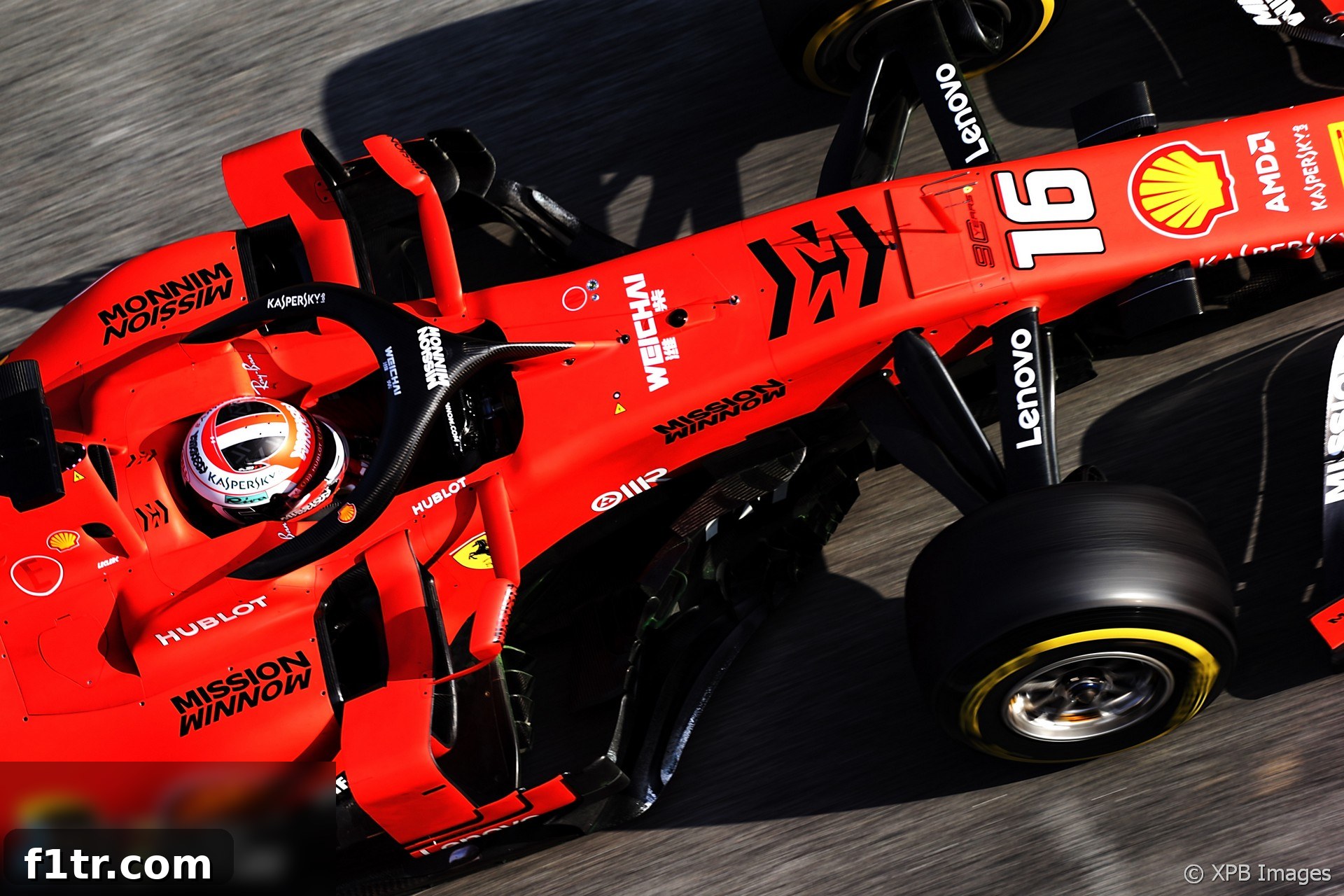
The intricate financial architecture of Formula 1 has long been a subject of intense debate, particularly concerning the allocation of its substantial prize money. At the heart of this discussion lies Ferrari, the sport’s most iconic and historically significant team, which has traditionally enjoyed a unique and advantageous position. However, a significant shift is now underway, with Formula 1’s managing director, Ross Brawn, confirming that even Ferrari acknowledges the “logical” imperative to reduce its share of the sport’s revenues for the greater good of competition and sustainability.
For decades, Ferrari’s privileged financial arrangement has been a cornerstone of its immense budget, distinguishing it from every other team on the grid. This special treatment, often referred to as the “Long Standing Team bonus” or “Heritage Payment,” recognizes Ferrari’s continuous presence in Formula 1 since its inception in 1950 and its unparalleled contribution to the sport’s global appeal and historical narrative. This bonus has historically swelled Ferrari’s earnings, ensuring it consistently receives the largest portion of the prize fund, irrespective of its championship performance.
The Magnitude of Ferrari’s Unique Financial Advantage
The scale of Ferrari’s financial advantage under the previous structures was considerable. In 2019, for instance, projections indicated that Ferrari was set to receive a staggering $205 million, marking it as the highest earner among all competing teams. A significant portion of this sum – more than a third of its total prize money – was directly attributed to its unique Long Standing Team bonus. This bonus alone offered Ferrari a financial buffer that few, if any, other teams could dream of, creating a substantial disparity in resources even before a single race had been run.
Such a system naturally led to an uneven playing field. Smaller teams, operating on tighter budgets and without the benefit of historical bonuses, often struggled to compete financially, impacting their ability to develop cutting-edge technology, attract top talent, and ultimately challenge the front-runners. The very essence of competitive sport – where merit and performance should dictate rewards – was often overshadowed by deeply entrenched financial inequalities.
Liberty Media’s Vision for a Fairer Future: The 2021 Prize Money Overhaul
Recognizing the inherent problems within this long-standing financial model, Formula 1’s commercial rights holder, Liberty Media, spearheaded ambitious reforms for the 2021 season and beyond, primarily through the new Concorde Agreement. Their vision aimed to create a more equitable, sustainable, and competitively balanced sport. A key pillar of this strategy involved a radical overhaul of the prize money distribution structure, details of which began to emerge well before its implementation.
Under Liberty Media’s proposed framework, Ferrari’s share of the prize money would indeed be reduced, a necessary step towards rebalancing the financial scales. However, acknowledging Ferrari’s undeniable historical importance and enduring brand power, the Scuderia would continue to receive a unique bonus – albeit a modified one. This revised arrangement would reportedly guarantee Ferrari a $40 million bonus, which critically must be taken as profit, cementing their financial security while still requiring them to contribute to a more level playing field across the grid. This demonstrates a pragmatic approach: recognizing heritage while pushing for progress.
The “Logical” Argument from Maranello
According to Ross Brawn, who brings a unique perspective as a former Ferrari technical director and now a key architect of F1’s future, Ferrari’s willingness to accept a reduced share is not merely a concession but a “logical” step. Speaking publicly, Brawn conveyed his belief that the legendary Italian team is prepared to relinquish its claim to the lion’s share of Formula 1’s revenues. This stance is a significant departure from previous periods where any attempt to modify Ferrari’s bonus was met with fierce resistance.
“You are never going to attract new teams when you have such unfair distribution,” Brawn stated, articulating a core concern that has plagued Formula 1 for years. The current system, with its inherent disparities, actively discouraged potential new entrants, as the financial hurdles were simply too high to overcome against established giants with guaranteed income. For the sport to thrive and expand its global footprint, fresh competition and a viable path to success for all participants are essential.
Ferrari’s recognition of this fundamental truth signifies a maturing perspective, understanding that the long-term health and prosperity of Formula 1 ultimately benefit all stakeholders, including themselves. A more competitive and unpredictable sport is inherently more attractive to fans, broadcasters, and sponsors, which in turn drives overall revenue growth. Therefore, sacrificing a portion of their individual earnings now could lead to a larger, more sustainable pie for everyone in the future.
Addressing the Disparity and Fostering Competitive Balance
The stark financial inequalities of the past were not merely academic; they manifested directly on track. As Brawn highlighted, the existing system created an absurd scenario where “Ferrari would receive more money for finishing last in the championship than a team which receives no bonuses, such as Renault, would earn for winning it.” This hypothetical, yet entirely plausible, outcome underscored the broken nature of the previous prize money model.
“There is too much disparity between the top two or three teams and the rest of the grid,” Brawn admitted, pinpointing the core issue that threatened to turn Formula 1 into a two-tiered competition. “You have a group of teams that could finish last and still earn more than the team that has won the world championship.” Such a structure is antithetical to the spirit of sport and inevitably leads to predictable results, reducing fan engagement and making it difficult for midfield teams to ever genuinely challenge for titles.
The new prize money structure, combined with the introduction of a radical cost cap for all teams, forms a comprehensive package designed to level the playing field. By limiting spending and redistributing revenue more fairly, Liberty Media aims to ensure that success on track is primarily driven by engineering prowess, strategic brilliance, and driver talent, rather than simply by the size of a team’s budget. This integrated approach is critical for the long-term competitive health of the sport.
While acknowledging the “importance and history of Ferrari and the unique place it has in the sport,” Brawn emphasized the critical need to “find a balance between that recognition and an equitable position for the rest.” This perfectly encapsulates the delicate negotiations that underpinned the new Concorde Agreement: honoring tradition while embracing evolution for a more exciting and viable future for Formula 1 as a whole.
Implications for the Future of Formula 1
The acceptance by Ferrari of a reduced prize money share marks a watershed moment for Formula 1. It signals a collective commitment from the sport’s most powerful entities to prioritize competitive balance and long-term sustainability over individual financial advantage. This shift is expected to have far-reaching implications:
- Enhanced Competition: With a more equitable distribution of funds and the presence of a cost cap, more teams should theoretically be able to challenge for podiums and wins, leading to more unpredictable and thrilling races.
- Increased Sustainability: Midfield and smaller teams, previously struggling to make ends meet, will benefit from a larger share of the revenue, making their operations more financially viable and reducing the risk of teams folding.
- Attraction of New Entrants: A fairer financial model lowers the barrier to entry for potential new manufacturers and privateer teams, broadening the competitive landscape and injecting fresh innovation into the sport.
- Improved Fan Engagement: A more competitive grid naturally generates greater interest among fans, fostering stronger viewership figures, higher attendance at races, and increased overall engagement with Formula 1.
- Strengthened Governance: Ferrari’s proactive stance demonstrates a willingness to collaborate with Liberty Media and the FIA, leading to a more stable and unified governance structure for the sport.
The road to a perfectly balanced Formula 1 is long and complex, fraught with ongoing negotiations and technical challenges. However, the willingness of Scuderia Ferrari, the most historically significant team, to embrace this “logical” change in prize money distribution represents a monumental step forward. It underscores a collective vision for a future where Formula 1 remains the pinnacle of motorsport, defined not just by its rich heritage, but by its vibrant, fair, and fiercely competitive spirit for generations to come. This evolution is not just about money; it’s about safeguarding the very essence and excitement of Formula 1.