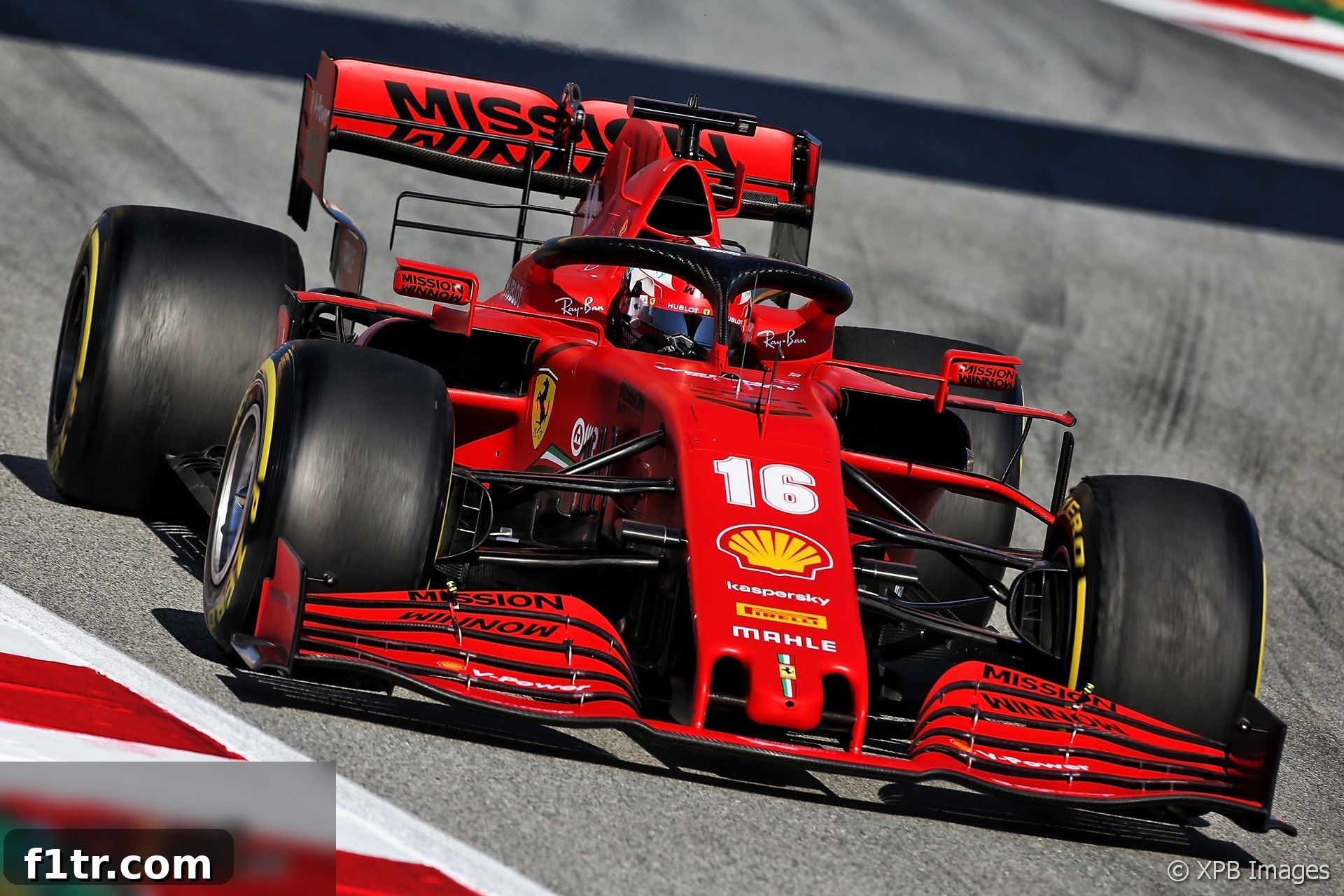
The FIA’s Secret Settlement: Unraveling the Ferrari Power Unit Controversy
The Fédération Internationale de l’Automobile (FIA), the governing body of global motorsport, announced the conclusion of its extensive technical investigation into Scuderia Ferrari’s Formula 1 power unit. However, in a move that immediately sparked widespread controversy and speculation across the paddock and among fans, the FIA confirmed that the specific details and findings of this lengthy inquiry, as well as the terms of the settlement reached with the Italian team, would remain strictly confidential between the involved parties.
A Veil of Secrecy: The FIA’s Official Statement
The official statement, issued by the FIA on a Friday, was concise yet impactful, leaving many questions unanswered. It read: “The FIA announces that, after thorough technical investigations, it has concluded its analysis of the operation of the Scuderia Ferrari Formula 1 power unit and reached a settlement with the team. The specifics of the agreement will remain between the parties.” This terse announcement, rather than providing clarity, ignited a firestorm of debate regarding the transparency and integrity of Formula 1’s regulatory processes.
Further elaborating on the outcome, the FIA’s statement added: “The FIA and Scuderia Ferrari have agreed to a number of technical commitments that will improve the monitoring of all Formula 1 power units for forthcoming championship seasons as well as assist the FIA in other regulatory duties in Formula 1 and in its research activities on carbon emissions and sustainable fuels.” While suggesting a proactive step towards future enforcement, the lack of disclosure about the past investigation’s findings fueled suspicions that a significant breach of regulations might have occurred, handled behind closed doors to avoid a public scandal.
The Genesis of Suspicion: Ferrari’s 2019 Performance Edge
To fully understand the context of this controversial settlement, one must look back at the 2019 Formula 1 season. Scuderia Ferrari, despite an often-unpredictable chassis, displayed an undeniable and often dominant straight-line speed advantage, particularly in the latter half of the season. This superior performance on straights, especially noticeable after the summer break, raised eyebrows throughout the pit lane. Rival teams, most notably Mercedes and Red Bull Racing, grew increasingly suspicious of the legality of Ferrari’s power unit, questioning how they were achieving such a significant power boost without apparent drawbacks.
Technical Directives and the Grey Areas of Regulation
Formula 1’s technical regulations are notoriously complex, often leaving room for innovative interpretations by engineering teams. These ‘grey areas’ are frequently clarified through Technical Directives (TDs) issued by the FIA. As suspicions mounted against Ferrari, several key TDs were issued by the FIA during the 2019 season, specifically targeting potential loopholes related to fuel flow rates and energy recovery systems. One particular TD, issued just before the United States Grand Prix, directly addressed methods of measuring fuel flow and preventing teams from circumventing the mandated 100 kg/hour limit.
Following this specific directive, Ferrari’s noticeable straight-line speed advantage seemed to diminish significantly in the final races of the season, further intensifying the whispers and speculation that their previous performance had indeed relied on a clever exploitation of the regulations. This perceived drop-off in performance, coupled with the FIA’s increasing scrutiny, set the stage for the formal investigation.
The Fuel Flow Controversy and Charles Leclerc’s Fine
The core of the suspicion revolved around the fuel flow sensor, a crucial piece of equipment designed to ensure teams adhere to the maximum fuel flow rate. Manipulating this sensor, or finding a way to temporarily bypass or spike the fuel flow beyond the permitted limit, could provide a momentary but significant power boost, particularly valuable during qualifying or critical overtaking maneuvers. While Ferrari vehemently denied any wrongdoing throughout the season, insisting their engine’s design was entirely compliant, the scrutiny remained intense.
Adding another layer to the controversy, at the final race of the 2019 season in Abu Dhabi, Ferrari was fined for an incorrect declaration of the quantity of fuel in Charles Leclerc’s car. Although a separate issue from the broader power unit investigation, this incident further highlighted a pattern of regulatory challenges and compliance issues surrounding the Maranello-based team at the time, fuelling public skepticism.
The Nature of the “Settlement”: Implications and Speculations
The choice by the FIA to reach a “settlement” rather than issuing a public ruling or penalty for alleged wrongdoing became a major point of contention. In the world of sports, settlements often occur to avoid prolonged legal battles, protect sensitive intellectual property, or maintain the image of the sport. For many, this confidential agreement suggested that the FIA found sufficient evidence of a regulatory breach but opted for a private resolution, potentially involving Ferrari making significant technical concessions or financial contributions, rather than facing a public disqualification or severe sanctions that could tarnish the sport’s reputation.
The agreement’s clause about “technical commitments that will improve the monitoring of all Formula 1 power units” is particularly telling. This phrase strongly implies that the investigation uncovered a method or area within power unit design or operation that could be exploited, prompting the FIA to tighten regulations and enhance oversight for all competitors. Such systemic changes are rarely implemented without a clear demonstration of a vulnerability or an attempted circumvention of existing rules.
Beyond the Engine: Broader Regulatory Duties and Sustainability
The mention of Ferrari assisting the FIA in “other regulatory duties in Formula 1 and in its research activities on carbon emissions and sustainable fuels” also raised questions. While ostensibly a positive contribution, its inclusion in the settlement announcement for a power unit investigation led some to speculate if it was part of a broader package deal to soften the terms, provide public goodwill, or divert attention from the core issue of engine legality. Others viewed it as a legitimate commitment from Ferrari to contribute to the sport’s future, especially given F1’s increasing focus on environmental sustainability.
Widespread Dissatisfaction: Reactions from Rival Teams
The FIA’s decision to keep the details of the settlement confidential was met with immediate and fierce condemnation from several rival teams. Mercedes, Red Bull, McLaren, Renault, Racing Point (now Aston Martin), AlphaTauri, and Williams issued a joint statement expressing their “shock” and “surprise” at the confidential nature of the agreement. They demanded full disclosure, arguing that a secret settlement undermined the integrity of Formula 1 and created an uneven playing field. Their collective frustration underscored the belief that fairness and transparency are paramount in competitive motorsport.
Many team principals and drivers publicly voiced their dismay, suggesting that the lack of transparency set a dangerous precedent and left a lasting stain on the reputation of the sport. The feeling among many was that if a team was found to have breached regulations, the findings and consequences should be public to maintain trust in the FIA’s governance.
Lasting Impact: Ferrari’s Performance and Regulatory Changes
The Ferrari power unit saga had tangible consequences. In the subsequent 2020 Formula 1 season, Ferrari’s performance took a dramatic downturn. Their once-dominant straight-line speed evaporated, and the team struggled significantly, finishing a distant sixth in the Constructors’ Championship – their worst result in decades. While other factors might have contributed, the stark contrast in performance post-investigation reinforced the widespread belief that changes were made to their power unit as a direct result of the FIA’s findings and the confidential agreement.
Furthermore, in direct response to the fuel flow controversies of 2019, the FIA swiftly moved to revise the technical regulations for the 2020 season. A key change required teams to add a second, identical fuel flow sensor to their power units. This redundancy was introduced to enhance monitoring accuracy, deter manipulation, and provide the FIA with a more robust system for verifying fuel flow rates, thus preventing similar ambiguities or alleged infringements in the future. This regulatory tightening served as a tacit acknowledgment that the previous system, and its interpretation, had been vulnerable.
Lessons for the FIA: Transparency and Trust
The Ferrari power unit investigation and its controversial confidential settlement represent a significant chapter in Formula 1’s history. It highlighted the immense challenges faced by the FIA in regulating cutting-edge technology in a sport where every millisecond counts and engineers push the boundaries of every rule. It also underscored the delicate balance between protecting a team’s proprietary technical information and ensuring absolute sporting fairness and transparency.
While the FIA’s stated aim was to resolve a complex technical matter without disrupting the sport, the lack of public disclosure ultimately generated more distrust than closure. For the continued health and credibility of Formula 1, robust, clear, and transparent enforcement of regulations is paramount. The saga served as a powerful reminder that while innovation drives the sport, unwavering integrity must be its foundation.