Sebastian Vettel: Champion of Conscience – Defying Critics on Environmental and Human Rights Stances
In the high-octane world of Formula 1, where speed and technological prowess often dominate headlines, Sebastian Vettel has increasingly carved out a unique space as a vocal advocate for critical global issues. The Aston Martin driver, a four-time world champion, has stepped beyond the confines of the racetrack to address pressing environmental concerns and champion human rights, often attracting both praise and scrutiny. Yet, Vettel remains steadfast, choosing to pay no heed to the negativity that occasionally surfaces on social media regarding his deeply held convictions.
Unlike many of his contemporaries in elite sports, Vettel maintains a deliberate absence from social media platforms. This conscious decision allows him to focus on meaningful actions rather than being entangled in the ephemeral discussions and often toxic echo chambers characteristic of online interactions. This distance from social media, however, has not prevented him from becoming one of the sport’s most outspoken voices on the urgent need to reduce emissions and tackle the global waste crisis. His activism isn’t merely verbal; it’s demonstrated through tangible efforts, such as his notable initiative following the British Grand Prix, where he spent several hours alongside a group of dedicated fans, diligently cleaning up waste scattered around the iconic Silverstone circuit.
Taking Action: From Silverstone Cleanup to Waste Management Insights
Vettel’s commitment to environmentalism extends beyond grand gestures. His actions at Silverstone were not a publicity stunt but a genuine effort to make a difference and raise awareness. The visual of a multi-millionaire sports star, fresh from a race weekend, donning gloves to pick up litter resonated widely, drawing attention to the sheer volume of waste generated at such large-scale events. This direct involvement, he later revealed, was incredibly insightful. Speaking about the experience, Vettel highlighted the learning opportunity it presented, not just for himself but for the fans who joined him.
The cleanup effort wasn’t just about collecting rubbish; it was about understanding the lifecycle of waste. Following the physical cleanup, Vettel took the initiative to visit a waste processing plant. This hands-on investigation provided him with a deeper understanding of the complexities of waste management, from sorting and recycling to disposal. “I learned a lot,” Vettel stated, emphasizing the educational value of seeing the process firsthand. This commitment to understanding the full scope of the problem underscores his genuine dedication to the cause, moving beyond superficial engagement to seek practical solutions and knowledge.
His approach to criticism, particularly after an interview with Der Spiegel where he discussed his environmentalism, reveals a pragmatic and positive outlook. When asked about negative comments, Vettel expressed surprise, noting the overwhelmingly positive feedback he had received. He acknowledged that varied reactions are normal, but confidently asserted, “I think they’ve probably been positive on a ratio of a thousand to one.” This perspective allows him to filter out the noise and concentrate on the constructive engagement and support his actions garner. He wisely points out the societal tendency for the “squeaky wheel” to get disproportionate attention, suggesting that focusing on negative comments, however few, overshadows the vast positive impact and endorsement.
Vettel’s environmental advocacy within Formula 1 is particularly significant given the sport’s substantial carbon footprint. While F1 is making strides towards sustainability, an athlete of Vettel’s stature openly challenging the status quo and demonstrating personal responsibility sends a powerful message. It encourages dialogue within the sport about its environmental responsibilities and inspires fans to consider their own impact. His humble yet impactful actions at Silverstone, even convincing some lingering fans to grab a bag and help, exemplify the power of leading by example and fostering collective action.
Beyond the Environment: Advocating for LGBTQ+ Rights in Hungary
Sebastian Vettel’s activism is not confined solely to environmental issues. He has also emerged as a prominent voice for social justice and human rights, demonstrating a broad conscience that extends beyond ecological concerns. A striking example of this was his outspoken criticism of the Hungarian government’s controversial stance on LGBTQ+ rights. In a move that garnered significant international attention, Prime Minister Viktor Orban’s administration approved legislation banning the depiction of gay people in television programmes or educational materials aimed at individuals under the age of 18.
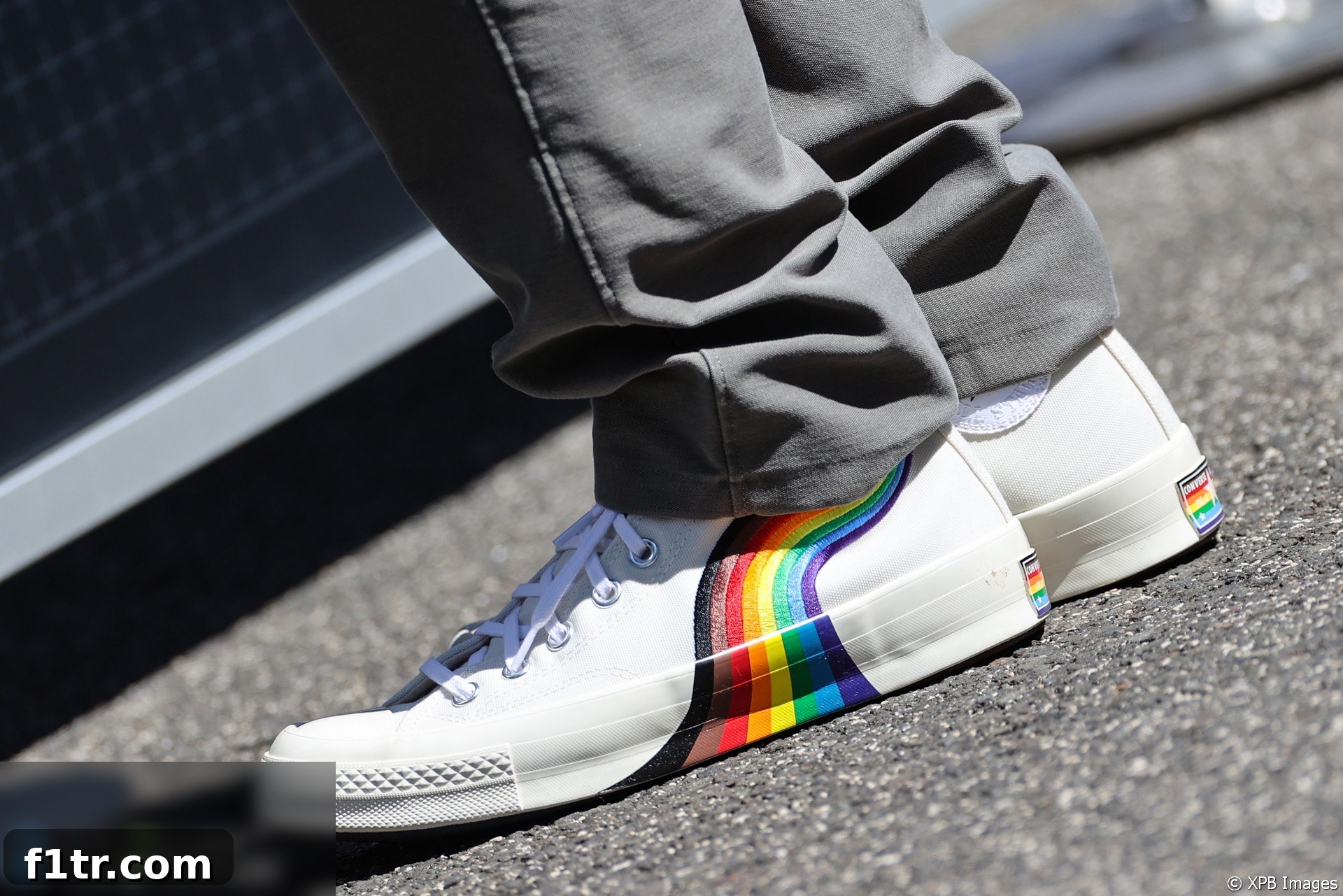
Vettel, alongside fellow F1 champion Lewis Hamilton, swiftly condemned this legislation. His disapproval was not just verbal; during the Hungarian Grand Prix weekend, he symbolically wore trainers emblazoned with the vibrant gay pride rainbow colors, a clear visual statement of solidarity and defiance. His message was unequivocal: “Everybody is free to do what they want and exactly that, I guess, is the point.” He expressed a profound sense of embarrassment that a country within the European Union would enact such discriminatory laws, particularly given the historical lessons on human rights and equality.
Vettel’s comments reflected a deep frustration with the persistence of prejudice in modern society. “We’ve had so many opportunities to learn in the past and I can’t understand why we’re struggling to see that everybody should be free to do what they like, love who they like,” he articulated. This powerful statement underscores a fundamental belief in universal human dignity and the right to self-determination, free from state-imposed discrimination. His philosophy aligns strongly with the principle of “live and let live,” advocating for a society where individual freedoms are respected without judgment or legislative interference.
The role of athletes as advocates for social change has become increasingly important. In a world where public figures hold immense influence, their willingness to speak out on contentious political and social issues can galvanize support, spark vital conversations, and even pressure governments. Vettel acknowledged that it is not their role to legislate, but emphasized the importance of using their platform to “express support for obviously those that are affected by it.” This demonstrates an understanding of the responsibility that comes with his global visibility, choosing to amplify the voices of marginalized communities and stand in solidarity with those impacted by oppressive laws.
Sebastian Vettel’s Enduring Legacy: A Champion Beyond the Track
Sebastian Vettel’s decision to actively engage with such sensitive and significant global issues fundamentally reshapes his public image and legacy. While his four world championships solidify his place as one of Formula 1’s greatest drivers, his unwavering commitment to environmental sustainability and human rights advocacy positions him as a champion of conscience. He embodies a new generation of athletes who recognize that their influence extends far beyond their sporting achievements, understanding that their voices can drive meaningful dialogue and inspire positive change.
His consistent stand on these issues, often in the face of potential backlash or criticism, showcases a profound sense of personal integrity and moral courage. By choosing to speak out and act, Vettel challenges the traditional notion of athletes remaining apolitical. Instead, he demonstrates the potent impact of using one’s platform to champion causes that resonate deeply with universal values. Whether picking up litter at Silverstone or proudly displaying rainbow colors in Hungary, Vettel is not merely participating in activism; he is embodying it, setting a powerful example for his peers, fans, and future generations.
In a world increasingly grappling with complex environmental challenges and persistent human rights struggles, figures like Sebastian Vettel offer a beacon of hope. His ability to connect with diverse audiences, not just as a racing icon but as a thoughtful and principled individual, allows these critical messages to penetrate wider spheres. As his career progresses, his legacy will undoubtedly be defined not just by the trophies he lifted, but by the courage he displayed in addressing the pressing issues of our time, proving that a true champion’s influence can transcend the boundaries of sport and inspire a more just and sustainable world.
Related Articles: 2021 Hungarian Grand Prix Insights
- Ocon congratulated by past French F1 aces after breakthrough win
- Alpine doubt first win signals a performance breakthrough
- Vettel disqualification hearing to take place on Monday
- Why no one received a Grosjean-style race ban for the Hungarian GP pile-up
- Ocon’s “beautiful” late-stint pace was other key to Alpine’s breakthrough win
Browse all 2021 Hungarian Grand Prix articles