The Haas-Alonso US GP Protest: Unpacking F1’s Deadline Drama and Flag Controversy
The aftermath of the United States Grand Prix saw Formula 1 embroiled in a contentious protest saga involving the Haas F1 Team and Alpine driver Fernando Alonso. This multi-layered dispute, which began with a Haas protest and culminated in a reversed penalty for Alonso, shone a spotlight on F1’s procedural complexities, the crucial role of race officials, and the perennial debate surrounding consistent application of sporting regulations. At the heart of the controversy was a miscommunication regarding the protest submission deadline, coupled with a fundamental disagreement over the use of the black-and-orange flag, a point of significant frustration for Haas Team Principal Guenther Steiner.
The Protracted Protest: Haas, Alonso, and the US GP Aftermath
The post-race events at the Circuit of the Americas unfolded dramatically, transforming what seemed like a straightforward result into a bureaucratic entanglement. Haas initially lodged a protest against Fernando Alonso’s Alpine car, arguing that it was unsafe to continue racing with a loose wing mirror, which eventually detached. This protest was initially upheld by the stewards, leading to a penalty for Alonso that dropped him down the order. However, this decision was swiftly challenged by Alpine, setting the stage for a further review that ultimately overturned the initial ruling.
Initial Protest and a Misleading Deadline
Haas’s protest against Fernando Alonso centered on a perceived breach of safety regulations. Alonso’s car sustained damage during a spectacular collision with Lance Stroll, resulting in a wing mirror hanging precariously. Despite the visible damage and the subsequent detachment of the mirror, Alonso was not shown the black-and-orange flag – a directive for a driver to pit immediately for repairs due to a mechanical issue deemed unsafe. Haas argued that this oversight provided Alonso with an unfair advantage and jeopardized safety.
However, the admissibility of Haas’s protest itself became a point of contention. The stewards’ initial review accepted the protest, even noting that it had been submitted 24 minutes past the established deadline. This deadline is typically 30 minutes after the provisional classification is issued, meaning Haas was nearly an hour late. The stewards initially excused this delay, deeming it “impossible” for Haas to have submitted their protest earlier. This initial ruling hinted at a significant underlying issue, which soon came to light during Alpine’s subsequent appeal.
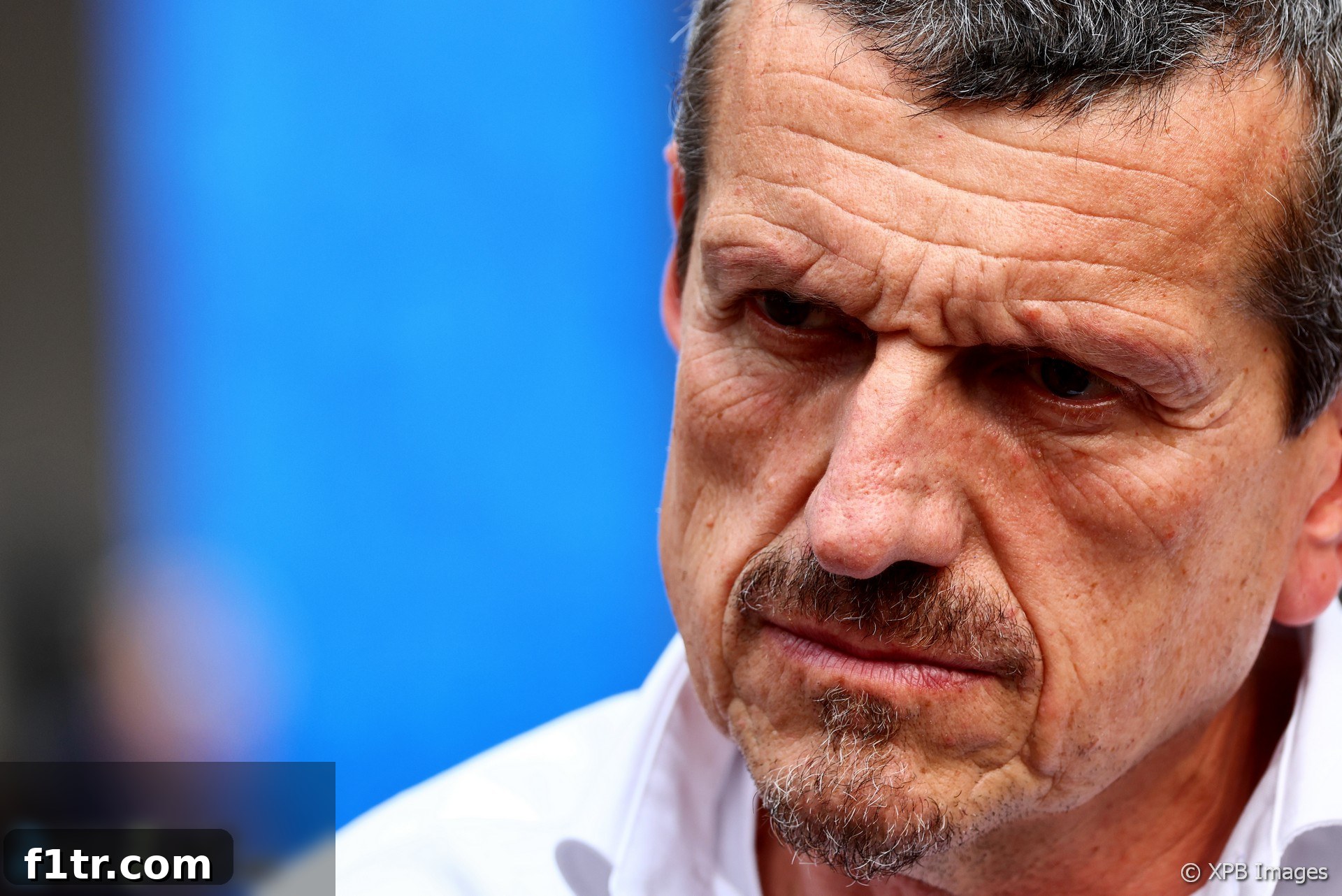
Guenther Steiner, the outspoken team principal of Haas, explained the reasoning behind their delayed submission. He revealed that a senior FIA official in Race Control had explicitly informed Haas that they had a full hour to submit their protest, rather than the standard 30 minutes. Steiner asserted that had they known the correct deadline, the team would have ensured a protest was lodged within the stipulated time, even resorting to a handwritten submission to the stewards. This crucial piece of information fundamentally altered the narrative surrounding the protest’s timeliness, shifting the blame from Haas’s apparent tardiness to an alleged misdirection from race officials.
Alpine’s Counter-Argument and the Overturned Penalty
Alpine, Alonso’s team, swiftly challenged the stewards’ initial decision, prompting a review hearing. Their primary argument hinged on the inadmissibility of Haas’s protest due to its late submission. Armed with the revelation that Haas had been misinformed, Alpine effectively dismantled the “impossibility” defense. They argued that if Haas was indeed capable of submitting a handwritten protest within 30 minutes, as Steiner claimed, then the protest was not “impossible” to lodge on time. The fact that Haas had been given incorrect information, while frustrating for the team, did not, in Alpine’s view, circumvent the fundamental procedural rule regarding protest deadlines.
The stewards, upon review, concurred with Alpine’s argument. They accepted that the original protest should not have been admitted, given the violation of the 30-minute deadline and the fact that an alternative, albeit more cumbersome, method of submission was available to Haas. Consequently, the stewards ruled Haas’s original protest inadmissible, withdrew the penalty previously imposed on Fernando Alonso, and reinstated him to his hard-fought seventh-place finish. This reversal underscored the critical importance of adhering to precise procedural timelines in Formula 1, even in the face of alleged official misinformation. The incident left Haas deeply frustrated, particularly given their belief that they were operating under guidance from the very officials meant to enforce the rules.
Advert | Become a Supporter & go ad-free
The Black-and-Orange Flag Dilemma: Inconsistency Under Scrutiny
Beyond the procedural deadlock, the core of Haas’s grievance lay in the inconsistent application of the black-and-orange flag. This flag, instantly recognizable for its black circle on an orange background, is a crucial safety mechanism in Formula 1. It signifies that a car has a mechanical issue that could endanger the driver or other competitors and must pit immediately for repairs. The controversy arose because Haas driver Kevin Magnussen had been shown this flag on multiple occasions throughout the 2022 season for issues arguably less severe than Alonso’s loose mirror, while Alonso was allowed to continue.
Magnussen’s Precedent vs. Alonso’s Exemption
Guenther Steiner vehemently highlighted the glaring inconsistency. He pointed out that Kevin Magnussen had been forced to pit three times during the year due to issues that prompted the black-and-orange flag. These incidents often involved minor damage that the team believed did not pose a significant safety risk or could have been managed. Yet, in each case, the FIA’s race director, Niels Wittich, deemed the car unsafe and mandated a pit stop, costing Magnussen valuable track position and potential points. In stark contrast, Fernando Alonso, despite having a visible and eventually detached wing mirror, was allowed to continue without intervention from race control. This differential treatment, Steiner argued, was fundamentally unfair and undermined the integrity of the sporting regulations.
The stewards themselves, in their original decision to uphold Haas’s protest, acknowledged this inconsistency. They implicitly criticized Race Director Niels Wittich for failing to show Alonso the black-and-orange flag, effectively validating Haas’s core complaint about the disparity in enforcement. This observation from the stewards lent considerable weight to Haas’s argument that the rules were not being applied uniformly across the grid, creating an uneven playing field and fostering a sense of injustice among teams.
Guenther Steiner’s Frustration and Call for Clarity
Guenther Steiner did not mince words when expressing his team’s frustration. “The black-and-orange flag, we didn’t get it once, we got it three times this year and then somebody else doesn’t get it,” Steiner told Sky Sports. “That is just not right.” His sentiment reflected a broader concern within the paddock about the arbitrary nature of some officiating decisions. For Steiner, the issue transcended the immediate penalty or its reversal; it struck at the core principle of fairness and predictability in racing. He stressed that such inconsistencies were detrimental to the sport, making it difficult for teams to understand and adhere to the rules, and ultimately detracting from the spectacle for spectators who expect fair competition.
Steiner’s ire was particularly directed at the alleged misinformation from the race director. “We are frustrated about what we are told from senior officials of this sport and then not standing up for it,” he lamented. When directly asked who provided the incorrect deadline, Steiner pointed unequivocally to “the race director.” This accusation highlighted a critical breakdown in communication and trust between teams and the governing body, questioning the reliability of official guidance. The Haas team felt not only penalized by a rule application but also misled by the very authority figures who are meant to provide clear and consistent directives.
FIA’s Review and the Quest for Consistent Officiating
In response to the widespread criticism and the controversies surrounding the United States Grand Prix, the FIA announced that it would undertake a review of the use of the black-and-orange flag. While this move was welcomed by many as a necessary step towards greater clarity, Steiner expressed a degree of cynicism, arguing that such a review came “a little bit late for us now after we got it three times already.” He emphasized that the damage, in terms of lost points and perceived injustice, had already been done for Haas. “They should have looked into this before, not now,” Steiner asserted, “because what we got penalised for, you cannot make good. We potentially lost points and to change it now, there is no satisfaction for me.”
This sentiment perfectly encapsulated the frustration of teams who feel that retrospective reviews, while important for future governance, do little to rectify past grievances. The incident highlighted the urgent need for a more robust and transparent framework for flag interpretation and enforcement. It implicitly called for clearer guidelines for race control, potentially involving more specific criteria for issuing the black-and-orange flag, or a more rigorous appeal process that considers all surrounding circumstances, including official misdirection. The FIA’s review is expected to clarify these ambiguities, aiming to provide a more consistent and predictable approach to safety-related mechanical issues on track.
Broader Implications for Formula 1’s Integrity
The Haas-Alonso protest saga carries significant implications for the perception of fairness and integrity within Formula 1. Incidents involving unclear regulations, inconsistent application, and alleged misinformation from officials can erode trust among teams, drivers, and fans. In a sport where fractions of a second and single points can dictate championship outcomes, any perceived arbitrary decision-making can have far-reaching consequences. The controversy not only affected Haas’s immediate standing but also raised questions about the broader governance of the sport, particularly in critical race control decisions.
For fans, such procedural wrangles can be confusing and diminish the spectacle of racing. The focus shifts from on-track heroics to off-track legal battles, potentially alienating viewers who crave clear, understandable rules and consistent enforcement. The incident also reignited debates about the training and accountability of race officials, emphasizing the immense pressure they operate under and the paramount importance of their decisions. The need for clear communication channels between race control, stewards, and teams has never been more evident, ensuring that all parties operate from the same factual and procedural understanding.
Conclusion: A Call for Transparency and Fairness
The United States Grand Prix protest involving Haas and Fernando Alonso served as a powerful reminder of the intricate balance between sporting regulations, safety protocols, and procedural adherence in Formula 1. While Alonso ultimately retained his seventh-place finish due to the inadmissibility of Haas’s late protest, the underlying issues of inconsistent flag application and alleged misinformation from race control remain critical points of discussion. Guenther Steiner’s frustration encapsulates the sentiment of teams seeking a level playing field and transparent decision-making from the sport’s governing bodies.
The FIA’s commitment to review the black-and-orange flag usage is a step in the right direction, but its effectiveness will depend on how thoroughly it addresses the inconsistencies highlighted by Haas. Moving forward, it is imperative for Formula 1 to ensure that its rules are not only clear and comprehensive but also applied with absolute consistency and transparency. Only then can the sport fully uphold its integrity, maintain the trust of its competitors, and deliver the fair and thrilling spectacle that fans worldwide expect.
Advert | Become a RaceFans supporter andgo ad-free
2022 Mexican Grand Prix
- How many victory chances did Hamilton have in his first winless F1 season?
- Delay in producing new parts held up Alfa Romeo upgrade
- Doohan’s practice run earns praise, but Alpine undecided over reserve role
- ‘I was in the fight, which hasn’t been often this year’: Ricciardo’s Mexican GP transcript
- Verstappen “will continue to break records for the rest of his career” – rivals
Browse all 2022 Mexican Grand Prix articles