Formula 1 Pilots New Driver Identification Branding at Belgian Grand Prix
Formula 1 is set to introduce a significant enhancement to the fan viewing experience by conducting a pilot test of new driver identification branding. This initiative, which will debut at the highly anticipated Belgian Grand Prix, aims to make it easier for spectators both at the track and watching worldwide to instantly recognize their favourite drivers amidst the thrilling on-track action.
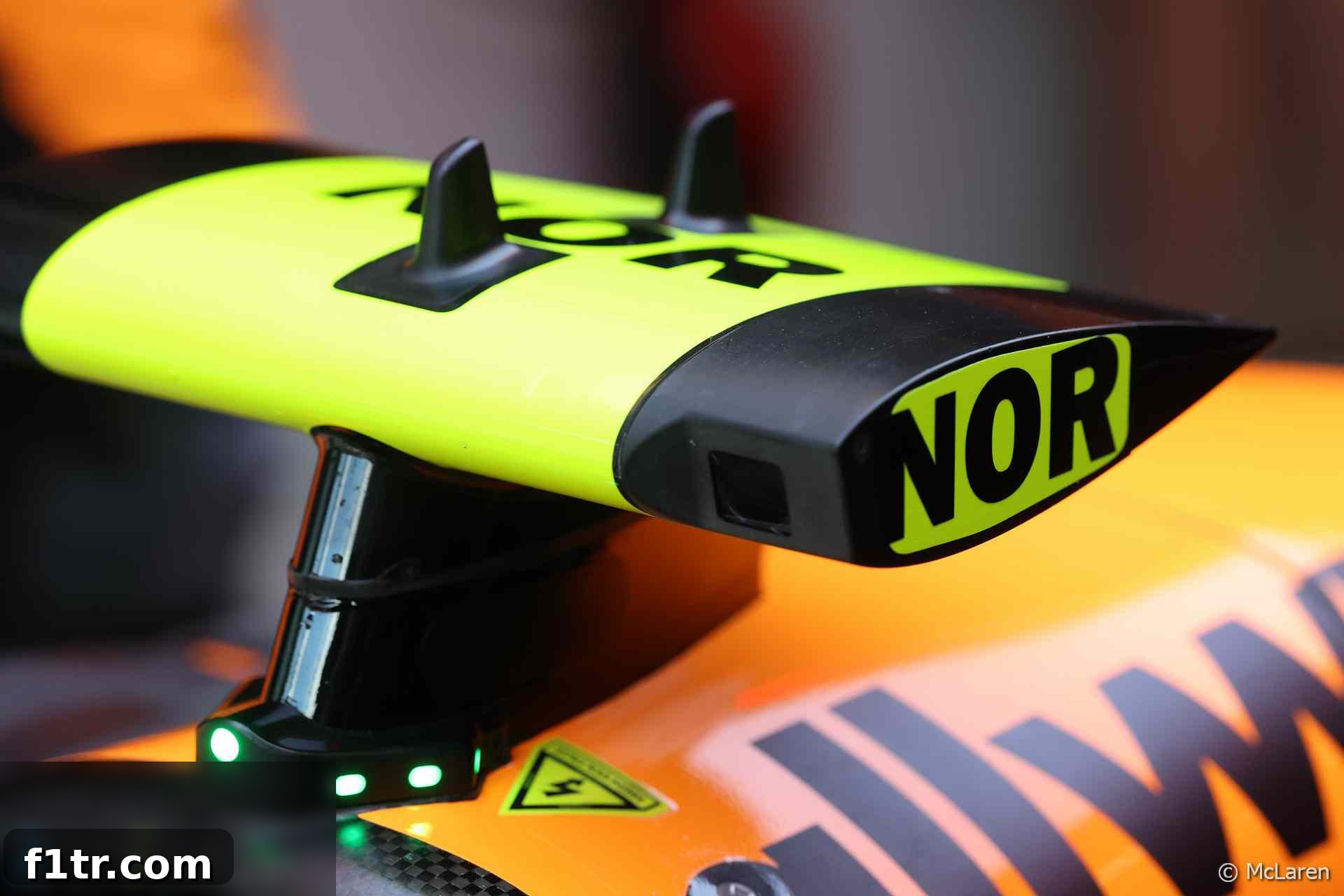
The core of this new branding strategy involves applying distinctive driver identification to the ‘T-bar’ onboard cameras. These cameras, prominently mounted atop each car’s roll hoop, offer crucial perspectives during a race broadcast. By utilizing the familiar three-letter abbreviations—the same codes fans are accustomed to seeing on timing screens—and strategically positioning them on the sides and top of these cameras, F1 hopes to create a seamless and intuitive identification system.
Enhancing Fan Clarity: The T-Bar Initiative
This pilot test is a collaborative effort between the sport’s governing body, the FIA, and Formula One Management (FOM), underscoring a unified commitment to improving fan engagement. The T-bar camera, due to its elevated position and consistent visibility, offers an ideal platform for this visual update. In the fast-paced, high-stakes environment of Formula 1, immediate driver recognition is paramount, especially during close battles or when multiple cars are grouped together.
The choice of three-letter acronyms, such as ‘VER’ for Verstappen or ‘HAM’ for Hamilton, is a smart integration, as these codes are already deeply embedded in the F1 fan’s vocabulary through live timing data and broadcast graphics. Implementing them directly onto the cars provides a tangible link between the digital information and the physical machines, enhancing the overall viewing experience and making the sport more accessible to new audiences.
Addressing a Recurring Challenge in Motorsport
The challenge of clearly identifying drivers on track is not new to Formula 1, nor is this the first time the sport has sought innovative solutions. Over the years, various approaches have been tested, reflecting an ongoing commitment to ensuring fans can easily follow the action. This latest initiative at Spa-Francorchamps builds upon a history of efforts to refine visual identification methods.
One of the most significant shifts occurred in 2017, the first season under the new ownership of Liberty Media. With a strong focus on enhancing fan engagement and making the sport more appealing to a broader audience, Liberty Media, in conjunction with the FIA, revised regulations concerning driver identification. A new directive was introduced at the 2017 Spanish Grand Prix, mandating teams to use significantly larger numbers on their cars and, crucially, to prominently display driver acronyms.
This move was designed to combat the difficulty fans often faced in distinguishing cars, particularly when viewing on television or from grandstands where smaller numbers could be easily obscured. While the requirement for larger numbers was largely successful and remains a standard, the mandate for driver acronyms proved more challenging. Some teams expressed concerns regarding aesthetic impact, available space for sponsors, or technical integration. Consequently, the acronym requirement was later relaxed, though not without notable incidents.
A prime example involved Force India, who faced a suspended fine for failing to fully adhere to the new acronym display requirement in Spain. Despite this initial hurdle, the team demonstrated a commendable commitment to fan clarity by choosing to keep the driver acronyms on their cars for the remainder of the 2017 season. This highlighted the varying degrees of willingness and capability among teams to adapt to new visual mandates.
Past Innovations: Digital Displays and Beyond
Beyond static branding, Formula 1 has also experimented with more dynamic identification solutions. One intriguing concept tested after the conclusion of the 2014 season involved adding a small digital display to the sides of the onboard cameras. Tested by Force India, the vision for these displays was ambitious: to dynamically show real-time information such as the current tyre compound being used by the driver or even an indicator for the fastest lap achieved. This would have provided an additional layer of information directly from the car itself, enriching the broadcast data feed.
However, this innovative idea was ultimately not adopted by F1 for widespread use. The complexities of implementation, power requirements, data transmission, and potential visual clutter likely contributed to its shelving. Interestingly, the American IndyCar series temporarily adopted a somewhat similar digital solution, which also featured dynamic information displays, before eventually moving away from it. These past experiments underscore F1’s continuous pursuit of technological solutions to improve the fan experience, even if not all concepts make it to full implementation.
Current Regulations on Car and Driver Identification
Under Formula 1’s present sporting regulations, teams are already bound by specific rules designed to aid car and driver identification. These rules are multi-faceted, addressing not only individual driver recognition but also the distinction between two cars from the same team.
Firstly, each car must clearly display its driver’s competition number and name. These elements are fundamental for official scoring, commentary, and fan tracking. Secondly, to distinguish between team-mates, particular attention is paid to the onboard cameras:
- The onboard camera located above the principal roll structure of the ‘first’ car (typically designated for the primary driver or the higher-ranked driver from the previous season) must remain as it is supplied by the FIA/FOM.
- The corresponding camera on the ‘second’ car must be predominantly fluorescent yellow. This distinctive color serves as an immediate visual cue for viewers to differentiate between the two cars of a given constructor during a race. This rule is particularly effective during replays or when cars are running close together, offering an instant visual differentiator.
Furthermore, the regulations also dictate branding requirements for the car’s chassis itself. “The name or the emblem of the make of the car must appear on the front of the nose of the car and in either case be at least 25mm in its largest dimension,” the rules state. Additionally, “The name of the driver must appear on the external bodywork of the car and be clearly legible.” These detailed specifications aim to ensure comprehensive and consistent branding across the grid, allowing for quick identification of both the manufacturer and the individual driver.
The Fan Experience at the Forefront
The impetus behind these continuous efforts to refine driver identification directly stems from Formula 1’s dedication to its global fanbase. In a sport where cars hurtle past at speeds exceeding 300 km/h, often with similar liveries, visual cues become incredibly important. For long-time enthusiasts, distinguishing drivers might be second nature, but for new viewers or those tuning in casually, immediate recognition can be a significant barrier to engagement.
The T-bar branding test aims to lower this barrier, making the sport more approachable and enjoyable. Imagine a critical overtake: instead of needing to remember car numbers or specific helmet designs, a quick glance at the T-bar camera provides instant confirmation of the driver involved. This instant clarity enhances the narrative of the race, allowing fans to follow driver battles, strategy plays, and individual performances with greater ease.
Furthermore, the prominence of on-board camera footage in modern F1 broadcasts means these cameras are not just functional but are also key visual elements. Leveraging them for identification turns a technical component into a powerful fan-friendly tool, directly integrating vital information into the most dynamic views of the race.
Looking Ahead: Implications of the Belgian Grand Prix Test
The Belgian Grand Prix will serve as a crucial testing ground for this new identification system. The results of this pilot, including feedback from broadcasters, teams, and critically, the fans themselves, will inform future decisions regarding its broader implementation. If successful, this T-bar branding could become a permanent fixture across the F1 calendar, further cementing the sport’s commitment to an enhanced viewing experience.
Success would not only mean clearer identification but also potentially open doors for other creative uses of onboard camera real estate, provided they don’t compromise the primary function or visual aesthetics. This ongoing innovation highlights F1’s understanding that while the racing itself is the main draw, how the sport is presented and consumed by its audience is equally vital for its continued growth and appeal.
As Formula 1 continues to evolve, balancing its rich tradition with the demands of a modern, digitally connected global audience remains a key challenge. Initiatives like the T-bar driver identification test at Spa are a testament to this delicate balance, demonstrating a proactive approach to making the pinnacle of motorsport more engaging, accessible, and exciting for everyone.
Related Formula 1 Articles
- Explore more articles about the Belgian Grand Prix
- Understanding FIA regulations and their impact
- Innovations in Formula 1 fan experience
- Latest technical developments in F1
- A look back at F1’s past identification methods