In the high-stakes world of Formula One, where milliseconds separate glory from disappointment, the journey to the top is often paved with triumphs. Yet, for many drivers, reaching the pinnacle of motorsport does not automatically guarantee a steady stream of victories. Instead, the landscape of success at the highest echelon of racing is fiercely competitive, and a driver’s chances of clinching a win frequently hinge on the competitiveness of their machinery. This challenging dynamic underscores a fundamental truth in Formula One: raw talent, while indispensable, must be synergistically paired with a top-tier car to consistently contend for race wins and championships.
The careers of many seasoned F1 drivers offer compelling evidence of this reality. Aspiring young talents often accumulate an impressive collection of trophies in junior categories, dominating feeder series with their innate skill and determination. However, upon graduating to Formula One, they enter an arena where the playing field is radically altered. Here, the sheer depth of talent among their peers is unparalleled, and the technological disparities between teams can be vast. Consequently, a driver might possess extraordinary ability but find themselves in a mid-field or back-of-the-grid car, destined to fight for minor points or even just to finish races, rather than challenging for the podium.
One prominent example of a driver who dramatically shifted his fortunes by securing a coveted seat with a front-running team is Valtteri Bottas. After years of demonstrating consistent performance and potential during his tenure at Williams, Bottas made the significant move to Mercedes-AMG Petronas F1 Team. This transition marked a pivotal moment in his career. The change in machinery instantly transformed his prospects, allowing him to contend for victories rather than merely points. Following his move, he swiftly ended a victory drought that had spanned almost six years, a testament to the power of a competitive car in unlocking a driver’s full potential on the global stage of Formula One.
Bottas celebrated his return to the top step of the podium at the 2017 season finale in Yas Marina, a decisive and memorable victory that cemented his place as one of the sport’s top drivers. This triumph not only provided him with a much-needed morale boost but also underscored his capability to perform under pressure when given the right equipment. Sharing the spotlight as one of F1’s most recent race-winners at that time was the formidable young talent, Charles Leclerc. Leclerc’s meteoric rise through the junior ranks culminated in a dominant Formula Two campaign, which he signed off with a commanding victory earlier on the same day as Bottas’s F1 win. His sheer talent and impressive consistency throughout the F2 season, where he elbowed aside fierce competitors like Alexander Albon for victory, propelled him into a highly anticipated F1 debut with Sauber, setting the stage for what many predicted would be a stellar career.
Leclerc’s transition from F2 champion to F1 rookie highlighted the immense pressure and expectation placed on young drivers making the leap into motorsport’s elite category. His exceptional performance in the feeder series showcased a rare blend of speed, race craft, and strategic acumen, qualities that are essential for success in Formula One. Sauber, known for nurturing emerging talent, provided him with a crucial stepping stone. This early exposure to F1 machinery and the demands of the sport allowed Leclerc to rapidly adapt and further hone his skills, confirming the high hopes that accompanied his entry into the sport. His ability to perform admirably even in less competitive machinery quickly established him as a future star and a genuine contender for championships in years to come, demonstrating that while a top car is vital for wins, sheer talent can still shine through.
The Elusive Nature of Victory: Drivers and Their Longest Waits
The journey of a Formula One driver is a rollercoaster of highs and lows, victories and droughts. For many, even those with illustrious careers, the wait between wins can be agonizingly long. Just last year, before his retirement, Felipe Massa carried the distinction of being the active driver who had spent the longest period waiting for another victory. Massa’s career, spanning nearly two decades, was marked by moments of brilliance and heart-wrenching near-misses. His last victory dated back to the dramatic 2008 Brazilian Grand Prix, a race that famously saw him briefly crowned world champion before Lewis Hamilton clinched the title on the very last corner of the final lap. Almost a decade later, luck nearly swung back in Massa’s favor at the thrilling 2017 Baku Grand Prix. He was in a strong position, showing exceptional pace and control, and a win seemed within his grasp, which would have been an incredibly emotional and fitting end to his long victory drought. Alas, it was not to be, as circumstances conspired against him, denying him that fairytale return to the top step of the podium.
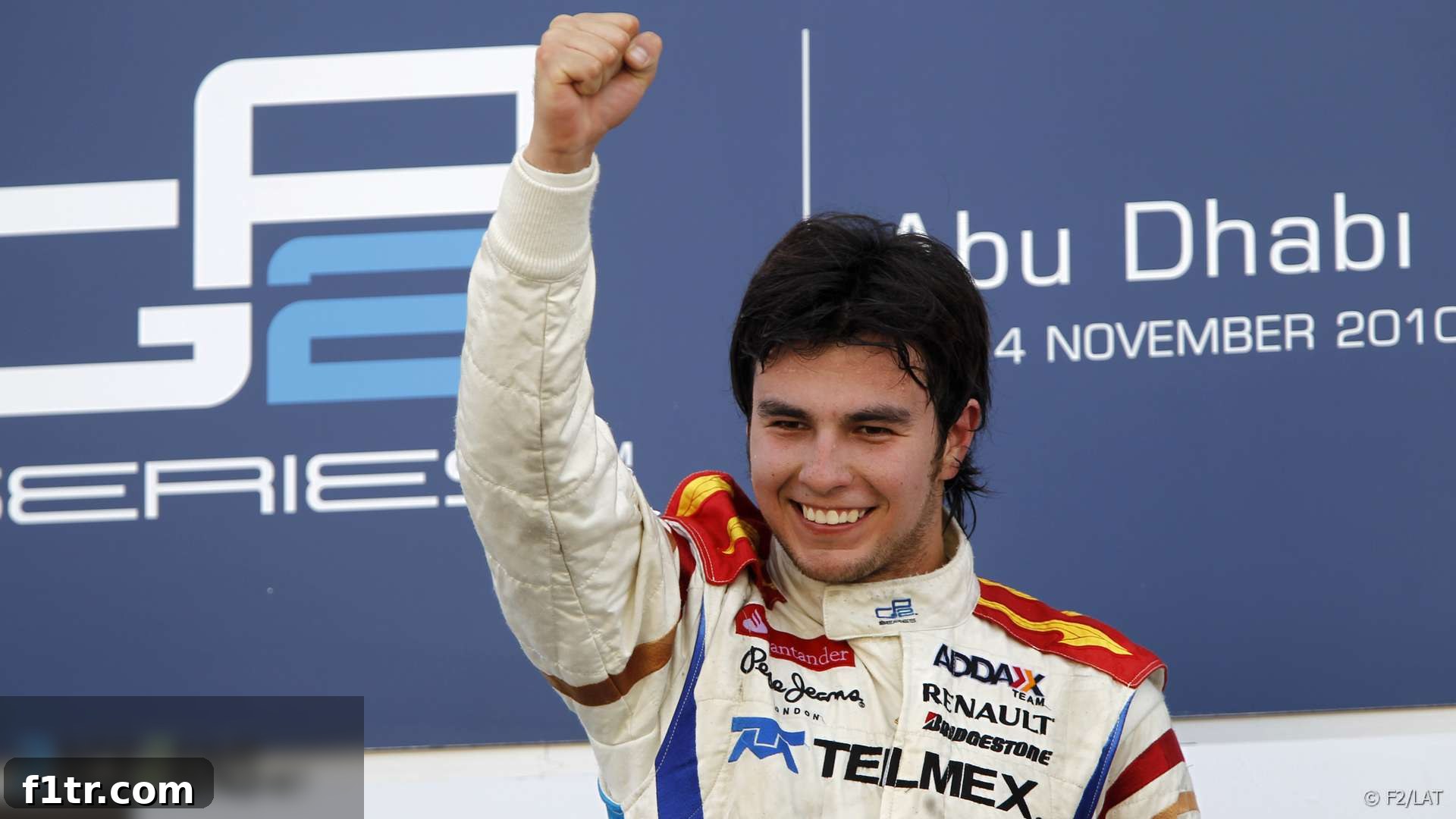
With Felipe Massa’s retirement from Formula One, the torch of the longest wait for a win among currently active drivers passed to Sergio Perez. Perez, a highly respected and consistent performer in the midfield, last stood on the top step of the podium shortly before making his Formula One debut with Sauber. His pre-F1 career was studded with success, but the transition to the pinnacle of motorsport has seen him consistently deliver strong performances and secure numerous podiums without ultimately clinching a victory. Perez has built a reputation as a shrewd racer, capable of maximizing his car’s potential, especially in challenging conditions. His stints with various teams – from Sauber to McLaren, and then a long and fruitful period with Force India and Racing Point – have solidified his standing as a dependable and competitive driver. However, despite his consistent point-scoring abilities and occasional flashes of brilliance that led to podium finishes, the ultimate prize of a race win in Formula One has remained tantalizingly out of reach, highlighting the immense difficulty of breaking through to victory without being in one of the sport’s absolute top-tier cars.
Here’s how long he – and many other prominent drivers – have been waiting for another win, a compelling snapshot of the F1 landscape:
(This section typically hosts a dynamic chart illustrating the duration of each active F1 driver’s last victory. Below, we discuss the implications and notable cases that such a chart would highlight, offering insights into the current state of victory droughts in Formula One.)
Examining the data on drivers’ last wins reveals a stark picture of Formula One’s competitive hierarchy and the incredible challenge of consistent success. While a handful of drivers dominate the top steps of the podium, a significant portion of the grid, including highly talented and experienced individuals, often endures years, or even their entire careers, without a taste of victory. This visual representation would typically show the current F1 grid, ordered by the length of time since their last win, from the most recent victors like Valtteri Bottas and Charles Leclerc (at the time of this analysis) to those who have waited for years, or indeed, are still awaiting their maiden F1 win.
The chart would underscore the careers of veterans like Kimi Raikkonen and Fernando Alonso, both world champions, who have gone for extended periods without celebrating a race win. It would vividly depict the chasm between drivers consistently in race-winning machinery and those, like Sergio Perez, who consistently extract strong results from midfield cars but struggle to convert them into victories. The implications are clear: F1 is not just a test of individual skill, but also a relentless battle of engineering, strategy, and team resources, where even the most gifted hands can be constrained by the limits of their vehicle.
Indeed, the list of drivers enduring significant victory droughts includes two world champions, Kimi Raikkonen and Fernando Alonso. Both motorsport icons have, at various points, gone almost five years without winning a Formula One race, a testament to the fluctuating fortunes and fierce competition in the sport. Raikkonen, known affectionately as “The Iceman,” came tantalizingly close to breaking his dry spell on several occasions, notably in Monaco and Hungary. In these races, he demonstrated flashes of his championship-winning pace and strategic brilliance, leading for significant portions. However, circumstances, often influenced by team strategy that prioritized his teammate Sebastian Vettel’s championship bid, meant he ultimately had to settle for second place, reinforcing the team dynamic that can sometimes overshadow individual aspirations in Formula One. Despite the lack of recent wins, Raikkonen’s enduring popularity and his continued ability to deliver points for his team illustrate his invaluable experience and raw speed.
Meanwhile, the victory-starved Alonso has embarked on an ambitious and multifaceted programme of racing beyond Formula One. His unyielding desire to achieve motor racing’s prestigious ‘Triple Crown’ – by adding victories at the Indianapolis 500 and the Le Mans 24 Hours to his existing Monaco Grand Prix success – has seen him diversify his racing efforts significantly. This audacious goal has led him to enter the World Endurance Championship (WEC) this year, demonstrating a profound commitment to his craft and an insatiable hunger for victory across different disciplines. Regardless of the competitive standing of his McLaren-Renault F1 car, Alonso’s chances of scoring at least one win in his five WEC outings for Toyota are exceptionally strong, given Toyota’s dominance in endurance racing. This multi-series approach not only highlights Alonso’s extraordinary talent and adaptability but also showcases his unique perspective on what constitutes a successful motorsport legacy, transcending the confines of a single championship.
Alonso’s pursuit of the Triple Crown is more than just a personal ambition; it’s a narrative that captivates motorsport fans worldwide, reminding them of a bygone era when F1 drivers routinely competed in other iconic races. His willingness to step out of his comfort zone and challenge himself in different machinery and racing formats underscores his status as one of the most complete drivers of his generation. While his F1 career has been characterized by periods of frustration due to uncompetitive cars, his ventures into IndyCar and WEC represent a reassertion of his winning spirit and an unwavering commitment to etching his name deeper into the annals of motorsport history. The prospect of him achieving the Triple Crown would be a monumental accomplishment, solidifying his legend and inspiring future generations of drivers to look beyond the immediate horizons of their chosen discipline.
Over to you – The Future of F1 Victories
As the Formula One season progresses, the questions surrounding who will claim the next victories become a central point of discussion among fans and pundits alike. Will the sport witness the emergence of any new winners this year, perhaps a rookie breaking through or a seasoned driver finally seizing their long-awaited moment? And what of the veterans? Will established champions like Fernando Alonso or Kimi Raikkonen finally manage to end their lengthy waits for a victory? If so, which race circuit will bear witness to their triumphant return to the top step of the podium? These uncertainties add layers of excitement and anticipation to every Grand Prix, making each race a potential turning point in a driver’s career and a season’s narrative. Your insights and predictions are highly valued.
Have your say in the comments below.
NB. Romain Grosjean did win the 2012 Race of Champions, but as this is not a ‘race’ in the traditional Formula One sense with championship implications or standard F1 machinery, it has not been included in the discussion of F1 Grand Prix victories.
Exploring the 2018 F1 Season and Beyond
The 2018 Formula One season was a period of intense competition, strategic battles, and compelling driver narratives. It also marked significant developments within teams and across the broader motorsport landscape. For those keen to delve deeper into the events, stories, and technical evolutions that defined that era and its lasting impact on F1, explore the following related articles. These pieces offer further context and detailed analysis on key moments and decisions that shaped the championship and continue to influence the sport today, from team dynamics to technological advancements.
- F1 feared “death knell” for Drive to Survive after Ferrari and Mercedes snub
- McLaren staff told us we were “totally crazy” to take Honda engines in 2018 – Tost
- ‘It doesn’t matter if we start last’: How Red Bull’s junior team aided Honda’s leap forward
- Honda’s jet division helped F1 engineers solve power unit problem
- McLaren Racing losses rise after Honda split
Browse all 2018 F1 season articles