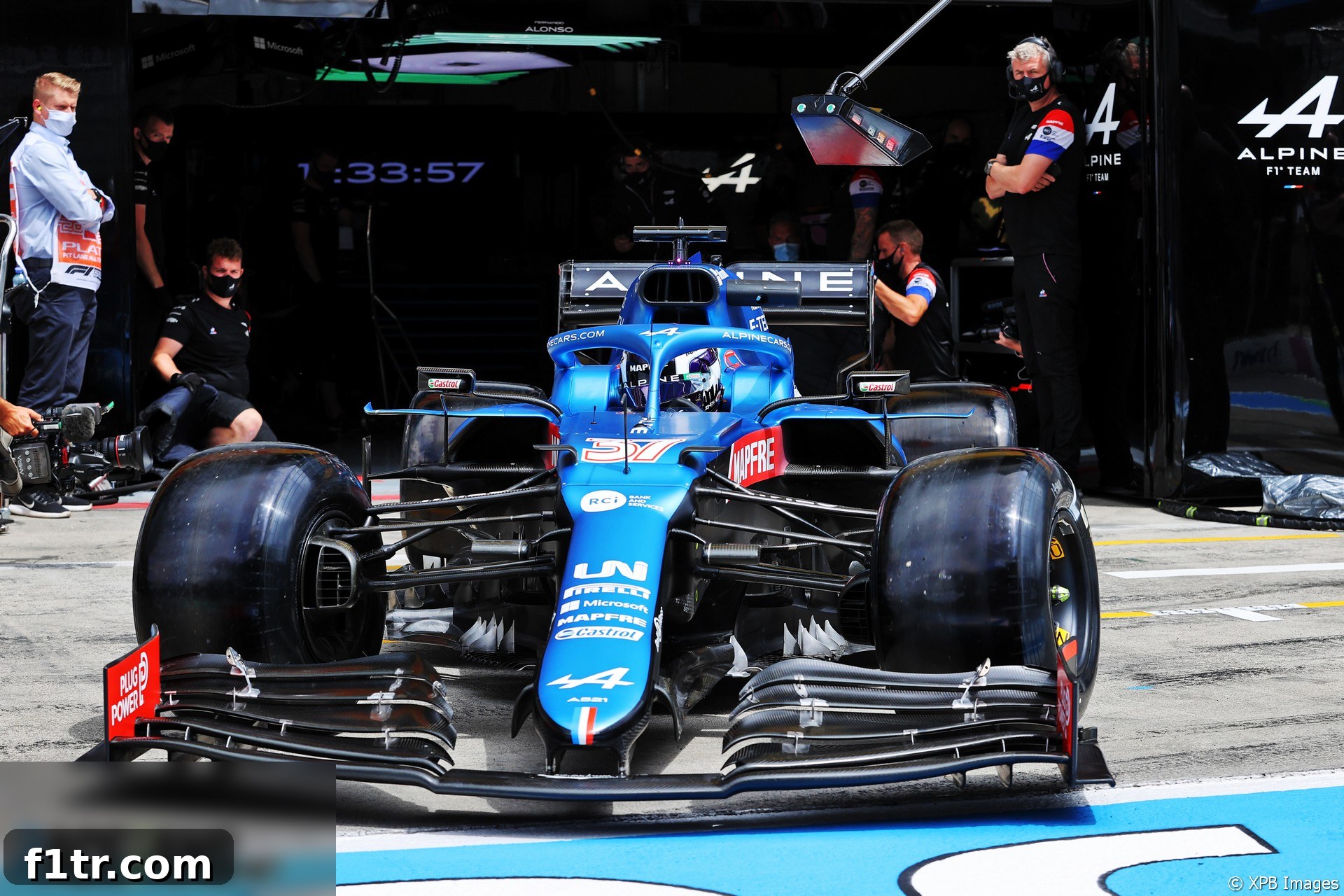
Formula 1 is set to usher in a significant change aimed at revitalizing its talent pipeline, with mandatory practice sessions for rookie drivers confirmed for introduction next year. This landmark decision, announced by the series’ esteemed motorsport director Ross Brawn, directly addresses growing concerns over the scarcity of opportunities for emerging talents to gain crucial track experience within the elite echelons of motorsport. The new regulations are poised to provide a structured pathway for young drivers, ensuring they receive invaluable exposure and development time during Grand Prix weekends, a critical step towards bridging the gap between junior categories and the pinnacle of racing.
For years, the pathway to Formula 1 has become increasingly challenging for young, aspiring drivers. Stringent restrictions on in-season testing, coupled with the immense financial investment required to even sit in an F1 car, have created a bottleneck, leaving many prodigious talents on the sidelines despite stellar performances in feeder series like Formula 2 and Formula 3. Teams, operating under tight budgetary and logistical constraints, have had few avenues to genuinely assess and nurture their junior drivers in a competitive F1 environment. This has often led to a situation where potential future champions struggled to find their footing, raising questions about the long-term health and sustainability of F1’s talent pool.
The New Mandate: Paving the Way for Future Stars
The core of these new regulations revolves around mandating every Formula 1 team to utilize a young driver during a specific number of Friday practice sessions each year. This requirement will fundamentally alter the dynamics of Grand Prix weekends, transforming what was once an optional, often overlooked, slot into a compulsory development stage. Ross Brawn emphasized the proactive nature of this initiative, stating, “They’ll need to run a young driver on Friday, every team, a certain number of occasions each year.” This ensures that the responsibility for nurturing new talent is shared across the entire grid, fostering a more robust and inclusive developmental environment.
Crucially, the rules are being meticulously crafted to ensure that genuine new talents are the primary beneficiaries. The definition of a “rookie” will be carefully controlled to prevent loopholes or the misuse of these valuable slots by established drivers with minimal F1 experience. Brawn underscored this commitment, explaining, “We’re being very careful about how we define a rookie to make sure.” This precise definition will likely consider factors such as the number of previous Grand Prix starts, accumulated Super Licence points, and perhaps even age limits, all designed to ensure the spirit of the regulation—to give truly inexperienced yet promising drivers a legitimate shot—is upheld.
Addressing the Opportunity Gap: Why Now?
The push for these mandatory sessions comes at a time when the lack of direct F1 opportunities for top junior talent has become particularly acute. The 2022 Formula 1 grid, for instance, saw every confirmed driver having prior race experience in the series. This trend highlights a significant hurdle for those emerging from the highly competitive feeder championships. A prime example is Oscar Piastri, the dominant Formula 2 points leader, who secured championships in the last two consecutive seasons – F3 in 2020 and F2 in 2021 – yet found himself without an immediate F1 seat. Piastri’s situation underscored the systemic challenge, where even undisputed talent struggles to break through, often relegated to reserve driver roles without the critical real-world F1 experience.
Historically, Friday practice sessions were often used by test drivers or even team owners for promotional purposes. Over time, as testing budgets shrunk and the sport became hyper-competitive, main drivers maximized every minute of track time. This shift inadvertently squeezed out opportunities for new talent. The new regulations aim to reverse this trend, re-establishing Friday FP1 as a vital proving ground. It offers young drivers not just a chance to experience the raw power and complexity of an F1 car, but also to work with the team engineers, understand telemetry, provide feedback, and adapt to the rigorous demands of a Grand Prix weekend. Such exposure is irreplaceable and far surpasses the insights gained from simulator work alone.
The Benefits: A Multi-faceted Approach to Talent Development
The introduction of mandatory rookie practice sessions presents a wealth of benefits, extending beyond just the young drivers themselves. For the sport as a whole, it promises a more vibrant and sustainable talent pipeline, ensuring a continuous influx of fresh faces and competitive driving styles. This not only safeguards the future of Formula 1 but also enhances its appeal to fans who are keen to witness the rise of the next generation of motorsport heroes.
Advantages for Young Drivers
- Invaluable Track Experience: Nothing can truly replicate the experience of driving a Formula 1 car at speed on a Grand Prix circuit. These sessions provide vital seat time, allowing rookies to adapt to the car’s immense power, sophisticated aerodynamics, and powerful braking systems.
- Direct Team Integration: Rookies will gain first-hand experience working alongside F1 engineers, strategists, and mechanics. This interaction is crucial for understanding the technical nuances of an F1 team, learning communication protocols, and providing actionable feedback.
- Performance Assessment: These sessions offer a direct platform for teams to evaluate a driver’s raw speed, technical understanding, and ability to handle pressure in a Grand Prix environment. It’s a real-world audition far more comprehensive than simulator tests.
- Super Licence Points Accumulation: Depending on the final regulations, participation in FP1 sessions could contribute to the accumulation of Super Licence points, making it easier for deserving drivers to qualify for a full F1 seat in the future.
- Increased Exposure and Marketability: Performing well in an FP1 session can significantly boost a young driver’s profile, attracting sponsors and potentially opening doors to future opportunities within F1 or other top-tier racing categories.
Advantages for Formula 1 Teams
- Talent Identification and Nurturing: Teams can more effectively identify, assess, and develop talent within their own junior academies, ensuring a steady stream of qualified drivers ready to step up.
- Fresh Perspective and Data: Rookie drivers, often with less ingrained habits, can sometimes provide fresh perspectives on car setup and handling characteristics, potentially aiding in data collection and development.
- Sponsorship and Commercial Opportunities: Showcasing young, up-and-coming talent can be attractive to sponsors looking to invest in the future of the sport.
- Compliance with Regulations: The mandate ensures all teams contribute to the sport’s long-term health, promoting a collective responsibility for talent development.
Brawn’s Perspective: A Balanced View on Talent
While acknowledging the current challenges, Ross Brawn also expressed confidence in the underlying strength of the talent pool, citing the success stories of recent years. “Look who we’ve seen come in,” he remarked, pointing to prominent figures like George Russell, Charles Leclerc, and Max Verstappen. These drivers, who rapidly ascended to become leading lights in the sport, serve as powerful examples that opportunities do exist for those with exceptional skill and determination.
Brawn added, “We’ve seen George come in, we’ve seen Charles come in, we’ve seen Max come in, we’ve seen other drivers come in. So there is the opportunity there if you’re good. It’s great to try and help, but I don’t think we’re lacking in young drivers coming through into Formula 1.” This perspective suggests that while the pathway may be narrow, the sheer quality of talent emerging from junior categories remains incredibly high. The new rookie practice regulations are thus not about creating talent where none exists, but rather about widening that narrow pathway and making the transition less arduous for those who have already proven their mettle.
The success of drivers like Russell, Leclerc, and Verstappen, however, often came with significant backing from manufacturer academies or established F1 teams early in their careers. George Russell, for example, was a Mercedes junior, while Leclerc came through the Ferrari Driver Academy, and Verstappen made an incredibly early debut with Red Bull’s support. These privileged pathways are not universally available, and the new regulations aim to democratize access to F1 car experience to a greater extent, ensuring that talent isn’t overlooked simply due to a lack of immediate top-tier backing.
Challenges and Considerations for Implementation
While the initiative is largely welcomed, its implementation will undoubtedly come with its own set of challenges and considerations. Teams will need to integrate these rookie sessions seamlessly into their Grand Prix weekend schedules, which are already meticulously planned. The main drivers will lose some valuable track time in FP1, which could impact their preparation, especially at unfamiliar circuits or with new car upgrades. However, this is a trade-off deemed necessary for the greater good of the sport’s future.
Defining the “certain number of occasions” will be critical. Will it be a fixed number for all teams, or variable based on specific circumstances? How will the logistical challenges, such as providing additional spare parts or ensuring adequate preparation for both the rookie and the main drivers, be managed? Furthermore, safeguarding against teams using these slots for “pay drivers” who might not be the most deserving but bring significant sponsorship will be paramount. The careful definition of “rookie” will play a vital role here, ensuring the system remains meritocratic.
The Broader Impact on Formula 1’s Future
This forward-thinking regulation underscores Formula 1’s commitment to nurturing its future champions and maintaining its position as the pinnacle of motorsport. By creating a formalized structure for young drivers to gain F1 experience, the sport is investing in its own long-term health and competitiveness. It reinforces the notion that F1 is not just a battleground for current champions but also a breeding ground for future legends.
The move could also inspire greater engagement from fans, who are often captivated by the stories of emerging talents battling their way to the top. Seeing new faces on track during Grand Prix weekends and following their development will add another layer of intrigue and excitement to the F1 narrative. As Formula 1 continues to expand its global reach and fanbase, ensuring a consistent influx of captivating personalities and formidable driving talent is key to its sustained success.
In conclusion, the introduction of mandatory rookie practice sessions marks a pivotal moment for Formula 1. It is a proactive and strategic step designed to tackle the long-standing issue of limited opportunities for young drivers, promising to revitalize the sport’s talent pipeline. Under the guidance of figures like Ross Brawn, F1 is taking concrete action to ensure that the next generation of racing superstars not only emerges but also receives the crucial platform they need to excel, thereby securing a bright and competitive future for the pinnacle of motorsport.
Related Formula 1 Insights and Analysis
- Examining Controversial Moments in F1 Racing
- Driver Perspectives on On-Track Collisions
- Stewards’ Rulings and Their Impact on Drivers
- Strategic Wins and Unexpected Outcomes in F1
- Understanding F1’s Penalty System and Precedents
Browse More F1 Driver Development & Regulation Articles