The Ultimate F1 Circuit Roster: Navigating the 2024 Calendar and Beyond
The 2024 Formula 1 season marks a historic milestone, featuring an unprecedented 24 Grand Prix rounds. This expansive calendar, two races more than the previous season, solidifies F1’s global reach and ambition. Beyond the 24 distinct Grand Prix events on Sundays, fans can anticipate an additional six sprint races, bringing the total number of competitive sessions to 30. This packed schedule means that 24 unique circuits across the globe will host the pinnacle of motorsport, each offering its own blend of challenges, history, and spectacle.
As the Formula 1 circus travels from continent to continent, it navigates a diverse array of venues. The calendar proudly showcases some of the most revered race tracks in the world – hallowed grounds where legends have been born and championships decided. Yet, it also embraces modern purpose-built facilities and thrilling street circuits that inject fresh energy into the sport. This blend reflects F1’s rich heritage while simultaneously charting a course for its future, aiming to captivate both long-standing enthusiasts and new audiences.
A Season of Unprecedented Scale: The Evolving F1 Landscape
The sheer scale of the 2024 Formula 1 calendar is a testament to the sport’s burgeoning popularity and its strategic global expansion. With more races than ever before, F1 continues to solidify its footprint in key markets while exploring new territories. This growth, however, comes with its own set of considerations. The packed schedule places immense demands on teams, drivers, and logistical operations, pushing the boundaries of what is physically and logistically achievable within a nine-month season.
While the increase in races offers more opportunities for competition and fan engagement, it also sparks debate about the optimal number of events. Critics often point to potential burnout and the dilution of the Grand Prix experience if the calendar becomes too saturated. Conversely, proponents argue that more races mean greater exposure, increased revenue, and the chance to introduce F1 to diverse cultures and fan bases worldwide. The current 24-race format appears to be F1’s ambitious answer to this ongoing discussion, seeking to strike a balance between tradition, commercial imperative, and sporting integrity.
Where Legends Are Forged: The Enduring Appeal of Iconic Circuits
The 2024 Formula 1 calendar is replete with circuits that are synonymous with motorsport history and drama. Italy’s Autodromo Nazionale Monza, often referred to as the “Temple of Speed,” stands as an unmatched icon, having hosted more rounds of the world championship than any other venue. Its long straights and challenging chicanes demand absolute precision and courage, making it a perennial favourite for high-speed action and passionate Tifosi.
Equally celebrated is Belgium’s Circuit de Spa-Francorchamps, renowned for its breathtaking elevation changes, the legendary Eau Rouge-Raidillon complex, and its often unpredictable Ardennes weather. Spa consistently delivers some of the most thrilling and unpredictable races, testing drivers to their absolute limits. And then there’s the unique spectacle of the Circuit de Monaco, a street circuit carved through the opulent principality. Despite its narrow confines and often processional races, the glamour, prestige, and unparalleled skill required to master its twists and turns ensure its untouchable status on the calendar.
Beyond these historic behemoths, the 21st century has seen the rise of new staples that have quickly etched themselves into the hearts of fans and drivers alike. Bahrain’s Sakhir International Circuit, with its distinctive desert setting and floodlit night races, has become a dynamic season opener. Similarly, the Circuit of the Americas (COTA) in the United States, designed with a blend of European-inspired sections, offers a diverse layout with significant elevation changes that promotes close racing and has firmly established itself as a modern classic.

The Race for Excitement: Evaluating Circuit Design and Performance
Not all Formula 1 circuits are created equal when it comes to delivering edge-of-your-seat racing action. While some tracks consistently produce thrilling overtakes, strategic battles, and unpredictable outcomes, others have unfortunately garnered a reputation for generating more “processional” races, where cars follow each other with little opportunity for genuine competition. The fundamental design of a circuit plays a pivotal role in this dynamic.
Tracks that excel in generating excitement often feature a judicious mix of challenging high-speed corners, tight technical sections, and at least one or two significant overtaking zones, typically at the end of long straights leading into heavy braking areas. Elevation changes, like those at Spa or COTA, add an extra dimension, both visually and in terms of driver skill. Suzuka in Japan, for instance, is a driver’s favourite due to its flowing layout and complex S-curves that demand immense precision and bravery. Interlagos in Brazil, with its undulating nature and varying corner speeds, also frequently serves up dramatic races, especially with its unpredictable weather.
Conversely, some street circuits, despite their stunning backdrops, can struggle with race quality. Their urban environments often restrict track width and create a lack of natural runoff areas, leading to layouts dominated by 90-degree corners and limited opportunities for drivers to genuinely race wheel-to-wheel. While recent efforts have been made to improve tracks like Yas Marina in Abu Dhabi, or to design new street circuits with better overtaking prospects (like Jeddah), the inherent challenges of these venues remain a frequent talking point among fans and pundits.
Curating the Calendar: A Fan’s Perspective on Track Selection
The expansion of the Formula 1 calendar has inevitably led to a re-evaluation of which circuits truly deserve their place. In years past, figures like Bernie Ecclestone often operated on a principle of ‘one nation, one Grand Prix,’ with rare exceptions for commercially attractive regions like the United States or a ‘European Grand Prix’ for financial benefit. Today, that rule has largely been abandoned, with several countries now hosting multiple races, most notably the USA and Italy.
This shift has opened up a significant debate. For many, trimming the calendar fat might mean reverting to a stricter ‘one nation, one Grand Prix’ philosophy. Considering the United States now hosts three rounds – the Miami International Autodrome, the Las Vegas Strip Circuit, and the Circuit of the Americas – there’s a strong argument to consolidate. While Miami and Las Vegas offer glitz and glamour, they have faced criticism for their event scheduling and, at times, the quality of racing. Many advocates suggest retaining COTA as the sole US Grand Prix, leveraging its decade of history and consistently delivering strong racing action in Austin.
Similarly, Italy currently hosts two races: the classic Monza and the historic Imola. While the modern iteration of Imola is a significant improvement on its past, for many purists, it simply cannot rival the iconic status and raw speed of Monza. The emotional connection to Monza, combined with its unparalleled racing heritage, makes it an almost untouchable fixture. A similar sentiment often arises regarding the season finale. While the Yas Marina circuit in Abu Dhabi has seen track modifications to improve racing, many would welcome the return of Brazil’s Autódromo José Carlos Pace (Interlagos) as the season closer, harking back to a tradition of dramatic title deciders.
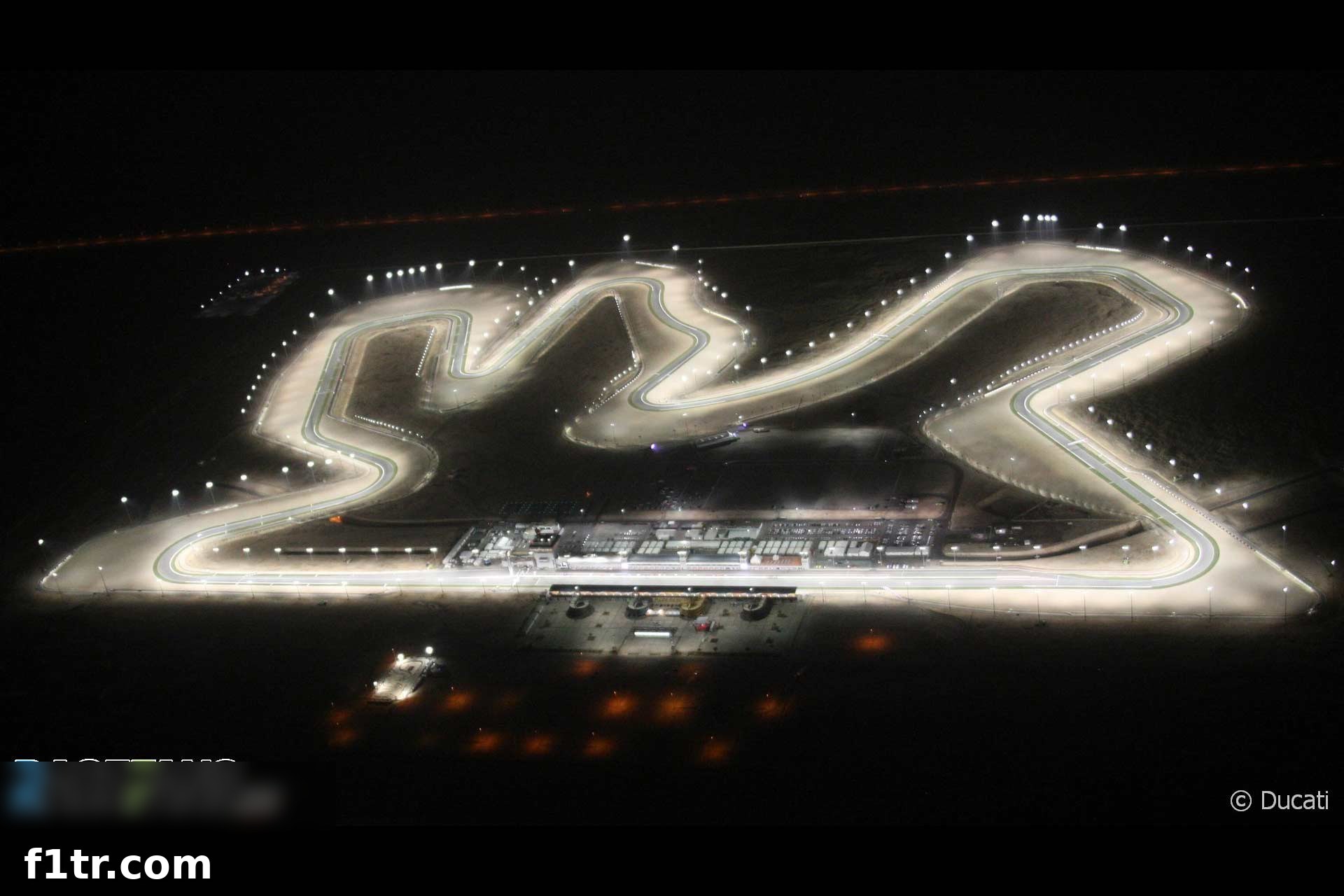
Newer circuits like the Losail International Circuit in Qatar, while providing modern facilities, sometimes struggle to differentiate themselves. Some perceive Losail as a longer, less distinctive version of Bahrain’s Sakhir. This perception reinforces the idea that the Sakhir circuit, especially as a potential early-season fixture following Albert Park in Australia, holds a stronger and more unique identity. Furthermore, whispers of change, such as the Circuit de Catalunya potentially being replaced by a new Madrid street circuit, are met with a mixture of apprehension and curiosity, underscoring the constant evolution of F1’s geographical footprint.
What the Fans Said: A Snapshot of Preferences
Engaging with the Formula 1 community is crucial in understanding the true pulse of the sport. Recently, fans were asked to vote on which of the 24 circuits on the 2024 F1 calendar they would choose to keep. The results provide fascinating insights into what resonates most with the sport’s dedicated followers. While every track has its supporters, some clearly stand out as fan favorites, while others face a more uncertain future based on popularity.
What 24 tracks on the 2024 F1 calendar would you choose to keep on the schedule?
- Circuit de Spa-Francorchamps – Belgium (7%)
- Suzuka – Japan (7%)
- Autodromo Jose Carlos Pace (Interlagos) – Brazil (6%)
- Circuit of the Americas (Austin) – USA (6%)
- Autodromo Nazionale Monza – Italy (6%)
- Silverstone – Great Britain (6%)
- Red Bull Ring – Austria (6%)
- Circuit de Gilles Villeneuve (Montreal) – Canada (6%)
- Albert Park (Melbourne) – Australia (6%)
- Hungaroring (Budapest) – Hungary (5%)
- Circuit de Monaco – Monaco (5%)
- Autodromo Internazionale Enzo e Dino Ferrari (Imola) – Italy (5%)
- Marina Bay Street Circuit – Singapore (4%)
- Baku City Circuit – Azerbaijan (4%)
- Zandvoort – Netherlands (4%)
- Autodromo Hermanos Rodriguez (Mexico City) – Mexico (3%)
- Circuit de Catalunya (Barcelona) – Spain (3%)
- Shanghai International Circuit – China (3%)
- Sakhir International Circuit – Bahrain (3%)
- Yas Marina – Abu Dhabi (1%)
- Losail International Circuit – Qatar (1%)
- Las Vegas Strip Circuit – USA (1%)
- Jeddah Corniche Circuit – Saudi Arabia (1%)
- Miami International Autodrome – USA (0%)
Total Voters: 246
The poll results clearly highlight the enduring popularity of classic, challenging circuits. Spa-Francorchamps and Suzuka emerged as top contenders, reflecting their reputation for producing spectacular racing and testing drivers to their limits. Established venues like Interlagos, COTA, Monza, Silverstone, and Montreal also received strong backing, underscoring the appreciation for tracks with both history and proven race quality. Interestingly, Miami International Autodrome registered 0% support, signaling a clear message from fans regarding its place on the calendar, while newer street circuits like Las Vegas, Losail, and Jeddah also languished at the lower end of the poll.
The Road Ahead: Future Prospects for the F1 Calendar
The 2024 Formula 1 calendar, with its unprecedented 24 races, represents a dynamic balance between celebrating tradition and embracing global expansion. However, the discussions surrounding fan preferences, race quality, and the commercial viability of different venues are continuous. The sport is in a constant state of evolution, with new cities and countries eager to host a Grand Prix, promising further shifts in the calendar landscape.
Future calendars will likely continue to face the challenge of integrating heritage circuits that provide classic racing with lucrative new venues that unlock fresh markets. The balance between sporting integrity and commercial interests will always be delicate. As F1 looks towards upcoming seasons, the input of fans, combined with careful consideration of logistics, driver welfare, and environmental impact, will be crucial in shaping a calendar that not only excites but also sustains the very essence of Grand Prix racing.
Engaging with the F1 Community
The debate over the ideal Formula 1 calendar is an ongoing conversation among fans worldwide. Your passion helps shape the future of the sport, influencing decisions about which iconic venues remain and which new circuits rise to prominence. We encourage you to continue sharing your thoughts and opinions on these critical topics.
Here are some related discussions and polls that delve deeper into the evolving world of Formula 1:
- What must Formula 1 fix with its new rules – and what should it leave unchanged?
- ADUO: Do F1 teams who fall behind deserve to get help to catch up?
- F1 is considering doubling its sprint races. Do you want more or fewer?
- Will this be a fight or a rout? 20 questions for the 2026 Formula 1 season
- Which Formula 1 team has the best-looking car – and the worst – for the 2026 season?
Browse all debates and polls