Circuit of the Americas Bumps: A Tale of Two Series – F1 Drivers Unconcerned Despite MotoGP Challenges
The infamous bumps at the Circuit of the Americas (COTA), a recurring topic of discussion within the motorsport community, are not causing concern for Formula 1 drivers in the same way they have for Moto GP riders. This reassurance comes directly from COTA’s chairman, Bobby Epstein, who has offered a detailed perspective on the track’s condition ahead of recent Formula 1 events at the iconic Austin, Texas venue.
COTA Chairman Addresses Track Surface Concerns
Bobby Epstein, the driving force behind the Circuit of the Americas, has consistently expressed confidence in the track’s surface for Formula 1 Grand Prix weekends. Despite a chorus of complaints from Moto GP riders regarding significant undulations during their races at COTA, Epstein maintains that these issues do not translate to Formula 1 cars. His stance highlights a fundamental difference in how the two disciplines interact with the circuit’s terrain, an aspect often overlooked in surface discussions.
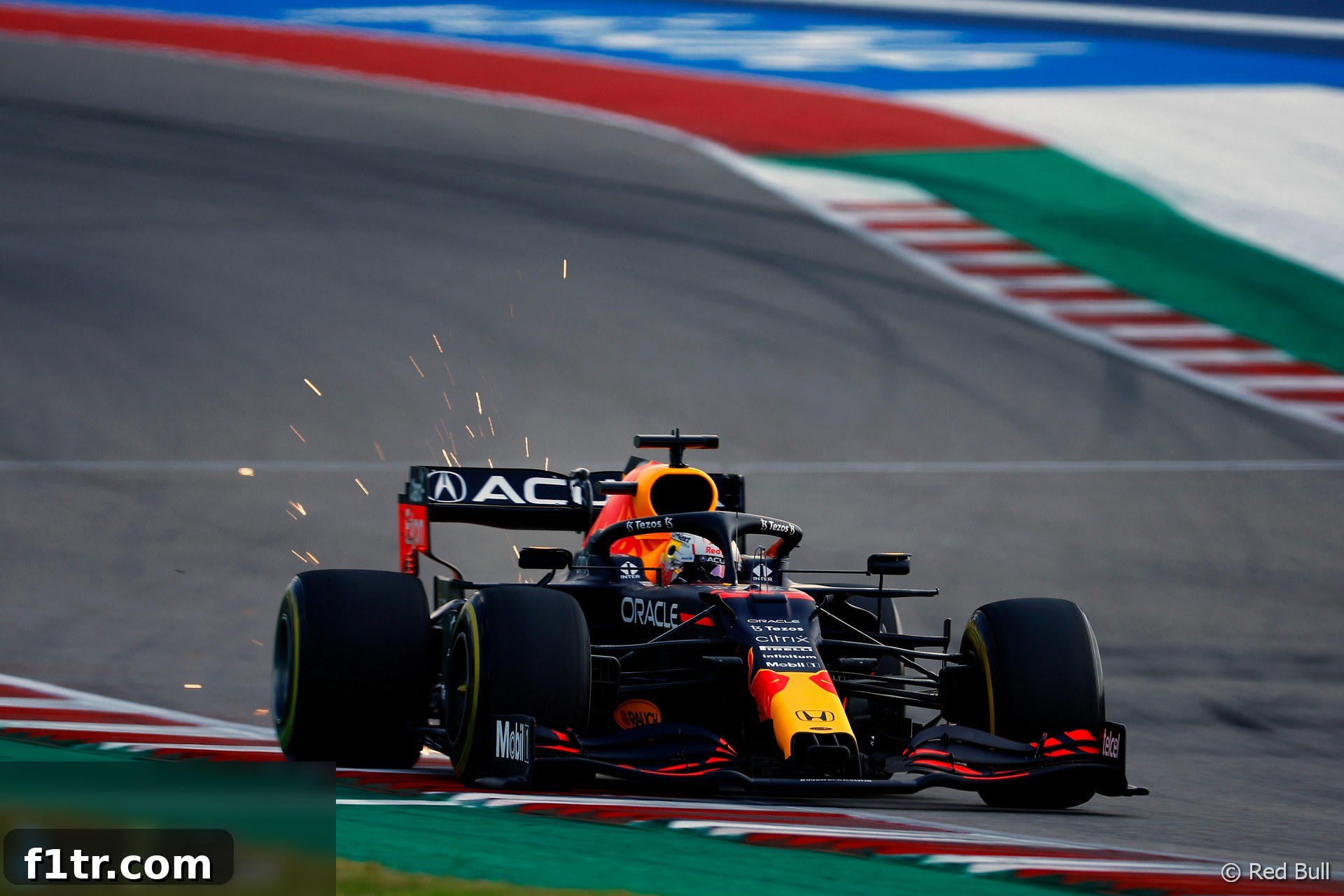
“Those bumps don’t affect the cars,” Epstein stated firmly. “They’re in a different racing line, and they don’t have the same effect as they do on a short chassis bike. So that’s the first thing, this wouldn’t have affected [F1].” This differentiation is crucial. Formula 1 cars, with their sophisticated suspension systems, substantial downforce, and rigid chassis, navigate track imperfections far differently than lightweight, agile MotoGP motorcycles. The longer wheelbase and advanced aerodynamics of an F1 car allow it to ‘ride’ over bumps, often relying on the downforce to keep tires planted, whereas a motorcycle’s shorter chassis and two-point contact patch make it highly susceptible to sudden changes in surface elevation, leading to instability and loss of grip.
Proactive Measures and FIA Oversight
Epstein also revealed that proactive measures had been implemented to address specific areas of concern following the Moto GP event. “But there have been changes done since Moto GP in two spots. The FIA came and checked the circuit and said they would prefer that this part of the circuit be modified a little bit.” This statement underscores the rigorous safety and quality control standards upheld by the Fédération Internationale de l’Automobile (FIA), the governing body for Formula 1. Their involvement signifies a thorough, expert assessment of the track’s suitability for high-performance motorsport. The FIA’s recommendation led to targeted modifications, demonstrating COTA’s commitment to ensuring optimal conditions for F1 racing.
“So we did some grinding in the two areas that were of concern. And I think you’ll hear from the drivers that the track’s in great shape,” Epstein added, predicting positive feedback from the F1 paddock. This grinding process is a common method for track remediation, involving shaving off high spots to create a smoother, more consistent surface. It’s a precise operation, aiming to eliminate jarring impacts without altering the fundamental character or elevation changes of the track, which are often part of its unique challenge.
Continuous Track Evolution and Maintenance Philosophy
The COTA chairman doesn’t anticipate the need for further extensive work on the track’s surface in the immediate future, noting that the FIA “haven’t told us anything” regarding additional concerns. This implies a current state of satisfaction from the governing body regarding the track’s integrity. Epstein emphasized that COTA has a history of addressing identified issues promptly and effectively, demonstrating a commitment to long-term track quality.
Reflecting on past maintenance, Epstein recalled, “In 2020 there was concern about the back straight, the longest three-quarters of a mile area, and we resurfaced that.” This historical context is vital, as it highlights COTA’s approach to wear and tear. Track surfaces, like any road, degrade over time due to constant stress from heavy, high-speed vehicles, temperature fluctuations, and environmental factors. Resurfacing efforts are significant undertakings, requiring substantial investment and careful planning to ensure the new surface meets the exacting demands of Formula 1. “That [old surface] lasted nine years, so I hope in nine years, if we have that same conversation, we’ll fix it then,” Epstein mused, offering insight into the expected lifespan of their track surfaces and their pragmatic long-term maintenance strategy.
Mixed Driver and Team Reactions: A Question of Perception
Despite the official reassurances and track modifications, initial reactions from drivers and team members after experiencing the track for the first time on previous F1 weekends have been somewhat varied. This disparity in feedback often arises from different car setups, driver sensitivities, and personal expectations, adding a layer of complexity to the discussion about track conditions.
Ferrari’s sporting director, Laurent Mekies, was among those who expressed considerable concern, stating that the bumps had “got significantly worse since last race.” This perspective from a key team figure suggests that some aspects of the track’s evolution were more pronounced than anticipated, potentially posing challenges for car setup and performance. The interval since F1 last visited COTA in 2019 meant that drivers and teams were returning with new machinery and potentially different expectations, making comparisons with previous years challenging but necessary.
Conversely, Alfa Romeo team principal Frederic Vasseur offered a more measured, optimistic view. “Everybody was expecting something very, very bumpy and it was just bumpy,” Vasseur remarked, adding, “So not too bad.” His comments suggest that the pre-race fears of an excessively rough track surface were perhaps overblown, and the reality was more manageable than the paddock had braced itself for. Vasseur admitted that “after the Moto GP I was a bit more worried,” but acknowledged that the repairs conducted since had been effective. He further clarified that while some bumps undoubtedly remained, they were “not at the same place and not the same bumps,” indicating that the targeted grinding work had indeed altered the critical areas.
However, even within the same team, perspectives could diverge. Alfa Romeo driver Antonio Giovinazzi expressed a different sentiment, suggesting that the circuit had not dramatically changed since F1 last raced there two years prior. “I think the bump situation is pretty similar to 2019, still in some corners [it’s] really, really tricky to be comfortable with the car with the bumps,” Giovinazzi commented. This highlights the subjective nature of driver feedback. What one driver perceives as a significant improvement, another might find largely unchanged, especially if certain persistent undulations remain in critical cornering zones. Drivers often seek absolute comfort and predictability from their cars, and even subtle bumps can disrupt the delicate balance required for optimal performance and confidence at such high speeds.
The Impact of Bumps on Formula 1 Performance and Strategy
While F1 cars are better equipped to handle bumps than MotoGP bikes, track irregularities still play a significant role in race weekends. Bumps can:
- Affect Aerodynamics: Sudden compressions or extensions can disrupt the airflow under the car, leading to inconsistent downforce and instability.
- Challenge Suspension Tuning: Teams must find a compromise between a soft setup for absorbing bumps and a stiff setup for optimal aerodynamic platform control.
- Increase Tire Wear: Bumpy surfaces can generate more heat in the tires and cause irregular wear patterns, impacting tire life and strategy.
- Induce Driver Fatigue: Constant vibrations and impacts can wear down drivers over a long race, potentially leading to errors.
- Influence Racing Lines: Drivers may be forced to deviate from the optimal racing line to avoid particularly severe bumps, which can open up overtaking opportunities or limit speed.
The debate over COTA’s bumps, therefore, is not merely about comfort but about the fundamental impact on car performance, strategy, and ultimately, the spectacle of the race.
Conclusion: COTA’s Enduring Challenge and Appeal
The ongoing discussion surrounding the bumps at the Circuit of the Americas illustrates the complex interplay between track design, maintenance, and the demands of different motorsport categories. While COTA officials, guided by FIA recommendations, have taken decisive action to mitigate the most problematic areas, the inherent character of the circuit, with its natural undulations, remains a defining feature. This uniqueness continues to challenge drivers and engineers alike, adding an element of unpredictability and skill to the US Grand Prix.
Bobby Epstein’s assurances, coupled with the targeted track adjustments, provide a clear indication that COTA is committed to delivering a world-class racing experience for Formula 1. The varied responses from the paddock underscore that while significant improvements have been made, adapting to the circuit’s distinctive surface remains an integral part of mastering COTA. As Formula 1 continues to grow its presence in the United States, the Circuit of the Americas will undoubtedly remain a cornerstone, with its track conditions perpetually a topic of eager anticipation and discussion among fans, teams, and drivers.
Further Reading: 2021 United States Grand Prix Insights
- Mercedes encouraged despite ‘toughest race for a long time’ in Austin
- For the sake of the title fight, F1 must get a grip on its track limits problem
- Pit stop problems costing Ferrari “quite a lot of points” – Sainz
- Sold-out crowd of 380,000 at COTA shows F1 can add third US race – Brawn
- While the pressure’s off I can “push myself” more – Russell
Browse all 2021 United States Grand Prix articles