F1 Mexican Grand Prix: A New Wave of Talent Takes the Track in First Practice
The highly anticipated Formula 1 Mexican Grand Prix is set to kick off with an exciting twist during its first practice session (FP1) this Friday. In a significant display of the sport’s commitment to nurturing future talent, almost every team on the grid will feature an inexperienced driver behind the wheel. This widespread participation of rookie drivers underscores the strategic importance of these sessions, not only for the young aspiring racers but also for the teams in fulfilling mandated regulatory obligations.
Out of the ten formidable Formula 1 teams, an impressive nine have confirmed their plans to run a young driver, providing invaluable track time in a top-tier racing machine. This initiative is a cornerstone of the sport’s development pathway, allowing teams to scout potential future stars while simultaneously complying with the FIA’s regulations regarding young driver participation. The Autódromo Hermanos Rodríguez will thus serve as a proving ground for many, making the initial session a must-watch for fans keen to glimpse the next generation of F1 heroes.
The Significance of Young Driver Sessions in Formula 1
For a young driver aspiring to reach the pinnacle of motorsport, an FP1 session is far more than just a short stint in an F1 car; it is a golden opportunity. It offers an unparalleled chance to experience the raw power, intricate technology, and immense pressure of a Grand Prix weekend. These sessions allow drivers to adapt to the car’s extreme forces, advanced systems, and the dynamic environment of an F1 paddock, providing critical data points for both the driver’s development and the team’s evaluation.
From a team’s perspective, these sessions are equally vital. The FIA mandates that each team must run a driver who has started no more than two Grand Prix races in at least two FP1 sessions per car across the season. This rule encourages teams to invest in their junior academies and provides a structured pathway for talent progression. While sacrificing some practice time for their regular race drivers, teams gain fresh perspectives on car feedback and fulfill a crucial regulatory requirement, often saving the most challenging sessions for less critical parts of the season or circuits where losing a small amount of track time might be less impactful on their championship aspirations.
The high-altitude conditions of the Mexican Grand Prix, which present unique challenges for engine performance, aerodynamic setup, and tire management, add another layer of complexity for these rookies. Navigating such demanding circumstances in their first official F1 outing is a true test of their adaptability, skill, and mental fortitude, offering a robust assessment of their potential under pressure.
Spotlight on the Mexican Grand Prix FP1 Line-up
The list of young drivers making their mark in Mexico features a diverse group, ranging from promising talents in feeder series to established names from other premier motorsport categories. Each appearance is a narrative of ambition and potential, eagerly watched by fans and team principals alike.
Ferrari’s Debutant: Antonio Fuoco
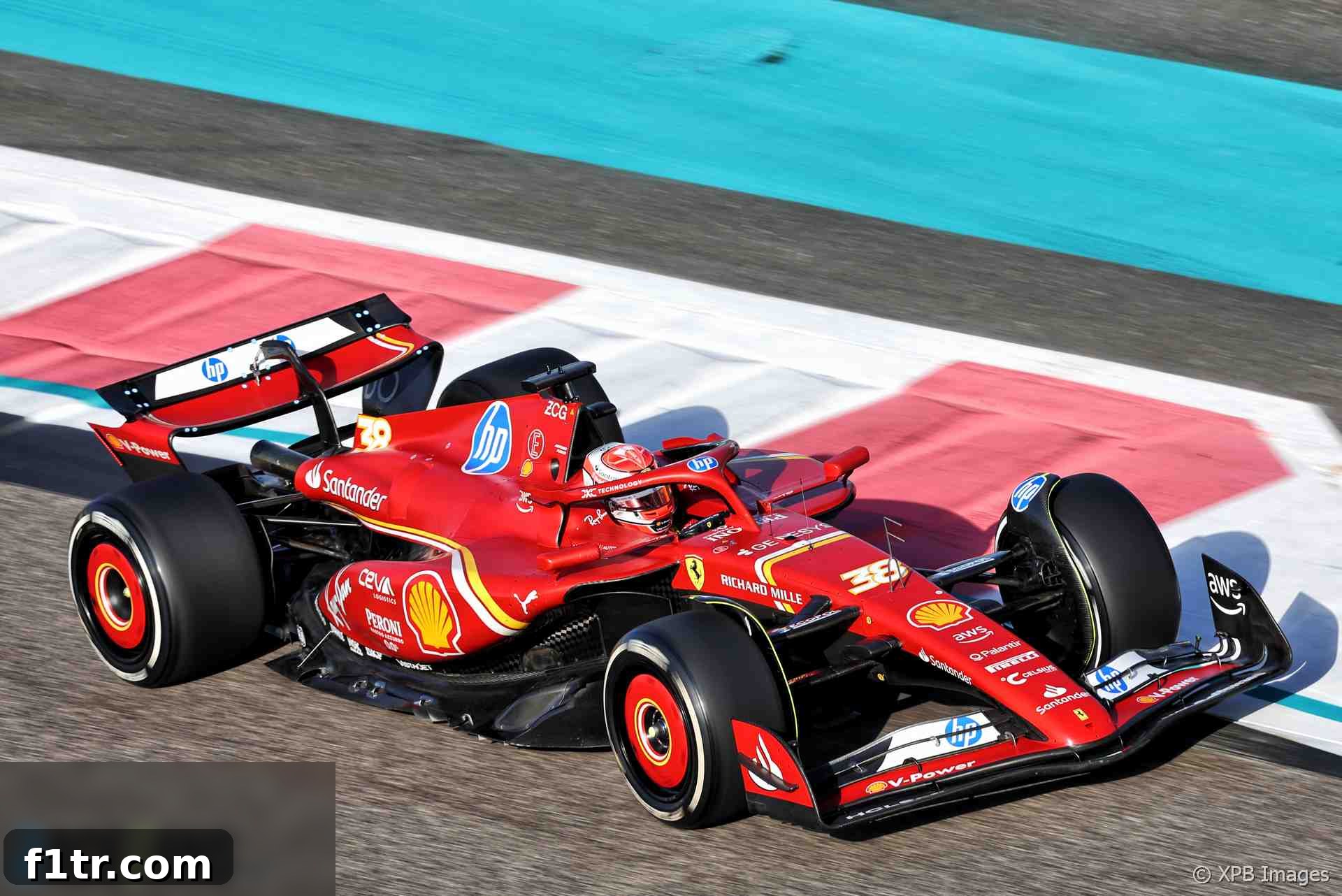
Ferrari, one of Formula 1’s most iconic teams, officially became the ninth squad to confirm its rookie plans. Italian driver Antonio Fuoco is set to make his highly anticipated debut in an official F1 practice session. Fuoco, a familiar face within the Ferrari stable through his extensive simulator work and GT racing endeavors, will take the wheel of a Scuderia Ferrari car. This is a significant moment for the former F2 driver, offering him a direct comparison with the team’s race drivers and crucial real-world F1 experience. His insights will be invaluable to the team’s data collection and development efforts.
Aston Martin Welcomes Jak Crawford
Joining the ranks of debutants is American talent Jak Crawford, who will pilot an Aston Martin AMR24, stepping into Lance Stroll’s car for the session. Crawford, a rising star in the junior categories, brings a fresh perspective to the Silverstone-based team. His performance will be closely scrutinized as Aston Martin continues to evaluate its driver development pipeline and potential future options.
Red Bull & McLaren’s Talent Pool
Championship contenders Red Bull Racing and McLaren are also leveraging the session to blood new talent. Red Bull’s highly regarded junior, Arvid Lindblad, will take over Max Verstappen’s dominant RB20. Lindblad, known for his rapid ascent through the junior ranks, represents the next wave of talent Red Bull aims to cultivate. For McLaren, the dynamic Pato O’Ward, a standout IndyCar driver and McLaren test and reserve driver, will get another shot in an F1 car, replacing Lando Norris. O’Ward’s presence highlights the cross-category opportunities available to McLaren’s extensive driver network and provides valuable data from a driver with significant top-level racing experience.
Returning Faces and Seasoned Rookies
The Mexican Grand Prix FP1 will also see the return of several drivers who have already had F1 practice experience this season:
- Ayumu Iwasa: The Japanese driver, who previously drove Max Verstappen’s Red Bull in Bahrain, will return to the track in a Racing Bulls car, taking over from Liam Lawson. His continued presence underscores his progress and the confidence Red Bull has in his abilities.
- Paul Aron: Making his fourth appearance of the year for Alpine, Aron continues to gather vital mileage, cementing his role in the French team’s development program.
- Ryo Hirakawa: The accomplished endurance racer will also make his fourth outing for Haas, demonstrating the American team’s commitment to utilizing his experience, particularly as they look towards future driver options.
- Frederik Vesti: The formidable F2 frontrunner will return for Mercedes, building on his previous F1 exposure and showcasing his potential to the Brackley-based squad.
- Luke Browning: Williams will entrust Browning with their car, giving him another opportunity to impress and gain crucial F1 seat time.
Team Strategies and Regulatory Compliance
The FIA’s young driver regulation is a carefully balanced act for teams. While providing a platform for rising stars, it also means their primary race drivers miss out on critical track time, especially on complex circuits or during intense championship battles. Teams meticulously plan these sessions to minimize disruption while maximizing benefit.
Sauber has already successfully fulfilled its obligation to run two young drivers in each of their cars twice over the course of the season, a testament to their robust young driver program. Mercedes will join them this weekend in completing their requirements. This leaves eight teams with further practice runs to complete before the end of the season. Most of these teams are expected to complete their remaining obligations at the season finale in Yas Marina, Abu Dhabi, a circuit often favored for such tests due to its layout and the generally relaxed atmosphere after championship titles are decided. Haas has already confirmed their intention to run Ryo Hirakawa again in Abu Dhabi.
However, the original article highlighted some nuances with the rule: Jack Doohan, despite driving in early FP1 sessions for Alpine, wasn’t nominated as a “junior driver” for those appearances because he had already started more than two Grands Prix. Similarly, Felipe Drugovich’s replacement of Fernando Alonso at the Hungarian Grand Prix FP1 came too late for him to be formally nominated under the rule. These instances underscore the specific criteria and timing involved in fulfilling the young driver mandate.
Comprehensive Look at Young Driver Appearances (Current Season)
To provide a clearer picture of how teams are meeting their young driver obligations, the following table details the various appearances made by junior and rookie drivers throughout the current Formula 1 season, leading up to and including the Mexican Grand Prix. This illustrates the diverse approaches teams take in integrating new talent into their F1 operations.
| Team | Car No. | Event (1st Appearance) | Practice Driver (1st Appearance) | Event (2nd Appearance) | Practice Driver (2nd Appearance) |
|---|---|---|---|---|---|
| McLaren | 4 | Austrian Grand Prix | Alex Dunne | Mexican Grand Prix | Pato O’Ward |
| 81 | Italian Grand Prix | Alex Dunne | |||
| Ferrari | 16 | Bahrain Grand Prix | Dino Beganovic | Austrian Grand Prix | Dino Beganovic |
| 44 | Mexican Grand Prix | Antonio Fuoco | |||
| Red Bull | 1 | Bahrain Grand Prix | Ayumu Iwasa | Mexican Grand Prix | Arvid Lindblad |
| 22/30 | British Grand Prix | Arvid Lindblad | |||
| Mercedes | 12 | Australian Grand Prix | Andrea Kimi Antonelli | Chinese Grand Prix | Andrea Kimi Antonelli |
| 63 | Bahrain Grand Prix | Frederik Vesti | Mexican Grand Prix | Frederik Vesti | |
| Aston Martin | 14 | Bahrain Grand Prix | Felipe Drugovich | Hungarian Grand Prix | Felipe Drugovich |
| 18 | Mexican Grand Prix | Jak Crawford | |||
| Alpine | 7*/43 | Japanese Grand Prix | Ryo Hirakawa | Italian Grand Prix | Paul Aron |
| 10 | Mexican Grand Prix | Paul Aron | |||
| Haas | 31 | Spanish Grand Prix | Ryo Hirakawa | Mexican Grand Prix | Ryo Hirakawa |
| 87 | Bahrain Grand Prix | Ryo Hirakawa | Abu Dhabi Grand Prix | Ryo Hirakawa | |
| Racing Bulls | 6 | Australian Grand Prix | Isack Hadjar | Chinese Grand Prix | Isack Hadjar |
| 30/22 | Mexican Grand Prix | Ayumu Iwasa | |||
| Williams | 23 | Spanish Grand Prix | Victor Martins | ||
| 55 | Bahrain Grand Prix | Luke Browning | Mexican Grand Prix | Luke Browning | |
| Sauber | 5 | Australian Grand Prix | Gabriel Bortoleto | Chinese Grand Prix | Gabriel Bortoleto |
| 27 | British Grand Prix | Paul Aron | Hungarian Grand Prix | Paul Aron |
*Note: While Jack Doohan drove for Alpine in early FP1 sessions, he had started more than two Grands Prix by that point and thus could not be nominated as a junior driver for those specific appearances under the current regulations. Similarly, Felipe Drugovich’s participation in the Hungarian GP FP1 replacing Fernando Alonso occurred too late for him to be officially nominated under the relevant rules for that specific session.
The Future Pipeline of Formula 1
The consistent integration of young drivers into Grand Prix weekends is a critical element of Formula 1’s long-term health and competitiveness. It ensures a robust pipeline of talent, keeping the sport vibrant and exciting. For these young individuals, every lap in an F1 car, every piece of data analyzed, and every moment in the spotlight is a step closer to realizing their ultimate dream. The Mexican Grand Prix FP1 is more than just a practice session; it’s a testament to the future of Formula 1, showcasing the next generation of drivers who will undoubtedly shape the sport for years to come.
Fans can look forward to an intriguing opening session in Mexico, offering a unique opportunity to witness potential future champions hone their skills on one of F1’s most challenging circuits. The blend of seasoned veterans and hungry rookies promises a dynamic and insightful start to the Grand Prix weekend.