Unraveling the 2021 F1 Abu Dhabi Grand Prix Controversy: A Championship Marred by Dispute
The 2021 Formula 1 season delivered one of the most enthralling and intensely fought championship battles in modern history. Max Verstappen and Lewis Hamilton, two titans of the sport, pushed each other to their absolute limits across twenty-two gruelling races. This gripping, season-long championship fight, however, concluded with a climax that was as spectacular as it was controversial, casting a long shadow over an otherwise magnificent season. Many anticipated a contentious ending, and unfortunately, those fears were realized in a manner that left the sport deeply divided.
A Season of Unprecedented Rivalry and Escalating Tensions
From the very first race, the 2021 F1 season was defined by the fierce rivalry between Red Bull’s Max Verstappen and Mercedes’ Lewis Hamilton. Their duel transcended mere competition; it became a saga of contrasting styles, strategic brilliance, and sheer will. Multiple collisions between the title rivals – most notably at Silverstone and Monza – underscored the incredible stakes. Bitter rows over technical regulations, accusations of unfair play, and a series of baffling calls by race control further fueled the narrative of a championship on a knife-edge. As the season drew to its conclusion in Abu Dhabi, with both drivers tied on points, the world braced itself for a decider unlike any other. However, what transpired on that fateful day would provoke a controversy that arguably overshadowed the sporting achievement itself.
The Controversial Climax: A Safety Car Decision Under Scrutiny
The Abu Dhabi Grand Prix, meant to be a crowning jewel for the 2021 F1 season, descended into chaos in its closing moments. With only a few laps remaining, Lewis Hamilton was comfortably leading, seemingly on course for his record-breaking eighth world title. A late crash involving Nicholas Latifi brought out the Safety Car, bunching up the field and erasing Hamilton’s significant advantage. This incident triggered a chain of events orchestrated by then-FIA Formula 1 race director, Michael Masi, which would ultimately decide the championship.
Masi’s decisions regarding the un-lapping procedure under the Safety Car were at the epicentre of the dispute. Article 48.12 of the Sporting Regulations dictates that “any cars that have been lapped by the leader will be required to pass the cars on the lead lap and the Safety Car.” It further states that “once the last lapped car has passed the leader, the Safety Car will return to the pits at the end of the following lap.” In a crucial departure from this established protocol, Masi initially announced that lapped cars would not be permitted to un-lap themselves. However, just moments later, he reversed this decision, allowing only a select group of five cars positioned between Hamilton and Verstappen to un-lap, while others were instructed to maintain their positions. Furthermore, instead of waiting for “the end of the following lap” for the Safety Car to come in, Masi declared it would enter the pits immediately, setting up a one-lap sprint finish.
This unprecedented and inconsistent application of the rules shocked the paddock. It stood in stark contrast to Masi’s own decision in 2020 at the Eifel Grand Prix, where he insisted on all cars un-lapping themselves as “the rules require it.” The selective un-lapping in Abu Dhabi effectively removed any lapped traffic that had been protecting Hamilton from Verstappen, while simultaneously placing fresh-tyred Verstappen directly behind a slower, older-tyred Hamilton. This created an artificial advantage that profoundly influenced the outcome of the race and the championship.
Immediate Fallout and The Sporting Integrity Debate
In the aftermath of the race, the silence from official F1 bodies was conspicuous and telling. Michael Masi, whose controversial call was at the heart of the dispute, did not face the media or even the official F1 channel for questions after the race. F1’s motorsport director, Ross Brawn, did not issue his usual post-race column, which typically celebrates the high points of the latest race. A social media post from the governing body raving about the final race was swiftly pulled as it became clear Mercedes were seriously considering legal action. This collective reticence betrayed the obvious fact that this was not a finale F1 could genuinely be proud of.
The decision also made a mockery of any notion of sporting fairness, not just for the title contenders but for many of their rivals across the grid. Drivers like Lance Stroll expressed profound confusion and frustration, asking why he was told to remain a lap down while others were given a lap back. Daniel Ricciardo, Fernando Alonso, and Lando Norris, among others, expressed a mixture of disbelief, confusion, and astonishment over the unprecedented decision. This widespread bewilderment among seasoned professionals highlighted the arbitrary nature of the final safety car procedure. With interest in F1 rocketing thanks to its first proper title fight in years, and swift arrangements having been made for Sunday’s race to air live on free platforms in both contenders’ home countries, this was a magnificent opportunity for F1 to win legions of new fans. Instead, many first-time viewers concluded that F1 was not a sport governed by strict rules, but rather a car-themed, made-for-television spectacle where the rules could be devised on the fly to contrive a dramatic show, drawing unflattering comparisons to professional wrestling (WWE). It was an opportunity spectacularly blown, damaging the sport’s credibility.
Mercedes’ Difficult Decision and Unanswered Questions
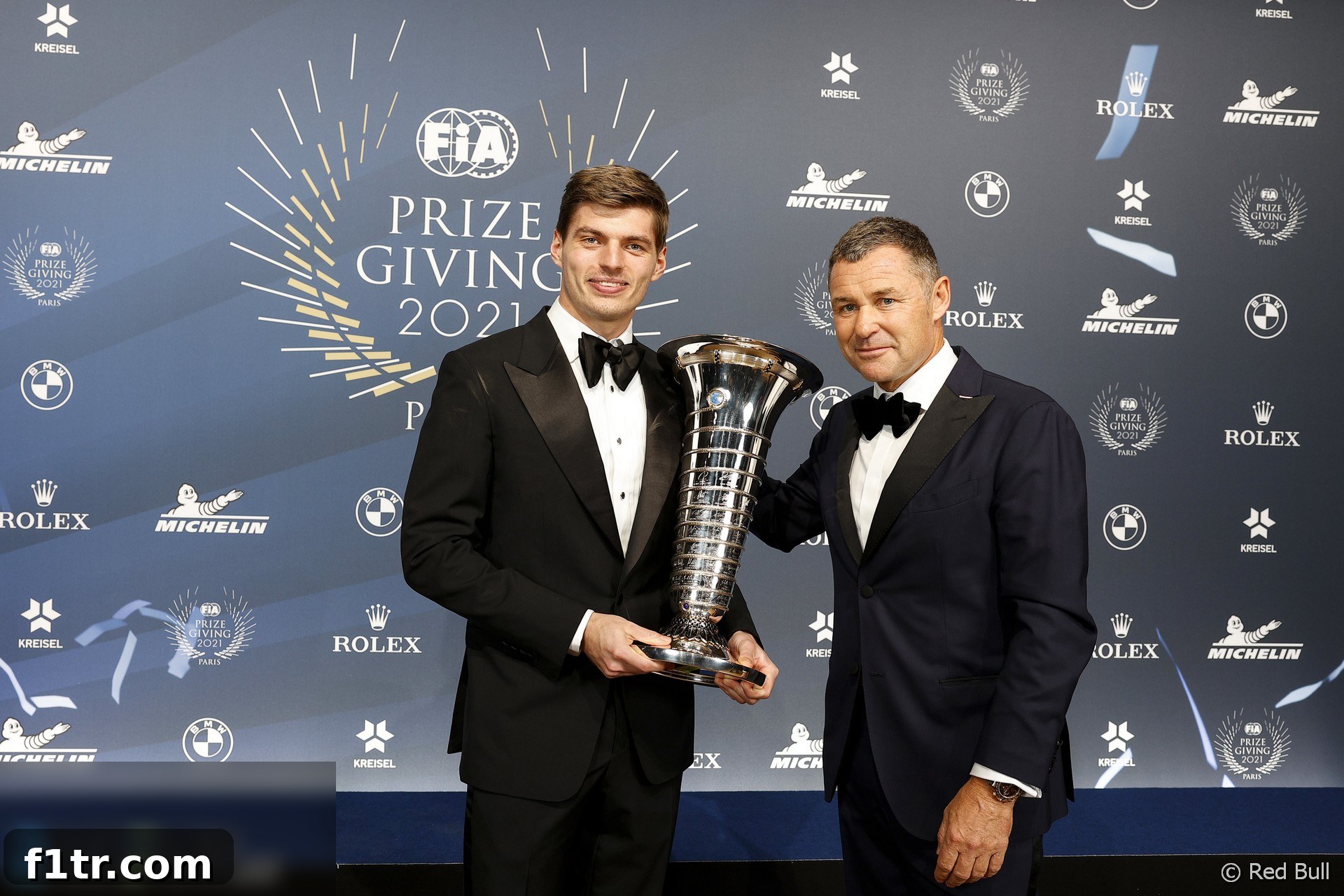
Four days after the chaotic finish, Mercedes broke their silence. On Thursday, F1 was let off the hook by Mercedes’ decision not to press ahead with their appeal. Team principal Toto Wolff remained adamant that they would have been successful had they pursued the legal route. However, he stated that the chief reason they chose not to proceed was that even winning the case would not restore Hamilton’s lost title. Mercedes understood that reversing the race result through legal means would have led to months, if not years, of legal wrangling, further tarnishing the image of Formula 1. This strategic withdrawal spared F1 a protracted and damaging legal battle, coming just in time for Verstappen to be handed his championship trophy at the FIA prizegiving ceremony.
While we will never definitively know the outcome of such an appeal, legal experts consulted by various outlets, including RaceFans, backed Wolff’s assertion that Mercedes had a strong legal basis. The inconsistency in Masi’s application of the Safety Car rules was a critical point of contention, and the selective un-lapping procedure clearly deviated from established regulations and previous precedents. Mercedes’ decision, while pragmatic, left many questions unanswered and a lingering sense of injustice.
Upholding Max Verstappen’s Deserved Title
Despite the lingering controversy surrounding the Abu Dhabi Grand Prix, it is crucial to state two undeniable facts about F1’s new world champion, Max Verstappen. First, the contentious end to the season was in no way his fault. As Verstappen himself eloquently put it, he saw a green light and he raced. To expect a racing driver to do anything else in such a high-stakes scenario would be unrealistic and unfair. He capitalized on the opportunity presented to him, a fundamental aspect of competitive racing.
Second, while Mercedes and Toto Wolff were right to assert that Hamilton was robbed of the championship by forces outside his control, this does not diminish Max Verstappen’s status as a deserving champion. Indeed, Mercedes themselves were swift to praise the exceptional job he had done throughout the season, a sentiment that others should echo. The staunchest Verstappen detractor might attempt to argue away some of his significant points losses during the year, citing incidents like the Silverstone crash where he was deemed “too uncompromising” with Hamilton, or the Baku tyre failure, questioning Pirelli’s post-race analysis of tyre pressures. However, these attempts largely ignore the full context of his outstanding performance.
Consider races like the Hungarian Grand Prix, where Verstappen was blamelessly eliminated on the first lap due to a multi-car incident not of his making. This single event easily cost him more points than he gained on the final lap of the season in Abu Dhabi. Hamilton, conversely, did not suffer a similar misfortune throughout the year, and arguably benefited from several opportune red flags, notably in Imola and Silverstone, which allowed him to recover positions or benefit from strategic restarts. Beyond a few no-scores, Verstappen’s season was a masterclass in consistency and pace, securing an impressive ten victories and eight second-place finishes. His tenacious driving, aggressive overtakes, and ability to extract maximum performance from his car were undeniable throughout the 2021 campaign, making him a worthy champion regardless of the controversial season finale.
Acknowledging Lewis Hamilton’s Unjust Fate
While celebrating Verstappen’s achievements, it is equally important to acknowledge the immense injustice faced by Lewis Hamilton. In Abu Dhabi, Hamilton was more than just unlucky; he was the unequivocal victim of a wrongheaded decision that overtly prioritized “the show” over the fundamental principles of fair sport. He had driven an almost flawless race, meticulously managing his tyres and holding a commanding lead. He did not deserve to lose the title in such an arbitrary and manufactured fashion. It is a sentiment that would undoubtedly hold true if the roles had been reversed, and Verstappen had been denied a championship in the same manner. Both drivers had performed at an incredibly high level, dazzling fans with sublime and superior driving. Their clashes, though intense, were often followed by mutual respect, showcasing ferocious competition that was a joy to watch until the final, disputed lap.
The Path Forward: FIA’s Responsibility and Reforms
Six days after the chequered flag dropped, with so much invective and debate still flying around, the FIA issued a statement promising a “detailed analysis and clarification exercise” in response to the Abu Dhabi Grand Prix controversy. However, it is doubtful that much “clarification” is truly needed, or that much of the “misunderstanding” they also referred to actually exists. The issue was not a lack of clarity in the rules, but rather their inconsistent and selective application.
The FIA’s priority must extend beyond mere clarification. They need to genuinely understand what went wrong, transparently explain why those critical decisions were made, and, most importantly, implement robust measures to ensure that no championship is ever “tarnished” in this manner again. This calls for a comprehensive review of race direction procedures, a re-evaluation of the role and powers of the race director, and potentially the establishment of an independent panel for critical in-race decisions. Restoring public trust in the integrity of Formula 1, and reassuring fans that sporting fairness will always take precedence over manufactured drama, is paramount for the future health of the sport.
The Legacy of Abu Dhabi 2021
The 2021 F1 Abu Dhabi Grand Prix will forever be etched in the annals of motorsport history, not just for its dramatic conclusion, but for the profound questions it raised about sporting governance and integrity. While it delivered a thrilling finale, it simultaneously exposed significant vulnerabilities in the sport’s administrative framework. The lessons learned from this contentious race must serve as a catalyst for meaningful reform. Formula 1 thrives on intense rivalries and unpredictable outcomes, but these must always be underpinned by clear rules, consistent application, and unwavering fairness. Only by addressing the lingering concerns from Abu Dhabi can the FIA truly ensure that future championships are celebrated solely for the brilliance of their protagonists, rather than being overshadowed by controversy.
Commentary and Related Articles
- The shadow of motorsport’s worst tragedy hangs over F1’s latest safety debate
- F1 got lucky three ways. But now it has a difficult and urgent problem to solve
- Verstappen’s overreaction shows he knows he cost himself the 2025 title
- F1’s sticking-plaster fix for Qatar tyre failures is an embarrassment
- The FIA’s stewards grabbed the chance to correct their mistake – unlike last time
Browse all comment articles