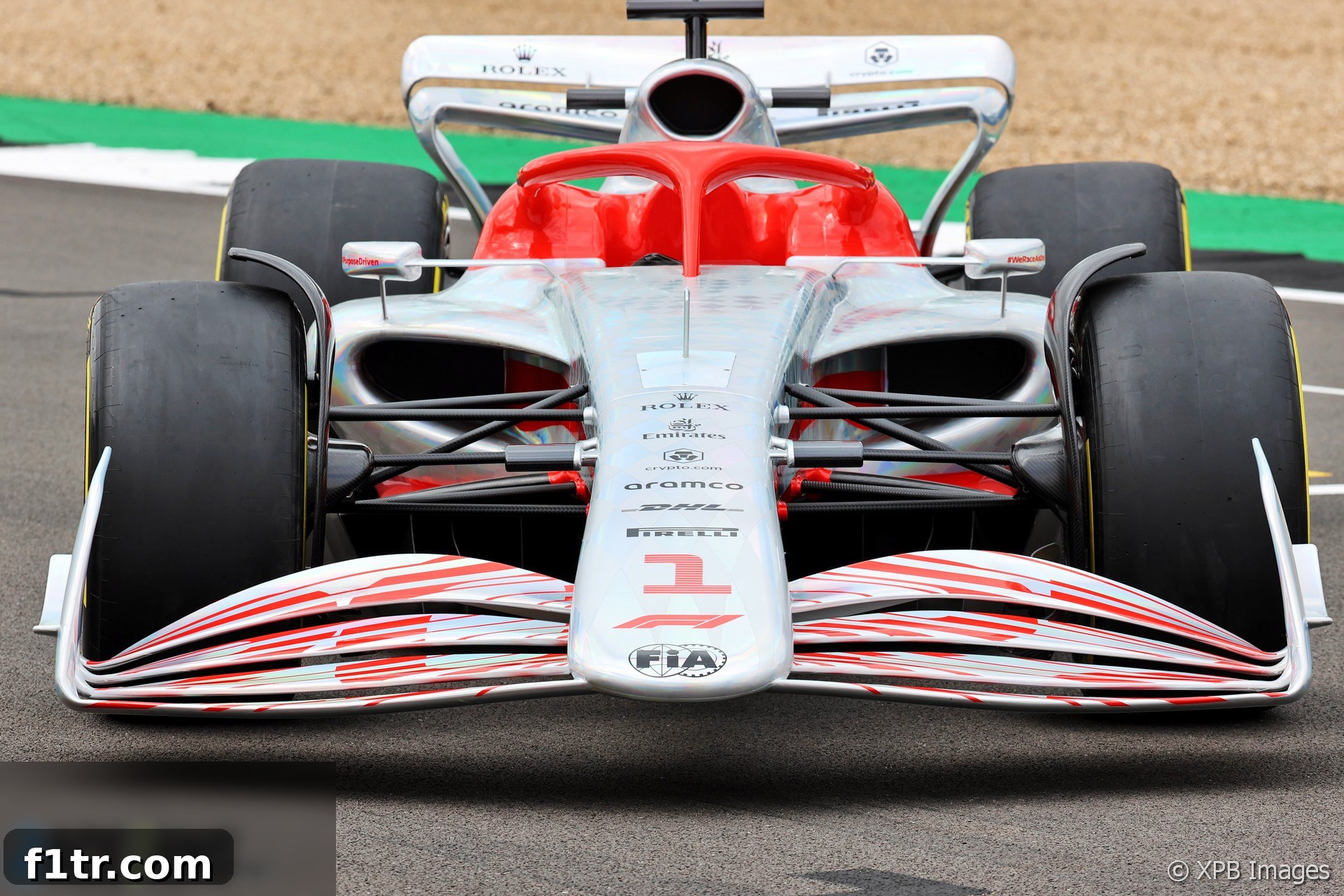
The dawn of a new era in Formula 1 racing was heralded with the unveiling of the sport’s much-anticipated 2022 car design. This significant reveal offered the world a first glimpse at the machinery engineered under a radical set of new technical regulations, promising a reset for competition and aesthetics alike. Among the immediate reactions, one observation stood out from Red Bull team principal Christian Horner: the new Formula 1 cars bear a striking resemblance to the IndyCar machines of the 1990s.
Advert | Become a Supporter & go ad-free
Formula 1, often at the forefront of automotive innovation, showcased a full-size model illustrating how a car built to these updated specifications for the 2022 F1 season would appear on track. The visual transformation is undeniable, marking a distinct departure from the aerodynamic philosophies that dominated the preceding decades.
The Retro Aesthetics: A Nod to the Nineties IndyCar Era
Christian Horner’s candid remarks highlighted the retro feel of the new designs. “They’re kind of retro-looking,” Horner commented, adding, “It reminds me of sort of a 1990s IndyCar. I think the car looks pretty cool but it’s kind of retro.” This comparison immediately sparked discussion among fans and pundits, drawing parallels to an era widely celebrated for its thrilling racing and iconic car designs in North American open-wheel motorsport.
The 1990s witnessed a golden age for IndyCar, particularly under the CART (Championship Auto Racing Teams) banner. Cars from this period were renowned for their powerful engines, less intricate aerodynamic elements compared to contemporary F1, and a rugged, purposeful appearance. They featured larger, more exposed wheels, relatively simple wings, and a clean overall silhouette. Many racing purists view this era as a benchmark for raw speed and driver skill, where aerodynamics played a role but didn’t dominate the visual identity or the racing spectacle to the same extent as later F1 iterations.
Horner’s observation suggests that the 2022 F1 regulations, by design or coincidence, have steered the sport towards a visual identity that resonates with the simpler, yet aggressive, aesthetics of that bygone IndyCar era. The larger 18-inch wheels, simplified front and rear wings, and cleaner bodywork of the new F1 cars indeed evoke a sense of nostalgia, potentially appealing to those who appreciate a less convoluted, more direct form of racing machinery.
Restrictive Regulations and the Quest for Closer Racing
Beyond aesthetics, a significant point of discussion among team principals revolves around the highly prescriptive nature of the new regulations. Several teams have indicated that the 2022 rules are exceptionally restrictive, leading to the expectation that next year’s cars will look remarkably similar across the grid. This uniformity is a deliberate outcome of the FIA and Formula 1’s efforts to curb the aerodynamic arms race and foster closer, more exciting racing.
“I think you’ll get very slight variants on a theme,” Horner elaborated. “The regulations are so tight now that the variance between the car will be visibly quite minimal, and the differences will be no doubt under the skin of the car. Which is kind of a shame, that we’re going down a route that the shape is so constrained so it’ll be the livery that’ll be the biggest differentiator between the cars.”
This sentiment was echoed by Mercedes’ team principal, Toto Wolff, who also foresees limited scope for unique design interpretations. “We are very constrained by the regulations,” Wolff stated. “There will be details that are going to be different between the cars, but I doubt we are going to have a revolution that cars will be looking very different.”
The core objective behind these stringent regulations is to drastically reduce the “dirty air” generated by cars, which has historically made it incredibly difficult for drivers to follow closely and overtake. By simplifying the aerodynamic surfaces and re-introducing ground effect principles, Formula 1 aims to allow cars to race in tighter packs, thereby enhancing the on-track spectacle. However, a potential trade-off is the visual homogeneity that Horner and Wolff highlighted. While engineers will undoubtedly find minute performance gains through innovative interpretations of the rules, these differences may not be immediately apparent to the casual observer.
2022 F1 Car Design Model: A Visual Preview
The unveiling of the physical model at Silverstone provided a tangible representation of these regulatory shifts. These images allow fans to scrutinize the new aesthetic, from the prominent wheel covers and the larger, low-profile tires to the re-imagined front and rear wings. The model serves as a reference point, an initial blueprint that teams will undoubtedly evolve and optimize within the tight confines of the rulebook.
The Return of Ground Effect and Technical Innovations
At the heart of the 2022 regulations is the re-introduction of ground effect aerodynamics, a concept last seen prominently in F1 in the early 1980s. This design philosophy generates significant downforce from sculpted underfloor tunnels, reducing the reliance on complex upper bodywork and wings. The aim is to create a more stable aerodynamic platform, one that is less sensitive to the turbulent air disturbed by a preceding car.
Further technical changes include:
- Simplified Front Wing: Designed to produce less outwash, meaning air is pushed less aggressively around the front wheels, creating less disruptive wake for following cars.
- Simplified Rear Wing: Features rolled tips to send the wake upwards, again aiming to minimize the “dirty air” for cars behind.
- 18-inch Wheels with Wheel Covers: A significant visual and technical departure from the previous 13-inch wheels. The larger wheels are closer to road car technology, and the wheel covers are intended to control airflow around the tires, another step in reducing aerodynamic turbulence.
- Standardized Components: Certain components will be standardized to reduce development costs and prevent teams from exploiting complex areas for performance gains.
While these innovations are designed to enhance the racing product, they inherently constrain designers. The “retro” appearance, therefore, isn’t just a stylistic choice but a byproduct of a fundamental shift in aerodynamic philosophy aimed at promoting cleaner air and closer competition. The ingenuity of engineers will now be tested in optimizing performance within these new, tightly defined parameters, making “under the skin” innovations more crucial than ever.
Advert | Become a RaceFans supporter andgo ad-free
The Future Landscape of Formula 1 Design
The 2022 Formula 1 season promises to be a fascinating chapter in the sport’s history. The visual similarities foreseen by leading team principals like Christian Horner and Toto Wolff present an interesting challenge for team identity. As Horner noted, liveries will likely play an even more crucial role in distinguishing one car from another on track. This could lead to more vibrant and distinctive paint schemes, as teams seek to maximize their brand visibility amidst a more uniform design landscape.
Ultimately, the success of these regulations will be measured not just by the aesthetic appeal of the cars, but by the quality of racing they produce. If the trade-off for visually similar, “retro-looking” machines is a significant improvement in on-track battles and an increase in overtaking opportunities, then the Formula 1 community and its global fanbase will undoubtedly embrace this new direction. The anticipation for the 2022 season is palpable, as everyone awaits to see if this bold regulatory overhaul will deliver on its promise of a more competitive and thrilling spectacle.