Norris Leads McLaren One-Two in Dominant 2025 Hungarian Grand Prix FP1 Performance
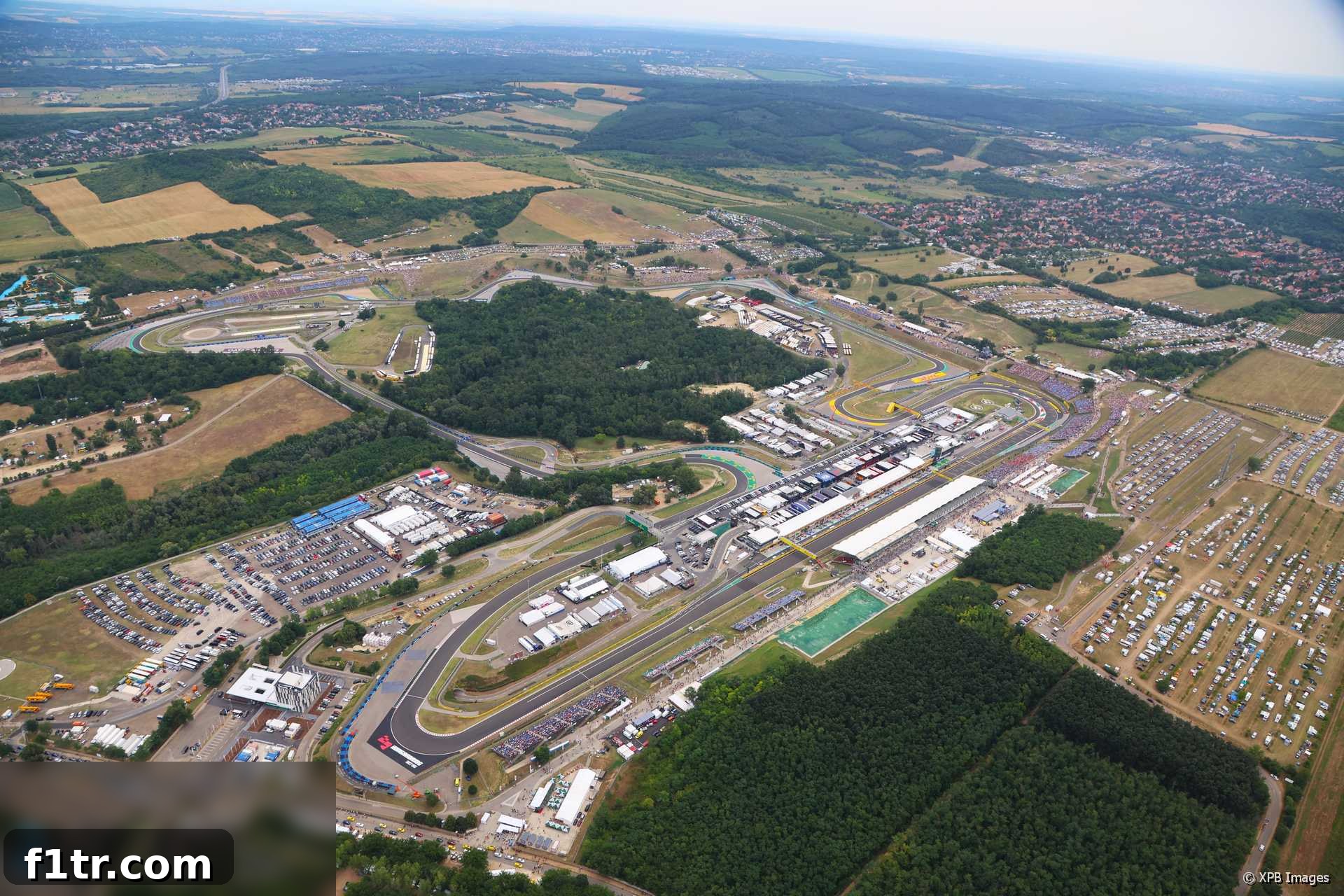
The 2025 Hungarian Grand Prix weekend roared to life with an exhilarating first practice session, signaling Formula 1’s return to its traditional format after the recent Sprint weekend in Belgium. Amidst significant driver changes and early track action, it was McLaren’s Lando Norris who asserted his dominance, topping the timesheets in a session that saw his team mate Oscar Piastri close behind, securing a promising one-two for the Woking-based squad. The Hungaroring, with its tight, twisty layout and demanding conditions, immediately began to test both drivers and machinery, setting the stage for what promises to be a thrilling weekend.
McLaren’s Early Pace Sets the Tone
From the moment the lights turned green, signaling the start of FP1, the intensity was palpable. Drivers wasted no time heading out onto the track, with most opting for the medium compound Pirelli tires to gather initial data and assess track conditions. Lando Norris quickly found a rhythm, initially posting a 1’19.413 lap, a solid benchmark which was then marginally eclipsed by George Russell, beating it by three-tenths of a second. However, this was merely a prelude to Norris’s true pace.
As the session progressed and teams switched to the softer, faster compounds, Norris truly unleashed the potential of his McLaren MCL39. His dedication through the challenging middle sector of the Hungaroring was evident, culminating in a blistering 1’16.052. This phenomenal lap placed him a significant seven-tenths of a second clear of his nearest rival at that point, Charles Leclerc. The McLaren looked incredibly stable and responsive, hinting at a strong performance advantage that could carry through the weekend. This lap time stood in stark contrast to last year’s pole position of 1’15.227, indicating that while the track was still evolving and offering more grip, Norris was already operating at an extremely high level.
Norris’s consistent improvement throughout the session was a testament to his confidence and the car’s setup. He progressively shaved time off his laps, moving from an early 1’17.631, then a 1’16.837, before ultimately delivering his session-topping time. His ability to extract maximum performance from the soft tyres on multiple runs showcased both the driver’s skill and the car’s balanced characteristics, crucial for a circuit like the Hungaroring where qualifying position is paramount.
Intra-Team Battles and Key Challengers
The McLaren garage had further reason to celebrate as Oscar Piastri demonstrated strong, albeit slightly trailing, pace. Piastri lost a little time to Norris through the middle sector of his fastest lap, ultimately finishing 0.142 seconds adrift of his team mate. This internal rivalry echoes their tight battle from the previous year, where they were often separated by mere hundredths of a second. Their combined performance underlines McLaren’s ambition to be a front-runner this season and provides a formidable challenge to their rivals.
Ferrari’s Charles Leclerc was one of Norris’s primary challengers, initially setting a competitive 1’16.791 on softs to go fastest before Norris’s ultimate assault. Leclerc’s second push lap on softs, a 1’16.269, saw improvements across all three sectors, demonstrating Ferrari’s ability to extract pace. However, the Prancing Horse seemed to struggle slightly more with tire management, with reports of a Ferrari driver tearing a patch off their tyre during an aggressive moment, highlighting the fine line between pushing limits and causing damage on this high-wear circuit.
Max Verstappen, with his regular race engineer Gianpiero Lambiase back in the paddock after missing the Belgian Grand Prix due to personal reasons, initially placed fourth, almost half a second off Leclerc’s early benchmark. While Red Bull typically takes a more measured approach to Friday practice, focusing on long-run data and setup adjustments, Verstappen’s initial position suggests they still have work to do to match McLaren’s outright single-lap pace. The return of Lambiase, a crucial figure in Verstappen’s success, will undoubtedly aid in optimizing the car’s performance throughout the weekend.
Williams Shines, Mercedes and Others Face Challenges
Perhaps the most unexpected performance came from Williams, with Alexander Albon “flying” in the FW47. Albon put in a remarkable 1’16.984 on soft tyres, placing him third at one point and showcasing a significant step up in pace for the Grove-based team. He also recorded the fastest first sector time during one of his laps before backing out, indicating the raw speed of the Williams on certain parts of the track. Later in the session, Carlos Sainz Jr. in the other Ferrari found pace on hards, but Albon’s committed lap on mediums still had him impressively close to Norris. This strong showing from Williams suggests they could be in for a competitive weekend, potentially challenging for significant points.
Mercedes also had a mixed session. Lewis Hamilton, a record eight-time winner at the Hungaroring, was among the drivers who experienced a “whopper of a lock-up” at Turn 1. This notoriously tricky corner demands precision, and lock-ups here can severely compromise tire life and subsequent lap times. While Hamilton’s early laps were competitive, finishing 0.285 seconds off Leclerc initially, Mercedes will be looking to fine-tune their setup to mitigate these issues and unlock more outright pace.
Further down the field, emerging talents like Franco Colapinto made their mark, impressively taking sixth position on softs. Yuki Tsunoda for AlphaTauri moved up to ninth with a 1’18.765 on hards, with Isack Hadjar, another promising junior driver, being three-tenths quicker on the same compound. These performances highlight the depth of talent emerging in Formula 1 and the opportunities provided to junior drivers during practice sessions.
Driver Changes and Incidents Define Early Session
The first practice session was notable not just for the on-track action but also for the significant changes to the driver lineup. Two regular drivers were sidelined for FP1, creating opportunities for test and reserve drivers.
Most notably, Fernando Alonso of Aston Martin was unable to participate due to a muscle injury sustained in the previous race. This unplanned absence led to Felipe Drugovich stepping into the AMR25. However, due to the short notice of this change, it will not count towards Aston Martin’s mandatory junior driver practice outings. This presented a valuable, albeit unexpected, chance for Drugovich to gain crucial track time in a Formula 1 car.
Meanwhile, Nico Hulkenberg once again sat out FP1, as he did at Silverstone earlier in the season. This strategic decision by Sauber to allow another junior driver track time clearly did Hulkenberg no harm previously, as he went on to score his first podium finish after his Silverstone absence. Alpine’s Paul Aron, who also participated in a practice session at Silverstone, was again given the opportunity to drive for Sauber, continuing his development within the F1 ecosystem.
The session wasn’t without its minor dramas. Paul Aron’s outing was unfortunately cut short when he pulled to a stop on track, reporting a “systems critical alarm.” Such technical issues are a common occurrence in practice as teams push the limits of their machinery and test new components, but they inevitably cost valuable track time. Additionally, Pierre Gasly headed into the pits with a possible power unit problem, a concern for Alpine that will require thorough investigation to ensure reliability for the remainder of the weekend.
Looking Ahead: The Weekend Unfolds
As the dust settled on a busy and eventful first practice session, the leaderboard painted a clear picture of McLaren’s early strength. Lando Norris’s commanding performance, backed by Oscar Piastri’s solid pace, positions McLaren as a strong contender for pole position and race victory. However, with Red Bull and Ferrari still holding cards close to their chests, and the unexpected turn of pace from Williams, the competitive landscape is far from settled.
Teams will now pore over the telemetry data, analyzing tire degradation, car balance, and long-run performance. The focus will swiftly shift to FP2, where drivers will refine their setups and undertake more qualifying simulation runs, followed by crucial long runs to assess race pace. The Hungaroring is a circuit where track evolution is significant, and tomorrow’s qualifying session promises to be a tight affair, with every tenth of a second making a critical difference.
The initial signs from FP1 indicate a fascinating weekend ahead for the 2025 Hungarian Grand Prix. While this session has finished and no further updates will be posted here, the narrative for the race weekend has only just begun to unfold, promising plenty of action, strategy, and drama.
2025 Hungarian Grand Prix
- Leclerc admits problem which struck Ferrari in Hungary is likely to recur
- Permane impressed by Lawson’s progress after “breakthrough” in Austria
- Albon expects “dogfight” as Williams aim to hold fifth place
- Mercedes eye more wins post-break after dropping revised rear suspension
- McLaren pair equal Senna and Prost’s run in second-fastest ever Hungarian GP
Browse all 2025 Hungarian Grand Prix articles