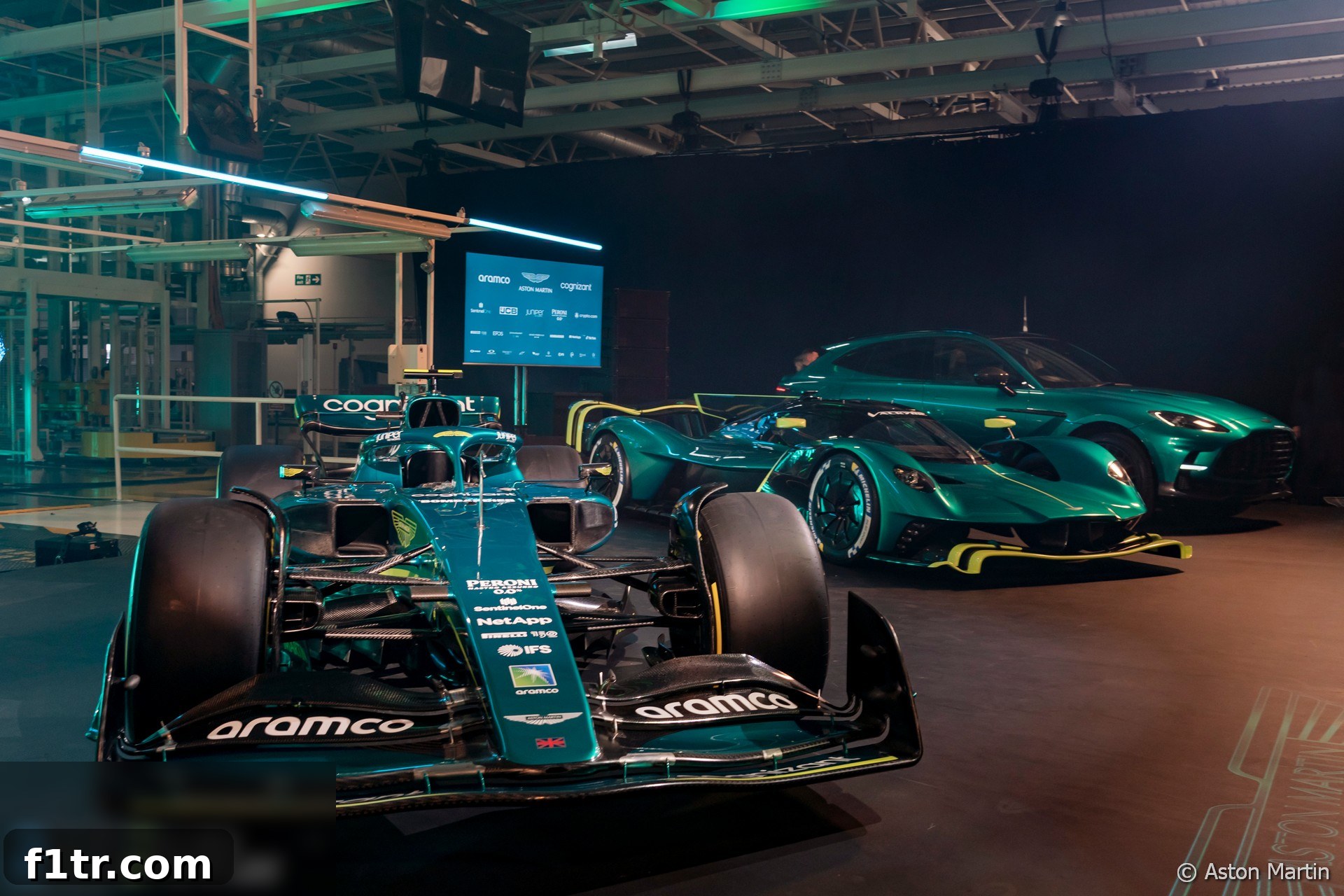
Aston Martin Eyes Independent Power Unit for Formula 1’s 2026 Revolution
The landscape of Formula 1 is constantly evolving, with teams perpetually seeking a competitive edge. For Aston Martin, a brand synonymous with luxury and performance, this pursuit could soon lead to a monumental step: designing and building their very own power unit. As Formula 1 prepares for a significant overhaul of its engine regulations in 2026, the Silverstone-based team is actively investigating the possibility of becoming an independent engine manufacturer, signaling a bold statement of intent for its long-term future in the pinnacle of motorsport.
The Quest for Autonomy: Shifting Gears from Customer to Constructor
Currently, Aston Martin operates as a customer team, sourcing its highly complex V6 hybrid turbo power units, along with crucial components like gearboxes, from engine powerhouse Mercedes. This arrangement, while providing a proven and competitive powertrain, inherently places certain limitations on a team’s strategic autonomy and design philosophy. Customer teams are, to an extent, beholden to their suppliers’ priorities and development paths, which may not always perfectly align with their own chassis concepts or overall performance objectives. The allure of complete integration—where chassis and engine are developed in perfect harmony under one roof—is a dream for many F1 constructors, and Aston Martin appears ready to chase that dream.
2026: A Catalyst for Change and a Gateway for New Entrants
The year 2026 marks a pivotal moment for Formula 1, as the FIA plans to introduce a radically new set of power unit regulations. These changes are expected to focus heavily on sustainability, cost control, and potentially simpler engine architectures, making entry more attractive for new manufacturers or existing teams considering in-house development. Aston Martin’s technical director, Andrew Green, has openly acknowledged the team’s keen interest in seizing this opportunity. “I think going forward with our ambitions I think we’re definitely investigating power unit supply in the long-term,” Green stated, underscoring the strategic importance of this endeavor. He further elaborated, “2026 is mooted as a new power unit regulation and I think as a team we’d love to be involved.” This sentiment highlights a clear aspiration not just to compete, but to truly stand as a full-fledged constructor, with mastery over every critical component of their racing machine.
Aramco’s Strategic Alliance: Fueling Ambition and Innovation
A crucial factor bolstering Aston Martin’s potential independent engine project is its significant partnership with petrochemicals giant Aramco, which joined as a joint title sponsor for 2022. This collaboration extends far beyond mere branding; Aramco’s vast resources, technical expertise, and deep involvement in energy innovation could be instrumental in developing an F1 power unit. The 2026 regulations are anticipated to place a strong emphasis on sustainable fuels, an area where Aramco possesses world-leading research and development capabilities. Green hinted at this synergy, noting, “We have Aramco now involved as a sponsor and I think conversations going forward in the next years, we’ll see. I’m sure we’ll be looking at it in great detail and understanding whether there’s a benefit to us moving in that direction.” Such a partnership could provide not only the substantial financial backing required for an F1 engine program—which can run into hundreds of millions, if not billions, of dollars—but also critical technological insights, particularly in the realm of advanced combustion and sustainable energy solutions.
The Red Bull Blueprint: A Precedent for Independence
Aston Martin’s considerations are not unprecedented. Their rivals, Red Bull Racing, have embarked on a similar journey, establishing Red Bull Powertrains in Milton Keynes. Following Honda’s withdrawal as a direct supplier, Red Bull took the audacious step of taking over the production and maintenance of Honda-designed engines and hybrid systems. More significantly, they are actively developing their own bespoke power unit for the 2026 regulations. This move by Red Bull serves as a powerful testament to the strategic advantages of vertical integration. It demonstrates that with sufficient investment and a clear vision, a top F1 team can successfully transition from being a customer to a fully independent power unit manufacturer. Red Bull’s decision was driven by the desire for complete control over their destiny and the ability to perfectly integrate the power unit with their acclaimed chassis design, aiming for optimal performance synergy. This blueprint provides a tangible example for Aston Martin to follow, albeit one fraught with immense challenges and high stakes.
Advantages and Challenges of In-House Engine Development
Synergies and Strategic Control
The primary advantage of developing an in-house power unit lies in the unparalleled level of integration it offers. When the engine and chassis are designed concurrently by the same entity, engineers can achieve optimal packaging, weight distribution, and aerodynamic efficiency. This seamless synergy is often cited as a key factor behind the dominance of works teams like Ferrari and Mercedes. Furthermore, an independent engine program grants a team complete control over its technological destiny, freeing it from the constraints or priorities of an external supplier. It also significantly enhances a brand’s prestige and marketability, positioning Aston Martin not just as a competitor, but as a full-fledged constructor with mastery over every facet of its F1 challenger.
Significant Investment and Technical Hurdles
However, the path to becoming an independent engine manufacturer is paved with formidable challenges. The financial outlay required is staggering, encompassing the construction of state-of-the-art research and development facilities, investment in highly specialized machinery, and the recruitment of a large team of world-class engineers and technical staff. Formula 1 power units are among the most technologically advanced and complex machines on the planet, demanding immense expertise in areas ranging from combustion dynamics and hybrid systems to materials science and software development. The timeline for 2026 is also tight, presenting a race against time to design, develop, and rigorously test a competitive and reliable power unit from scratch. The risks are substantial; an underperforming engine could severely hamper the team’s aspirations, underscoring the gravity of Aston Martin’s current investigations.
The Evolution of F1 Power Units: A Glance Back and Forward
The current V6 hybrid turbo power units, introduced in 2014, represented a massive leap in engineering complexity, blending internal combustion with sophisticated energy recovery systems. For the 2022 season, manufacturers made relatively minor adjustments to these units, primarily to accommodate the shift to E10 petrol, a fuel containing 10% ethanol. Andrew Green described these changes as modest, especially when compared to the drastic overhaul of the chassis regulations for 2022. “The power unit has minimal changes really from ’21,” he noted. “It’s probably the single area of the car that’s had the least amount of change from ’21 to ’22. We’re still sort of in a homologated region of power unit.” He explained that while recalibration and fuel re-blending were necessary, it wasn’t a “significant alteration.” This minor tweak stood in stark contrast to the revolutionary chassis design philosophy. The impending 2026 regulations, however, promise a much more profound transformation, creating a true inflection point for teams like Aston Martin to enter the fray with a clean slate, rather than trying to adapt to an established and frozen design.
The Road Ahead: Aston Martin’s Bold F1 Future
Aston Martin’s exploration into developing its own Formula 1 power unit for 2026 signifies a profound commitment to its long-term vision and ambition within the sport. This move is not merely about having an engine with a “Green” badge, but about achieving complete performance integration, maximizing strategic control, and cementing its status as a true Formula 1 powerhouse. With the robust backing of Aramco providing both financial and technical leverage, and the strategic precedent set by Red Bull, Aston Martin is positioning itself to capitalize on the upcoming regulatory shift. While the challenges are immense, the potential rewards—a truly integrated, high-performing car and an enhanced global brand image—make this an investigation well worth pursuing. The coming years will undoubtedly reveal whether Aston Martin will indeed write this ambitious new chapter in its storied motorsport history, transforming from a customer team into a formidable, self-sufficient constructor on the Formula 1 grid.