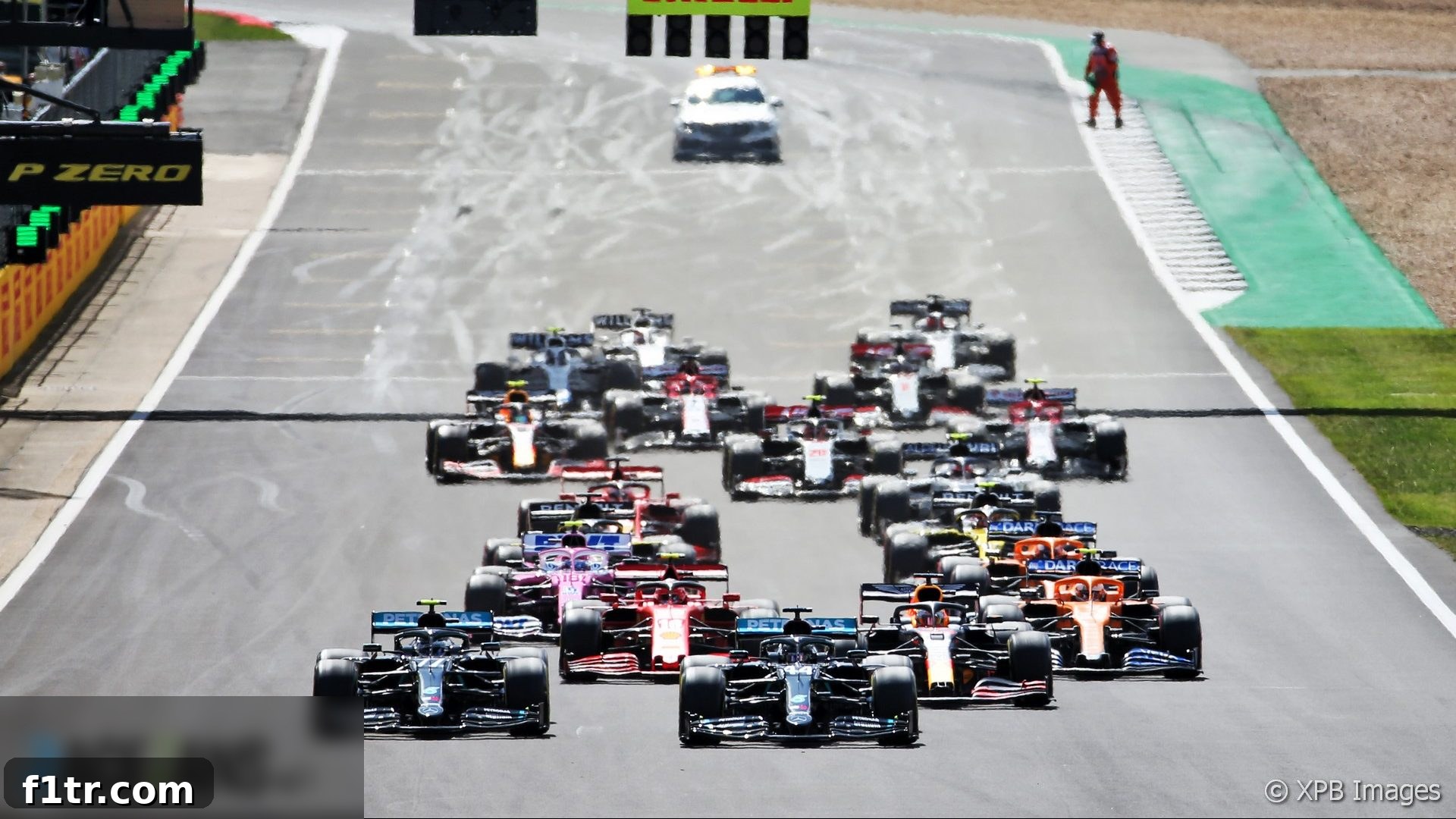
Formula 1, the pinnacle of motorsport, is renowned for its thrilling races, cutting-edge technology, and constant evolution. In a significant move aimed at enhancing the spectacle and engaging fans further, the sport has officially confirmed its plans to introduce ‘Sprint Qualifying’ races for the 2021 season. This groundbreaking initiative, which has been the subject of extensive discussions and negotiations, is now set to proceed after financial terms were successfully agreed upon with all participating teams. The confirmation heralds a new era for select Grand Prix weekends, promising more on-track action and strategic intrigue for both competitors and a global audience.
The innovative Sprint Qualifying format will be trialed at three prestigious rounds of the 2021 Formula 1 World Championship. The iconic Silverstone Circuit, home of the British Grand Prix, has been selected to host the inaugural Sprint Qualifying race, setting the stage for a historic moment in the sport’s long and storied history. Following its debut in the UK, the format will also be implemented at the Italian Grand Prix, held at the high-speed Monza circuit, and the Brazilian Grand Prix, taking place at the challenging Interlagos track. These venues, known for their passionate fan bases and exciting racing, are expected to provide the perfect backdrop for evaluating the new concept’s impact and potential for future expansion.
The journey to implementing Sprint Qualifying has been a complex one, involving intricate negotiations between Formula 1 management, the FIA, and the ten competing teams. RaceFans, a leading motorsport news outlet, was among the first to reveal F1’s ambition to modify the traditional qualifying format at specific rounds of the championship. However, the discussions extended well into the early stages of the 2021 season, largely due to significant concerns raised by the teams. A primary sticking point revolved around the financial implications of introducing additional competitive sessions. Teams expressed legitimate worries that the extra races would inevitably lead to increased wear and tear on their highly complex and expensive machinery, thereby escalating the risk of damage in the competitive environment. Such damage, particularly in a season governed by a stringent budget cap, could have severe financial and competitive repercussions.
Red Bull team principal Christian Horner articulated these concerns during the Bahrain Grand Prix weekend, emphasizing the considerable costs associated with operating Formula 1 cars. “What we can’t ignore is that to run and operate these cars is extremely expensive,” Horner stated. He highlighted the urgent need for a solution to mitigate these costs, especially given the significant impact of the budget cap on team operations. The teams sought additional payments from Formula 1 to offset these potential expenses and also requested robust coverage in the unfortunate event of a major accident during these new sprint sessions. This financial deadlock proved to be a critical hurdle that needed to be overcome for the Sprint Qualifying proposal to advance from concept to reality.
With the financial terms now successfully agreed upon, a major obstacle has been cleared, paving the way for the new format to proceed. However, the intricacies of the sporting regulations still require meticulous attention and finalization. Discussions are ongoing regarding various aspects that will define the competitive landscape of Sprint Qualifying. Key areas include establishing precise restrictions on the use of tyres during these shorter races, which could significantly influence strategy and race outcomes. Furthermore, there is an active debate about whether the Drag Reduction System (DRS), a crucial tool for overtaking in modern F1, will be altered to facilitate easier passing opportunities during the Sprint Qualifying sessions. The objective is to ensure that these races are genuinely exciting and provide ample chances for drivers to battle for position without compromising the integrity of the sport.
The introduction of Sprint Qualifying sessions could potentially lead to Grand Prix weekends featuring two different race winners – one on Saturday for the sprint, and the traditional winner on Sunday for the Grand Prix. This prospect has prompted careful consideration from Formula 1 management, who are keen to ensure that the new format enhances the weekend experience without in any way detracting from the paramount significance and prestige of Sunday’s main event. The Grand Prix remains the ultimate prize, the culmination of a weekend’s effort, and a core pillar of Formula 1’s identity.
Christian Horner further elaborated on this delicate balance, describing the Sprint Qualifying race as “almost like a pre-final.” He stressed the importance of differentiating between winning a qualifying race and being a true Grand Prix winner. “This concept that you’re winning a qualifying race; effectively you’re not a grand prix winner,” Horner asserted. He passionately advocated for safeguarding the fundamental “DNA of the sport” and its rich history. “A grand prix winner should only be a guy that prevails on a Sunday afternoon. A pre-final on a Saturday is not a grand prix.” These sentiments underscore the sport’s commitment to preserving its heritage while simultaneously embracing innovation to captivate new audiences and invigorate its existing fan base.
Proposed Sprint Qualifying Race Weekend Format Explained
The new Sprint Qualifying format will fundamentally alter the traditional Grand Prix weekend structure, introducing a dynamic three-day schedule packed with competitive action. Here’s a detailed breakdown of how each day will unfold:
| Day | Time | Session | Notes |
|---|---|---|---|
| Friday | Morning | First Practice (FP1) | This initial 60-minute session will provide teams and drivers with their only opportunity to fine-tune their cars for both qualifying and the sprint race under representative conditions. It will be crucial for gathering data and establishing a baseline setup. |
| Friday | Afternoon | Qualifying | Unlike traditional Grand Prix weekends where qualifying determines the grid for Sunday’s race, this session on Friday afternoon will decide the starting order specifically for the Sprint Qualifying race held on Saturday. It will follow the familiar Q1, Q2, Q3 knockout format. |
| Saturday | Morning | Second Practice (FP2) | This second practice session, also 60 minutes long, will offer a final chance for teams to confirm setups and perform systems checks, particularly focusing on race pace and tyre management for the upcoming Sprint Qualifying. It may also allow for minor adjustments based on Friday’s qualifying performance. |
| Saturday | Afternoon | Sprint Qualifying | This is the headline event for Saturday. A shorter race, expected to be around 100km (approximately one-third of a Grand Prix distance), where drivers will compete fiercely for position. Points will be awarded to the top three finishers, adding an extra layer of championship contention. Crucially, the finishing order of the Sprint Qualifying race will determine the starting grid for Sunday’s main Grand Prix. |
| Sunday | Afternoon | Grand Prix | The traditional Grand Prix, remaining the ultimate event of the weekend. Drivers will start based on their performance in Saturday’s Sprint Qualifying race and will battle for the coveted Grand Prix victory, with points awarded to the top 10 finishers, as per the standard F1 points system. |
This revised format ensures that every session holds significant importance, offering multiple competitive opportunities throughout the weekend and aiming to keep fans engaged from Friday through Sunday. The hope is that this structure will provide a compelling narrative arc, building excitement towards the Grand Prix without overshadowing its traditional value.
Exploring the Impact and Future of F1 Sprint Races
The introduction of Sprint Qualifying represents one of the most significant changes to the Formula 1 race weekend format in recent memory. Its primary goal is to inject more excitement and unpredictability into the sport, providing additional competitive sessions for fans to enjoy. By offering championship points on Saturday and using the sprint race to set the grid for Sunday, F1 aims to create a continuous thread of high-stakes action across all three days. This move is also a strategic effort to attract new audiences and maintain the interest of existing fans in an increasingly competitive sports entertainment landscape.
The success of the Sprint Qualifying trial will be closely monitored, not just by F1 management and the teams, but also by fans and media worldwide. Key metrics for evaluation will include fan engagement, television viewership figures, the quality of racing produced, and the overall impact on the championship narrative. If the trials at Silverstone, Monza, and Interlagos prove to be successful, there is a strong possibility that Sprint Qualifying could become a more permanent feature of the Formula 1 calendar, potentially expanding to more races in future seasons. However, F1 will need to navigate the delicate balance of innovation and tradition, ensuring that any format changes resonate positively with the sport’s long-standing heritage and core values.
The debate surrounding these changes highlights the inherent tension between preserving Formula 1’s storied past and adapting for its future. While purists may express reservations about altering the established format, proponents argue that evolution is essential for the sport to remain relevant and thrilling. The financial agreement with teams, after extensive deliberation, demonstrates a collective willingness to embrace this change, recognizing its potential benefits for the sport as a whole. As the British Grand Prix weekend approaches, all eyes will be on Silverstone to see how this bold new chapter in Formula 1 unfolds, promising an exciting new dimension to the world’s fastest motorsport.
Formula 1’s constant pursuit of innovation means that format changes are always a topic of discussion. While Sprint Qualifying is a novel approach, it’s not the first time the sport has experimented with its weekend structure. From single-lap qualifying sessions to various knockout formats, F1 has consistently sought ways to enhance the spectacle. This latest endeavor reflects a proactive strategy to keep the sport dynamic and engaging. The outcomes of these initial trials will provide invaluable insights into how F1 can continue to grow and captivate audiences while staying true to its thrilling essence.
Browse all 2021 F1 season articles