Sebastian Vettel Champions Distinctive F1 Trophies: A Plea for Preserving Motorsport Heritage
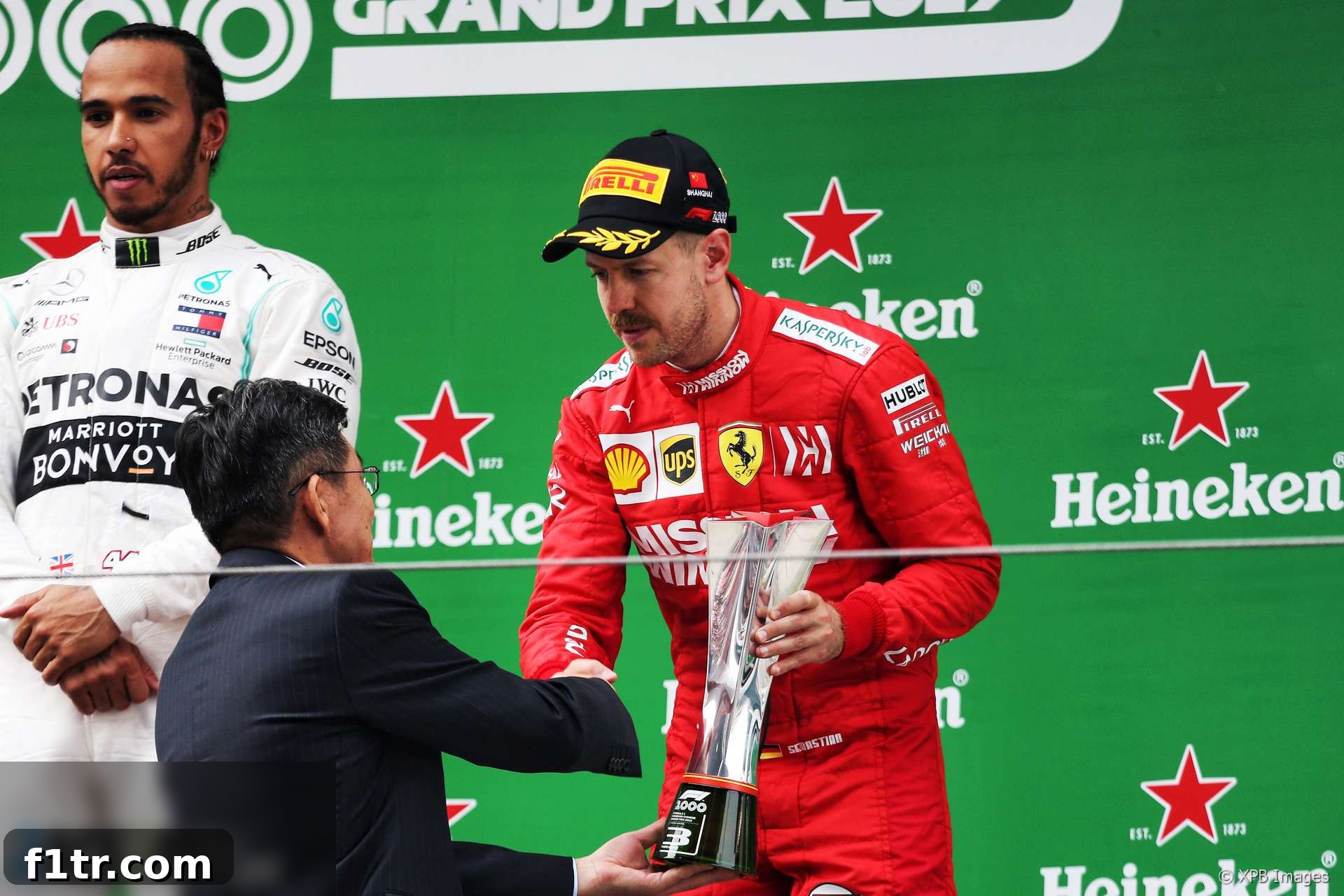
In the high-octane world of Formula 1, every detail matters – from milliseconds on the track to the design of the car, and even the trophies hoisted by victorious drivers. For four-time World Champion Sebastian Vettel, the design of these coveted awards carries profound significance, extending far beyond mere recognition. Vettel has voiced a strong desire for Formula 1 races to feature unique, distinctive trophies, moving away from generic designs that often mimic sponsors’ logos, arguing that these awards are an integral part of the sport’s rich heritage.
Vettel’s stance highlights a growing sentiment among purists and fans alike: that the commercialization of Formula 1 should not overshadow its deep-rooted traditions and the unique identity of each Grand Prix. His articulate criticism points towards a longing for the days when a trophy wasn’t just a prize, but a piece of art, a symbol inextricably linked to the circuit and the culture of the host nation.
The Enduring Appeal of Iconic F1 Trophies and Tradition
For many, including Sebastian Vettel, the allure of Formula 1 extends beyond the thrilling spectacle of speed and strategic battles. It encompasses the history, the legendary circuits, and the iconic imagery associated with triumph. “When I started watching Formula 1 on TV some races had very iconic trophies in terms of design or material that they use,” Vettel recalls, reflecting on an era where trophies were crafted with a sense of place and prestige.
This sentiment resonates deeply with the essence of sport itself, where symbols of victory often transcend their material value, becoming cherished mementos of achievement and embodying the spirit of competition. Vettel clarifies that his quest isn’t for personal fame – “I’m not chasing glory as in people knowing my name or knowing my name – I think I picked the right sport anyway because I’m wearing a helmet most of the time” – but rather for the preservation of these subtle yet powerful elements that define the sport.
He elaborates on the emotional weight these items carry: “But these small things, they make a difference to me. I care, I think for me they are part of traditions and when I look back at old pictures I see the old guys lifting the trophies in the different countries.” This connection to history, seeing past champions lift distinct and memorable awards, creates a tangible link across generations of racing legends. It reinforces the idea that each Grand Prix is not just another race, but a unique event with its own character and legacy, deserving of an award that reflects that individuality.
Criticism of Generic Sponsor-Branded Trophies
The core of Vettel’s criticism lies in the prevalence of sponsor-branded trophies, which he finds “super-boring.” While acknowledging the financial necessities of modern Formula 1 and the critical role sponsors play, he questions the redundancy of replicating brand logos on the very symbols of victory. “I don’t get the point either because you have the billboards everywhere, why do you need the trophies saying the same thing again?” he argues, pointing out that title sponsors already enjoy extensive visibility through trackside advertising, team liveries, and broadcast graphics.
This isn’t a new phenomenon, nor is it exclusive to Formula 1, but Vettel’s comments bring a champion’s perspective to the discussion. A generic trophy, indistinguishable from one race to the next save for a minor inscription, can diminish the sense of a unique accomplishment. For a driver who dedicates their life to the sport, securing a victory at a historic circuit like Monza or Monaco should, in his view, be marked by an award that mirrors that grandeur and unique challenge.
Vettel’s personal experience underscores this point. He vividly remembers his disappointment following his victory at the Hungarian Grand Prix in 2015. “I remember I was happy that we won and then I was disappointed that it was, let’s say, a standard trophy,” he recounted. This anecdote highlights how even in the flush of triumph, a generic trophy can cast a shadow, detracting from the special moment that should be celebrated with a truly memorable keepsake. The Hungarian Grand Prix, known for its challenging “Hungaroring” circuit, has its own character, and many believe its trophy should reflect that distinctiveness.
The Commercial Imperative and the Rolex Example
The ubiquity of sponsor-designed trophies is largely a byproduct of Formula 1’s massive commercial ecosystem. Major brands invest colossal sums to be associated with the sport, and trophy branding is one avenue for visibility. For instance, Rolex, a global luxury watch manufacturer, frequently serves as a title sponsor for various Grand Prix events, including the rounds in Australia and Britain, and was the title sponsor for the weekend race when Vettel made these comments. While Rolex’s association brings prestige and financial stability to F1, the debate centers on how this partnership should manifest itself in the sport’s iconic moments.
The challenge for Formula 1 management is to strike a delicate balance between securing crucial sponsorship revenue and preserving the authenticity and traditional aesthetics that attract many fans and participants. Could there be a compromise where sponsors are prominently featured, perhaps on the trophy base or through naming rights, while the trophy’s main design remains unique to the circuit? This is the question many, including Vettel, implicitly pose to the sport’s custodians.
A Look Back at the 2019 F1 Season Winners and Their Trophies
The 2019 Formula 1 season provided ample opportunities for drivers to step onto the top step of the podium, and with each victory came a trophy. Examining the collection of awards from that season, as depicted in the following gallery, helps illustrate the variety – or lack thereof – in contemporary F1 trophy design. For drivers like Sebastian Vettel, the hope is that these symbols of success can evolve to better reflect the unique spirit and history of each iconic race circuit.
Further Insights from the 2019 F1 Season
Beyond the trophy designs, the 2019 season was filled with memorable moments, strategic battles, and personal challenges for many drivers and teams:
- Crying in the Melbourne car park at 2019 grand prix was my career low – Ocon
- McLaren Racing reports reduced £71 million loss in 2019
- Kvyat: Hockenheim podium last year was “my biggest achievement” so far
- How the FIA’s new encrypted fuel flow meter targets Ferrari’s suspected ‘aliasing’ trick
- “He smashed my office door”: 23 must-see moments from ‘Drive to Survive’ season two
Browse all 2019 F1 season articles
Conclusion: The Future of F1 Trophies – A Balance of Heritage and Commerce
Sebastian Vettel’s passionate advocacy for unique Formula 1 trophies serves as a vital reminder of the sport’s deep connection to its history and the importance of preserving traditions. While the commercial realities of modern motorsport are undeniable, there is a clear call, particularly from within the racing fraternity, for a more thoughtful approach to the symbols of victory. Iconic trophies are more than just prizes; they are tangible links to a circuit’s identity, a nation’s culture, and the emotional journey of every driver who lifts them.
The challenge for Formula 1’s governing bodies and event organizers is to find an innovative way to integrate essential sponsorship while simultaneously elevating the aesthetic and symbolic value of the trophies. Perhaps a hybrid model, where sponsor branding is subtly incorporated onto a trophy that retains a bespoke, circuit-specific design, could be a path forward. Such a compromise would honor both the financial needs of the sport and the cherished heritage that drivers like Vettel hold so dear.
Ultimately, the discussion around F1 trophies is a microcosm of a larger debate within the sport: how to evolve and attract new audiences and revenue streams without alienating its traditional fanbase or eroding the very essence that makes Formula 1 so special. By listening to the voices of its champions and valuing the traditions they uphold, F1 can ensure that every victory, and every trophy, truly shines with a unique and unforgettable brilliance.