Unpacking the 2019 Formula 1 Aerodynamic Revolution: A Quest for Enhanced Overtaking and Closer Racing
The exhilarating world of Formula 1 consistently pushes the boundaries of engineering and speed. However, for many years, a recurring challenge has overshadowed the spectacle: the struggle for cars to follow each other closely, which severely hampered overtaking opportunities. In a determined effort to inject more excitement and genuine wheel-to-wheel battles into the sport, the Fédération Internationale de l’Automobile (FIA) unveiled a series of significant aerodynamic regulation changes for the 2019 Formula 1 season. These modifications, centered around redesigned front and rear wings, aimed to fundamentally alter the airflow around the cars, thereby creating an environment more conducive to aggressive racing. While promising a richer on-track narrative, these changes also came with an acknowledged trade-off: F1 cars were projected to lap approximately one-and-a-half seconds slower than in the preceding seasons, a necessary sacrifice in the pursuit of a more captivating racing product.
This bold regulatory shift was not merely an arbitrary adjustment but a strategic intervention designed to address the deeply rooted aerodynamic issues that had made overtaking so difficult. Modern Formula 1 cars generate an immense amount of downforce through complex aerodynamic surfaces, enabling them to achieve astonishing cornering speeds. However, this sophisticated design also produces a highly turbulent wake – often dubbed ‘dirty air’ – in the car’s immediate vicinity. When a following car enters this turbulent air, its own aerodynamic performance is severely compromised, particularly affecting the delicate balance and grip of its front end. This loss of performance makes it incredibly challenging for a driver to get close enough to launch an attack, turning many races into processions rather than fierce contests. The 2019 regulations sought to directly mitigate this ‘dirty air’ effect, allowing cars to run closer without such a drastic performance penalty.
The Technical Blueprint: Redefining Front and Rear Wings for 2019
At the heart of the 2019 technical overhaul were precise modifications to two of the most aerodynamically influential components of a Formula 1 car: the front wing and the rear wing. These changes were meticulously crafted by the FIA’s technical department, drawing upon extensive research and collaborative efforts with Formula 1’s own dedicated aerodynamicists. The goal was to simplify and redirect airflow in a manner that would significantly reduce the adverse impact on following cars.
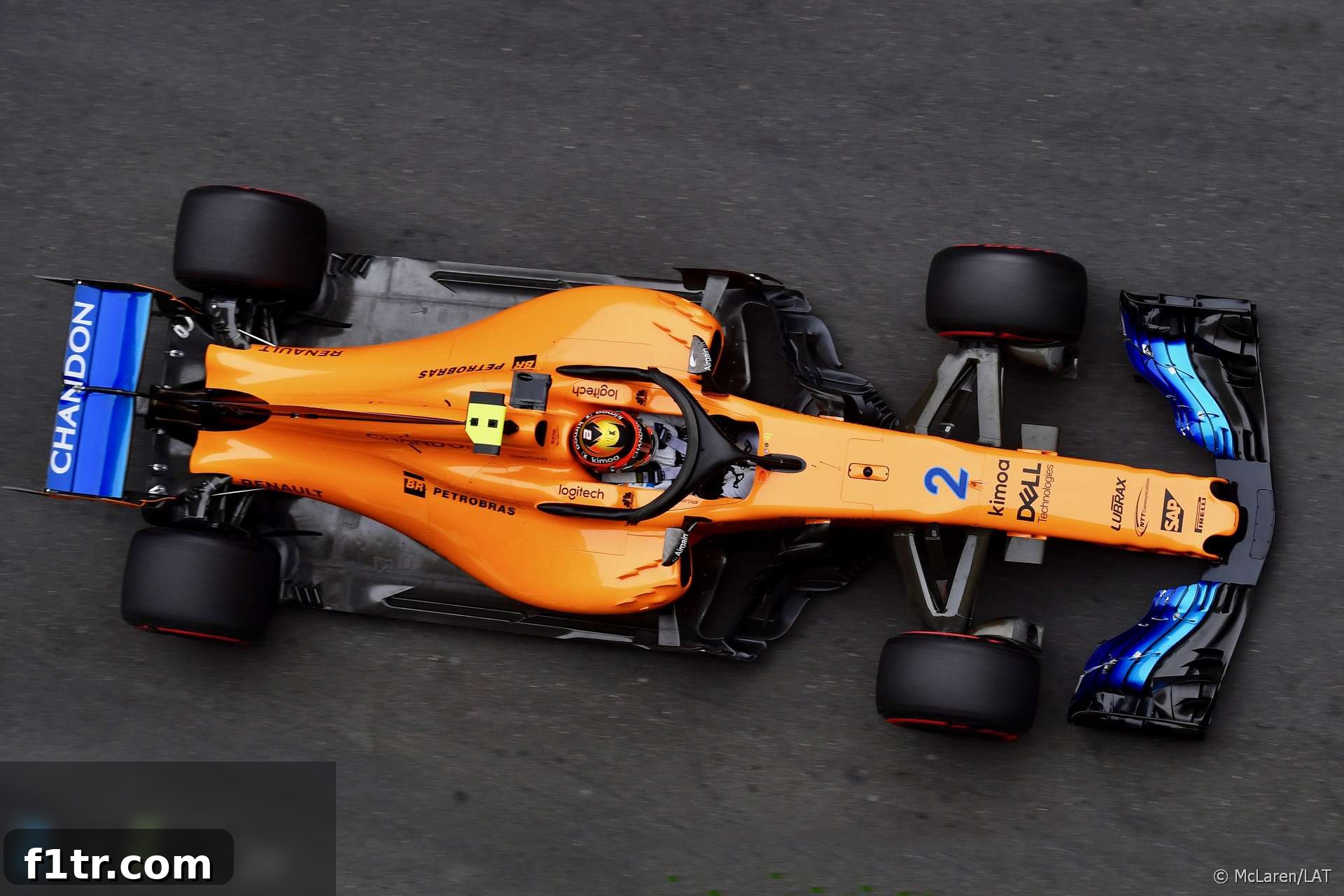
The front wing, a notoriously complex and critical component, underwent the most radical transformation. The new regulations mandated a simpler, wider, and taller front wing design. Specifically, front wings were extended by 200mm in width and raised by 20mm in height. Crucially, the intricate cascade elements, vortex generators, and complex endplate designs that teams had previously exploited to create powerful ‘outwash’ effects were severely restricted. The ‘outwash’ phenomenon, where turbulent air is deliberately pushed outwards and away from the car’s sidepods, was effective for the lead car but detrimental to any car attempting to follow. By simplifying these elements, the FIA aimed to create a more neutral wake, ensuring that the air flowing off the front wing was less disruptive and allowed the following car to maintain more stable aerodynamic grip, particularly at the front axle. This simplification was a direct attack on one of the primary culprits behind the ‘dirty air’ problem.
In conjunction with the front wing changes, the rear wing also saw significant revisions. The 2019 rear wings were made 100mm wider and 20mm taller, accompanied by a larger Drag Reduction System (DRS) opening. While the primary function of these rear wing modifications was not directly to reduce turbulent wake for following cars in the same manner as the front wing, it played a complementary role in enhancing overtaking. The increased width and height of the rear wing contribute to a larger ‘hole’ in the air for a trailing car to exploit, theoretically reducing the overall drag encountered. Furthermore, the enlarged DRS opening meant that when activated, the system would provide a more substantial speed advantage on straights, making overtakes more achievable and less dependent on the lead car making a mistake. These combined efforts across both ends of the car aimed to reshape the aerodynamic interaction between competitors, promoting more intense and rewarding on-track battles.
The Calculated Cost: A Trade-Off in Lap Time Performance
The immediate and measurable consequence of these aerodynamic simplifications and adjustments was an undeniable reduction in overall aerodynamic performance. With less intricate downforce-generating elements and a focus on reducing turbulent air, the cars inevitably produced less grip and encountered more drag. This translates directly into slower lap times, a reality candidly addressed by Nikolas Tombazis, the FIA’s Head of Single-Seater Matters, during a media briefing. Tombazis provided a clear quantification of the expected performance decrease, framing it within the context of previous regulatory shifts.
“We expect this new change to be approximately one-thirds of the way less performance of the delta between ’16 and ’17,” Tombazis explained, drawing a comparison to the significant performance gains observed in 2017 when cars were made wider and faster. He continued, outlining the specific projection: “So we expect to lose about one-and-a-half seconds, that sort of order.” This anticipated reduction of approximately 1.5 seconds per lap represents a substantial figure in the hyper-competitive realm of Formula 1. It meant that teams would need to completely re-evaluate their car concepts, setups, and development trajectories to try and recoup as much of this lost performance as possible throughout the season.
Tombazis acknowledged the dynamic nature of F1 development, stating, “It’s a bit difficult to predict the amount of development the teams will put on. But we certainly expect to lose performance.” This admission highlights the constant arms race between regulators and engineering teams. While the FIA establishes the framework, teams relentlessly innovate within those rules to optimize performance. Nevertheless, the governing body was resolute in its expectation that an initial performance dip was an acceptable, even necessary, price to pay for what they hoped would be a marked improvement in the quality of racing. The underlying philosophy was that closer, more engaging races would ultimately deliver a more thrilling spectacle, even if the outright pace records were momentarily put on hold.
The “Halfway House”: Bridging 2019 and the Vision for 2021
Crucially, the 2019 aerodynamic regulations were never intended to be a standalone, definitive solution to Formula 1’s overtaking conundrum. Instead, they were strategically positioned as a “halfway house,” a vital interim step derived from the extensive, ongoing research aimed at a much more comprehensive overhaul for the post-2020 era, specifically targeting the revolutionary 2021 season. This phased approach allowed the FIA and Formula 1 management to implement immediate, tangible improvements based on preliminary findings, while simultaneously continuing the deep-dive research required for a truly fundamental redesign of the sport’s technical regulations.
The research program for the 2021 regulations is considerably more ambitious and broad-ranging. It delves into far more complex and foundational aspects of car design, aerodynamics, and even chassis architecture. “There’s work going on at Formula 1 with the collaboration of the FIA for 2021,” Tombazis elaborated, providing context. “This work is still ongoing and covers a lot of more complicated areas of the car which need frankly a lot more work before we can define regulations.” These comprehensive studies explore concepts such as simplified bodywork, increased use of ground effect for downforce generation, and even potentially standardized components, all with the ultimate goal of ensuring cars can follow extremely closely with minimal aerodynamic disturbance.
In contrast, the 2019 changes, while impactful, were specifically designed for rapid implementation within existing car philosophies. They focused on “low-hanging fruit” – specific, isolated areas of the car where adjustments could be made without requiring a complete conceptual redesign. As Tombazis explained, “These regulations for 2019 were an extract of some of the lessons learned already at Formula One. They obviously had to be implement-able for ’19 and therefore they only cover specific areas of the car that are a bit more simple.” This pragmatic approach allowed for a quicker response to the immediate need for improved racing, leveraging early insights from the broader 2021 research without waiting for its full completion.
Tombazis stressed the importance of understanding this distinction: “The underlying lessons that we have learnt with F1 about how cars perform in the wake of other cars have been used but let’s say it’s only a halfway house. I don’t want it to be confused with the work that’s going on for 2021 in the future because obviously they’ll be more extensive and hopefully have much more time for research.” This clarification was crucial. While the 2019 rules represented a significant step forward, they were merely a prelude to a much grander vision for Formula 1’s future, where truly revolutionary design principles would aim to redefine the very essence of competitive racing.
Unprecedented Research: A Data-Driven Approach to Regulation
The depth and breadth of the research underpinning the 2019 aerodynamic proposals underscored a new level of commitment from the FIA to evidence-based regulation. Nikolas Tombazis, reflecting on the rigorous process, proudly stated that the volume of scientific and technical investigation invested in these changes surpassed “more than virtually any regulation change in aerodynamics that has taken place,” with one notable historical exception. That exception was the intensive, dedicated work conducted by the Overtaking Working Group (OWG) which spearheaded the significant, albeit ultimately contentious, aerodynamic alterations introduced for the 2009 Formula 1 season.
This unprecedented level of dedication signals a strategic shift from reactive rule-making to a more proactive, data-driven methodology. By employing state-of-the-art computational fluid dynamics (CFD) simulations, extensive wind tunnel testing, and expert analysis, the FIA aimed to meticulously predict the effects of the 2019 changes. This rigorous approach was designed to ensure that the modifications would achieve their intended goal of improving overtaking without inadvertently creating new, unforeseen problems for the sport – a lesson perhaps learned from the mixed outcomes of past interventions. The experience from the 2009 OWG, which also sought to enhance overtaking but faced challenges with driver feedback and unintended consequences, undoubtedly informed the meticulous approach taken for 2019, striving for a more refined and effective solution.
Anticipated Impact on the 2019 F1 Season and Future Racing Dynamics
As the 2019 Formula 1 season dawned, all eyes were on how these aerodynamic regulations would translate onto the race track. Teams, armed with the new rulebook, embarked on a fresh wave of innovation, striving to understand and exploit the new aerodynamic landscape. The challenge was immense: not only to adapt their car designs to the new rules and recover lost performance but also to anticipate how the altered airflow would affect everything from tire degradation to pit stop strategies. This relentless cycle of adaptation and innovation is a defining characteristic of Formula 1, and the 2019 changes provided a compelling new chapter in this ongoing technical narrative.
For the millions of fans worldwide, the fundamental question was whether these changes would genuinely lead to more exciting racing. The hope was that drivers would be able to follow each other through high-speed corners without experiencing the debilitating loss of downforce that had plagued previous seasons. If successful, this would open up myriad possibilities for closer battles, less reliance on the Drag Reduction System (DRS) for opportunistic overtakes, and a greater emphasis on raw driver skill and bravery in direct combat. The FIA’s vision was for a cleaner, fairer fight, where genuine talent could shine through in head-to-head encounters.
The 2019 season ultimately served as an invaluable testbed for this new aerodynamic philosophy. It provided critical real-world data and feedback on how the regulations performed under race conditions, offering crucial insights that would directly inform the more radical and holistic changes planned for 2021. By incrementally introducing these concepts, Formula 1 aimed to refine its understanding of the delicate balance between raw performance and competitive action. It was a clear and unequivocal signal that the sport was prioritizing the spectacle of racing above all else, acknowledging that even marginal improvements in overtaking and wheel-to-wheel action could significantly enhance the overall fan experience and secure the sport’s long-term appeal.
Conclusion: A New Era for F1 Aerodynamics and the Spirit of Competition
The introduction of the 2019 Formula 1 aerodynamic regulations marked a truly pivotal moment in the sport’s relentless pursuit of improved racing. Through a series of targeted modifications, primarily to the front and rear wings, the FIA embarked on a mission to mitigate the crippling ‘dirty air’ effect and foster an environment where F1 cars could follow more closely and engage in more frequent, genuine overtaking maneuvers. While this strategic decision necessitated a forecasted 1.5-second increase in lap times, it undeniably underscored a clear prioritization of entertainment, competitive action, and the enduring spirit of on-track battle.
As a carefully considered “halfway house” on the ambitious path to the more revolutionary 2021 regulations, the 2019 changes showcased the FIA’s unwavering commitment to a data-driven, phased approach to technical reforms. The unprecedented depth of research underpinning these modifications, arguably surpassing most aerodynamic overhauls in F1 history, highlighted a proactive and intelligent effort to address fundamental issues in car design for the ultimate benefit of the racing spectacle. The season itself became an essential proving ground, yielding vital insights into how future regulations could be fine-tuned to truly reshape the dynamics of Formula 1. Ultimately, these adjustments were about more than just aerodynamics; they represented a profound commitment to securing a future where Formula 1 continues to deliver the thrilling, unpredictable, and fiercely competitive drama that defines its legendary legacy, ensuring that the apex of motorsport remains a captivating and accessible spectacle for fans worldwide.