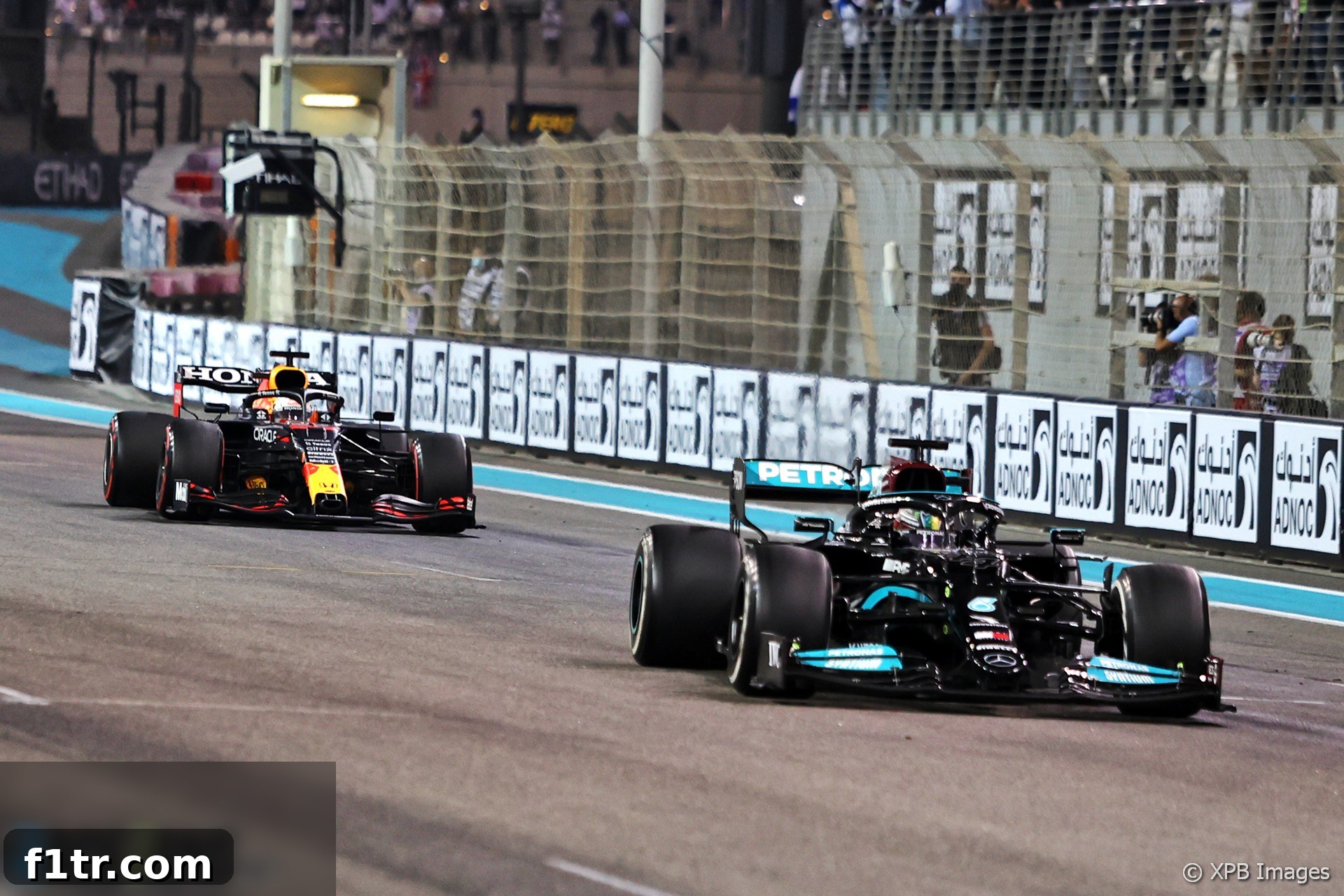
The highly controversial conclusion of last year’s Formula 1 championship-deciding Abu Dhabi Grand Prix ignited a firestorm of protest, not only from the Mercedes-AMG Petronas F1 Team but also from a vast segment of fans, media, and prominent motorsport figures globally. The events of that fateful race tarnished the image of a sport celebrated for its thrilling competition and strict adherence to rules, leaving a lingering question mark over the integrity of the 2021 season finale.
Advert | Become a Supporter & go ad-free
At the heart of the dispute was a series of hotly contested decisions made by FIA Formula 1 Race Director Michael Masi. In the closing laps of the race, with a Safety Car deployed, Masi arranged a hurried restart. Crucially, a selective number of lapped cars were permitted to unlap themselves – specifically, only those vehicles positioned between the race leader, Lewis Hamilton, and his championship rival, Max Verstappen. These specific and unprecedented departures from established past practice and the sporting regulations prompted widespread accusations of foul play. Hamilton, who had led the vast majority of the race and was on course for a record eighth world title, was subsequently overtaken by Verstappen almost immediately after the contentious restart, losing both the race and, consequently, the championship on the very final lap.
In the immediate aftermath, Mercedes initially lodged a protest, threatening to appeal the stewards’ decision, which would have cast a significant shadow over Verstappen’s hard-won title. However, four days later, the team, after careful consideration, withdrew its appeal. This concession did not, however, preclude a thorough examination of the incident. Outgoing FIA president Jean Todt, acknowledging the gravity of the situation and the potential damage to the sport’s reputation, swiftly sanctioned a detailed review of the incident and the procedural shortcomings that led to it.
The initial FIA statement announcing this review did little to quell skepticism or inspire immediate confidence among the disillusioned public. It suggested that a “significant misunderstanding” by fans – rather than the actual handling of the race itself – had created “an argument that is currently tarnishing the image of the championship.” This phrasing led many to fear a whitewash, a perception that the FIA intended to sweep the entire controversy under the carpet, disregarding the vehement complaints of a vast number of fans and the prolonged, unsettling silence of Lewis Hamilton, the sport’s most prominent star. The initial response felt inadequate to address the depth of frustration felt across the Formula 1 community.
However, subsequent developments have largely disproven these initial fears and signaled a more robust commitment to accountability. Todt’s successor, the newly elected Mohammed Ben Sulayem, has demonstrated a clear intent to address the issue with transparency and rigor. He has entrusted the sensitive and crucial review process to Peter Bayer, the FIA Secretary General for Sport, pictured at the top alongside Ross Brawn. This appointment of a high-ranking, experienced official signaled a significantly more serious and earnest approach to repairing the damage and restoring faith in Formula 1’s governance.
Peter Bayer assumed the pivotal role of the FIA’s Secretary General for Sport in March 2017, following his nomination by then-President Jean Todt to succeed the departing Jean-Louis Valentin. An Austrian native, Bayer brings a wealth of experience from diverse leadership roles within the sporting world, highlighting his comprehensive understanding of international sports administration. His earlier career highlights include serving as CEO of the Innsbruck 2012 Winter Youth Olympic Games, a significant organizational undertaking that tested his strategic and logistical capabilities, and later leading the Ocean Masters monohull sailing class series, showcasing his versatility and experience in managing complex, high-profile sporting events across different disciplines. This varied background equips him uniquely to navigate the intricate political and sporting landscape of Formula 1.
As Secretary General for Sport, Bayer stands at the helm of one of the FIA’s two foundational pillars – sport and mobility. This immense responsibility places him in charge of overseeing virtually all forms of motorsport falling under the FIA’s extensive governance. This spectrum ranges from grassroots karting and exhilarating hillclimb events to the tactical demands of rally and rallycross, the close-quarters racing of touring cars, and, critically, all tiers of single-seater formula racing, including Formula 1 itself. In this capacity, Bayer has held ultimate responsibility over the various teams of directors who preside over their respective disciplines, ensuring cohesion, consistent application of rules, and adherence to the FIA’s overarching principles. This includes figures such as Michael Masi, formerly the director of single-seater racing, and Marek Nawarecki, the director of touring cars, illustrating the breadth of his direct influence.
While the directors of each specific discipline possess the most hands-on, granular control over their respective areas, Bayer’s role has historically been focused on the broader strategic initiatives of the FIA. His mission is to promote wider FIA programs and ensure the consistent application of ‘best practice’ across all categories under the organization’s expansive umbrella. Essentially, Bayer is tasked with safeguarding the integrity and operational excellence of every series and championship sanctioned under the FIA’s name. This encompasses everything from maintaining the highest safety standards for competitors, officials, and spectators alike, to meticulously ensuring that all rules, protocols, and sporting regulations are rigorously followed to the letter, thereby upholding the fairness and credibility of motorsport across the globe. His emphasis on consistency and procedural rectitude makes him an ideal candidate for the Abu Dhabi review.
A prime example of Bayer’s proactive approach to enhancing sporting integrity is the FIA’s annual International Stewards Programme. This comprehensive, multi-day event serves as a vital conference and training ground for all individuals involved in the crucial role of stewarding FIA-sanctioned race events worldwide. During last year’s programme, a special ‘competitors’ panel’ was organized, with Michael Masi hosting a seminar on stewarding. This session featured prominent figures from motorsport, including Carlos Sainz Jnr, Jean-Eric Vergne, and Lucas Di Grassi, fostering an essential dialogue between those who enforce the rules and those who compete under them, aiming to bridge the gap between perspective and practice.
Reflecting on the significance of such initiatives, Bayer stated at the conclusion of the programme, “An annual coming together is vital for stewards and race directors to develop the exchange and discuss cases. It’s great to see so many different people from all over the planet coming together and making sure they will improve their skills on how to legislate motor sport, which they do in the name of the FIA.” This underscores his long-standing commitment to continuous improvement, global standardization, and the professional development of stewarding practices, a sentiment that resonates deeply and directly addresses the concerns raised by the Abu Dhabi controversy.
Further demonstrating Bayer’s dedication to upholding sporting fairness, he has spearheaded initiatives targeting serious issues such as corruption within FIA competitions. It is crucial to emphasize that while this program addresses a critical concern, there have been no allegations of corruption related to the Abu Dhabi Grand Prix. The ‘Race Against Manipulation’ programme, for instance, involves an online ‘e-learning’ platform designed for all individuals involved in motorsport competitions, whether as drivers or officials. Beyond warning participants about the dangers and severe penalties associated with betting-related offenses, the programme also aims to equip personnel with the tools to “identify the behaviour of competition fixers” and explicitly reminds them of their solemn obligation to report anyone they suspect of knowingly manipulating race outcomes. Such proactive measures highlight Bayer’s deep-seated commitment to maintaining the absolute probity and ethical standards of motorsport at every level.
Advert | Become a RaceFans supporter andgo ad-free
Peter Bayer’s extensive role within the FIA has not been limited to overarching strategy and integrity programs; it has also significantly involved direct input into the formulation of future regulations and the meticulous implementation of existing rules, particularly within Formula 1. A notable example occurred in 2020 when concerns about the use of high-performance ‘qualifying modes’ for power units arose. It was Bayer who officially informed teams of the FIA’s decision to mandate that all engines operate in the same power mode for both qualifying and the race sessions. This critical intervention aimed to level the playing field, prevent excessive engine stress, and crucially, reduce the complexity of policing power unit legality, thereby promoting fairer competition and sustainability.
Furthermore, Bayer played a crucial role in the drastic overhaul of F1’s technical regulations for the 2021 season, a comprehensive transformation later postponed to the current year due to the global pandemic. His involvement highlights his deep understanding of the sport’s technical intricacies and his ability to navigate complex regulatory changes designed to improve racing dynamics and ensure sustainable, competitive racing for the future. His influence continues as he remains a central figure in the ongoing high-level discussions between the FIA, Formula 1 management, competing teams, and power unit manufacturers regarding the future power unit regulations that will define the sport from 2026 and beyond. This long-term strategic engagement underscores his enduring impact on the fundamental direction and evolution of Formula 1.
The Abu Dhabi case, while unprecedented in its championship implications and the level of public scrutiny it attracted, is not the first instance where a serious incident during a Grand Prix has escalated to Peter Bayer’s executive level. His career at the FIA is marked by his attention to other significant matters requiring careful investigation and resolution, demonstrating his consistent capacity to handle high-stakes situations with diligence and an unwavering commitment to fairness.
Just a few months after assuming his role in 2017, Bayer was part of an influential panel of FIA figures who conducted a thorough review of Sebastian Vettel’s contentious collision with Lewis Hamilton during the Azerbaijan Grand Prix. The incident saw Vettel angrily drive into his rival during a Safety Car period, mistakenly believing Hamilton had deliberately brake-tested him. While race stewards had already handed Vettel a 10-second stop-go penalty, the severity and unprecedented nature of the incident prompted a summoning to an extraordinary meeting with the FIA in Paris. There, Vettel had to explain himself directly to Bayer and Jean Todt. Ultimately, no further penalty was issued to the then-Ferrari driver, but only after he accepted full responsibility for his actions and issued a comprehensive public apology, a testament to the FIA’s consistent emphasis on accountability and restorative justice over punitive measures alone.
Two years later, another critical safety matter demanded Bayer’s direct attention. During the 2019 Monaco Grand Prix, Sergio Perez narrowly avoided a potentially catastrophic collision with two marshals who had run across a live track during a session. Recognizing the dire consequences such a lapse in safety protocols could entail, Bayer immediately commissioned a detailed report into the incident, treating it with the utmost seriousness. His swift action led to a significant and immediate safety decree: footage from Perez’s onboard camera was subsequently used in pre-event briefings to educate marshals about the severe dangers of crossing a live track, thereby implementing a tangible improvement in safety protocols that undoubtedly prevented future incidents and enhanced marshal awareness globally.
Peter Bayer’s mandate regarding the review of the Abu Dhabi Grand Prix is expansive and holds profound implications for the future structure and governance of Formula 1. His explicit directive is to supply “proposals to review and optimise the organisation of the FIA F1 structure for the 2022 season.” Compounding his influence, he has also been appointed as the FIA’s director for single-seaters, a pivotal role that gives him direct oversight over the very regulations, operational procedures, and personnel that were scrutinized so heavily in Abu Dhabi. Consequently, Bayer possesses not only the inherent authority but also the deep institutional knowledge, technical expertise, and extensive experience to advocate for and implement significant, structural changes. Such changes are widely anticipated and expected by a motorsport community eager for reform following an episode that undeniably tarnished the cherished reputation and credibility of the world championship.
Bayer’s engagement with the FIA’s response to the Abu Dhabi controversy extends beyond the immediate race incident itself. Following Lewis Hamilton’s highly publicized failure to fulfill his obligation to attend the FIA’s prestigious prizegiving gala in Paris in December – a mandatory event for the top championship finishers – Bayer is formally required to report this infringement to the FIA president. This administrative duty underscores the multi-faceted nature of his role and his responsibility for upholding all aspects of the sport’s protocols and disciplinary framework, even when sensitive circumstances are involved. It highlights that no participant, regardless of their stature, is exempt from the FIA’s regulations.
It remains to be seen precisely how sternly the FIA might view that breach of protocol, especially given the arguable mitigating circumstances surrounding Hamilton’s emotional state post-Abu Dhabi. However, a significant development highlighting confidence in Bayer’s approach comes from Mercedes team principal Toto Wolff, who has publicly offered his backing and endorsement to Bayer, indicating a crucial level of trust from a key stakeholder previously at odds with the FIA.
After a tumultuous Formula 1 season fraught with several highly debatable on-track incidents and controversial stewarding decisions, Toto Wolff articulated that his team’s ultimate decision not to escalate their case over the Abu Dhabi Grand Prix to the FIA’s International Court of Appeal was influenced, at least in part, by critical assurances received from Peter Bayer. These assurances pertained to the FIA’s unwavering commitment to actively address and rectify concerns and complaints regarding stewarding consistency and application of rules across the sport, aiming for a more transparent and equitable future. Wolff also suggested that this sentiment and trust in Bayer’s commitment were shared among other team principals, indicating a broader industry desire for fundamental reform and a united front for change.
Explaining his perspective last month, Wolff emphasized the necessity of transparency and modern governance in contemporary motorsport. “I think in the day and age of transparency such decisions cannot be made any more in backroom deals and why I am optimistic is that most stakeholders in the sport will share my frustration on the decisions that have been made all throughout the year,” Wolff stated, underscoring the collective discontent. He elaborated on the dialogue that provided him with confidence: “I had assurances from Peter Bayer and Stefano [Domenicali, Formula 1 CEO] that in the next weeks and months we will close the gaps that have opened up more and more over the last few years.” This public statement by Wolff signifies a crucial vote of confidence in Bayer’s ability to enact meaningful change and restore faith in the sport’s regulatory framework, signaling a potential turning point for Formula 1’s governance.
The strategic appointment of Peter Bayer to lead this critical investigation unequivocally demonstrates that the FIA, under its new presidency, does not underestimate the profound damage inflicted upon the sport’s credibility by the contentious events of Abu Dhabi. It signals a resolute commitment to taking serious, actionable steps towards thoroughly tightening up its operational procedures, enhancing regulatory clarity, and ensuring consistency in stewarding, all with the explicit aim of preventing any repeat of such damaging controversies in the future. The motorsport world now watches keenly, anticipating the comprehensive reforms and renewed integrity that Bayer’s review is expected to deliver, hopeful for a chapter of greater clarity and fairness in Formula 1.
Advert | Become a RaceFans supporter andgo ad-free
News Focus: Insights and Analysis from the World of F1
- No happy ending for Ricciardo’s made-for-Netflix redemption arc
- No ‘two alphas’ for Red Bull as team forms its longest-running driver line-up
- Will Mercedes come to the rescue of Ocon’s career a third time?
- How the midfield’s hottest team mate rivalry boiled over
- Petty officialdom or deserved decisions? Five drivers stripped of wins in 2024
Browse all News Focus articles