Unveiling the 2018 IndyCar: A New Era for Speed and Competition
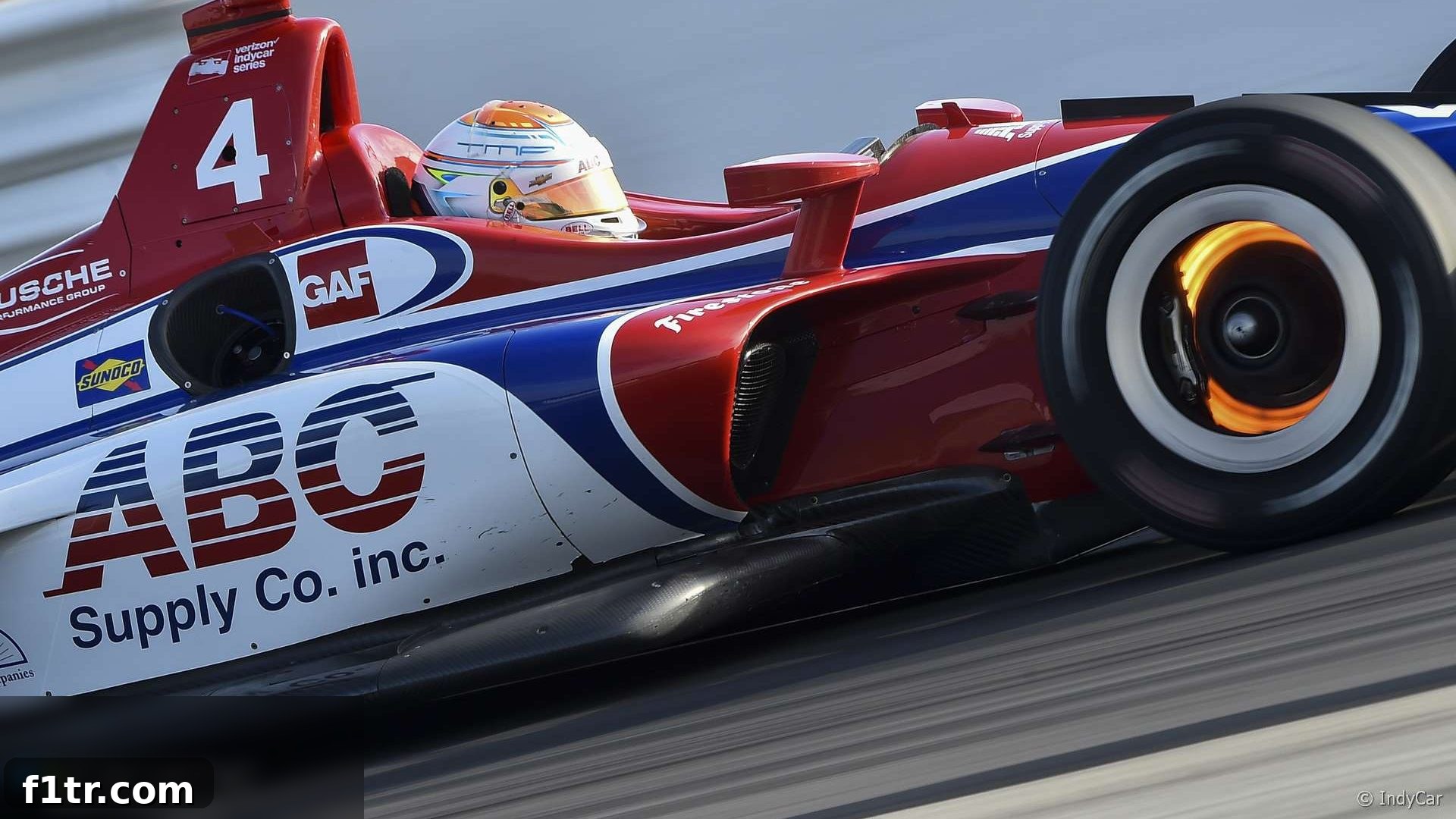
The highly anticipated 2018 IndyCar, featuring its revolutionary Universal Aerokit, recently made its track debut at Sebring International Raceway. This pivotal moment saw several top teams and drivers putting the sleek, redesigned machine through its paces, offering a tantalizing glimpse into the future of open-wheel racing. This comprehensive overhaul aims to redefine the series, promising closer racing, enhanced aesthetics, and a renewed focus on driver skill.
The Universal Aerokit: Engineering for Enhanced Racing
For the 2018 season, IndyCar introduced a radical shift from manufacturer-specific aerokits to a standardized Universal Aerokit. This move was driven by a clear vision: to create a more level playing field, control development costs, and most importantly, improve the quality of racing. The previous generation, with its diverse and often complex aero packages from Honda and Chevrolet, led to significant performance disparities and often created “dirty air,” making overtaking a challenge. The new aerokit, still integrated with the proven Dallara DW12 chassis (which has been the backbone of the championship since 2012), represents a philosophical return to form, emphasizing fundamental aerodynamics and mechanical grip.
Core Design Philosophy and Aerodynamic Innovations
A primary objective of the 2018 car’s aerodynamic package is to generate significantly more downforce from the car’s underbody and floor rather than its upper surfaces, such as large wing elements and intricate appendages. This crucial design change is expected to have a profound impact on racing dynamics. By shifting the source of downforce closer to the ground, the car creates less turbulent air behind it. This reduction in “dirty air” allows following cars to maintain more consistent downforce, enabling them to run closer to the car ahead without losing aerodynamic grip. The ultimate goal is to facilitate more aggressive and thrilling overtakes, delivering the wheel-to-wheel action IndyCar fans crave.
The aesthetic transformation is equally striking. The new aerokit presents a much cleaner, more streamlined profile. Gone are many of the visually busy and often fragile winglets and strakes that characterized the manufacturer kits. The front wings are simplified, the sidepods have a more elegant curve, and the engine cover features a cleaner, more sculpted design. This refreshed look evokes classic IndyCar aesthetics, blending modern safety features with a nostalgic appeal, appealing to both long-time enthusiasts and new audiences.
Weight Reduction and Center of Gravity Shift
Beyond aerodynamics, the 2018 IndyCar underwent a significant weight reduction. A notable change was the removal of the bulky rear wheel guards, which had been introduced in the wake of several airborne accidents in previous seasons. While these guards were intended to prevent wheel-to-wheel contact from launching cars, their removal addressed concerns about weight and airflow. This alteration, coupled with other design efficiencies, has substantially reduced the car’s overall mass. Furthermore, the removal of the rear guards and other aero elements has strategically shifted the car’s center of gravity forward. This change impacts handling characteristics, potentially making the car more agile and responsive, and requiring drivers to adapt to a different balance, placing a greater emphasis on precise car control.
The total weight savings and the revised weight distribution are not just numbers; they translate directly into performance. Lighter cars generally accelerate faster, brake later, and are more nimble through corners. For drivers, this means a car that might feel more “lively” and demanding, but also more rewarding when pushed to its limits. This shift promises to bring the driver’s skill even more to the forefront of competition.
Sebring Test: First Impressions and On-Track Action
The iconic Sebring International Raceway served as the proving ground for the new-look 2018 IndyCar. Known for its challenging mix of high-speed sections, tight corners, and famously bumpy surfaces (a legacy of its airfield origins), Sebring provides an excellent environment for comprehensive testing. Teams were able to evaluate the car’s performance under various conditions, gathering crucial data on its aerodynamic efficiency, mechanical balance, tire wear, and overall reliability.
The test session allowed engineers to calibrate the new aerodynamic package, fine-tune suspension settings, and begin understanding how the car behaves with the shifted weight distribution and redesigned downforce generation. Drivers provided invaluable feedback on everything from steering feel and braking stability to cornering grip and the car’s behavior in traffic (though full multi-car simulation would come later). Early reports from the paddock indicated a generally positive reception, with drivers praising the car’s more raw, engaging feel and its aesthetic appeal.
Teams and Drivers Take to the Track
Among the teams hitting the track at Sebring was the new IndyCar entrant, Carlin, making their highly anticipated debut. The British powerhouse, with a storied history in junior formula categories, fielded a car for former Marussia F1 driver Max Chilton. Chilton’s extensive experience in both Formula 1 and previous IndyCar seasons made him an ideal candidate to provide valuable insights into the new machine. Carlin’s entry marked an exciting expansion for the series, bringing a fresh competitive element to the grid.
Other prominent teams and their star drivers were also busy at Sebring. Andretti Autosport brought several cars, with drivers like Ryan Hunter-Reay and Alexander Rossi diligently accumulating mileage and data. James Hinchcliffe represented Schmidt Peterson Motorsports, offering his veteran perspective on the car’s changes. Foyt Racing’s Matheus Leist and veteran Tony Kanaan were also among those rigorously testing, as were Graham Rahal and Takuma Sato from Rahal Letterman Lanigan Racing, and Pietro Fittipaldi for Dale Coyne Racing. Each team’s participation was critical for understanding the car’s nuanced characteristics and preparing for the upcoming competitive season.
The diversity of drivers and teams present at the Sebring test underscored the series-wide commitment to thoroughly evaluating the new aerokit. Their collective feedback would be instrumental in any final adjustments before the championship officially kicked off, ensuring that the 2018 season would be as competitive and exciting as promised.
A Visual Feast: The Striking Design of the 2018 IndyCar
The 2018 IndyCar isn’t just about performance; it’s also a significant aesthetic triumph. The move to the Universal Aerokit has resulted in a car that is widely regarded as one of the most visually appealing in recent memory. Its sleek lines and less cluttered surfaces give it a timeless, aggressive, yet elegant appearance. The design evokes a sense of raw speed and precision, drawing parallels to classic open-wheel racers while incorporating modern safety and performance advancements.
Fans and media alike have praised the car for its clean, purposeful look. The simplification of aerodynamic elements has removed much of the visual ‘noise’ that characterized earlier aerokits, allowing the underlying Dallara chassis design to shine through. This return to a more fundamental and less overtly complex aerodynamic profile is not just about aesthetics; it embodies the philosophical shift towards less reliance on intricate top-surface aero and more on the car’s inherent balance and floor dynamics. The striking visual identity of the 2018 car is expected to be a major draw, attracting new viewers and reigniting passion among existing fans.
Anticipation Builds for the 2018 Season
With the successful debut of the 2018 IndyCar at Sebring, anticipation for the upcoming season reached a fever pitch. The promise of closer racing, more overtakes, and a renewed emphasis on driver skill due to the Universal Aerokit’s design has invigorated the motorsport community. Drivers reported a car that feels more challenging to master but ultimately more rewarding, suggesting that the championship battles could be incredibly intense.
The changes were not merely cosmetic or performance-related; they were strategic moves to fortify IndyCar’s position as a premier open-wheel series. By addressing concerns about dirty air and cost, while simultaneously delivering a visually stunning and faster car, IndyCar positioned itself for a thrilling and memorable year. The Sebring test was merely the prelude, setting the stage for what many expected to be one of the most exciting seasons in recent IndyCar history.