Advert | Become a Supporter & go ad-free
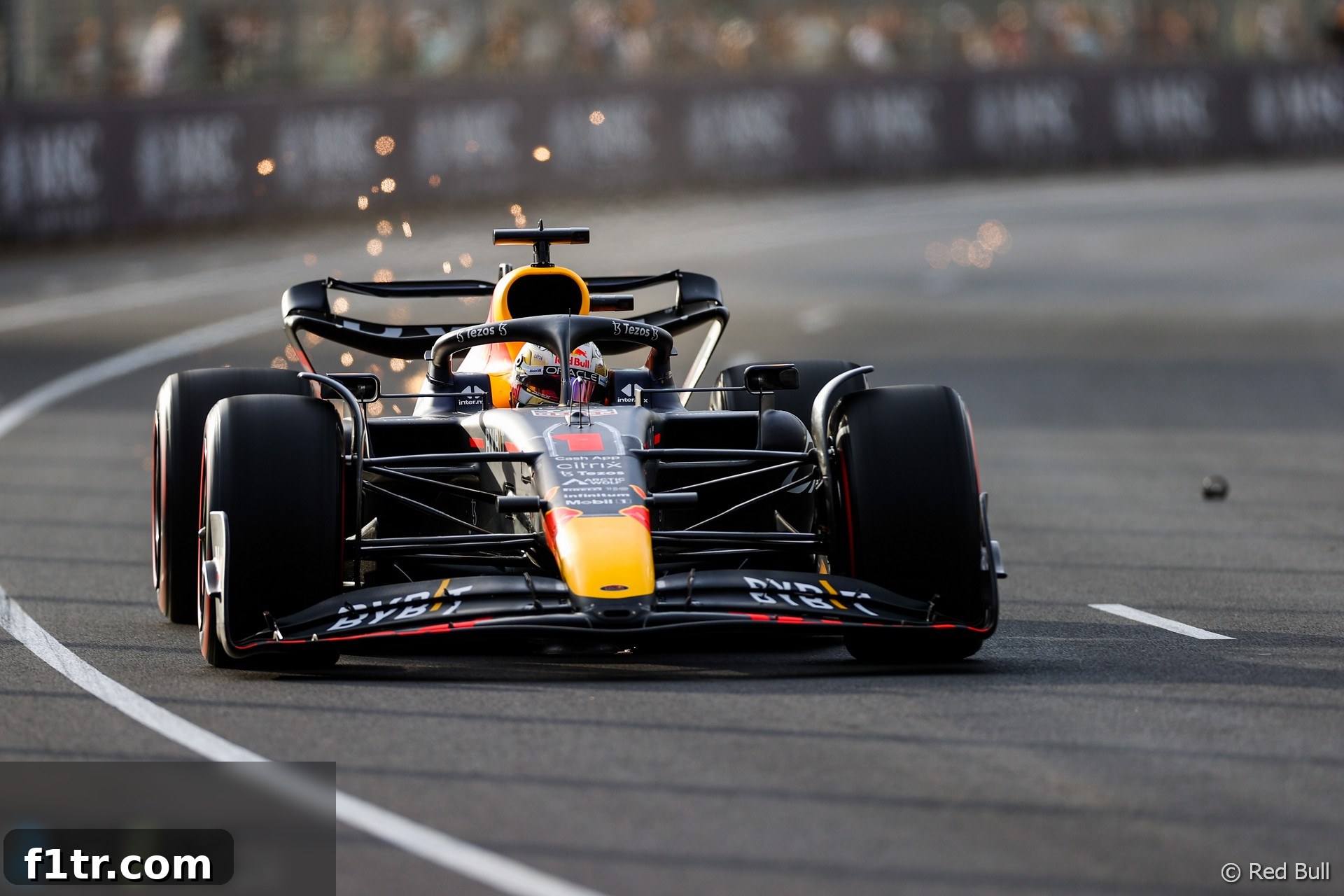
Max Verstappen Slams FIA’s Controversial DRS Zone Removal at Albert Park
The 2022 Formula 1 Australian Grand Prix weekend at the redesigned Albert Park circuit was not without its share of drama, both on and off the track. A significant point of contention arose when the FIA, F1’s governing body, made a last-minute decision to remove a newly added fourth DRS (Drag Reduction System) zone from the track layout. This move drew sharp criticism from several drivers, most notably reigning world champion Max Verstappen, who vocally disagreed with the FIA’s rationale, citing safety concerns as unsubstantiated and expressing frustration over the potential impact on racing dynamics.
The Disputed DRS Zone: A Bid for Enhanced Overtaking
For the first time since its extensive remodelling, Albert Park was set to feature a quartet of DRS zones for the Australian Grand Prix. The most debated of these was the fourth zone, strategically placed on the approach to Turn 9 – a high-speed section promising exhilarating overtaking opportunities. The introduction of this extra zone was part of a broader effort to enhance the racing spectacle and facilitate more wheel-to-wheel action on a circuit historically challenging for overtakes. Drivers and teams had anticipated its impact, factoring it into their strategies and car setups during Friday practice sessions.
However, following the initial practice runs, FIA Formula 1 Race Director Niels Wittich announced its removal, citing “safety reasons.” This declaration, made official on Saturday morning, sent ripples through the paddock, catching some teams and personnel off guard and raising questions about the transparency and timing of such a pivotal decision.
Verstappen’s Vehement Disagreement: Safety vs. Racing
Red Bull Racing’s Max Verstappen was quick to voice his strong opposition to the FIA’s decision. The Dutchman openly questioned the integrity of the safety argument, drawing a direct comparison to the Jeddah Corniche Circuit, which had hosted the Saudi Arabian Grand Prix just two weeks prior. Verstappen argued that the Albert Park layout, even with the new DRS zone, posed significantly less risk than the high-speed, blind corners of Jeddah, a sentiment widely shared by many drivers who have expressed concerns about the safety profile of the Saudi Arabian track.
“Of course, with taking away one DRS zone, it’s going to be harder [to pass],” Verstappen stated, highlighting the direct consequence for racing. He added, “I don’t really understand why they took it away, because it was much safer than what we do in Jeddah, for example. So it’s a bit of a mystery to me why that happened.” His remarks underscored a growing frustration among drivers regarding what they perceive as inconsistent application of safety regulations and decisions that can dramatically alter race outcomes.
Verstappen’s criticism didn’t stop at questioning the safety rationale. He hinted at underlying political motives, suggesting that the decision might have been influenced by a complaint from a rival team, implying that competitive advantage, rather than genuine safety concerns, played a role. “There was only one team who complained about it and it got removed this morning,” he claimed. “So I don’t really understand because for me, it was way easier than doing it in, for example, in Jeddah because there was way more corners. For me there was never any issue with driving there with the DRS open. You have to ask the FIA why they took it away. It’s a shame because it would have helped the racing.” This accusation, while unconfirmed, adds another layer of complexity to the incident, suggesting potential biases in the decision-making process.
Ferrari’s Porpoising Predicament and Leclerc’s Nuanced View
While Verstappen’s primary concern revolved around racing opportunities and alleged competitive interference, Charles Leclerc, who would go on to dominate the Australian Grand Prix for Ferrari, offered a more nuanced perspective shaped by his team’s specific challenges. The 2022 season saw the reintroduction of ground effect aerodynamics, which led to a phenomenon known as ‘porpoising’ – an aggressive high-frequency bouncing of the cars at high speeds, particularly noticeable on the straights when DRS is activated. This issue was especially prevalent for Ferrari during the Albert Park weekend.
Leclerc acknowledged the technical difficulties posed by the new DRS zone in conjunction with Ferrari’s porpoising issues. “I haven’t spoken about it yesterday or at the drivers’ briefing,” he commented. “On our side with the heavy bouncing that we have with a DRS it was quite tricky sometimes. But with or without it’s not a big difference for us.” This statement indicates that while the additional DRS zone did aggravate their car’s bouncing, its removal didn’t significantly alter their overall performance or strategy in the way it might have for other teams. For Ferrari, the underlying aerodynamic challenge of porpoising was a more fundamental concern than the presence or absence of a single DRS zone.
Unaware and Unprepared: Toto Wolff on the Late Decision
The sudden nature of the DRS zone removal also created logistical and strategic headaches for teams. Mercedes team principal Toto Wolff revealed that he was completely unaware of the change until final practice had already commenced, highlighting a communication breakdown or a very late decision process within the FIA. Such late alterations can significantly disrupt meticulously planned car setups and race strategies that have been honed over multiple practice sessions.
“I found out about it in the session,” Wolff stated, indicating the surprise felt even at the highest levels of team management. “The guys knew, the engineers knew it. I don’t know why it was changed and it made life difficult for everybody. But it is what it is.” This sentiment reflects the broader challenge teams face when regulatory bodies make last-minute changes that impact critical aspects of race weekend preparation. While engineers might adapt quickly, the broader strategic implications for driver confidence, tire management, and overtaking potential can be substantial.
The FIA’s Stance: Balancing Safety and Spectacle
The FIA’s primary justification for the removal of the DRS zone was “safety reasons.” While specific details beyond this broad statement were not immediately released, such decisions typically stem from concerns identified during initial track sessions. These might include:
- High Entry Speeds: The new DRS zone led into a relatively fast corner (Turn 9). With DRS open, cars would approach this corner at even greater speeds, potentially increasing braking distances and the risk of losing control.
- Run-off Area Limitations: Albert Park, being a semi-permanent street circuit, has more limited run-off areas compared to purpose-built tracks. Increased speeds and potential for errors could lead to higher-consequence incidents.
- Driver Feedback: Although Leclerc didn’t raise it in the briefing, other drivers might have privately expressed concerns about the zone’s specific placement, especially with the 2022 cars’ unique characteristics like porpoising.
- Visibility: While not explicitly mentioned, changes in light or track conditions could theoretically contribute to safety concerns in high-speed areas.
The FIA’s role is to ensure the highest safety standards in Formula 1. However, such decisions are always under scrutiny, particularly when they appear to contradict driver opinion or impact the perceived quality of racing. The delicate balance between maximizing overtaking opportunities and mitigating risk is a constant challenge for the sport’s regulators.
Broader Implications for Formula 1
This incident at Albert Park highlighted several ongoing debates within Formula 1:
- The Role of DRS: The DRS system was introduced to aid overtaking, but its artificial nature has always been a point of discussion. Decisions like this underscore the FIA’s constant re-evaluation of its application for optimal racing and safety.
- Circuit Design and Safety: The redesign of Albert Park aimed to improve racing. The subsequent removal of a key element raises questions about the thoroughness of pre-event simulations and driver consultations during the design phase.
- Transparency and Communication: The late announcement and Wolff’s unawareness point to areas where communication between the FIA and teams could be improved to prevent unnecessary disruption.
- Driver Influence: Verstappen’s assertion about “one team” complaining, whether true or not, highlights the political dynamics and the constant lobbying that occurs behind the scenes in F1, which can influence critical decisions.
Conclusion: A Weekend of Questions and Controversy
The removal of the fourth DRS zone at the 2022 Australian Grand Prix proved to be a controversial decision, sparking a heated debate about safety, competitive fairness, and the essence of Formula 1 racing. While the FIA maintained its commitment to driver safety, Max Verstappen’s strong objections and the logistical challenges faced by teams like Mercedes brought into question the transparency and timing of such a significant change. Leclerc’s comments also shed light on how the new generation of cars, with their unique aerodynamic characteristics, further complicates track design and regulatory decisions. Ultimately, the incident at Albert Park served as a powerful reminder of the complex interplay between engineering, regulation, and the pursuit of both safety and exhilarating competition in the pinnacle of motorsport.
Advert | Become a RaceFans supporter andgo ad-free
2022 Australian Grand Prix Related News
- Aston Martin’s porpoising “does not allow us to exploit the progress the guys have made”
- Wolff puts Mercedes’ odds of championship victory at “two to eight”
- FIA responds to Verstappen’s criticism of Safety Car performance
- “So this is the end of our race, I guess?” How Alonso’s luckless Australian GP unfolded
- Two-degree temperature rise led to Hamilton’s “difficult position” radio message
Browse all 2022 Australian Grand Prix articles