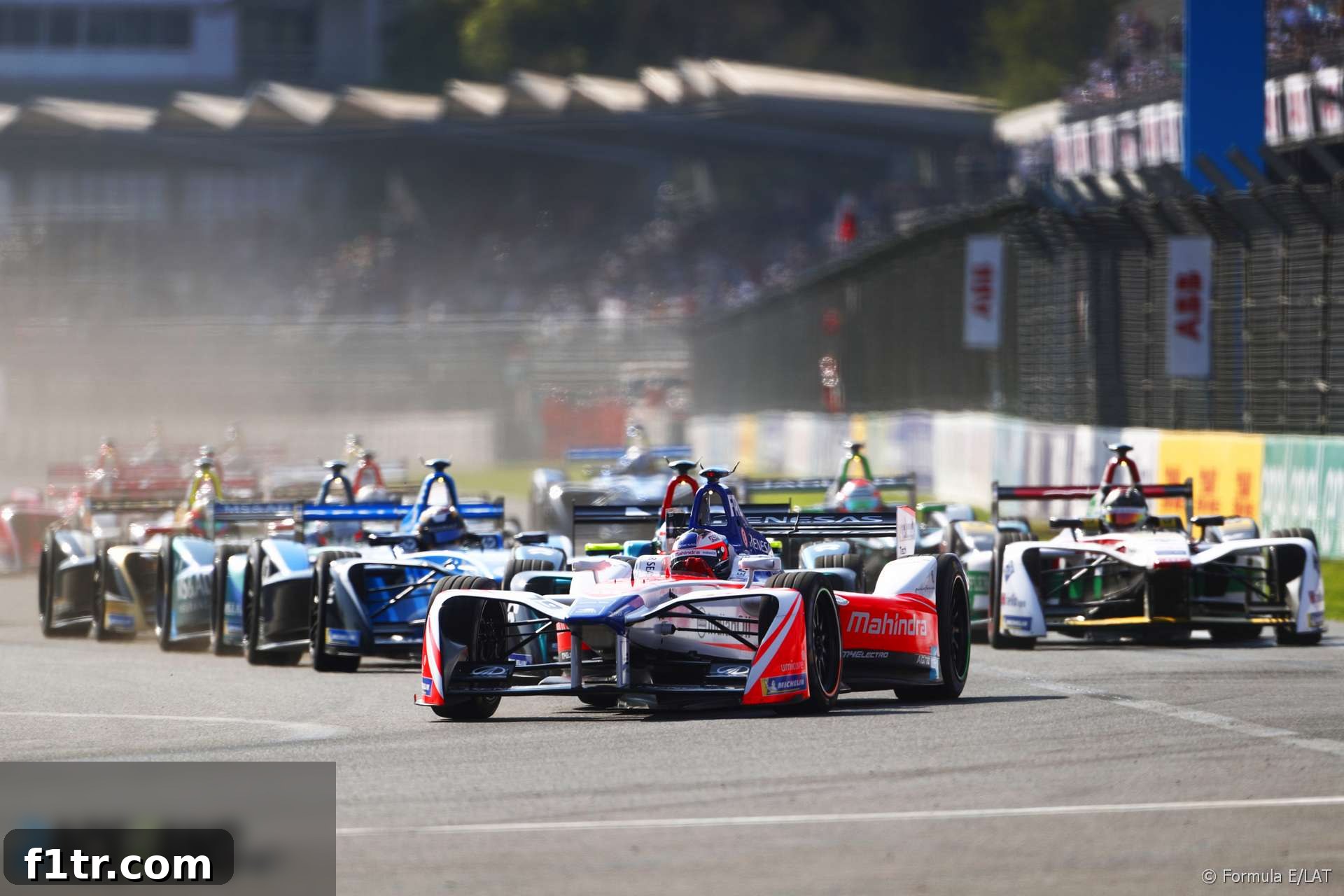
Formula E is poised to embark on a transformative new chapter, having unveiled a series of significant changes for its 2018/19 season. These modifications mark a pivotal moment for the all-electric racing championship, ushering in an era defined by enhanced technology, refined race formats, and an even stronger commitment to showcasing efficiency and sustainable innovation. Among the most anticipated adjustments is the revolutionary move away from mid-race car swaps, a defining feature of the series since its inception. This, coupled with the introduction of strategic power modes and a unique focus on energy management, is set to elevate the competitive landscape and further solidify Formula E’s position as a trailblazer in motorsport.
The FIA World Motor Sport Council formally announced that race durations for the upcoming season would be streamlined to “approximately 40 minutes.” This represents a notable reduction from typical race lengths in previous seasons, which often spanned between 48 minutes and an hour. This shift is not merely about shortening the spectacle; it is intrinsically linked to the technological leap that underpins the entire 2018/19 season – the debut of the groundbreaking Gen2 car. The revised race length is carefully calibrated to optimize the new car’s performance capabilities and battery endurance, ensuring a high-intensity, uninterrupted racing experience that keeps fans on the edge of their seats from start to finish.
Revolutionizing the Race Format: The End of Car Swaps with the Gen2 Car
The most iconic change for the 2018/19 season, and arguably the most significant since Formula E’s inception, is the elimination of the mid-race car swap. Prior to this season, drivers were necessitated to pit and switch into a second car halfway through the race due to the limited battery life of the original Gen1 cars. While this unique pit stop procedure became a quirky hallmark of the series, it was always a temporary solution as battery technology advanced.
The introduction of the formidable Gen2 car, officially known as the Spark SRT05e, is the catalyst for this monumental shift. Engineered with a vastly improved battery capacity, the Gen2 machine is designed to complete an entire race distance on a single charge. This technological marvel not only showcases the rapid advancements in electric vehicle battery technology but also streamlines the race format, making it more akin to traditional motorsport events while retaining its unique electric identity.
The Gen2 car is a marvel of engineering, boasting a sleek, futuristic design, enhanced aerodynamic efficiency, and significantly increased power output. With its distinctive ‘halo’ cockpit protection device and fully enclosed wheels, it visually represents a bold leap forward for the championship. Its battery capacity doubled from 28kWh to 54kWh, allowing for the substantial increase in range required for single-car races. This advancement removes a complex logistical challenge for teams and simplifies the viewing experience for fans, allowing for more straightforward strategic decisions focused on energy management rather than pit stop timing. The Gen2 era signifies Formula E’s coming of age, demonstrating that electric racing can deliver a full-length, high-performance spectacle without compromise.
The removal of the car swap also brings other benefits. It reduces the number of vehicles teams need to transport to each race, contributing to the series’ sustainability goals. Furthermore, it places a greater emphasis on driver stamina and continuous performance, as they will need to manage energy and maintain focus for a longer, uninterrupted period in a single car. This change was widely celebrated by drivers, teams, and fans alike, solidifying Formula E’s status as a legitimate top-tier motorsport championship.
Strategic Dynamics: Introducing Dual Power Modes
In another exciting development aimed at injecting more strategic elements and overtaking opportunities into the races, drivers will now be required to utilize two distinct power modes during each race. This innovative feature is designed to introduce dynamic shifts in performance, rewarding smart strategy and precise execution on the track.
One of these power modes will be a standard race mode, while the other will be a higher-power setting. When activated, this higher-power mode will deliver a tangible “performance gain of approximately one second per lap.” This is a significant advantage in the close-quarters racing typically seen in Formula E. The precise mechanics of how and when drivers activate this mode would become a crucial strategic decision, influencing race flow, overtaking attempts, and defensive maneuvers. While the full “Attack Mode” concept would evolve later, this announcement laid the groundwork for a truly interactive and driver-controlled strategic element that sets Formula E apart.
The introduction of dual power modes compels teams and drivers to think more critically about energy consumption and timing. Should a driver deploy the higher-power mode early to gain track position, risking later energy deficits? Or should they conserve it for a crucial overtaking move in the closing stages? These decisions add layers of complexity and excitement to every lap, ensuring that races are not just about raw speed but also about intelligent energy management and tactical brilliance. This feature inherently boosts the entertainment value for spectators, providing clear visual cues and palpable shifts in performance that make the racing more engaging and unpredictable.
Rewarding Ingenuity: The Shift to an Efficiency Point
Underlining its core values of sustainability and technological innovation, Formula E also announced a significant change to its points system. The traditional point awarded for the fastest lap during a race will be scrapped. In its place, a point will now be awarded to the “most efficient driver,” as determined by a “new energy management parameter.”
This innovative concept is a direct reflection of Formula E’s mission: to accelerate the adoption of electric vehicles and showcase the potential of sustainable mobility. Unlike traditional motorsports where raw speed is paramount, Formula E seeks to reward not just speed, but intelligent speed. The most efficient driver will be the one who demonstrates superior energy conservation throughout the race while maintaining competitive pace, effectively using the least amount of energy to complete the race distance. This encourages drivers to master the art of ‘lift and coast’ and regenerative braking, turning energy recovery into a vital racecraft skill.
The “energy management parameter” will likely involve sophisticated telemetry and algorithmic analysis to determine which driver exhibited the most effective and intelligent use of their allocated energy. This rule change sends a clear message: Formula E is about pushing the boundaries of electric technology and demonstrating how performance can be achieved hand-in-hand with efficiency. It incentivizes engineers to develop more efficient powertrains and software, and drivers to hone their energy-saving techniques, making the series a true proving ground for future road car technologies. This move further differentiates Formula E from other racing series, reinforcing its unique identity and purpose beyond mere competition.
Navigating the Calendar: Adjustments and Resilience
Beyond the technical and sporting regulations, the FIA World Motor Sport Council also formally ratified adjustments to the calendar for the current season. This included the unfortunate but necessary reduction in the length of the championship schedule following the cancellation of the previously planned double-header season finale in Montreal.
The cancellation of the Montreal ePrix was a disappointing setback, largely stemming from political changes within the city government and related financial challenges. Such occurrences highlight the inherent complexities of organizing street races in major global cities, requiring extensive collaboration with local authorities, logistical planning, and financial commitment. Despite this unforeseen hurdle, Formula E demonstrated its resilience and ability to adapt.
Consequently, the current championship season was confirmed to conclude with two thrilling races in New York City, scheduled for the weekend of July 14th and 15th. The New York ePrix, held against the iconic backdrop of the Manhattan skyline from the Brooklyn cruise terminal, has quickly established itself as a fan favorite. Concluding the season in a major global metropolis like New York not only provided an electrifying finale but also reinforced Formula E’s commitment to bringing electric racing to urban centers worldwide, engaging new audiences and showcasing the excitement of sustainable motorsport on a grand stage. The ability to pivot and secure such a high-profile location for the championship decider underscored the series’ growing global appeal and operational strength.
The Future of Electric Motorsport: A Vision for Innovation
The sweeping changes introduced for the 2018/19 Formula E season represent more than just regulatory updates; they signal a bold vision for the future of electric motorsport. By eliminating the car swap, introducing strategic power modes, and prioritizing energy efficiency, Formula E solidified its position as a championship that is both technologically advanced and incredibly entertaining. The Gen2 car became a symbol of this evolution, embodying the rapid progress in battery technology and electric powertrain development.
These developments laid a crucial foundation for the series’ continued growth and success. They allowed Formula E to shed some of its initial compromises, presenting a more polished and high-performance package to the world. The focus on efficiency and tactical driving, rather than just raw speed, ensures that Formula E remains relevant to the broader conversation about sustainable mobility and intelligent energy solutions. As the world continues its transition towards electric vehicles, Formula E stands as a vibrant, competitive, and hugely significant platform demonstrating the thrilling potential of electric power on the global stage.
Related Content from the 2018 F1 Season
- F1 feared “death knell” for Drive to Survive after Ferrari and Mercedes snub
- McLaren staff told us we were “totally crazy” to take Honda engines in 2018 – Tost
- ‘It doesn’t matter if we start last’: How Red Bull’s junior team aided Honda’s leap forward
- Honda’s jet division helped F1 engineers solve power unit problem
- McLaren Racing losses rise after Honda split
Browse all 2018 F1 season articles