The exhilarating world of Formula 1, renowned for its speed, innovation, and intense competition, faces a growing challenge: the sustainability of its ever-expanding global calendar. With the announcement of recent F1 seasons featuring a record 23 races, the conversation around staff welfare has moved to the forefront, becoming a persistent theme in media conferences with drivers, team principals, and officials throughout Grand Prix weekends. The mental, physical, and social impacts of such a gruelling schedule are undeniably significant, prompting a closer examination of how the sport can balance its commercial ambitions with the well-being of its dedicated workforce.
It is, perhaps, an irony that those frequently expressing concern—the drivers and team principals—are not always the ultimate arbiters of the calendar’s size, nor do they always represent the most affected segment of the workforce. The current framework for the Formula 1 calendar is largely governed by the 2021-2025 Concorde Agreement, a pivotal document signed by the collective leadership of the ten teams (or their higher authorities). This agreement, which dictates the commercial structure of the sport, explicitly permits the commercial rights holder to present a calendar containing up to 24 Grands Prix in a single year without requiring additional full team consent. This implies a prior, collective acceptance of a potentially extensive schedule. Had team bosses harbored fundamental objections to this many events, they would have had ample opportunity to decline the terms. Moreover, the landscape has changed with the introduction of budget caps. In an earlier era, major teams might have had the financial flexibility to rotate staff more extensively, but under current regulations, all teams operate under similar financial constraints. This shifts the onus onto individual teams to strategically allocate resources and prioritize spending, including how they manage personnel across a long season.
While Formula 1 drivers are consistently prompted to voice their opinions on the extended calendar, their personal experience of the travel and logistical demands often differs significantly from that of the majority of team personnel. Drivers typically enjoy the benefits of private air travel, chauffeur services, luxurious five-star accommodations, and substantial remuneration packages that, in some instances, can exceed the entire annual payroll of smaller teams on the grid. Under such privileged circumstances, drivers, when directly asked, often express general concerns about the demands on the team, yet their immediate comfort and support systems mean they are less personally impacted by the physical grind of constant travel. This creates a nuanced dynamic where their public statements, while well-intentioned, don’t always fully reflect the realities faced by the broader traveling crew.
For team principals and the broader F1 ecosystem, the acceptance of an extended race schedule is deeply rooted in financial realities and the pursuit of growth. An increased number of races directly correlates to higher revenue, not only through enhanced prize money distributions but also from lucrative sponsorship deals. This augmented income is critical for the financial health and sustainability of every team, enabling them to invest in research, development, and, crucially, to create and maintain jobs across the organization. It’s often overlooked that while a core group of approximately 100 individuals per team (representing about 14% of an average 700-person workforce) travels to races, the additional events generate significant opportunities and secure employment for the vast majority—the other 86%—who work diligently back at the factory. These roles encompass everything from aerodynamic design and engine development to logistics, marketing, and administration. A reduction in the number of races would invariably lead to a drop in team income, potentially jeopardizing these vital positions and diminishing the overall economic impact of the sport. The balance, therefore, is between the intense demands on a minority of traveling staff and the widespread economic benefits for the entire workforce.
Setting aside the considerations of team consent and the varying experiences of drivers, the overarching question remains: is a 23-race calendar, with its associated relentless travel and logistical complexities, genuinely sustainable and workable in the long term, or has Formula 1 indeed overreached? While the schedule is undeniably demanding and intense, it prompts a critical distinction between what is merely inconvenient for the approximately 100 traveling personnel per team and what might be considered genuinely inhumane within an industry that directly employs around 10,000 individuals globally. This question invites a deeper look into the standards and expectations within high-performance, global industries.
To put the demands of the F1 calendar into perspective, it’s essential to consider the legal and industrial landscape. Every developed nation where Formula 1 teams are domiciled possesses comprehensive labor laws that meticulously stipulate permissible working hours, mandatory rest periods, and employee welfare provisions. If teams were operating outside these stringent legal frameworks in a manner detrimental to employee health and safety, personnel would have clear and immediate avenues for legal recourse. The conspicuous absence of reported court cases or widespread legal challenges within Formula 1 regarding working conditions suggests that, at a fundamental level, teams are largely adhering to these legal obligations, or at least implementing operational strategies to ensure compliance. This contextualizes the discussion within existing legal and ethical boundaries, emphasizing that the challenges are often about managing intensity rather than outright illegality.
Moreover, the experience of extensive travel and prolonged periods away from loved ones is far from exclusive to the Formula 1 circus. Countless professions across a diverse range of industries regularly demand similar, if not greater, sacrifices. Sales professionals, who often cover vast territories, long-haul truck drivers navigating continents, commercial pilots managing complex flight schedules, and specialized workers on oil rigs or maritime vessels all routinely undertake extended assignments. In many of these instances, these professionals endure longer periods away from home, with fewer comforts, often for less remuneration, and sometimes with less perceived job satisfaction than their counterparts in Formula 1. When individuals in these sectors find the travel burden to be unsustainable for their personal lives, the common and accepted solution is to seek alternative employment that better aligns with their lifestyle preferences, rather than expecting their entire industry to fundamentally alter its established modus operandi. This perspective highlights that a certain degree of travel is an inherent aspect of many global, high-stakes careers, and adaptability is key.
Navigating F1’s Intensive Schedule: Choice, Passion, and Technological Evolution
Ultimately, pursuing a career within the traveling ranks of Formula 1 is a profoundly personal decision, driven by an unwavering passion for motorsport and a temperament suited to its unique demands. It mirrors the commitment required for highly specialized and globally oriented professions in other fields. The expectation that a complex, global business like Formula 1—which inherently involves intensive travel for a minority of its workforce—should drastically alter its fundamental operational model to suit individual preferences is simply not pragmatic. The very essence of Formula 1 is its international presence and the dynamic spectacle of global competition. For individuals who find the relentless travel schedule incompatible with their personal lives, the F1 industry offers a wealth of diverse opportunities within the significant majority (the 86%) of its workforce who are primarily based at the team’s headquarters or factory. Moreover, the immense prestige and excitement associated with Formula 1 mean that for every team member, there are likely numerous highly skilled and passionate individuals outside the sport who would eagerly embrace the chance to contribute in any capacity, underscoring the fierce competition for roles within this elite environment.
As the Formula 1 calendar has gradually expanded over recent decades, the sport has simultaneously evolved to implement mitigating strategies and technological advancements that help alleviate some of the associated burdens. A significant change has been the dramatic reduction in dedicated track testing days, shifting much of the development work and analysis back to the factory. More profoundly, the rapid advancements in remote working technologies have revolutionized how teams operate during race weekends. A recent survey conducted across six prominent F1 teams revealed that, on average, approximately 35 staff members now efficiently manage critical operations from advanced ‘mission control rooms’ situated at their respective factory bases. These individuals, whose expertise is crucial for real-time strategy and problem-solving, would historically have been required to travel to the circuit. This growing trend towards sophisticated remote operations is set to further increase, promising a continued reduction in the overall travel burden for a substantial segment of the technical and strategic workforce, thereby enhancing overall efficiency and potentially improving work-life balance.
A Historical Perspective: The Unyielding Demands of 1963 F1
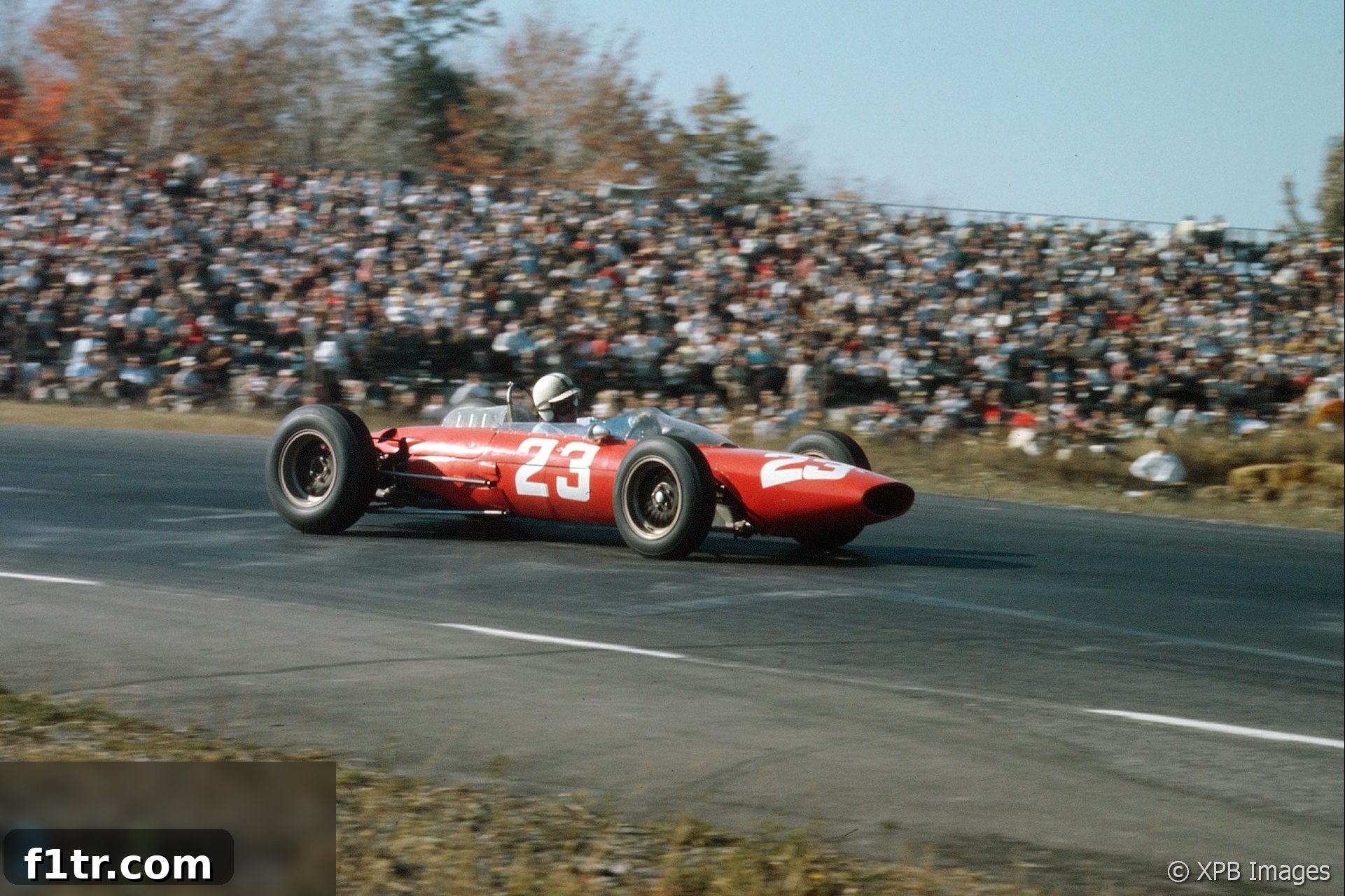
To truly grasp the contemporary discourse surrounding calendar fatigue, it is invaluable to reflect on the historical context of Formula 1, particularly the conditions faced by staff in an earlier era. Cedric Selzer, who effectively served as Jim Clark’s race engineer during his triumphant 1963 F1 World Championship season, offers a stark and compelling perspective on what “staff overload” truly entailed. Selzer, whose highly recommended autobiography, “If You Come Second You Have Lost,” provides vivid insights, describes a vastly different reality for team personnel. He and his two teammates were not only responsible for meticulously building the team’s cars from blueprints during the off-season but also for driving the massive transporters across the length and breadth of Europe throughout the racing season. Upon arrival at each circuit, they would then undertake the equally arduous task of tending to the cars, often working tirelessly through the night to prepare them for competition.
Selzer’s recollections paint a vivid picture of extraordinary dedication and hardship. He recalls driving in gruelling shifts, sometimes venturing as far as Enna in Sicily, followed by relentless “all-nighters,” working for as many hours as were necessary without complaint. European rounds were almost exclusively “drive-to” races, with each cross-border journey complicated by numerous customs checkpoints and the constant need to manage a multitude of different currencies – a stark contrast to today’s streamlined European travel, devoid of budget airlines, modern highway facilities, or convenient credit card access. When questioned about the sheer number of F1 races he navigated during that intensely demanding season, Selzer’s response is particularly illuminating: “There were 24, 10 of which were world championship events and the rest non-championship races, but no less demanding for it.”
Indeed, a total of 32 such races were scheduled in 1963, a figure that even included instances where two events were held on the very same day (though not all teams necessarily participated in every single race). While it is accurate to note that the proportion of non-European “flyaway” events was not as high as it is in the modern era, the absence of contemporary conveniences and stringent regulations presented its own unique set of profound challenges. Crucially, the staff of 50 years ago did not benefit from the mandatory curfews on working hours during race weekends that today’s Formula 1 crews enjoy. This meant their shifts could extend indefinitely, requiring a level of endurance and commitment that is almost unfathomable by current standards.
Even when air travel became a necessity in the 1960s, it involved turboprop aircraft that offered none of the speed, efficiency, or in-flight comforts of today’s advanced jets. South Africa was a regular fixture on the F1 calendar, representing an exceptionally long and arduous journey. Teams would routinely travel between races in the USA and Mexico, only to immediately embark on a detour to Detroit to fit a Ford engine into a ‘mule’ Lotus Indianapolis racer. “Of course not, we were there to work,” Selzer chuckles, recalling the notion of time off during these intense periods. He recounts being away from home for well over a month on occasion, with three demanding ‘flyaway’ races tightly packed into that period. Yet, remarkably, he considered himself fortunate to have avoided duties in Tasmania, where his less lucky colleagues, having drawn the “wrong straws,” were dispatched for a grueling series of events that later evolved into the Tasman Cup, keeping them away from home for six weeks.
Selzer attributes the remarkable resilience required to endure such challenging conditions to a “different mental attitude” prevalent at the time. He powerfully articulates that their motivation stemmed primarily “out of passion for the sport, not the money.” While times have undeniably evolved—largely for the better, with substantial improvements in working conditions, enhanced safety, and more compassionate attitudes—the fundamental ingredients for a truly sustainable and fulfilling career in Formula 1 remain constant: a deliberate individual choice, an unwavering passion for the sport, and a resilient temperament capable of thriving in its high-pressure, peripatetic environment. Without these core elements, a traveling career in F1 is almost certainly destined to lead to unhappiness and burnout, regardless of whether the calendar features a mere three races or a demanding twenty-three. For those who ultimately find the demands of constant travel insurmountable, the abundant and equally rewarding opportunities within the 86% of the F1 workforce based at home present viable and attractive alternatives. The F1 calendar, therefore, while presenting significant challenges, also represents a dynamic and evolving landscape where technological innovation and strategic personnel management continue to shape how teams navigate the intricate balance between global expansion and human well-being. The narrative of “staff welfare” must be viewed through this holistic lens, acknowledging the unique allure and privilege of working in such an elite sport, the robust support structures in place, and the fundamental element of personal commitment that defines those who excel within its fast-paced and glamorous environment.
Historical Context: The Extensive 1963 Grand Prix Season
For a deeper appreciation of how Formula 1 calendars have evolved, the 1963 season serves as a remarkable historical precedent, showcasing an extensive schedule comprising both World Championship and numerous demanding non-championship events. This overview highlights the incredible dedication required from teams and personnel in that era:
| Date | Event | Venue | Country | Notes |
|---|---|---|---|---|
| 5th January | New Zealand Grand Prix | Pukekohe | New Zealand | Non-championship |
| 12th January | Levin International | Levin | New Zealand | Non-championship |
| 19th January | Lady Wigram Trophy | Christchurch | New Zealand | Non-championship |
| 26th January | Teretonga Trophy | Invercargill | New Zealand | Non-championship |
| 10th February | Australian Grand Prix | Warwick Farm | Australia | Non-championship |
| 17th February | Lakeside International | Lakeside | Australia | Non-championship |
| 4th March | South Pacific Trophy | Longford | Australia | Non-championship |
| 11th March | Sandown Park Trophy | Sandown Park | Australia | Non-championship |
| 30th March | Lombank Trophy | Snetterton | Great Britain | Non-championship |
| 15th April | Glover Trophy | Goodwood | Great Britain | Non-championship |
| 15th April | Pau Grand Prix | Pau | France | Non-championship |
| 21st April | Imola Grand Prix | Imola | Italy | Non-championship |
| 25th April | Syracuse Grand Prix | Syracuse | Italy | Non-championship |
| 27th April | International Aintree 200 | Aintree | Great Britain | Non-championship |
| 11th May | International Trophy | Silverstone | Great Britain | Non-championship |
| 19th May | Rome Grand Prix | Vallelunga | Italy | Non-championship |
| 26th May | Monaco Grand Prix | Monaco | Monaco | World championship |
| 9th June | Belgian Grand Prix | Spa-Francorchamps | Belgium | World championship |
| 23rd June | Dutch Grand Prix | Zandvoort | Netherlands | World championship |
| 30th June | French Grand Prix | Reims | France | World championship |
| 20th July | British Grand Prix | Silverstone | Great Britain | World championship |
| 28th July | Solitude Grand Prix | Solitude | Germany | Non-championship |
| 4th August | German Grand Prix | Nurburgring | Germany | World championship |
| 11th August | Kanonloppet | Karlskoga | Sweden | Non-championship |
| 18th August | Mediterranean Grand Prix | Enna-Pergusa | Italy | Non-championship |
| 1st September | Austrian Grand Prix | Zeltweg | Austria | Non-championship |
| 8th September | Italian Grand Prix | Monza | Italy | World championship |
| 21st September | International Gold Cup | Oulton Park | Great Britain | Non-championship |
| 6th October | United States Grand Prix | Watkins Glen | USA | World championship |
| 3rd November | Mexican Grand Prix | Magdalena Mixhuaca (now Autodromo Hermanos Rodriguez) | Mexico | World championship |
| 14th December | Rand Grand Prix | Kyalami | South Africa | Non-championship |
| 28th December | South African Grand Prix | East London | South Africa | World championship |
Further Reading: Insights into the Modern F1 Season
For more detailed perspectives and analysis on recent developments in Formula 1, including challenges, regulations, and driver opinions, explore the following articles related to the 2022 F1 season:
- Lewis Hamilton on Mercedes’ 2022 Car Problems: “They told me I was wrong”
- FIA Confirms All 10 F1 Teams Complied with 2022 Cost Cap Regulations
- Guenther Steiner “Not Ashamed” of Criticizing Mick Schumacher in Drive to Survive
- Alex Albon Credits Year Out for Successful F1 Return and Driver Improvements
- Hamilton Notes Diversity Gains in F1 Years After “Traumatizing” Racism Experience
Browse all 2022 F1 season articles