In the high-octane world of Formula 1, sustained dominance is a rare and coveted achievement. Yet, for nearly a decade, Mercedes-AMG Petronas Formula One Team has redefined what it means to be at the pinnacle of motorsport. At the heart of this unparalleled success is seven-time world champion Lewis Hamilton, a driver who not only pushes the boundaries on track but also keenly understands the intricate dynamics that fuel a winning machine. Hamilton firmly believes that Mercedes can extend their incredible run of dominance in Formula 1, provided the team maintains its laser focus and avoids the pitfalls of distraction by “other ventures.”
This sentiment, articulated by Hamilton, goes beyond mere platitudes; it’s a profound insight into the relentless pursuit of perfection that defines Mercedes’ success. While rival teams have undeniably narrowed the performance gap since the groundbreaking introduction of the V6 hybrid turbo era, Hamilton contends that Mercedes has, in fact, become even stronger in crucial, often overlooked areas. This isn’t just about raw pace; it’s about the holistic performance of an entire organization that constantly strives for excellence.
The Unseen Strength: Mercedes’ Evolving Excellence
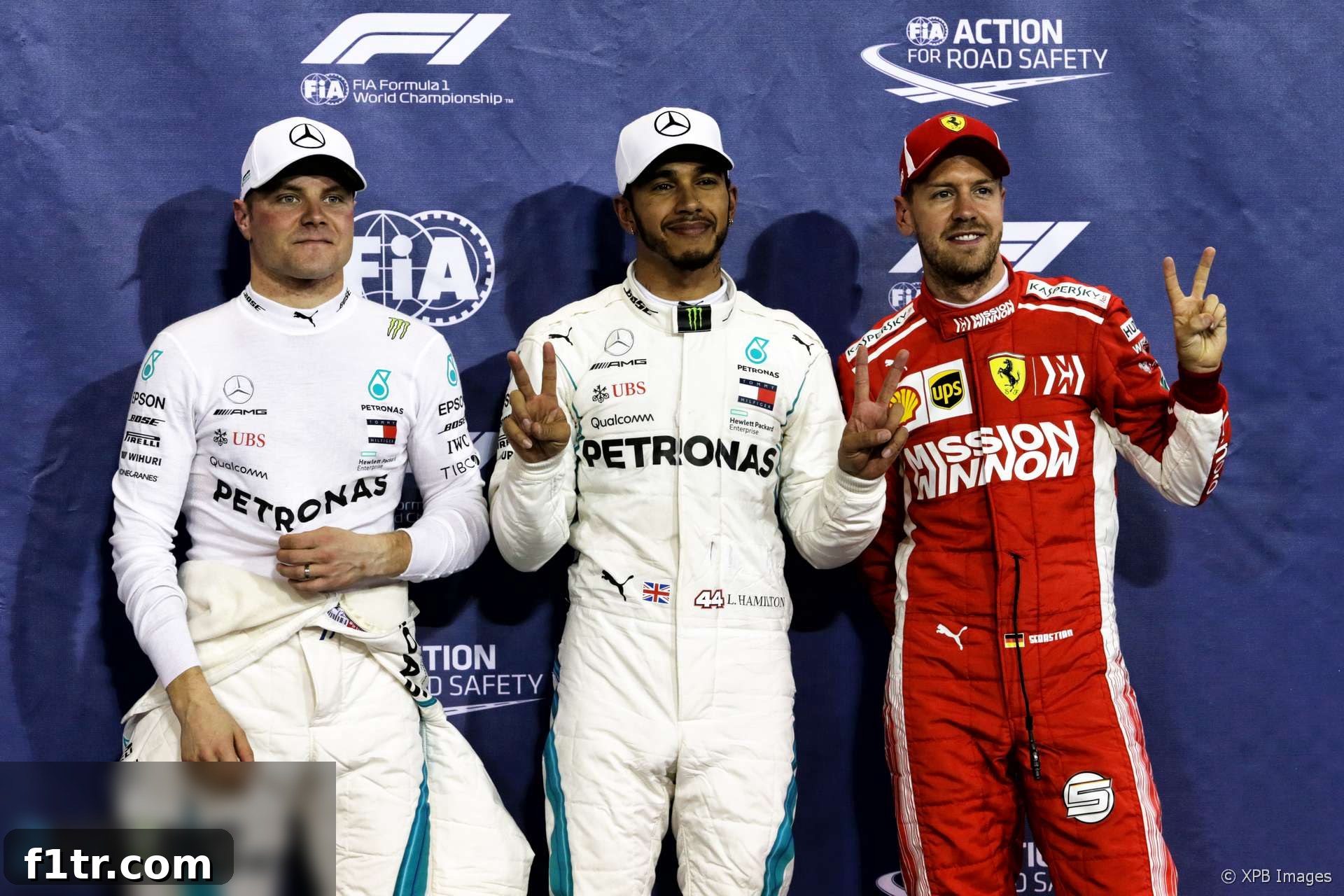
Following a qualifying session that saw him snatch pole position in Abu Dhabi, Hamilton reflected on the subtle yet significant improvements within the team. “I think this year if you look at the team’s performance on the race weekends – our mechanics, our engineers, strategists – we’ve all raised our game,” he explained. This isn’t just about incremental gains; it’s about a collective elevation of standards and a renewed commitment to excellence across every single department. This continuous improvement, even at the top, is a hallmark of Mercedes’ enduring success.
A Symphony of Skill: Mechanics, Engineers, and Strategists
The mechanics are the unsung heroes of F1, responsible for lightning-fast pit stops and meticulous car preparation. Their ability to consistently perform under immense pressure, reducing critical seconds from stop times and ensuring mechanical reliability, is a testament to their dedication and training. Hamilton’s recognition highlights the precision and efficiency they bring to every race weekend, where every millisecond can be the difference between victory and defeat. Their flawless execution under intense scrutiny is a core pillar of Mercedes’ operational supremacy.
The engineers, meanwhile, operate at the cutting edge of automotive technology. Their work extends from aerodynamic design and power unit optimization to chassis development and real-time data analysis. The continuous refinement of the W-series cars, year after year, demonstrates their innovative spirit and problem-solving prowess. In an era where data is king, their ability to extract maximum performance, adapt to evolving regulations, and constantly push the envelope of what’s possible is paramount. Mercedes’ technical mastery has consistently given them an edge, proving that innovation is a never-ending process.
Perhaps most crucially, the strategists are the chess masters of the track, making split-second decisions that can dictate the outcome of a race. From tire management and fuel loads to safety car interventions and unpredictable weather changes, their ability to anticipate, react, and execute complex race plans is a critical differentiator. Hamilton’s comments underline that even after years of success, this core group continues to hone their skills, operating with greater synergy and insight, ensuring optimal outcomes even when the odds seem stacked against them. Their strategic brilliance often turns potential defeats into hard-fought victories.
The Driver’s Role: Inspiration and Accountability
Hamilton himself admits that perfection is an elusive target in such a demanding sport. “It’s never, ever been perfect, neither of us as drivers,” he stated candidly. However, he quickly followed this with a powerful observation: “But collectively, as a team, I think we’ve really continued to elevate ourselves. Which is, again, inspiring for me and that encourages me to go out there and not want to let them down.” This reveals a symbiotic relationship: the team’s improvement inspires the driver, and the driver’s commitment reinforces the team’s morale. Hamilton’s unparalleled work ethic, relentless hunger for victory, and unwavering focus are infectious, driving those around him to match his intensity and strive for their own personal bests. He embodies the team’s spirit of excellence, acting as both a catalyst and a mirror for their aspirations.
The Peril of Distraction: Hamilton’s Prescient Warning
While celebrating the team’s internal advancements and acknowledging their current strength, Hamilton issued a crucial caveat – a warning born from years of experience at the pinnacle of motorsport and an understanding of how quickly fortunes can change. He believes Mercedes must maintain an unwavering, almost singular focus on Formula 1 and not allow themselves to be sidetracked by other objectives.
“I’m confident, as long as Mercedes don’t change their approach and don’t change their desire to win,” he asserted. This isn’t just about personnel; it’s about corporate philosophy, resource allocation, and the overall strategic direction of the entire Mercedes-Benz conglomerate. “Some teams decide to veer off and do some other business venture and lose a bit of focus on the main ultimate goal. As long as they don’t do that, I believe that we’ll be able to stay on this path and continue to fight at the top.” This speaks to the immense dedication required to stay competitive in F1, a commitment that can be easily diluted by competing interests.
Understanding “Other Ventures” in the Context of F1
What exactly constitute these “other ventures” that could potentially threaten Mercedes’ F1 dominance? Historically, this could involve a manufacturer diverting significant financial and human resources to other racing series (e.g., Formula E, endurance racing, DTM), or even shifting internal priorities towards road car development or emerging technologies at the expense of motorsport innovation. It could also refer to organizational changes, management shifts, or a perceived dilution of the core F1 mission due to broader commercial interests or brand repositioning. The pursuit of success in F1 is all-consuming, and any division of attention, no matter how minor, can have profound consequences.
The sheer intensity, technological complexity, and financial investment required to compete at the very front of Formula 1 demand an almost singular devotion. Any significant diversion of focus, talent, or capital could have ripple effects across the entire organization, impacting everything from cutting-edge research and development to operational efficiency, team morale, and the ability to attract top talent. Hamilton’s caution underscores the inherent fragility of sustained success and the constant vigilance required to maintain it. He understands that past glories do not guarantee future triumphs without unwavering commitment.
Acknowledging the Competition and Avoiding Complacency
Hamilton’s grounded perspective also includes a healthy, strategic respect for their rivals. The champion emphasized that taking their hard-won position for granted would be a fatal error, an oversight that could quickly lead to their downfall. “Ferrari have been doing an amazing job this year,” he acknowledged, referring to the formidable challenge consistently posed by the Scuderia in various seasons. “We’ve got to keep the hammer down, keep pushing as they will be. See how close they are right now.”
This recognition of Ferrari’s capabilities, along with the implied threat from other ambitious teams like Red Bull Racing and emerging contenders, highlights the intensely competitive and dynamic nature of Formula 1. Success in F1 is a zero-sum game; one team’s gain often comes at another’s expense. The continuous innovation cycle means that standing still is effectively going backward. Mercedes’ ability to consistently out-develop and out-execute their rivals is a testament to their unwavering commitment to improvement, a mindset that permeates every level of the organization. They are acutely aware that their position is earned daily, not inherited.
The Unsung Teammate: Valtteri Bottas’s Crucial Contribution
Beyond external competition, Hamilton also pointed to the internal dynamics that contribute significantly to Mercedes’ strength. He praised his teammate, Valtteri Bottas, recognizing his vital role not just as a points scorer but as an integral part of the team’s success. “And look at Valtteri, he’s been driving exceptionally well all year. I know next year again, third year with the team, he will be even quicker so we will have to rediscover new skills for next year.”
Bottas’s consistent performance, his ability to push Hamilton on track, and his crucial contribution to the constructors’ championship points tally are invaluable. A strong second driver not only provides critical data and feedback for car development but also creates healthy internal competition, preventing complacency and driving both drivers to elevate their game further. Hamilton’s expectation of Bottas’s continued growth reflects the high standards set within the Mercedes camp, where every individual is expected to continually improve, pushing themselves and each other towards collective greatness. This internal synergy is a often-underestimated factor in their long-term dominance.
The Blueprint for Sustained F1 Dominance
Ultimately, Lewis Hamilton’s message is a clear and concise blueprint for sustained success in Formula 1: a powerful combination of internal excellence, unwavering strategic focus, and a realistic, humble appraisal of the competition. Mercedes’ journey through the V6 hybrid era serves as a compelling case study in how to build, maintain, and continuously refine a winning organization in one of the most demanding sports on the planet.
Their technological prowess, spearheaded by their innovative power unit and advanced aerodynamic packages, undoubtedly laid the foundation for their success. However, it is the human element — the dedicated mechanics who perform flawlessly, the ingenious engineers who never stop innovating, the astute strategists who outwit rivals, and the relentless drivers who extract every ounce of performance — that truly amplifies this advantage. This collective drive for improvement, fueled by a corporate culture that prioritizes F1 success above all else, is what Hamilton believes will keep them ahead of the chasing pack.
As Formula 1 continues to evolve with new regulations, technological advancements, and the emergence of fresh talents, Mercedes’ ability to heed Hamilton’s astute advice – to stay hungry, stay focused, and remain committed solely to their ultimate goal of winning – will be the true test of their enduring legacy. Their past achievements are undeniably impressive, solidifying their place in history, but their future dominance hinges entirely on their capacity to remain vigilant against distraction and relentless in their unwavering pursuit of perfection. This continuous dedication is the only path to continued glory in the unforgiving world of Formula 1.
Related Articles: The 2018 F1 Season and Beyond
- F1 feared “death knell” for Drive to Survive after Ferrari and Mercedes snub
- McLaren staff told us we were “totally crazy” to take Honda engines in 2018 – Tost
- ‘It doesn’t matter if we start last’: How Red Bull’s junior team aided Honda’s leap forward
- Honda’s jet division helped F1 engineers solve power unit problem
- McLaren Racing losses rise after Honda split
Browse all 2018 F1 season articles